
Reviewed · COOKING CLASSES
Galle: Traditional Sri Lankan Cooking Class
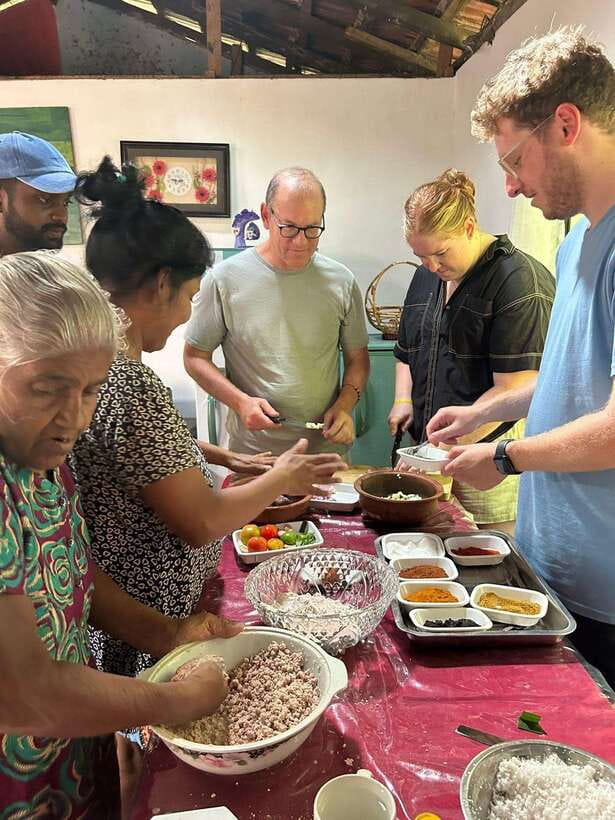
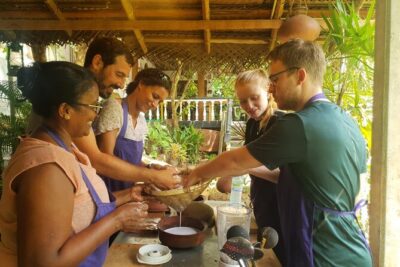
Sri Lankan cooking becomes much easier to understand when you are standing in a family kitchen, handling the spices and vegetables yourself. In Kotapola, this three-hour class pairs a local meal with stories about ingredients, cooking methods, and everyday food traditions. Malik and his mother may host your session, while other bookings have been led by Chef Manogi.
I like the warm family setting and the chance to work with fresh local ingredients instead of watching a polished kitchen demonstration. I also like the flexibility: guests have prepared as many as eight vegan dishes by request, and the meal ends with treats such as buffalo curd and treacle.
The main thing to know is that this is not a slow, step-by-step class in which you cook every dish alone. You will cut, season, assist, and learn while the host handles much of the work, so choose it for cultural connection and a delicious meal rather than a formal chef-training session.
Key points to know before booking
- A real family kitchen: You cook in the host’s home rather than in a purpose-built studio.
- Three hours from welcome drink to dessert: The class includes the prepared lunch or dinner, plus sweets.
- Strong focus on spices: You learn how spice mixes are made and why ingredients matter.
- Private group format: The experience is arranged for your own group, not a large shared class.
- Flexible food requests: Dietary restrictions and allergies should be reported in advance, and vegan menus have been arranged.
- Kotapola location: The meeting point can be easier to find with a map, but phone directions are available in English.
A family kitchen instead of a cooking studio
The setting is the heart of this experience. You meet at a local home in Kotapola, identified in the booking information as the Galle area, and cook in the family’s own kitchen. That gives the class a more personal feel than a restaurant kitchen or a staged demonstration.
You may be welcomed with a cool drink such as watermelon juice. It is a small touch, but useful in Sri Lanka’s warm climate, especially if you have come directly from sightseeing. From there, the session moves into food preparation, with the host explaining ingredients and techniques as you work.
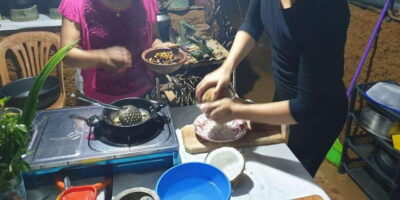
I like this format because the kitchen itself becomes part of the lesson. You get a glimpse of how food is prepared in a household, how ingredients are combined, and how a meal comes together at home. The tradeoff is that a private home may feel less orderly than a commercial cooking school. That is part of the charm, but it also means the class can move at the host’s pace.
The exact host may vary. Some sessions are led by Malik and his mother, while Chef Manogi is also named as a highly praised instructor. The common thread is a family-led class in English, with a focus on hospitality and local food rather than culinary theory.
More Cooking Classes in Galle
- Sea waves sri lankan cooking class
★ 5.0 · 467 reviews - Cook with Wasantha
★ 5.0 · 248 reviews - Galle Unawatuna Cooking Class
★ 5.0 · 142 reviews
What happens during the three-hour session
The class begins with a welcome and an introduction to the kitchen and ingredients. You then help with preparation, which can include cutting vegetables, handling spices, and assisting with the cooking. The activity description promises traditional Sri Lankan dishes, but it does not set one fixed menu, so your meal may differ from another booking.
That flexibility is useful if you have a food preference. A vegan menu has been prepared on request, with one couple cooking eight different vegan dishes using fresh local ingredients. You should still send allergies and dietary restrictions before the session, rather than waiting until you arrive.
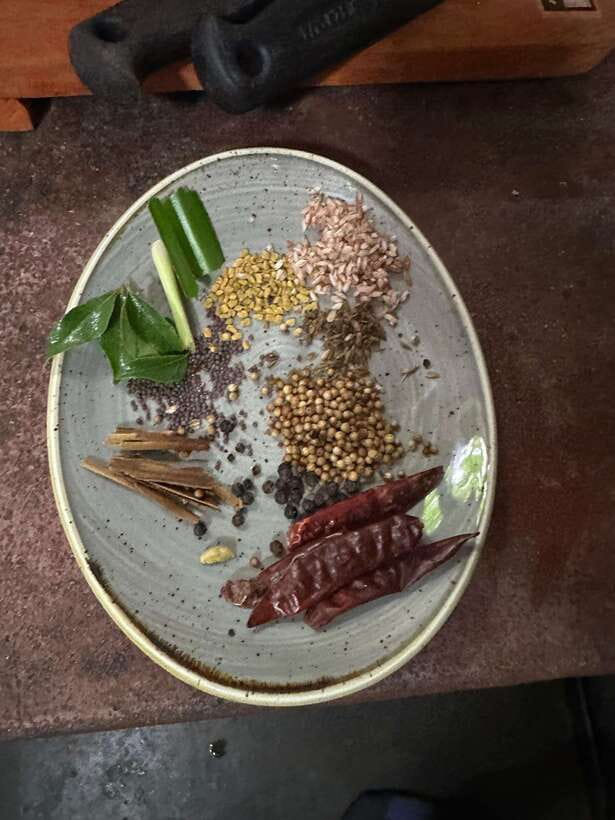
The hosts explain the role of each ingredient as the meal develops. You may learn how spice mixes are made, how aromas change during cooking, and how tropical vegetables fit into Sri Lankan dishes. This is where the class offers more than a recipe sheet. You gain a better sense of why Sri Lankan food tastes the way it does.
Do keep the three-hour length in mind. It is enough time to prepare and eat a substantial meal, but not enough for a long professional course covering every technique. The class is best understood as guided participation. You take part in the process, but the local cook directs the important stages and keeps the meal moving.
That arrangement suits many people. If you are new to cooking, you can focus on watching, asking questions, and trying individual tasks without worrying about ruining dinner. If you already cook often, you may wish for more control over each dish. The experience is a better fit for learning through conversation and shared work than for mastering recipes independently.
The spices are the real lesson
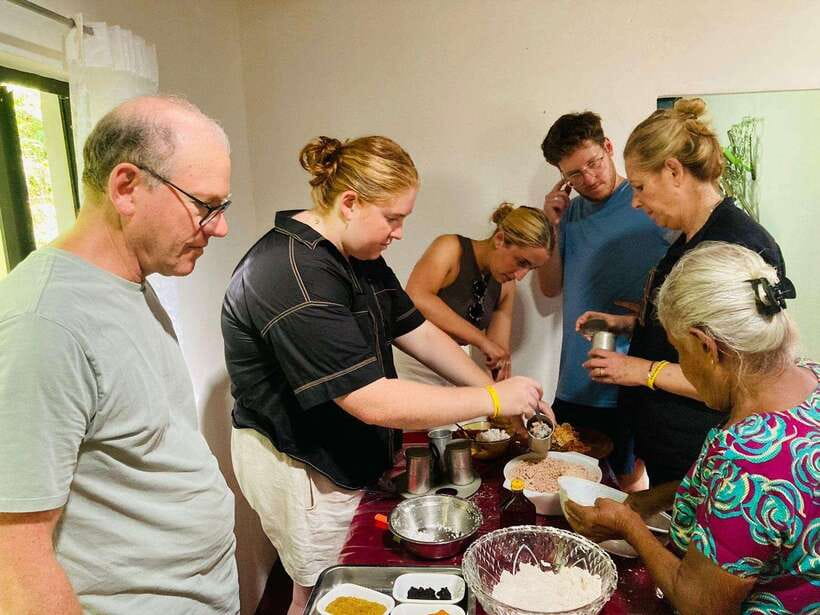
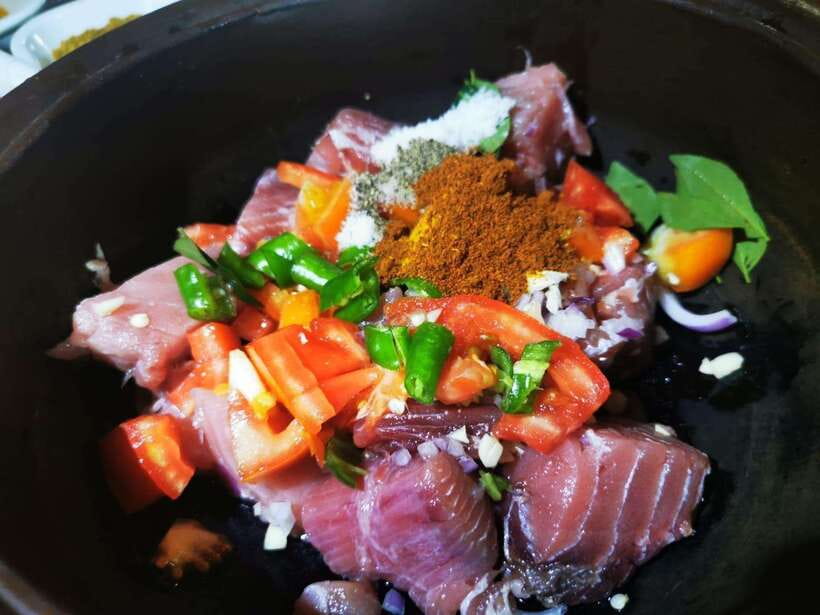
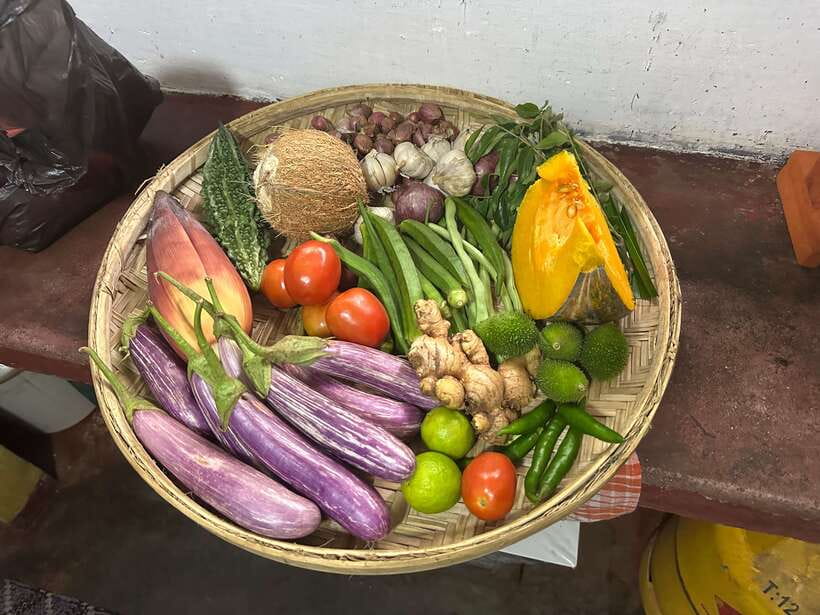
Sri Lankan food is built around layers of flavor, and the spice work gives this class its strongest educational value. You are not simply handed a finished curry and told what is in it. You get to handle the ingredients, see how they are combined, and learn about their place in the cooking.
The available information does not promise a fixed list of spices or dishes, so you should not book expecting a particular curry. Instead, think of the menu as an introduction to the host’s way of cooking. The class may show you how a family uses spice blends in practice, which is more useful than a generic demonstration that treats every Sri Lankan recipe as interchangeable.
I would ask questions as you go. Ask which ingredients are essential, which can be replaced at home, and how the spice balance changes with different vegetables. Since the instructor speaks English, you can discuss those details during the session rather than relying only on gestures.
The cultural explanation matters, too. Food is an easy way to understand a place because it connects ingredients with daily life, climate, family habits, and celebrations. Here, those details come through while you are preparing lunch or dinner, not as a separate lecture.
Eating the meal you helped prepare
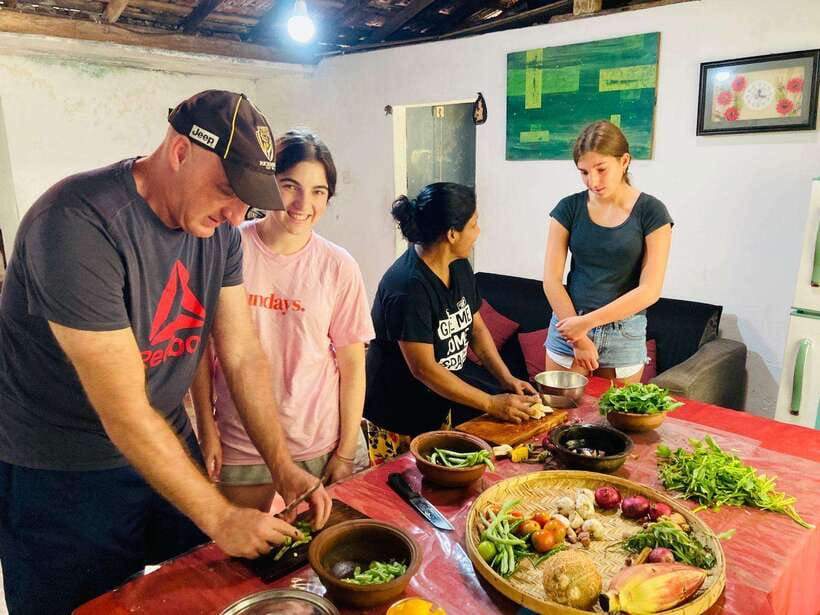
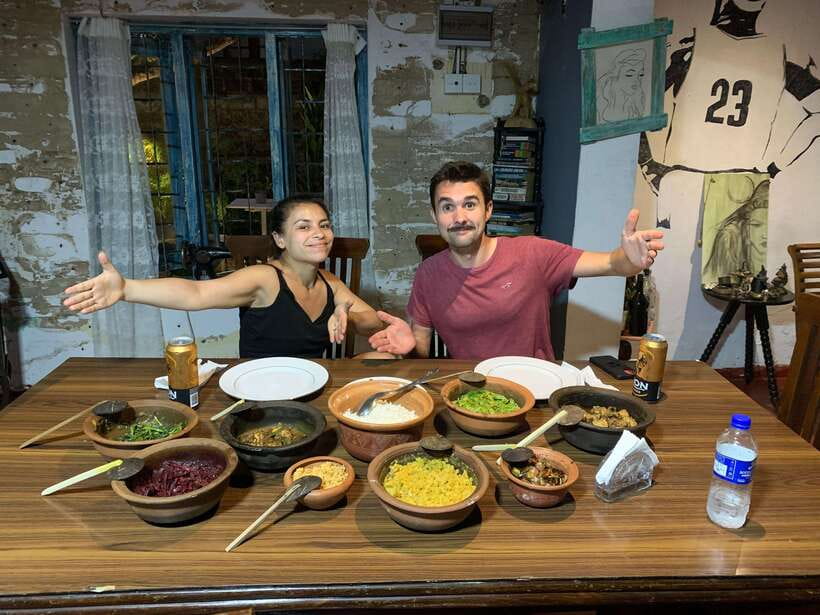
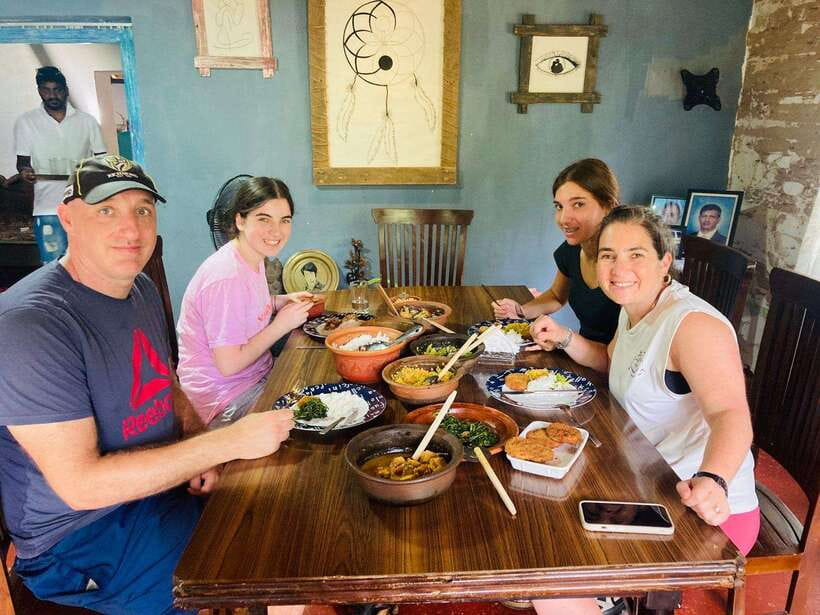
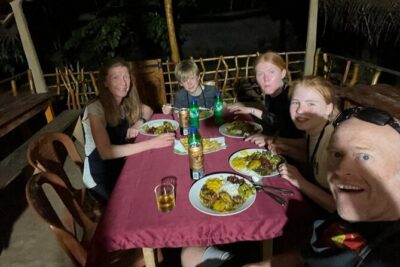
The meal is included, along with dessert, so the class ends around a shared table or eating area with the finished food. The best reason to arrive hungry is practical: the cooking produces a generous spread, and you will want room to try the results.
One particularly Sri Lankan finish is buffalo curd with treacle, which has been served after the meal. This is a simple but memorable dessert, and it gives the session a clear local character. Depending on your menu, other desserts may also be included.
You may also receive a welcome drink before cooking begins. Watermelon juice has been served to participants, though drinks can vary. These details make the session feel like a meal in someone’s home rather than a class that ends as soon as the stove is turned off.
The food has received the strongest praise attached to this activity. Several bookings describe the meal as a highlight of a Sri Lanka visit, and one group considered it the best food they had eaten during their trip. That is not a promise that every menu will suit every palate, but it does point to the central strength of the experience: you get to eat food prepared fresh for your group, with the host guiding the process.
Same base, a completely different kind of day out:
- Whales and Dolphins Watching-Luxury Super Grade Cruiser(Hotel Pick up offered)
★ 5.0 · 1,268 reviews - Galle: Traditional Gems & Jewellery Workshop with Transfers
★ 4.9 · 539 reviews - Galle Fort Walking tour
★ 4.9 · 285 reviews - Galle/Mirissa/Tangalle: Transfer to Ella & Yala Safari
★ 4.8 · 235 reviews
What the private format means
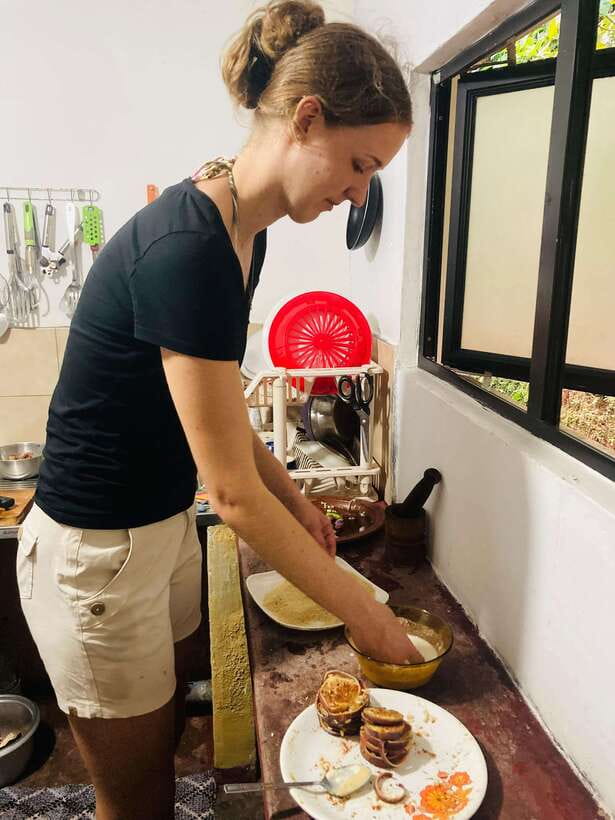
This is a private group activity, which changes the tone considerably. You do not have to compete with a large class for access to the cooking area, and you can ask questions that match your interests. A couple, family, or small group can set a comfortable pace within the three-hour window.
Private does not mean fully customized in every detail. The class still follows the host’s kitchen routine, and much of the cooking may be completed by the chef. If you want to perform every step yourself, ask about the level of participation before booking.
For most people, the private format is a good value at $40 per person. The price includes the instructor, ingredients, equipment, welcome drink, prepared lunch or dinner, and desserts. You are also paying for access to a family setting and for the time spent explaining food traditions, not just for a plate of curry.
The value is strongest if you would otherwise pay for a meal and a separate cultural activity. It is less compelling if your only goal is to learn a precise set of recipes through repeated practice. At $40, this is a reasonably priced food experience, but its real product is connection and participation rather than formal instruction.
Getting to Kotapola and planning your arrival
Hotel pickup and drop-off are not included. You need to make your own way to the meeting point in Kotapola, and this should be part of your planning before you commit to a start time.
The meeting instructions say a map is the easiest way to locate the place. If you have trouble, an English-speaking local can provide directions by phone. Arrive 15 minutes early, since a private home can be harder to identify than a hotel or restaurant entrance.
Wear comfortable clothing and shoes suitable for cooking. This is not the time for delicate clothes or shoes you need to keep spotless. Also tell the host about allergies and dietary restrictions in advance. Vegan cooking is possible by request, but it should be arranged before the session.
The activity lasts three hours, with starting times based on availability. You can book and pay later, and cancellation is free up to 24 hours before the activity for a full refund. Those terms help if your Sri Lanka plans are still shifting, but they do not remove the need to arrange your own transport to Kotapola.
Wheelchair access is listed as available. Since the activity takes place in a local home, I would still confirm any specific access needs before arrival, especially if you require details about entrances, kitchen layout, or seating.
Who will enjoy this class most
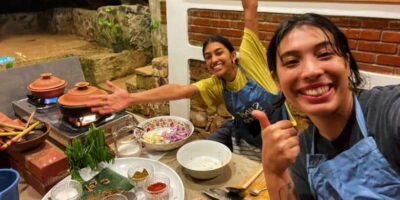
I would recommend this to anyone who sees food as a way to meet people. Couples, families, and small private groups should appreciate the relaxed setting and the chance to share the finished meal with the hosts.
It is also a good pick for vegetarians and vegans, provided you arrange the menu ahead of time. The vegan example included eight dishes, which shows that a plant-based request does not have to mean a reduced meal.
Food lovers will enjoy the spice lesson, while first-time visitors to Sri Lanka will get a useful introduction to local ingredients and customs. You do not need advanced cooking skills. The host leads the work, and you can take part at a level that feels comfortable.
I would be more cautious about recommending it to someone seeking a technical master class. You will not necessarily prepare each dish alone from beginning to end. The host may move quickly, and your role may involve assisting with chopping, shopping, adding spices, and other tasks while the main cooking is handled for you.
That is not a flaw, as long as you know what you are booking. The class is about sharing a family meal and learning how the food is made. It is not designed to turn you into a Sri Lankan chef in three hours.
Should you book the Kotapola cooking class?
Book it if you want a warm, food-centered meeting with a local family, especially if you value a home kitchen over a polished cooking school. The fresh ingredients, spice instruction, private format, and included meal give the $40 price solid value.
Go in expecting guided assistance, not complete control of every recipe. Arrive hungry, wear practical clothes, send dietary requests early, and allow extra thought for reaching Kotapola without hotel transport.
For a personal introduction to Sri Lankan food, this is an easy choice. For formal culinary training, choose a longer class that promises individual recipe work. Most people will find this experience memorable because the cooking and the welcome are served together.
FAQ
Where does the cooking class take place?
The class takes place in Kotapola, Sri Lanka, in a local family kitchen in the Galle area.
How long does the activity last?
The cooking session lasts three hours. Starting times depend on availability.
What is included in the $40 price?
The price includes a local culinary expert, cooking ingredients, equipment, a welcome drink, lunch or dinner with the prepared meal, and desserts.
Is the class private?
Yes. The activity is arranged as a private group experience.
Is the class taught in English?
Yes. The instructor and local directions are available in English.
Can I request vegan food or report an allergy?
Yes. You should notify the host about dietary restrictions or allergies in advance. Vegan menus have been prepared by request.
Is transportation included?
No. Hotel pickup and drop-off are not included. You need to reach the meeting point yourself, using a map or phone directions from an English-speaking local if needed.
Newly listed around Galle
- Private Day Tour: Yala National Park Safari Tour from Galle & Weligama★ 5.0 · 3 reviews
- Kanneliya Rain Forest Tour★ 5.0 · 10 reviews
- Dediyagala Village Tour(from Galle, Mirissa, Ahangama, Matara)★ 5.0 · 8 reviews
- Private Galle Day Trip from Colombo/ Negambo / Bentota★ 5.0 · 35 reviews
- Day Excursions to Galle Fort & Bentota from Colombo★ 4.5 · 20 reviews
- Galle Day Tour★ 5.0 · 8 reviews
- Galle Day Tour★ 5.0 · 15 reviews
- Galle Day Tour with River Safari, Tea Plantation & Sea Turtle★ 5.0 · 11 reviews
Cooking Classes, compared.
Organic cooking class sigiriya (kumara & family)
Read our review →
Sri Lankan Cooking Class with Neranji at Homestay
Read our review →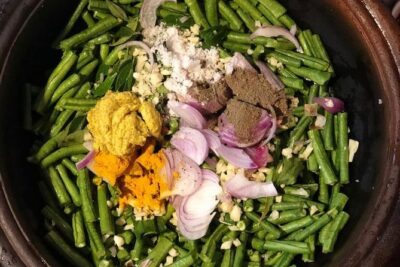
Browse the lists this tour appears in