
Reviewed · WORKSHOPS
Galle: Traditional Gems & Jewellery Workshop with Transfers
The most memorable part of this Galle-area experience is watching a piece of silver change shape in front of you. At Chandralal Jewelry Works, you can help melt, hammer, solder, smooth, set, and polish a piece under close guidance, then eat with the family who runs the workshop. The work is real, but the difficult steps remain in artisan hands.
I like the open pricing and the chance to examine local stones before choosing one. I also like the warm family setting, where tea, snacks, and a home-cooked meal make this feel like more than a standard craft demonstration. The main catch is that the advertised price covers the class, not the finished jewelry, and the session can run beyond four hours.
Key points to know before booking
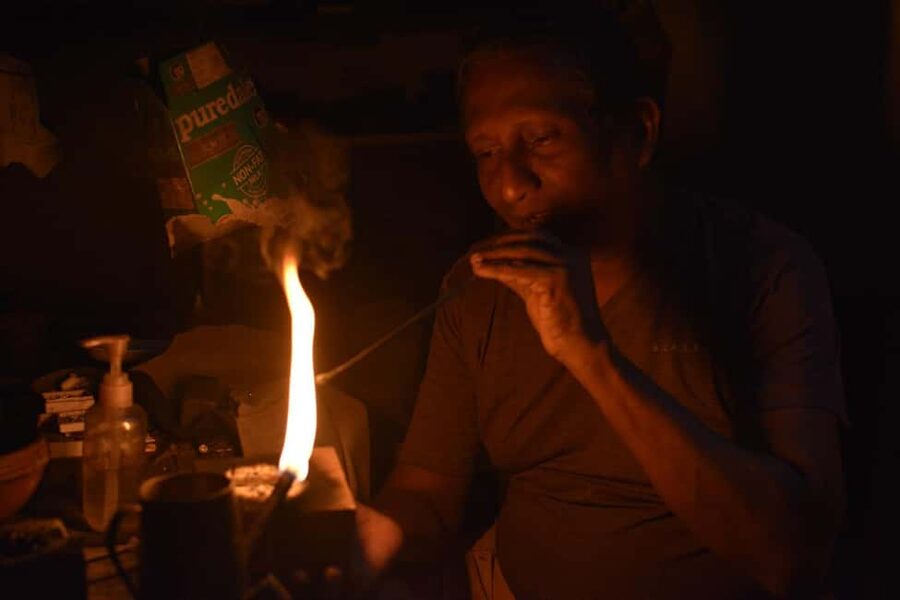
- You take part in the process: Try several stages of silver work, including hammering, shaping, heating, and polishing.
- The finished piece costs extra: You pay separately for the silver and gemstone used in a ring, pendant, bracelet, or earrings.
- Pricing is discussed before work begins: You can explain your budget and choose a simpler design or stone.
- The workshop is family-run: Tea, snacks, and lunch or dinner are part of the welcome.
- Transfers cover selected areas: Tuk tuk pickup and return are included within 12 kilometers of Galle, Galle Fort, Unawatuna, and Boossa.
- Plan on half a day: The stated duration is four hours, but a careful design or several pieces can take longer.
From Galle to a working jewelry home
The workshop is in Kotapola, outside central Galle, and pickup is provided from hotels in Galle, Galle Fort, Unawatuna, and Boossa within a 12-kilometer radius. The transport is by tuk tuk, both ways.
This detail matters more than it might at first seem. The workshop is held at the family property, not in a polished tourist showroom, and the approach can involve narrow lanes. If you have large bags, a tuk tuk may be awkward. One practical solution is to arrange a car to a nearby gas station and meet the owner there for the final stretch.
If you are outside the free pickup zone, update your meeting point to Galle Fort. If you are not sure where your accommodation will be, give the operator clear details when booking. Pickup messages are generally handled close to the activity date, so do not panic if you do not receive an immediate reply.
The small-group limit is 10 people. That gives the family room to guide each person, though your exact amount of hands-on work can depend on the size of the group and the design you choose.
More craft workshops around Galle:
- Galle : Traditional Jewellery making workshop
★ 4.9 · 34 reviews - Ahangama: Traditional Jewellery Making Workshop
★ 4.9 · 23 reviews - Kandy: Interactive Batik Workshop
★ 5.0 · 51 reviews
First lesson: choosing a real stone
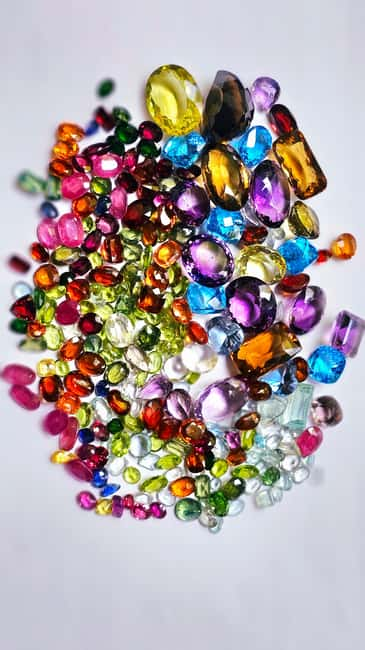
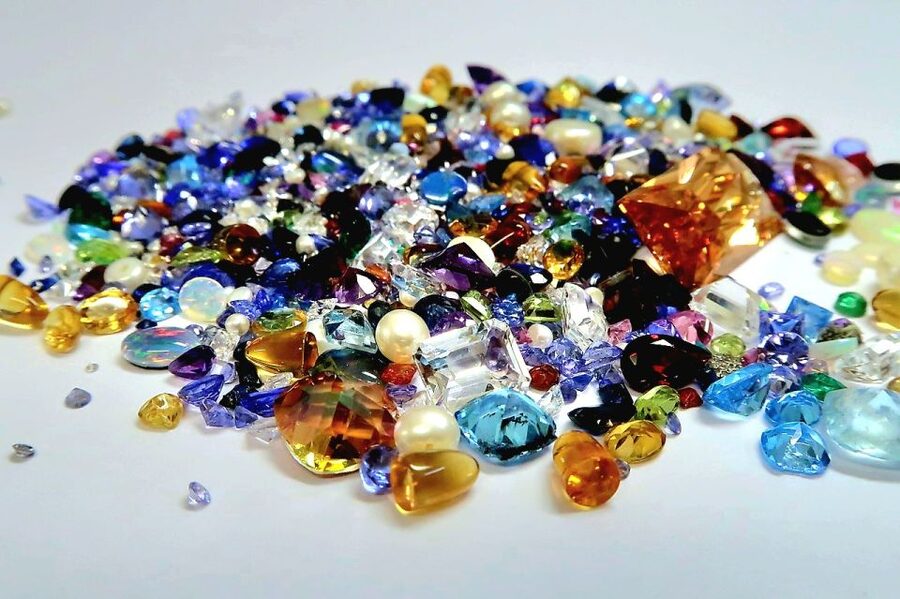
The session begins with an introduction to gemstones and the materials used in jewelry. You can touch and examine stones from local mines, look through rough moonstones and garnets, and learn how real stones differ from artificial ones.
This is one of the strongest reasons to book the workshop instead of simply buying jewelry in Galle. A shop can show you a finished ring, but here you get time to compare stones and ask why one costs more than another. The family can help you judge color, size, clarity, and the overall effect of a stone in a particular design.
You may see moonstones, garnets, tourmaline, blue topaz, green amethyst, and other precious or semi-precious stones. The available selection can vary, so treat the examples as possibilities rather than a guaranteed menu.
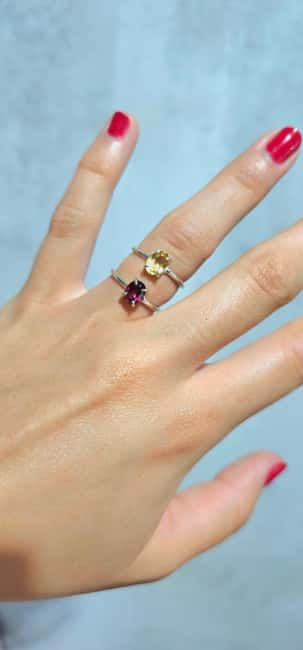
Give yourself time at this stage. It is easy to be drawn to the largest stone, but a smaller stone in a simple silver setting may make a more wearable souvenir. You can also choose a ring without a gemstone. One participant paid 12,000 Sri Lankan rupees for a plain silver ring, while another paid 17,000 rupees for a green amethyst ring. Those examples show why you should ask for the full price before choosing.
Designing a ring, pendant, bracelet, or earrings
Once you understand the stones and costs, you choose the type of jewelry. Rings are the most common choice, but the workshop can also produce pendants, bracelets, earrings, and other custom pieces.
You can select from existing designs or arrive with a rough idea. I recommend thinking about the design before pickup, even if you change your mind once you see the available stones. A clear idea helps when you are comparing widths, shapes, settings, and prices.
The design stage is also when you should state your budget. The family is described as clear and open about costs, and you can reduce the price by choosing less silver, a smaller stone, or a simpler pattern. You are not required to buy a finished piece. You can take the lesson, receive the included rough stones, and leave without ordering extra jewelry.
This makes the experience easier to recommend to people who are cautious about sales pressure. The finished object is optional, and the price of the activity does not force you to make an expensive purchase.
Heating, hammering, and shaping the silver
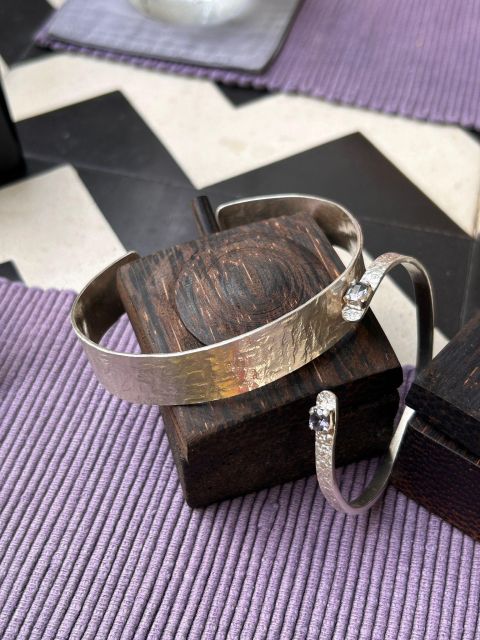
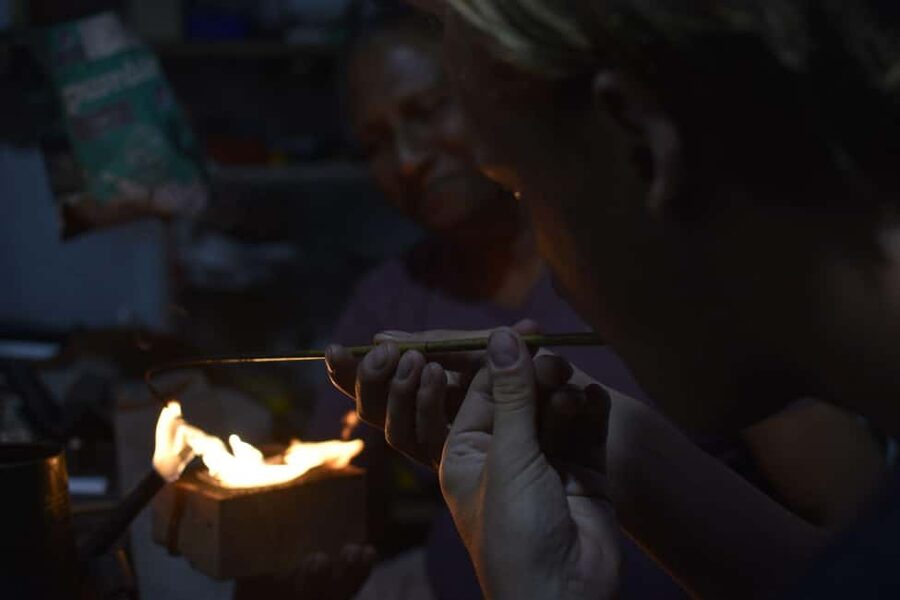
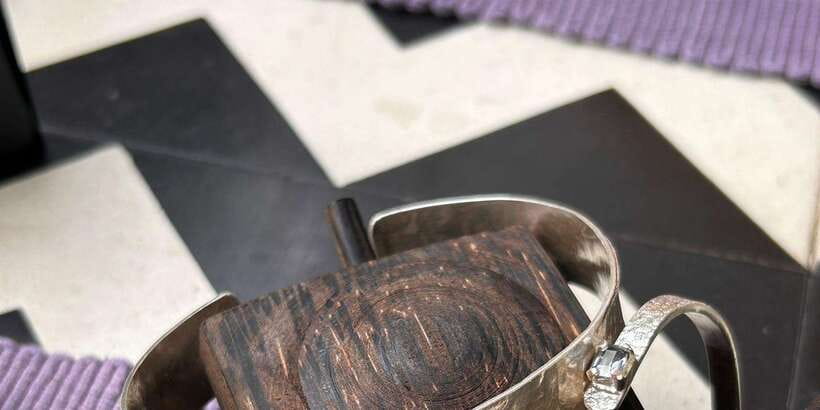
The traditional method is hands-on, but it is not a do-it-yourself class in the strict sense. You will not independently complete every technical stage. The artisans handle difficult or risky work, while you carry out a substantial part of the process under direction.
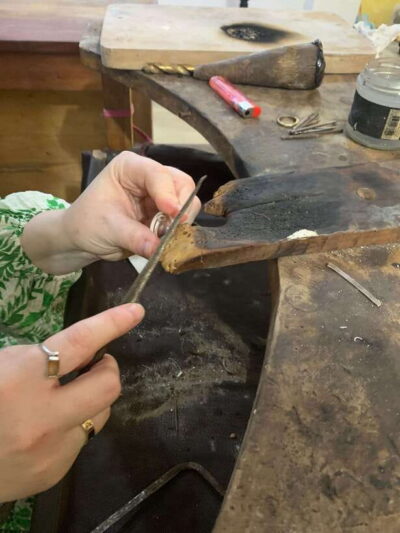
The work may include melting silver, gauging it, hammering it, flattening or shaping it, soldering parts together, adding texture, setting the stone, smoothing the surface, and polishing the finished item.
Several people describe the rhythm of the work as repeated heating, hammering, and refining. That is useful to know before booking. A ring does not appear after one quick demonstration. The silver must be adjusted many times, and small changes affect the final fit and appearance.
You might use a press, small hammer, heating tools, and polishing equipment, depending on the piece. Hasara, Sarah, Ashan, and Jo are among the people named in connection with guiding and making pieces. The exact person who helps you may depend on the day.
This is a good activity for anyone who likes making things slowly. It is less suitable if you want a quick souvenir or expect to perform every advanced step alone.
A few more Galle days worth a look
- Whales and Dolphins Watching-Luxury Super Grade Cruiser(Hotel Pick up offered)
★ 5.0 · 1,268 reviews - Sea waves sri lankan cooking class
★ 5.0 · 467 reviews - Galle Fort Walking tour
★ 4.9 · 285 reviews - Cook with Wasantha
★ 5.0 · 248 reviews
What you actually get to make
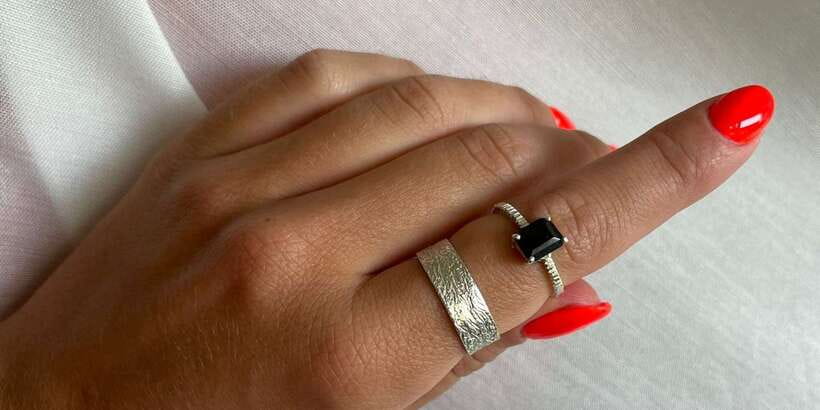
You get to try the individual stages, but the finished jewelry is made with professional help. That distinction is important. The activity is a working demonstration class with meaningful participation, not a course designed to train you as a jeweler in four hours.
You may hammer the silver, help form the band, add a texture, assist with polishing, or work on other manageable stages. The artisans take over when precision, heat, soldering, or stone setting calls for greater experience. This protects the piece and keeps the session safe.
The most satisfying part is seeing a flat or rough piece become something recognizable. A ring can begin as a strip of silver and gradually gain its curve, surface, setting, and shine. You are not simply watching a craftsperson produce a souvenir behind glass. You are involved enough to understand the labor in the final object.
If you want a very complicated design, allow extra time. One family made two rings, while another group created a bracelet and ring. More ambitious work can extend the session beyond the advertised four hours.
Tea, lunch, and a family welcome
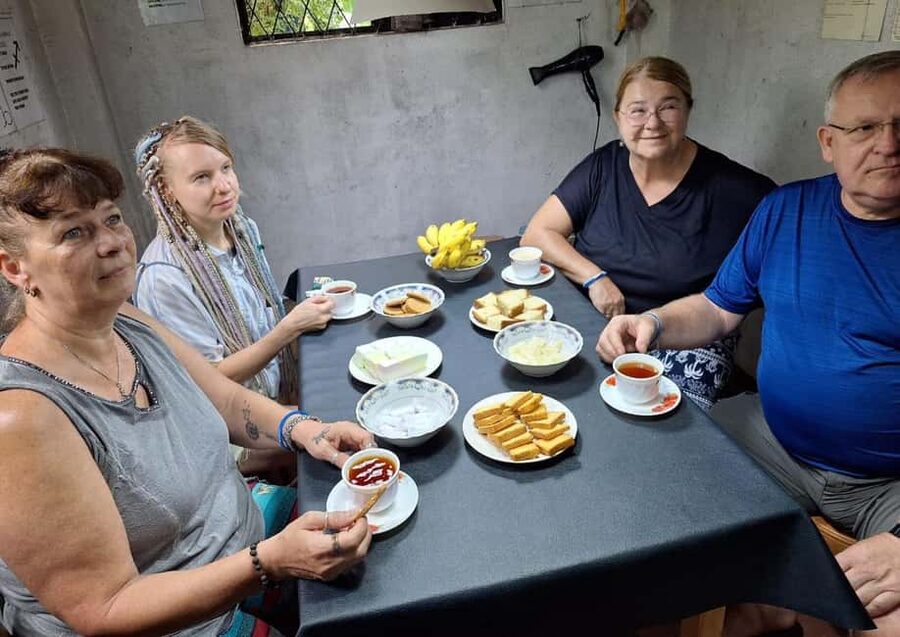
Tea, coffee, water, snacks, and a meal are included. Depending on the starting time, you receive lunch or dinner. The meal is served at the family home and is a meaningful part of the visit rather than a minor refreshment stop.
The food is repeatedly described as a strong part of the experience. You might sit in the family living area for tea and coffee, then share a home-cooked meal after the jewelry work. This gives the afternoon or evening a relaxed finish, especially after several hours of concentration.
The setting is informal. It can feel more personal than a commercial workshop, but it also means you should not expect a perfectly timed production line. The family may spend extra time helping with a design, explaining a stone, or making sure the finished piece is right.
Families with children can consider this activity, too. A nine-year-old took part and enjoyed the process, though younger children will need close supervision around tools and heat. The workshop is wheelchair accessible according to the activity information, but it is sensible to confirm any specific access needs in advance because the property is reached by tuk tuk and narrow lanes.
How much the finished jewelry can cost
The $13 activity fee is good value if you want transport, a meal, gemstone instruction, and a hands-on craft session. It is not the price of a silver ring.
You pay extra for the metal and gemstone in any piece you keep. The final amount depends on the design, weight of silver, stone, and level of detail. Examples include a plain silver ring for 12,000 Sri Lankan rupees, a green amethyst ring for 17,000 rupees, and a silver ring with tourmaline for about £50.
Use those figures only as guides. Prices can change, and your design may use different materials. Ask for a complete estimate before the artisans begin. The family can show you ways to stay within budget, and you can decide not to proceed with the purchase.
This is a better arrangement than a cheap-looking tour price followed by an unclear sales pitch. You know the class fee first, then the cost of the object you choose. If you want one meaningful souvenir from Sri Lanka, the extra payment can make sense because you helped shape the piece and saw how it was made.
Timing, comfort, and what to bring
The advertised duration is four hours, but the actual session can last longer. A simple ring may move at a steady pace, while two pieces or a detailed design can take much of the afternoon or evening.
Do not schedule an airport transfer, train, or tightly timed dinner immediately afterward. The workshop itself may take longer than expected, and tuk tuk transfers add travel time on both ends.
An evening start can be comfortable because the workshop is less hot. If you are sensitive to heat, ask about available start times and choose accordingly. Wear practical clothing and shoes you do not mind wearing during a craft session.
You may also want to bring:
- A design idea or a picture for reference
- Your ring size, if you know it
- A budget for the finished piece
- Extra time in your schedule
- Space in your luggage for a handmade souvenir
The operator speaks English, and an English-speaking host or greeter is provided. Instructions are intended to let you try the work rather than simply watch.
The included rough stones and final keepsake
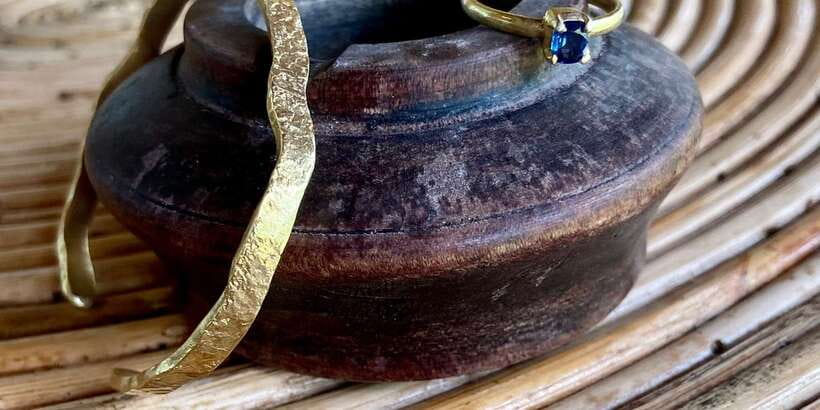
Rough moonstones and garnets are included, and you receive raw gemstones at the end of the experience. These are not the same as the polished stone set into a ring or pendant, so keep your expectations clear.
The free stones make a pleasant small reminder of the workshop. The larger souvenir is the piece you design and order, if you choose to buy one. Several people leave with rings, while others select earrings, pendants, bracelets, or multiple pieces.
A handmade item carries more meaning when you understand the work behind it. You will know which stone you selected, how the silver changed form, and which parts you attempted yourself. That makes this a stronger choice than a standard jewelry purchase if you value a personal connection to what you bring home.
Who should book this experience
I would choose this workshop if you want a local family setting, enjoy practical activities, and like the idea of learning a craft while on holiday. It is particularly good for couples who want matching rings, families seeking a slower half-day activity, and anyone looking for a personal souvenir from Sri Lanka.
It also suits people who want to learn about stones before buying them. The lesson gives you useful context and lets you compare choices with help nearby.
I would think twice if you dislike flexible timing, do not want to pay extra for a finished piece, or expect to complete every stage alone. The work is guided, and difficult steps remain with the artisans. You also need patience, since shaping and finishing silver takes time.
The experience has free cancellation up to 24 hours before the start, and you can reserve now and pay later. Those policies are helpful if your Galle plans are still changing.
Should you book the Chandralal workshop?
Book it if you want more than a quick jewelry demonstration. The strongest parts are the chance to handle stones, the transparent discussion of cost, the real participation in silver work, and the meal at a welcoming family home.
Before you go, set a jewelry budget, leave at least half a day open, and confirm your pickup point. Remember that the $13 price covers the experience, not the silver or stone in your final piece.
If you want a polished ring made with your input and a story attached to it, this is a strong choice near Galle. If you only want a low-cost activity with no extra purchase, you can still attend, learn the process, and take the included rough stones, but the full appeal comes from creating a piece you choose to keep.
FAQ
Where does the jewelry workshop take place?
The workshop takes place in Kotapola, Sri Lanka, at the family property connected with Chandralal Jewelry Works.
Is pickup included from Galle?
Yes. Private tuk tuk pickup and return are included within a 12-kilometer radius of Galle, Galle Fort, Unawatuna, and Boossa.
How long does the activity last?
The stated duration is four hours, but it can take longer depending on your design and how long you spend on each step.
Is the finished jewelry included in the activity price?
No. The activity price covers the lesson and included services. You pay separately for the silver and gemstone used in any jewelry you decide to keep.
Can I choose my own gemstone and design?
Yes. You can examine different stones and choose from available designs or discuss a custom piece, including a ring, pendant, bracelet, or earrings.
Is food included?
Yes. Water, tea, coffee, snacks, and either lunch or dinner are included, depending on the timing of your session.
Can I participate in every stage of making the jewelry?
You can try many stages, including shaping, hammering, smoothing, and polishing. The artisans handle difficult steps and guide you through the work, so you will not complete every technical stage alone.
Newly listed around Galle
- Private Day Tour: Yala National Park Safari Tour from Galle & Weligama★ 5.0 · 3 reviews
- Kanneliya Rain Forest Tour★ 5.0 · 10 reviews
- Dediyagala Village Tour(from Galle, Mirissa, Ahangama, Matara)★ 5.0 · 8 reviews
- Private Galle Day Trip from Colombo/ Negambo / Bentota★ 5.0 · 35 reviews
- Day Excursions to Galle Fort & Bentota from Colombo★ 4.5 · 20 reviews
- Galle Day Tour★ 5.0 · 8 reviews
- Galle Day Tour★ 5.0 · 15 reviews
- Galle Day Tour with River Safari, Tea Plantation & Sea Turtle★ 5.0 · 11 reviews
Workshops, compared.
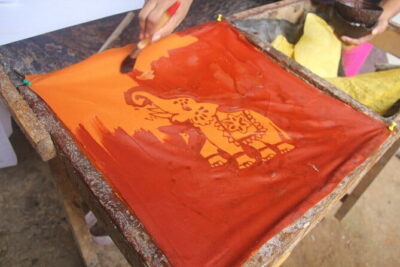
Interactive Batik Workshop and Lessons in Sri Lanka
Read our review →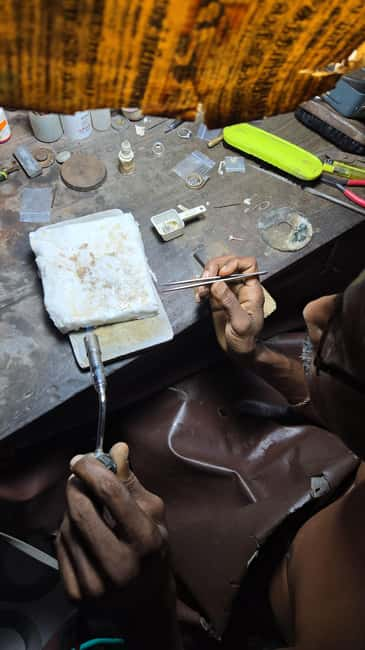
Jewelry Workshop Experience 3-6 Hours-Free Jewelry
Read our review →Browse the lists this tour appears in