
Reviewed · COOKING CLASSES
Organic cooking class sigiriya (kumara & family)
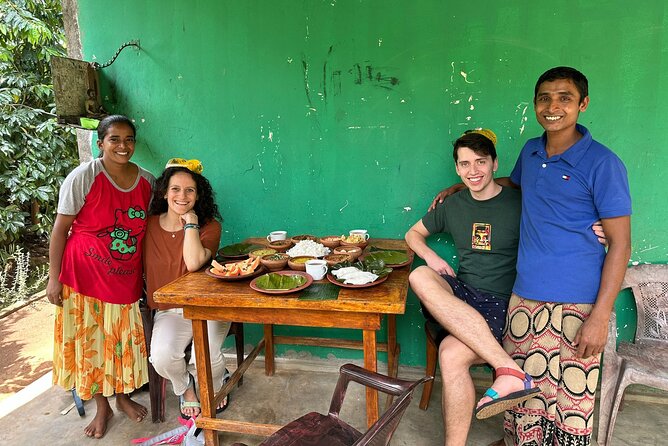
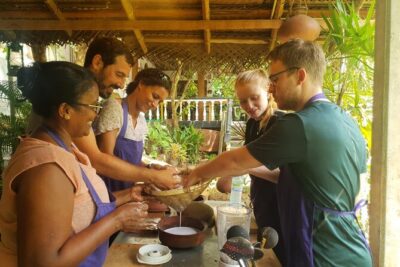
The best part of this Sigiriya cooking class happens before the first pot reaches the fire. Kumara takes you through his family garden, where many of the vegetables, herbs, and spices used that evening are grown. You then cook beside Kumara, his wife Thanuja, and other family members before sitting down to eat the finished meal.
I like the farm-to-table setting and the chance to learn how Sri Lankan spices are prepared in a traditional way. I also like that this is not just a quick demonstration. You help cut, grind, season, and cook several dishes, including curries, sambal, string hoppers, and dessert. The main thing to check is the group arrangement: the experience is described as private, but some bookings have included a shared group of about 10 people.
Key points at a glance
- Kumara’s organic garden: Begin with a walk among the vegetables, herbs, fruits, and plants used in the meal.
- A full Sri Lankan dinner: Help prepare several curries, sambal, rice or accompaniments, string hoppers, and dessert.
- Cooking over a traditional fire: The family uses a simple outdoor kitchen and several wood-fired cooking stations.
- Food with a local purpose: Kumara explains spices, medicinal plants, Ayurvedic eating, and the health uses of certain ingredients.
- A family-hosted meal: After cooking, you learn how the table is arranged and eat together at the home.
- Good value at $28: For roughly two and a half hours, the price includes the lesson, meal, bottled water, and herbal tea.
Starting in Kumara’s organic garden
The class begins at Organic Cooking Class Sigiriya, at 284 Kahatagahayaya, Kalapuraya, Sigiriya 21120. This is a family home outside the busiest tourist spots, so do not expect a polished restaurant kitchen or a formal culinary school. The setting is part of the appeal.
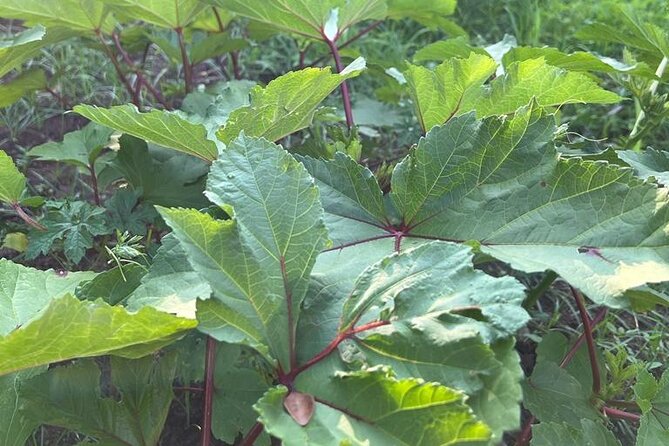
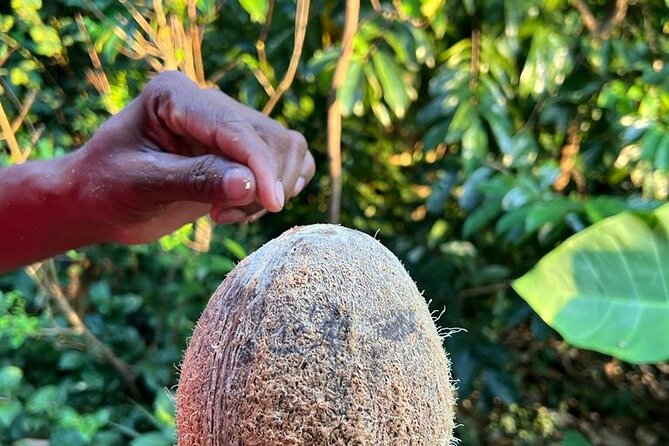
Kumara introduces the plants and ingredients growing around the home. You might see vegetables, herbs, fruits, and spices that later appear in the cooking area. The garden walk gives you a clearer idea of how much work goes into a Sri Lankan meal before cooking even starts.
This section is especially useful if you are curious about spices beyond the packets found in a supermarket. Kumara explains how ingredients are prepared, which quantities are needed, and how some plants are used in traditional or Ayurvedic food practices. The focus is not only on taste. It is also on how local families use plants in daily cooking and home remedies.
The word organic is central to the experience. The family grows the garden produce used for the class, and the meal is presented as organic and homegrown. Still, you should treat this as a family cooking experience rather than a formal certification claim. The attraction is seeing the garden and learning directly from the people who grow and cook the food.
More Cooking Classes in Sigiriya
- Sajee’s Place Cooking Class
★ 5.0 · 237 reviews - Cooking Class: Sajee’s Place Cooking Class sigiriya
★ 5.0 · 117 reviews - Organic Cooking Class sigiriya home Kitchen(Kumara & family)
★ 5.0 · 116 reviews
Preparing spices the traditional way
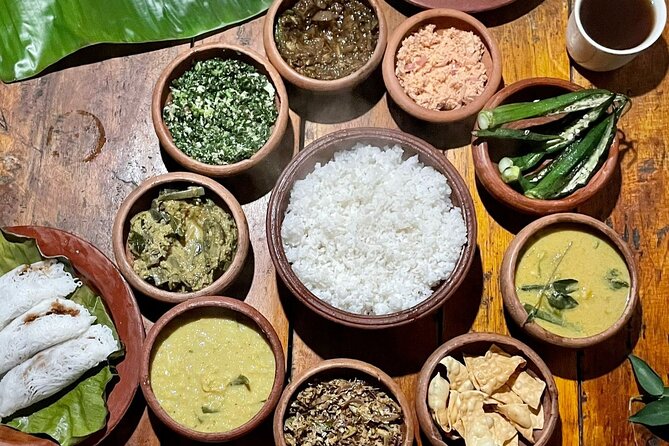
Sri Lankan cooking often looks simple on the plate, but the flavor comes from careful preparation. During the class, you are introduced to the spices and shown how they are prepared in a traditional manner. You also learn how ingredients are cleaned, cut, measured, and combined for each dish.
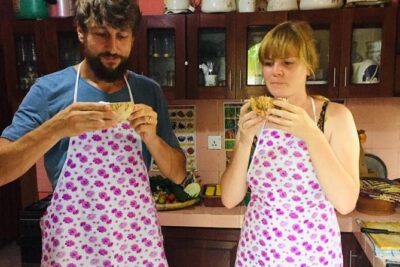
That hands-on work matters. A cooking demonstration can show you what a dish looks like, but it does not always teach you how the ingredients feel at each stage. Here, you may be assigned small tasks alongside the family and other people in the group. You could be preparing vegetables, working with spices, or helping assemble the dishes before they reach the fire.
Kumara leads the cooking, while Thanuja and his sister also help in the kitchen. The family’s role is important because the class is built around their everyday cooking knowledge, not a performance designed for a large restaurant. Kumara speaks English well enough to explain the ingredients and methods, according to the experience details, though the exact amount of instruction may depend on the group.
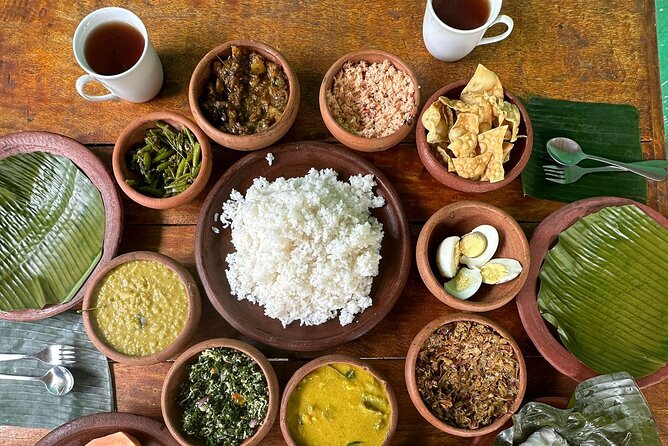
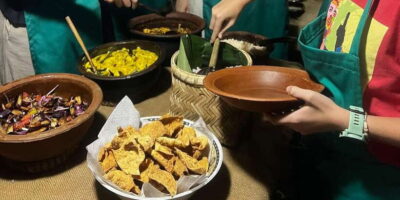
Some of the dishes reported from the class include dhal curry, aubergine curry, pumpkin curry, sweet potato curry, sambal, coconut roti, rice, and string hoppers. The menu can vary, so you should not expect every one of these items at every session. The common thread is a broad plant-based Sri Lankan meal rather than one main dish.
Cooking several curries over a wood fire
The cooking area is a traditional outdoor kitchen with simple equipment and several wood-fired cooking stations. That gives the lesson a strong sense of place, but it also means you should be ready for heat, smoke, and a less controlled setup than you would find in a modern cooking studio.
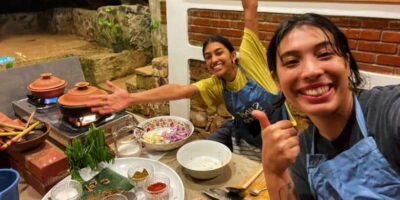
I see this as a plus for anyone who wants to understand how these meals are made in a family setting. You are not simply watching Kumara cook. You help prepare the dinner, receive tips as you work, and see how separate dishes are managed at the same time.
Sri Lankan meals are built around contrast. A mild dhal can sit beside a richer vegetable curry, a sharp sambal, and a sweet or coconut-based accompaniment. The class gives you a practical sense of how several small dishes become a complete dinner.
The food is largely plant based, which makes this a strong choice for vegetarians and anyone interested in vegan Sri Lankan cooking. However, the supplied details do not promise a fully vegan menu every time, so mention dietary needs when booking. The family can then tell you what will be prepared for your session.
Do not expect restaurant-style precision. The charm comes from working with a family that cooks with familiar tools and methods. If you want exact measurements, professional workstations, and a printed curriculum, this may feel informal. If you want to learn how a home-cooked meal comes together, the informality is the point.
Learning how a Sri Lankan table is arranged
Once the food is ready, the class shifts from kitchen work to the dining table. The family shows you how a traditional Sri Lankan meal is arranged before you sit down to eat what you have prepared.
This is a small but worthwhile part of the experience. Food is not only about recipes. The order of dishes, the way accompaniments are placed, and the act of sharing a large meal all help explain how the cuisine is enjoyed at home.
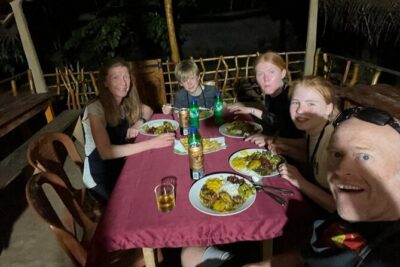
Expect several dishes rather than one plated course. You may find curry, sambal, string hoppers, rice, and dessert served as part of the same meal. The result is generous and varied, and it gives you a better idea of how Sri Lankan households balance spice, texture, and sweetness.
The included meal adds real value to the $28 price. You receive a cooking lesson and a substantial dinner in one visit, along with bottled water and herbal tea as described. One practical note is worth keeping in mind: a booking account says that bottled water was not always supplied, even though bottled water is listed as included. I would bring your own bottle, especially in Sigiriya’s warm climate.
Same base, a completely different kind of day out:
- From Sigiriya: Minneriya National Park Private Jeep Safari
★ 4.9 · 415 reviews - From Sigiriya: Minneriya National Park Elephant Safari
★ 4.8 · 365 reviews - Private Jeep Safari at Minneriya National Park to Visit Elephants
★ 5.0 · 338 reviews - Minneriya National Park halfday Safari
★ 5.0 · 293 reviews
What makes the family setting worthwhile
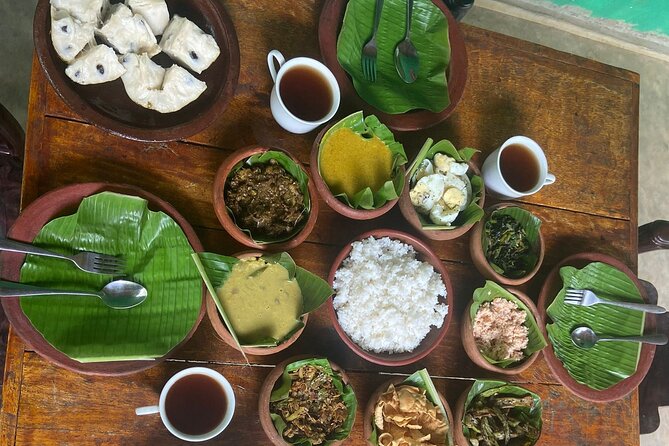
Kumara and Thanuja are the main reason this feels different from a standard cooking class. The setting is their home, the produce comes from their garden, and the cooking is shared with members of the family.
You may receive more than recipe instruction. Kumara talks about the garden, the uses of herbs, the effort involved in growing food, and the family’s approach to organic cooking. That gives the meal a human side that a commercial class can miss.
The atmosphere also seems suited to people who enjoy meeting others. Although the activity is advertised as private, at least one account describes a couple joining a group of 10 others. A larger group can bring laughter and conversation, but it may also mean less one-on-one attention at the cooking stations.
This is why I would confirm the group size before paying if privacy matters to you. Ask whether your booking is exclusive or shared, and ask whether transport is included or needs to be arranged separately. Some bookings have had a tuk-tuk pickup and return, but that is not clearly listed as a standard inclusion.
How much time to allow in Sigiriya
The stated duration is about two hours and 30 minutes, though another description says the full activity took about three hours. Allow at least three hours so you are not rushing to a temple visit, safari, or evening transfer afterward.
The class starts and ends at the same family home. It is not a sightseeing tour of Sigiriya, and no entrance ticket to Sigiriya Rock is included. Plan it as an evening food activity that fits around your main archaeological or wildlife plans.
The meeting address is in Kalapuraya, Sigiriya. Because this is a home rather than a large public attraction, make sure you have the exact location and a working contact number before setting out. WhatsApp contact is used for booking and further information.
The activity requires good weather. If poor weather forces cancellation, you are offered another date or a full refund. You can also cancel for a full refund if you do so at least 24 hours before the start time. Changes or cancellations inside that window are not accepted.
Is $28 good value?
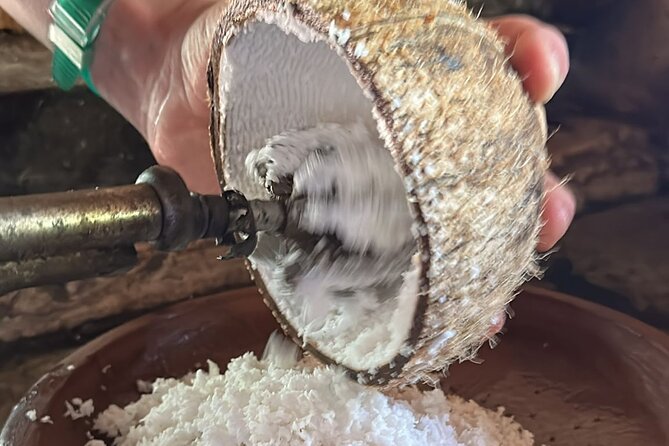
At $28, this is good value if you want a meal, a lesson, and a local family encounter in one package. You are not paying only for a plate of food. The price covers the garden visit, ingredient introduction, cooking instruction, participation in a multi-dish dinner, table setting, and the meal itself.
The value is strongest for people who plan to cook Sri Lankan food after returning home. You learn how the family handles vegetables and spices, and recipes may be sent to you after the class. That makes the experience more useful than a meal that disappears as soon as you leave the table.
It is also a reasonable choice if you have limited time in Sigiriya. In one short session, you see how ingredients are grown, how spices are used, how food is cooked over a fire, and how dinner is served at home.
The price is less attractive if you are looking for a polished, private culinary workshop with individual attention. Confirm the group size and the transport arrangement before booking. Also bring water, wear clothes suitable for cooking, and expect a working home kitchen rather than an air-conditioned studio.
Who should book this class?
I would recommend it to anyone who wants plant-based Sri Lankan food, practical cooking advice, and a friendly family setting. It is a particularly good match for couples, solo visitors who enjoy group activities, and people who want a break from restaurant meals.
Families may also enjoy it, provided children are comfortable around cooking fires and outdoor kitchen equipment. The provided information does not state an age limit, so check with the family before booking with young children.
This class suits curious eaters more than perfectionists. You will likely learn by doing, sharing tasks, and following the family’s lead. That can be more memorable than a rigid step-by-step class, but it also means the pace and amount of instruction may vary.
It is less suitable if you need a guaranteed private session, a fixed menu, formal accessibility information, or a fully detailed schedule. None of those points is clearly specified. Ask direct questions through WhatsApp before confirming.
Should you book Organic Cooking Class Sigiriya?
Yes, if you want a warm, hands-on introduction to Sri Lankan home cooking and like the idea of visiting an organic family garden. The strongest features are the homegrown ingredients, the range of dishes, the outdoor fire cooking, and the chance to eat together after doing the work.
Before booking, confirm three things: the exact menu, the group size, and whether pickup from your accommodation is included. Bring bottled water even though it is listed as provided, and allow closer to three hours than two and a half.
For a modest price, you get far more than a curry lesson. You get a look at the family garden, an explanation of local ingredients, practical time in the kitchen, and a homemade Sri Lankan dinner. If that sounds better than a polished tourist show, this is a strong choice in Sigiriya.
FAQ
Where does the cooking class take place?
The class takes place at Organic Cooking Class Sigiriya, 284 Kahatagahayaya, Kalapuraya, Sigiriya 21120, Sri Lanka.
How long does the experience last?
The stated duration is about two hours and 30 minutes. One description indicates that the full activity can take about three hours, so allow extra time.
What food will I prepare?
The class teaches a traditional Sri Lankan meal with several dishes. Examples include dhal, aubergine, pumpkin, or sweet potato curry, sambal, coconut roti, rice, string hoppers, and dessert. The exact menu may vary.
Is the food organic?
The family grows the garden vegetables, herbs, fruits, and spices used for the cooking class. The experience is presented as an organic, homegrown cooking activity.
Is the class private?
It is described as a private workshop, but group arrangements may vary. One account describes a shared group of about 10 other people, so confirm whether your session will be exclusive before booking.
Is bottled water included?
Bottled water and herbal tea are listed as included. Since one account indicates that bottled water was not always available, bringing your own bottle is a sensible precaution.
Can I cancel for a refund?
Yes. You can cancel at least 24 hours before the start time for a full refund. Cancellations or changes made less than 24 hours before the activity are not accepted. If poor weather causes the class to be canceled, you are offered another date or a full refund.
Newly listed around Sigiriya
- Malee Cookery Lessons★ 5.0 · 26 reviews
- Private Safari Tours in Minneriya National Park★ 5.0 · 18 reviews
- Night Hike to see Elusive & Rare Loris in Sigiriya★ 4.5 · 43 reviews
- Organic Cooking Class Sigiriya TASTY TASKS★ 5.0 · 17 reviews
- Sigiriya Entrance Ticket with Guided Tour★ 4.5 · 13 reviews
- From Sigiriya to Kandy Transfer by Private Comfortable Car★ 5.0 · 13 reviews
- Sigiriya and Dambulla Day Tour from Kandy★ 5.0 · 6 reviews
- Sigiriya Cycle Tour: Explore Village Life in Sigiriya & Enjoy a Village Lunch★ 5.0 · 3 reviews
Cooking Classes, compared.
Sri Lankan Cooking Class with Neranji at Homestay
Read our review →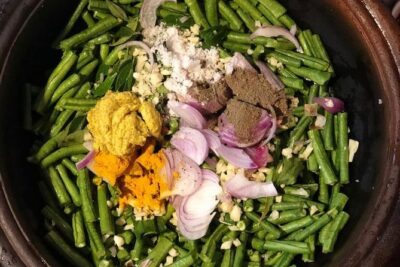
Browse the lists this tour appears in