
Reviewed · COOKING CLASSES
Ella: Sri Lankan Cooking Class with Neranji at Homestay
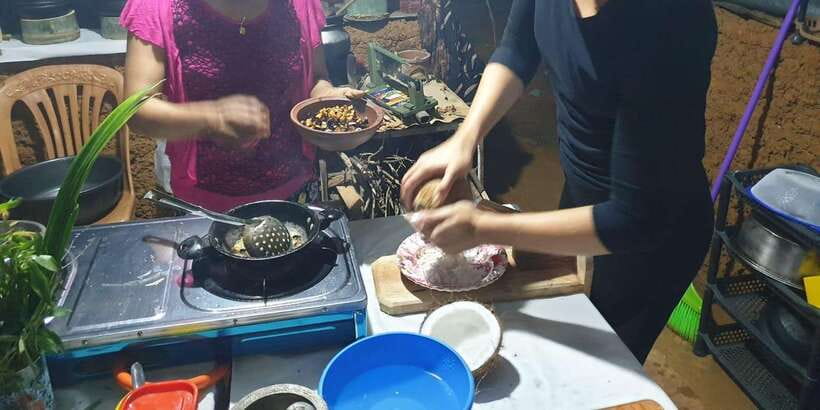
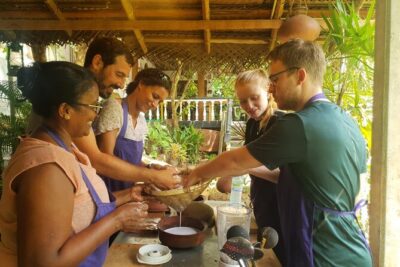
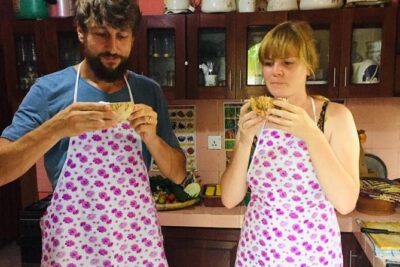
The best part of this Ella cooking class is that you do not simply watch someone make curry. You work with Neranji in her home kitchen, learning how to clean rice, make coconut milk, balance spices, and prepare several dishes before sitting down to eat. I like the hands-on format and the chance to learn old Sri Lankan methods that are hard to pick up in a restaurant.
I also like the choice of dishes. You might make dhal, pumpkin curry, beans, fish, chicken, eggplant salad, carrot sambol, or coconut roti. The main consideration is that transport is not included, and the group may feel less intimate if the class fills up. People with food allergies should also avoid this activity.
Key points at a glance
- Home kitchen setting: Cook with Neranji at her family homestay in Ella rather than in a formal cooking school.
- Real participation: You chop, mix, prepare, and cook instead of only watching a demonstration.
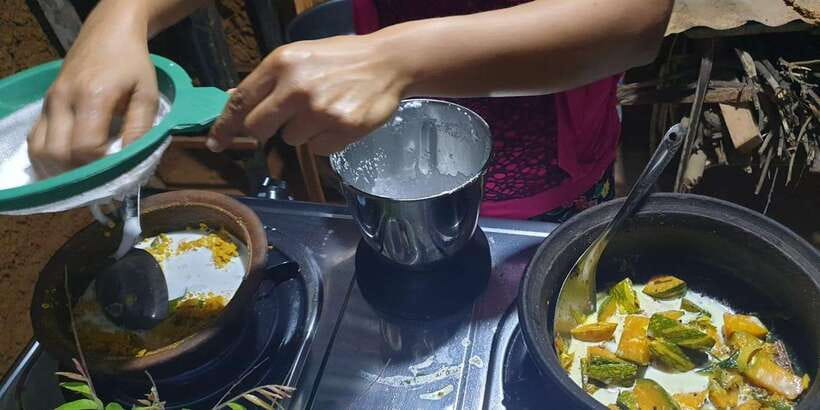
- Useful local techniques: Learn how to make coconut milk from scratch and how traditional tools and methods work.
- Flexible menu: Choose from familiar curries and salads, or request special dishes such as jackfruit, banana flower, mango, or sweet onion curry.
- Recipes and spices included: Take home recipes for the dishes you prepare, plus selected spices and ingredients.
- Strong value: At $19 per person for two to three hours, the class includes instruction, a full meal, recipes, and cooking supplies to continue at home.
Cooking Sri Lankan food inside Neranji’s home
Ella has plenty of ways to fill an afternoon, but food gives you a more personal connection to the town. At Neranji’s homestay, the focus is not just on eating Sri Lankan food. It is on understanding how the meal comes together.
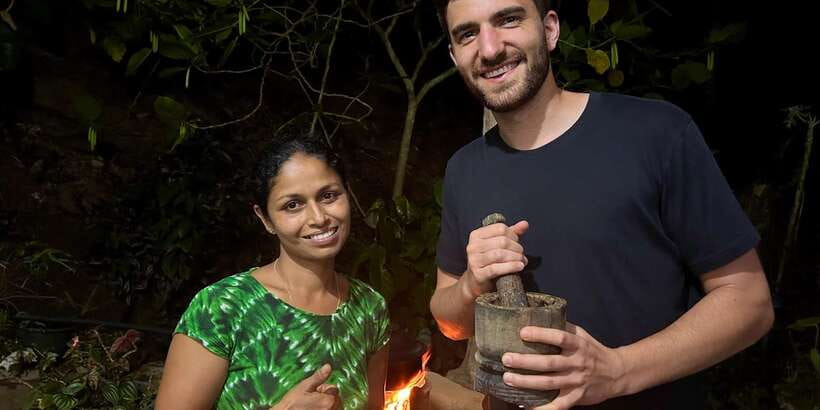
Neranji leads the class in English and Singhalese. She explains each stage clearly, then brings you into the process. That matters because Sri Lankan cooking often depends on small decisions: how finely you cut an onion, when you add a spice, how you handle coconut, and how long you cook a curry before adding the next ingredient.
You can expect a relaxed class lasting about two to three hours. The exact rhythm depends on the dishes selected and the size of the group. Some sessions finish in a little over two hours, while others stretch longer as everyone prepares and eats the meal.
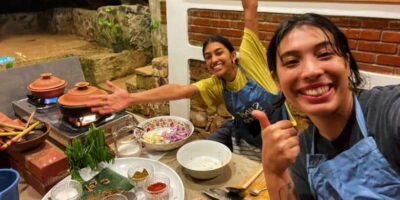
The setting is part of the appeal. You are in a family kitchen, with a local host who enjoys sharing her food and culture. Some sessions take place in an outdoor kitchen with views from the cooking area. This is less polished than a hotel cooking studio, but that is also the point. You see a working Sri Lankan kitchen and learn methods used in ordinary home cooking.
More Cooking Classes in Ella
- Ella: Traditional Sri Lankan Cooking Class
★ 4.9 · 788 reviews - Ella : Cooking class with amazing Spice Garden Tour
★ 5.0 · 239 reviews - Ella Sri Lanka : Mom’s Kitchen Cooking class
★ 5.0 · 113 reviews
From rice and coconut milk to a full plate
The class usually begins with an introduction to the ingredients and the menu. This is a useful moment to tell Neranji about your spice preference and to confirm which dishes you want to prepare.
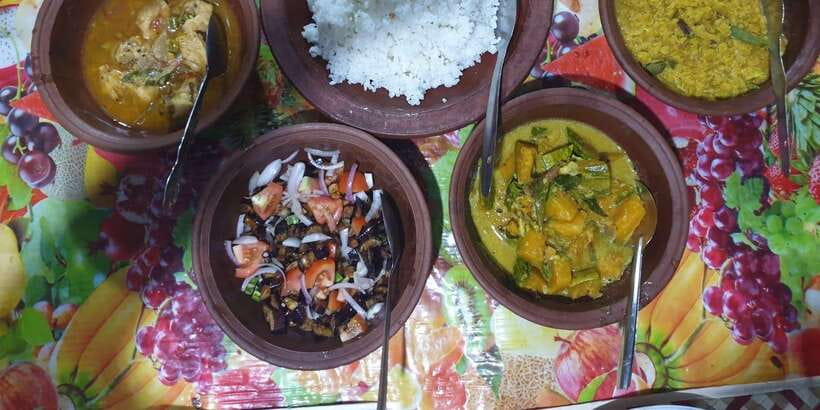
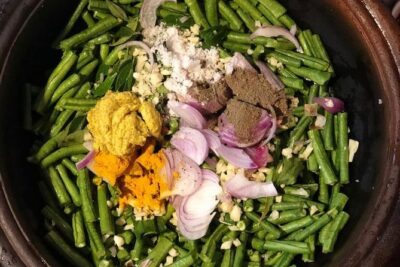
The menu can include several curries, a salad or sambol, papadom, and roti. Common choices include potato, dhal, pumpkin, beans, fish, or chicken curry. You might also prepare eggplant salad, carrot sambol, coconut sambol, or coconut roti.
A typical session gives you more than one finished dish, so you can see how a Sri Lankan meal balances textures and flavors. One curry may be creamy and mild, another hotter or more heavily spiced, while a sambol adds freshness and sharpness. That variety helps you understand why Sri Lankan food is usually served as a collection of dishes rather than one large stew.
The preparation techniques are just as valuable as the recipes. Neranji may show you how to clean rice, use traditional kitchen tools, and make coconut milk from fresh coconut. These steps take longer than opening a can or using a ready-made spice paste, but they explain the taste and texture of the finished food.
You also learn how older cooking methods work alongside modern kitchen equipment. That makes the class practical for home cooks. You can try the traditional version in Sri Lanka, then adapt it to the tools and ingredients available in your own kitchen.
Choosing between familiar curries and special dishes
The standard menu is a good fit if you want a broad introduction to Sri Lankan food. Dhal, potato curry, pumpkin curry, beans, eggplant salad, and coconut sambol are all approachable choices for a first class. They also use ingredients you may be able to find in supermarkets outside Sri Lanka.
If you want something less common, Neranji can prepare special dishes such as banana flower curry, jackfruit curry, sweet onion curry, mango curry, or coconut roti. You need to request one of these in advance, or at least 24 hours before the class, because the ingredients must be arranged.
That advance notice is important. Do not arrive expecting every special dish to be available on the day. If you already know that jackfruit or banana flower is your priority, contact the provider before booking or include the request at booking time.
Coconut roti is a particularly useful choice for people who want a simple recipe to repeat at home. It is hands-on, satisfying, and less dependent on having a large collection of spices. Curries take more preparation, but they give you a better sense of how Sri Lankan meals are built.
Vegetarians and vegans are welcome, according to the information provided for the class. You should still confirm your menu when booking, especially if you have strict dietary needs. People with food allergies are advised not to take part.
The meal at the end is part of the lesson
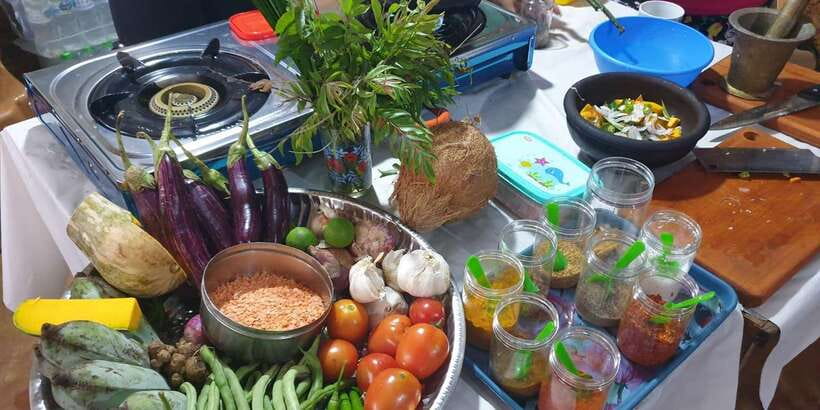
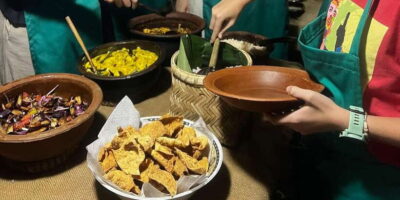
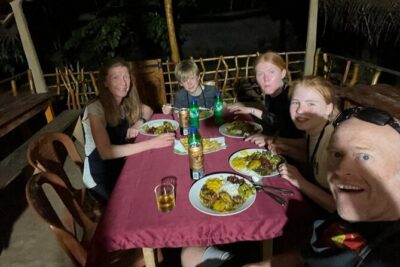
After the cooking, everyone sits down to eat what the group has prepared. This is not a token tasting. Several dishes are made, and the meal can be substantial enough to serve as lunch or dinner.
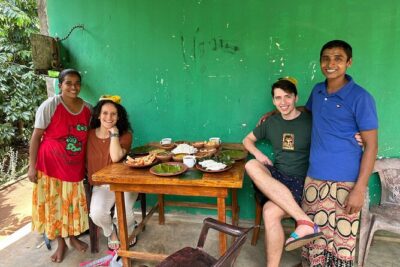
The final meal also gives you time to talk with Neranji and the other people in the class. Depending on the group, you may meet visitors from several countries and compare notes about the dishes you have just prepared. That social part works well because the cooking gives everyone an easy subject to discuss.
The food is often the high point of the session, but the real value is knowing why it tastes the way it does. You can ask how to change the heat, which ingredient can replace a hard-to-find spice, or how to adjust a recipe for a Western supermarket.
The class is not aimed only at experienced cooks. Neranji’s teaching style is described as patient and clear, and beginners are involved at each stage. You will not need to arrive with advanced knife skills or a background in South Asian cooking.
Same base, a completely different kind of day out:
- Ella: Drop to Tangalle/Hiriketiya/Mirissa/Galle & Yala Tour
★ 4.9 · 518 reviews - Ella: Little Adam’s Peak, Nine Arches Bridge & Waterfalls
★ 4.9 · 402 reviews - ELLA: Drop to Tangalle/Hiriketiya/Mirissa/Galle & Yala Tour
★ 4.1 · 336 reviews - From Ella: Drop to Tangalle/Hiriketiya/Mirissa & Yala Safari
★ 4.8 · 296 reviews
What the class teaches beyond recipes
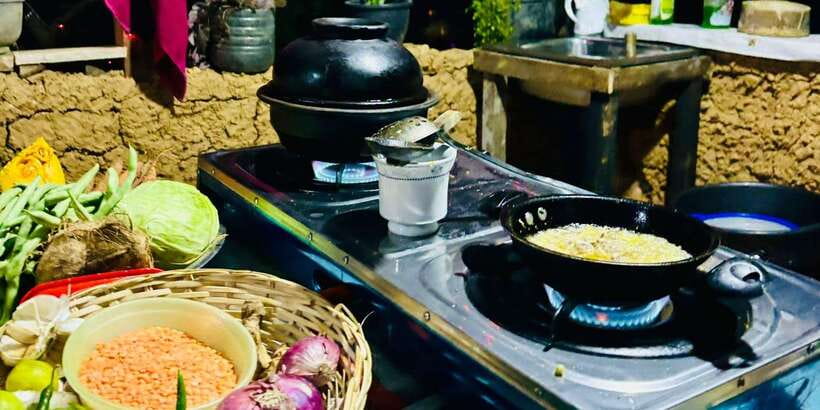
A recipe alone does not always explain Sri Lankan cooking. The class helps you understand the logic behind the food.
You learn how spices are used, how coconut changes a curry, and how fresh ingredients affect the result. You also get a glimpse of how traditional cooking techniques fit into family life. This is more useful than simply receiving a printed list of ingredients.
Neranji can also explain substitutions for ingredients that may be difficult to find outside Sri Lanka. That makes the recipes more realistic to use after your trip. Ask about these substitutions during the class, while the ingredients are in front of you.
The included recipes cover the dishes prepared during your session. Selected spices and ingredients are also provided to take home. Check current airline and customs rules before packing food products for your return journey, since those rules vary by destination.
The class is also a way to support a female-run local business and a family homestay. You are paying for instruction and food, but your money also stays closer to the community than it would with a large commercial food tour.
Timing, group size, and getting there
The duration is listed as two to three hours, and starting times depend on availability. A morning class can work well if you want to eat the meal at lunchtime. An evening session gives the activity a dinner feel and fits naturally after a day around Ella.
The group is advertised as small, with up to 10 participants. One account describes a session with 12 people, so the actual number may occasionally be higher. If personal instruction is your main reason for booking, ask about the expected group size before confirming.
The meeting point may vary depending on the option booked. Transportation to and from the cooking class is not included, so you need to arrange your own way to the homestay. Some people have received a lift back from Neranji’s husband after a late session, but you should not treat that as a guaranteed part of the booking.
Allow extra time for finding the house if the meeting instructions are not familiar. Confirm the exact location and start time before setting out, particularly if you are arriving by tuk-tuk or scooter.
The class is offered with free cancellation up to 24 hours in advance, and you can reserve now and pay later. Those terms are useful if your Sri Lankan route is still changing, but always check the current conditions at the time of booking.
Is $19 good value?
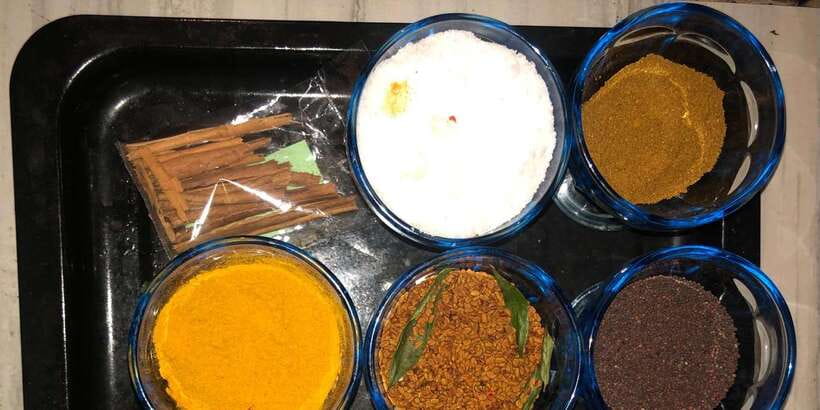
At $19 per person, this is a strong-value activity if you want both a meal and a practical lesson. The fee covers the cooking class, the dishes you prepare, recipes for those dishes, and special spices or ingredients to take home.
Compare that with paying for a restaurant dinner in Ella. A meal out may be cheaper or similar in price, but it will not teach you how to make dhal, coconut milk, sambol, or curry. A more formal cooking school may offer equipment and presentation, but the homestay format gives you direct contact with a local family.
The value is strongest for people who will actually use the recipes later. If you enjoy cooking at home, the included instructions and spice knowledge can keep paying off after your trip. If you dislike cooking and mainly want dinner, a restaurant may be a simpler choice.
The class also gives you several hours of activity, not just a short demonstration. You participate in preparation, eat the finished food, and can ask questions as you go. For a low-cost cultural activity in Ella, that is a generous amount of time.
Who should book this Ella cooking class?
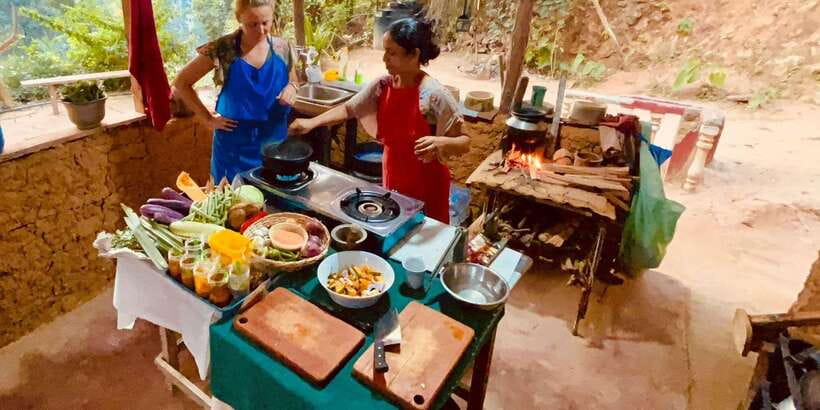
I would recommend it to food lovers, curious beginners, couples, families, and solo visitors who enjoy meeting other people. It is especially useful if you have eaten Sri Lankan rice and curry but do not yet understand how the separate dishes are prepared.
It suits vegetarians and vegans, provided you confirm the menu in advance. It is also a good choice for anyone who wants recipes that can be adapted outside Sri Lanka.
Families should note that the activity involves chopping, cooking, and a fairly long meal period. The supplied information does not specify a minimum age, so ask before booking for young children.
You should skip it if you have food allergies, do not want to arrange your own transport, or prefer a polished demonstration with no group participation. The class takes place in a family home, so expect a personal setting rather than a restaurant-style venue.
Should you book with Neranji?
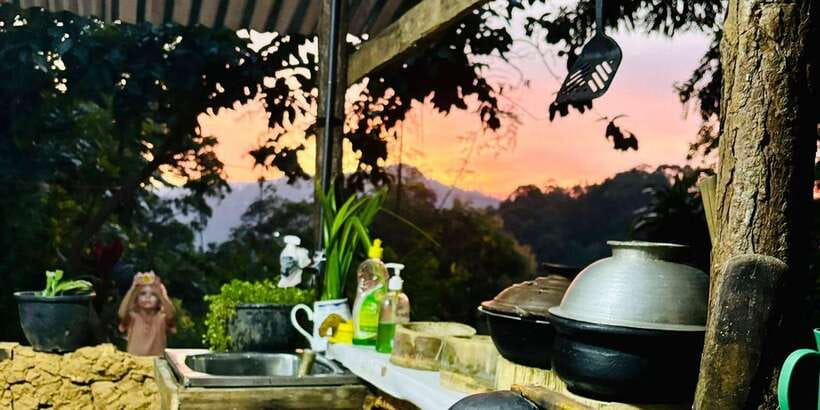
Book this class if you want to eat well and learn something you can carry home. The strongest reasons are Neranji’s clear teaching, the chance to prepare several dishes yourself, the traditional coconut and spice techniques, and the warm homestay setting.
Request any special dish at least 24 hours ahead, confirm the meeting point, and tell Neranji how much heat you prefer. If you do that, the $19 price gives you a meal, practical cooking skills, recipes, spices, and a closer look at everyday Sri Lankan food culture.
FAQ
How long does the Sri Lankan cooking class last?
The class lasts approximately two to three hours. Some sessions may finish a little sooner depending on the menu and group.
How much does the cooking class cost?
The listed price is $19 per person.
Where does the class take place?
The class takes place at Neranji’s home and homestay kitchen in Ella. The exact meeting point may vary depending on the option booked.
What dishes can I prepare?
Possible dishes include potato, dhal, pumpkin, beans, fish, or chicken curry, along with eggplant salad, papadom, carrot sambol, coconut sambol, and coconut roti.
Can I request a special Sri Lankan dish?
Yes. Special options include banana flower curry, jackfruit curry, sweet onion curry, mango curry, and coconut roti. Request these when booking or at least 24 hours before the class so the ingredients can be arranged.
Are recipes included?
Yes. You receive recipes for all the dishes prepared during the class.
Do I receive any ingredients to take home?
Yes. Special spices and ingredients are included for participants to take home and use when recreating the dishes.
Is transportation included?
No. Transportation to and from the cooking class is not included. Confirm the meeting point and arrange your own transport to the homestay.
Newly listed around Ella
- From Ella: Private Yala Safari & Transfer/Tangalle/Mirissa/Galla★ 5.0 · 12 reviews
- Waterfall Tour & nine arch bridge Ella★ 5.0 · 4 reviews
- 2 Day Tour of Yala & Ella with Hill Country Scenic Train Ride – All Inclusive★ 5.0 · 5 reviews
- 3 Days Private Tour of Yala Safari/ Ella/ Kandy – All Inclusive★ 5.0 · 4 reviews
- Ella Odyssey Train Reserved Seats Kandy to Ella★ 4.5 · 25 reviews
- Ella Private Day Tour From Kandy★ 4.5 · 15 reviews
- 3 Days Nature and Chill Tour of Ella, Nuwara Eliya and Haputale★ 5.0 · 10 reviews
- Sri Lanka Ella Private Day Tour Nine Arch & Elephant transit home★ 5.0 · 22 reviews
Cooking Classes, compared.
Organic cooking class sigiriya (kumara & family)
Read our review →
Browse the lists this tour appears in