
Reviewed · COOKING CLASSES
Kandy Village Cooking Class
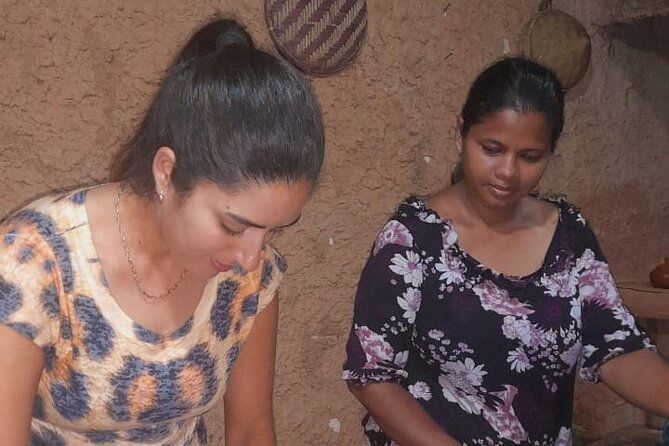
The best part of this Kandy experience happens before the cooking starts: you help choose the ingredients at Kandy Municipal Central Market, then carry that fresh haul to a family kitchen in the countryside. Shyama guides you through the spices, vegetables, coconut milk, and cooking methods behind a full Sri Lankan meal.
I like the market visit because it turns shopping into part of the lesson, not a quick stop for show. I also like the generous, hands-on format: depending on your choices, you may prepare five curries or as many as nine to eleven dishes, then sit down to eat what you made.
The main thing to clarify is transport home. Pickup may be offered, and some bookings include a hotel pickup, but the return ride may cost extra or be left for you to arrange. Confirm this before booking, especially if the village is about 10 kilometers outside central Kandy.
Key details before you book
- Choose your ingredients at the market: Pick five vegetables and choose chicken or fish, while learning about local spices and produce.
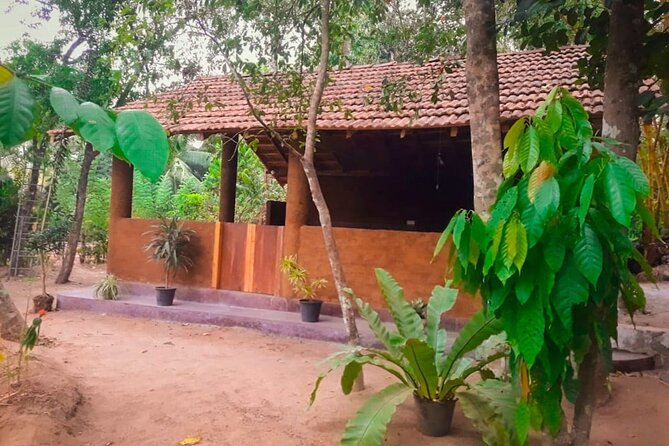
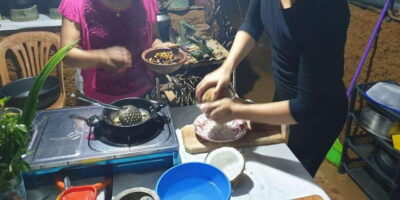
- Cook in a traditional village setting: The class takes place in a family kitchen near the house, surrounded by countryside and nature.
- Shyama leads the lesson: Her clear instruction covers curry preparation, spice use, coconut milk, and traditional methods.
- Expect a serious meal: Past menus have included several curries, rice, sambal, vegetables, and caramel coconut pancakes.
- Suitable for many group sizes: You can join alone, as a couple, or with a group of up to 15 people.
- Allow about three hours: The market, transfer, cooking, and meal fit into a compact half-day experience.
From Kandy market to a family kitchen
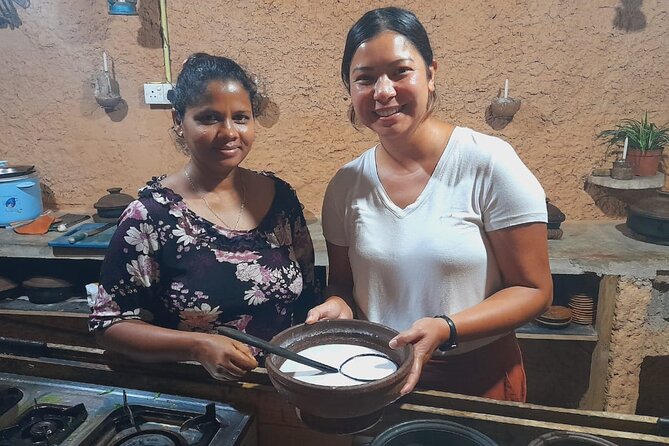
This is not simply a demonstration where you watch someone cook. The experience begins at the central market at 144 Central Market, Kandy 20000, where you meet your guide and start making decisions about the meal.
You select five vegetables from what is available, choose chicken or fish, and learn how spices and other ingredients are used in Sri Lankan cooking. That matters because Sri Lankan curry is not one fixed recipe. The final taste depends on the vegetable, the spice mix, the use of coconut, and the order in which everything is cooked.
I like this start because it gives you a better sense of local food before you sit at the stove. You see ingredients in their everyday setting and learn to recognize them with help from the guide. The market portion also gives the class a clear purpose: you are not just touring a food market, you are buying the building blocks of your lunch or dinner.
The official route also lists Kandy City Center, Kandy Lake, Kandy View Point, the Kandy Lake Club Cultural Dance Show, Kandy District, Kandy, and the Temple of the Sacred Tooth Relic. Treat these as location references rather than a promise of a full sightseeing tour. The main experience described is the market visit followed by the village cooking class, not a separate guided tour of every Kandy attraction.
More Cooking Classes in Kandy
- Private Traditional Sri Lankan Cooking Class in Kandy with Hotel Transfers
★ 5.0 · 115 reviews - Cooking With Village Family
★ 5.0 · 104 reviews - Kandy Cooking Class with Granny
★ 4.9 · 95 reviews
The short ride out to the village
After shopping, you return to the village for the cooking session. Pickup is offered from a designated point for the market visit, and some bookings have included collection from a hotel. One account places the village about 10 kilometers outside central Kandy.
That distance is part of the appeal. You leave the city and reach a quieter setting near a local home, with a traditional kitchen beside the house. The setting has been described as surrounded by forest and countryside, so this feels different from a cooking school in a hotel or restaurant.
The practical catch is the return. The activity ends back at the meeting point, but the information about transport is not fully uniform. Some people have been picked up, while others needed to pay for their return or find their own way back. I would ask three questions before the day begins: Where exactly is pickup? Is the ride to the village included? Who arranges and pays for the return?
That small bit of planning can prevent an otherwise avoidable problem. If you are staying in central Kandy, allow some flexibility after the class rather than scheduling a tight train departure or temple visit.
Shyama’s hands-on cooking lesson
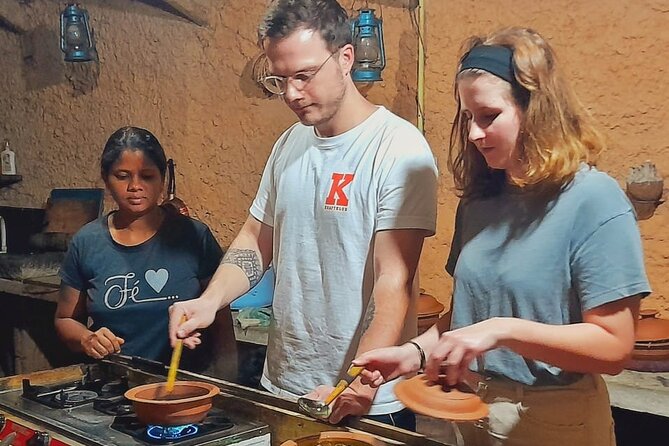
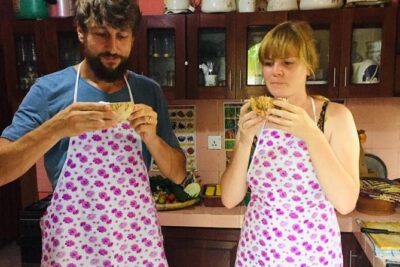
Shyama is the teacher most often identified with the class. She works with the ingredients chosen at the market and explains each step as you prepare the food. The teaching style is practical, with you involved in chopping, mixing, seasoning, and cooking rather than standing at a distance.
The class may produce a surprisingly large spread. Different accounts describe five curries, eight dishes, nine dishes, and around eleven dishes. Your exact menu depends on what you select and the size of your group, but expect a full traditional meal rather than one single recipe.
Possible dishes and components include:
- Several vegetable curries
- Chicken or fish curry
- Rice
- Sambal
- Aubergine curry
- Coconut-based preparations
- Caramel coconut pancakes
The number of dishes is one of the strongest reasons this experience offers good value. You get a broad lesson in Sri Lankan food rather than a narrow recipe class. You may learn how different vegetables handle spices, how curry flavors are built, and how coconut milk changes a dish.
The coconut milk lesson is a useful detail. One account specifically describes making it from scratch, which gives you a better feel for an ingredient that appears in many Sri Lankan dishes. Recipes are also provided, so you can try to repeat the meal at home.
Do not expect a quiet, polished restaurant kitchen. The setting is traditional and family-run, and the lesson is likely to feel informal. That is a plus if you want local contact and direct instruction. It may be less appealing if you prefer a highly structured school with exact cooking times and individual workstations.
What you actually eat
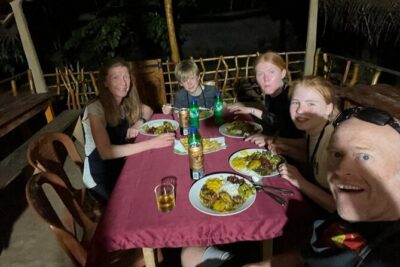
The meal is the payoff, but it also lets you compare the dishes you prepared. Sri Lankan food is often served with several curries and side dishes at once, so a spread of different flavors makes more sense than one large main course.
The ingredients and dishes highlighted in the experience include vegetables, chicken or fish, rice, spices, coconut milk, sambal, aubergine, and sweet pancakes with caramel and coconut. The choice of protein and vegetables at the market gives you some control over the final meal.
The food can also be adjusted to a degree. Someone with celiac disease was able to avoid certain ingredients, including soy sauce, mustard, papadam, and the pancakes. That does not mean the class is automatically gluten-free. If you have celiac disease or another serious allergy, tell the provider before booking and confirm the exact ingredients and preparation arrangements.
I would also tell you not to assume that every listed dish will appear at every session. The class adapts to the ingredients selected and the group. The broad pattern is consistent: shop, cook several dishes, and eat together.
Same base, a completely different kind of day out:
- Kandy Private Guided City Tour by Tuk Tuk
★ 4.9 · 1,307 reviews - From Kandy: Sigiriya Rock & Dambulla Cave Temple Adventure
★ 4.9 · 785 reviews - Kandy to Ella Train Tickets – Reserved Seats
★ 4.5 · 523 reviews - From Kandy: Pinnawala Day Tour
★ 4.8 · 331 reviews
Why the market lesson matters
A cooking class can teach you a recipe without teaching you much about the food culture behind it. The market visit helps fill that gap.
You learn how vegetables are selected, what spices look like before they reach a finished dish, and how a local meal begins with ordinary shopping. You also have the chance to speak with the people selling the produce and see the range of ingredients used in Kandy kitchens.
For me, this is the part that makes the class feel more connected to place. A curry recipe learned in a hotel could be taught almost anywhere. Choosing vegetables in Kandy and then taking them to a village kitchen gives the meal a clear sense of origin.
The market can be lively and crowded, and you may spend part of the visit standing or moving between stalls. Wear comfortable shoes and keep your belongings secure. Those are sensible market habits anywhere, and they matter more here because the first part of the experience takes place in an active public market rather than a private classroom.
The village visit and local contact
The village portion is brief but important. You see a local home and a traditional kitchen, then take part in a family-led meal. The hosts, including Shyama and her husband, are described as warm, helpful, and accommodating.
This is a better fit for you if you enjoy conversation and a relaxed family setting. Solo visitors can join a group, and the class also accepts couples and larger parties. A family group of 14 has taken part, with children and older adults included.
The maximum group size is 15. That is large enough for a social class but still small enough for direct instruction, at least in theory. If your group is near the maximum, you may have less individual time at the cooking station than a solo visitor or couple. The available information does not promise a private class, so ask if that matters to you.
The nearby village visit also gives the experience more substance than a market-and-meal package. You get a short look at local life and a chance to see where the cooking takes place. It is not a full village sightseeing program, so keep your expectations focused on food, family hospitality, and the setting.
Price, time, and overall value
At $25 per person, this is a strong value if the price includes the market visit, ingredients, instruction, and the meal. You are not paying only for a plate of food. You are paying for a three-hour activity with a market lesson, transport arrangements, hands-on cooking, recipes, and a substantial lunch or dinner.
The value improves if you are interested in taking the recipes home. Learning several dishes in one session can save you from booking separate food tours and cooking demonstrations. The experience also gives you a practical way to understand dishes you may already be eating elsewhere in Sri Lanka.
Transport is the main variable. Since pickup is offered but the return arrangement may involve an extra cost, include that in your budget. The class remains inexpensive, but the final price depends partly on where you are collected and how you return.
Three hours is enough time for a proper introduction without taking up your entire day. Still, the market, drive, cooking, and meal may run at a relaxed pace. I would not schedule a major attraction immediately afterward unless your transport is confirmed.
Free cancellation is available up to 24 hours before the start time. Changes or cancellations inside that window are not accepted for a refund, so check the local start time carefully.
Who will enjoy this class most
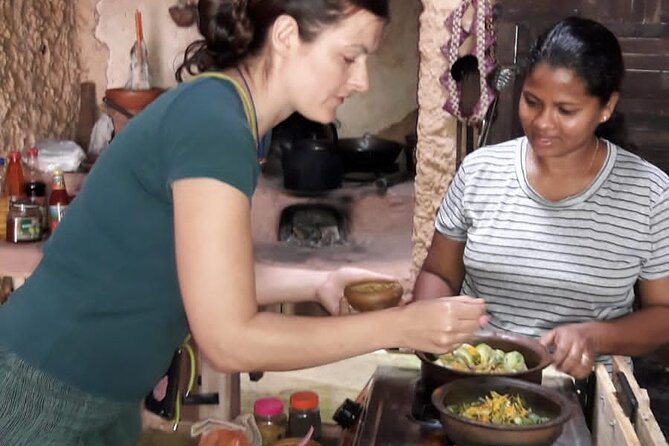
I would choose this for you if food is one of the main ways you connect with a place. It is also a good match for solo visitors who want an easy social activity, couples who prefer a shared meal to a formal dinner, and families who can enjoy a hands-on session together.
The class has worked well for mixed-age groups, from children to grandparents. The range of dishes can keep a larger group interested, though a big party may feel less personal than a small one.
You may want a different activity if you dislike market visits, cannot stand for portions of a three-hour session, or want a tightly timed professional cooking school. You should also confirm dietary arrangements in advance if you need strict gluten-free, vegetarian, vegan, or allergy-safe cooking.
Should you book the Kandy Village Cooking Class?
Yes, if you want a local food experience with real participation rather than a staged cooking show. The market shopping, traditional kitchen, family hosts, large meal, and recipe instruction create a satisfying half-day in Kandy.
Book with two cautions. First, confirm whether your preferred protein and dietary needs can be handled. Second, settle the return transport before you go. With those details clear, the $25 price is hard to fault, especially for a class that may leave you with several recipes, a full meal, and a more useful understanding of Sri Lankan cooking.
FAQ
Where does the cooking class begin?
It begins at Kandy Municipal Central Market, 144 Central Market, Kandy 20000, Sri Lanka.
How long does the experience last?
The experience lasts approximately three hours.
Is pickup available?
Pickup is offered from a designated point for the market visit. Some bookings have included hotel pickup, so confirm the exact pickup details when booking.
Where does the activity end?
The activity ends back at the meeting point.
Do I visit a local market?
Yes. You choose five vegetables, select either chicken or fish, and learn about spices and other ingredients before returning to the village.
How many people can join?
The maximum group size is 15 people. Individuals, couples, and larger groups can take part.
Who teaches the cooking class?
Shyama is identified as the main cooking teacher, with help from family members including her husband.
What kinds of food will I prepare?
The meal can include several curries, vegetables, rice, sambal, chicken or fish, coconut milk preparations, and caramel coconut pancakes. The exact menu can vary.
Are recipes provided?
Yes. Recipes are provided so you can try making the dishes at home.
Can I cancel for a full refund?
Yes. You can cancel at least 24 hours before the experience start time for a full refund. Cancellations or changes made less than 24 hours before the start time are not accepted for a refund.
Newly listed around Kandy
- Pinnawala private day trip from colombo or negombo★ 5.0 · 4 reviews
- Private all inclusive Day tour Kandy, Pinnawala, & your own selected attractions★ 5.0 · 13 reviews
- Air port Pick up and Drop to Kandy★ 5.0 · 4 reviews
- From Kandy to Nuwara Eliya Day Tour★ 5.0 · 21 reviews
- Kandy City Tour & Famous Ambuluwawa Tower with Friendly Chauffeur★ 5.0 · 11 reviews
- Sri Lanka 4 Day Private Tour★ 5.0 · 6 reviews
- Private Tuk Tuk Tour of Kandy City & Surroundings★ 5.0 · 35 reviews
- Wasgamuwa National Park Safari from Kandy★ 5.0 · 3 reviews
Cooking Classes, compared.
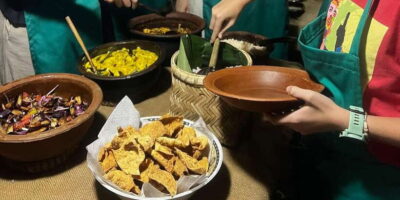
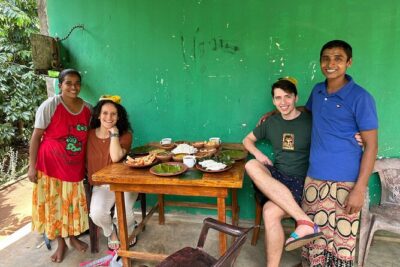
Organic cooking class sigiriya (kumara & family)
Read our review →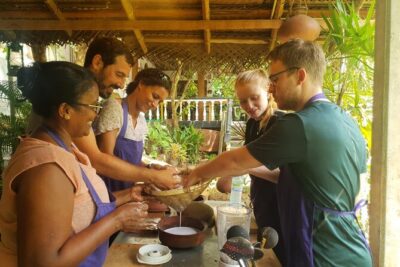
Sri Lankan Cooking Class with Neranji at Homestay
Read our review →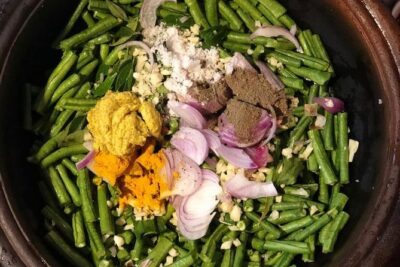
Browse the lists this tour appears in