
Reviewed · COOKING CLASSES
Cook with Wasantha
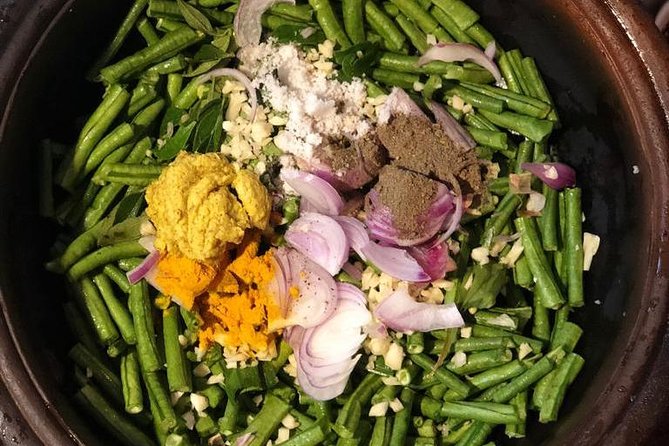
Sri Lankan cooking makes more sense once you see the ingredients before they reach the pan. Cook with Wasantha starts with market visits in and around Galle, then turns fresh vegetables, fish, coconut, spices, and rice into a generous family meal. The best part is the connection between the market and the kitchen: you choose produce, then see how it becomes lunch.
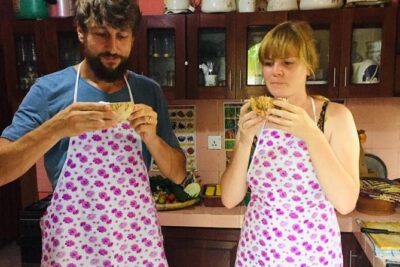
I like the chance to learn fresh coconut milk from scratch and the practical lesson on getting rice fluffy instead of sticky. I also like the family setting, with Wasantha, her husband Sam, and other family members helping at different points. The main thing to consider is that this may feel more like a cooking demonstration than a fully hands-on class. You will help prepare food, but some of the skilled cooking is done for you.
Key points to know before booking
- Two market visits come first: You visit a vegetable and fruit market, then a fish market, with time to select ingredients.
- Five curries form the main lesson: The meal includes four vegetable curries and a choice of tuna or chicken curry.
- Coconut milk is made fresh: This is one of the most useful techniques to take home.
- The family setting shapes the experience: Wasantha’s mother, children, and husband may all play a part.
- Lunch is the reward: You eat the food you helped prepare, served buffet style and traditionally eaten with your fingers.
- The group is limited to 10 people: That keeps the session smaller than many standard cooking classes.
Starting in Unawatuna at 10 a.m.
The experience begins at Wasantha’s Sri Lanka Cuisine on Yaddehimulla Road in Unawatuna at 10 a.m. Although the activity is described as a Galle experience, the meeting point is in Unawatuna, so check your route carefully before booking.
From there, transport to the market is included. Several people have described taking a tuk-tuk with Sam, Wasantha’s husband, and returning the same way after shopping. That small detail matters. You are not left to arrange separate rides between the restaurant, markets, and kitchen, and the tuk-tuk ride helps the morning feel connected rather than like two unrelated activities.
The full session lasts about four hours. That gives you enough time for shopping, preparation, cooking, and lunch without turning the class into an all-day commitment. If you are planning a beach day in Unawatuna or a visit to Galle Fort, the morning start leaves part of the afternoon free.
The group limit is 10 people. That is small enough for a more personal family-style session, though the exact amount of hands-on work can still depend on the group and on how the food is prepared that day.
More Cooking Classes in Galle
- Sea waves sri lankan cooking class
★ 5.0 · 467 reviews - Galle Unawatuna Cooking Class
★ 5.0 · 142 reviews - Galle Fort cooking class
★ 5.0 · 60 reviews
Choosing vegetables at the Dutch Market
The first main stop is the Dutch Market. This is not simply a quick photo stop before the cooking begins. You go there to select the produce for the meal and learn how ingredients are chosen locally.
The market portion gives the cooking class a useful foundation. Instead of being handed premeasured vegetables in a classroom, you see the raw materials first. You can choose from local vegetables and fruit, and the dishes may be shaped around what you select. That makes the meal feel less fixed and more connected to the place.
Several dishes mentioned in the experience include pineapple, dhal, aubergine and onion, pumpkin, and other vegetable curries. One especially interesting recipe is an avocado curry, which shows how Sri Lankan cooking can use familiar ingredients in ways you may not expect.
Sam may lead the market visit, and he is also described as a tour guide. That can add useful local context beyond food, including practical information about Sri Lanka and getting around. The market visit is likely most rewarding if you enjoy asking questions about ingredients rather than simply following the group from stall to stall.
One point to keep in mind is that the market commentary may vary. The core activity is choosing produce, not an extended guided market lecture. If you want a detailed lesson on every fruit, vegetable, and spice, ask questions as you go.
A second stop for fresh fish
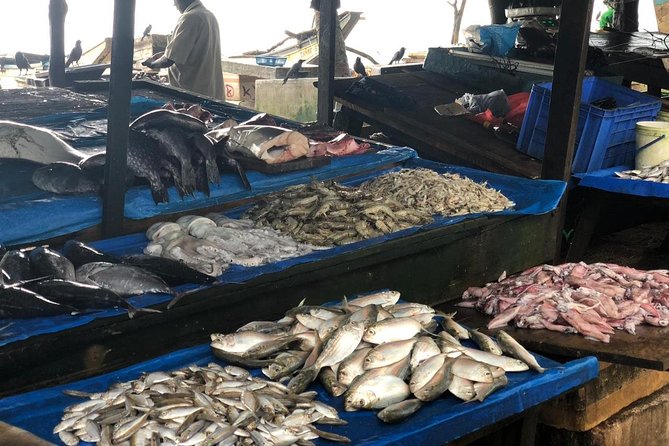
After the produce market, the group visits a fish market. The fish curry is usually made with tuna, though chicken is available as the alternative. Selecting the fish yourself gives the meal another local link, and it helps explain why seafood is such a natural part of coastal Sri Lankan cooking.
You are not signing up for a seafood-only class. The fish curry is one part of a larger meal built around several vegetable dishes, rice, and coconut-based flavors. That balance is useful if you want to understand how a Sri Lankan meal works as a whole rather than learning one signature dish.
The fish market also adds a more everyday side of local life. It may not be polished or arranged for visitors, so be ready for a practical food market rather than a tidy culinary showroom. If you are sensitive to strong smells or prefer a quiet, clean cooking lesson, this part may not suit you as much.
Transport between the markets and the kitchen is included in the experience. Once shopping is finished, you return to Wasantha’s restaurant or home kitchen to begin the preparation.
Learning coconut milk, spices, and rice
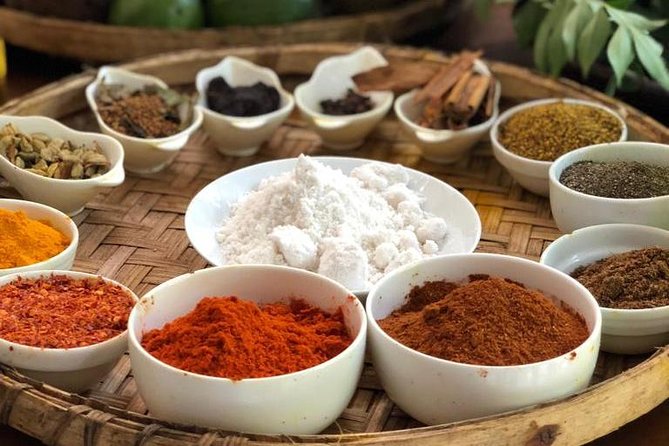
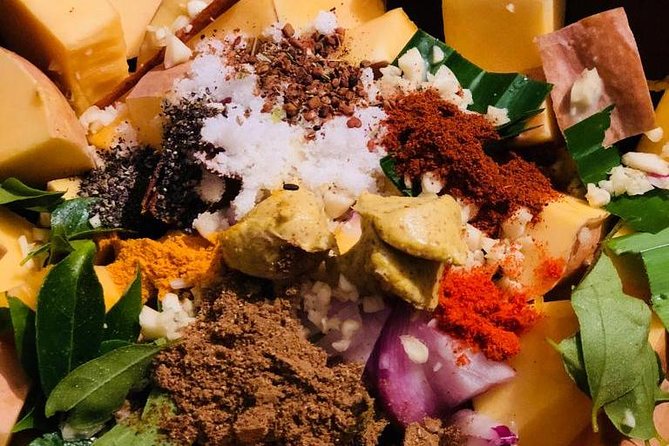
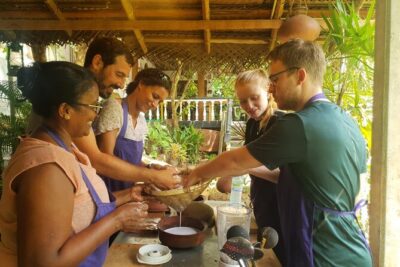
The kitchen lesson covers several techniques that are more useful than a simple list of recipes. You learn how to make fresh coconut milk, how to blend local herbs and spices, and how to cook rice so it comes out light and fluffy.
The coconut milk lesson is a real highlight. Coconut milk appears in many Sri Lankan dishes, and learning to make it fresh gives you a better sense of the texture and flavor behind the curries. It also helps you understand why a curry made from fresh coconut can taste different from one made with a packaged substitute.
Rice gets its own attention, too. For many people, the rice is the part that seems easy until it turns wet, hard, or clumpy. The class includes practical instruction on getting it right, which is the kind of small kitchen skill you can use often after returning home.
Spices are handled in a traditional way. Wasantha is described as adding spices by smell rather than relying only on measured quantities. That is an appealing glimpse into the experience built from years of cooking, though it may be less useful if you want every ingredient recorded in exact grams.
You will also learn family recipes and cooking tips passed down through generations. Recipes are provided afterward, with many people receiving 21 recipes or a similar collection. That turns the class into something you can continue using at home instead of a meal that ends when lunch is cleared away.
Same base, a completely different kind of day out:
- Whales and Dolphins Watching-Luxury Super Grade Cruiser(Hotel Pick up offered)
★ 5.0 · 1,268 reviews - Galle: Traditional Gems & Jewellery Workshop with Transfers
★ 4.9 · 539 reviews - Galle Fort Walking tour
★ 4.9 · 285 reviews - Galle/Mirissa/Tangalle: Transfer to Ella & Yala Safari
★ 4.8 · 235 reviews
Five curries, one busy kitchen
The central meal includes four vegetable curries and your choice of tuna or chicken curry. The vegetable dishes can vary, but examples include dhal, pineapple, aubergine with onion, pumpkin, and avocado curry. This gives you a broad look at the sweet, earthy, creamy, and spicy sides of Sri Lankan cooking in one sitting.
The class is not built around one complicated dish. You see how several curries can be prepared together, often with different textures and flavors on the same plate. That is valuable because Sri Lankan food is best understood as a combination of dishes rather than a single curry served alone.
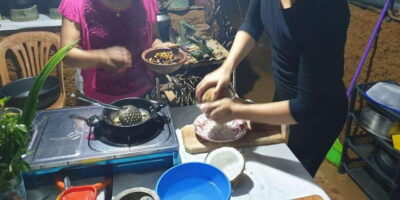
You may help cut vegetables, prepare ingredients, and take part in parts of the cooking. Yet the format is not guaranteed to be fully hands-on from start to finish. Some people have found the session closer to a demonstration, with Wasantha doing much of the cooking while participants assist at selected stages.
That distinction is important. If you want to stand at your own burner and independently cook each dish, this may disappoint you. If you want to watch a skilled home cook work, ask questions, learn techniques, and take part without being responsible for the entire meal, the format should be a better fit.
The family setting is part of the charm. Wasantha’s mother, daughter, and son may be involved, and her daughter Sasa has led some sessions. That can make the kitchen feel like a home meal being prepared with you rather than a formal school with assigned stations.
Eating the meal the Sri Lankan way
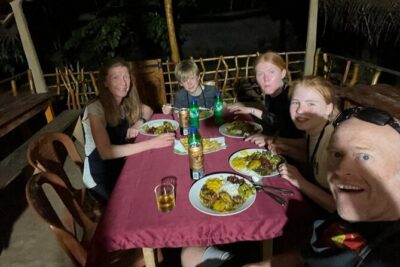
Once the curries and rice are ready, you sit down to eat what you helped prepare. The meal is served buffet style, so you can try the different curries together and see how the flavors work with rice.
The food portion is generous. With five curries, rice, and sometimes an extra dish such as coconut sambol, you may find that lunch is enough to carry you through the rest of the day. Plan accordingly if you have dinner reservations or a later food tour.
You are encouraged to eat with your fingers, the local way. This is not just a novelty. Mixing rice with different curries helps you experience the meal as it is commonly enjoyed, and it gives the final stage a relaxed, social feeling.
The lunch is also where the family atmosphere matters most. You are not simply handed a plate and sent on your way. The cooking, stories, and shared table are part of the experience. One useful detail is that family members have invited people who arrived later to join the meal, although you should not assume this will happen every time.
What the $30 price includes
At about $30, this experience offers good value if you make use of the full package. You are getting roughly four hours, market visits, transport by tuk-tuk between the relevant locations, instruction, ingredients, a large meal, and recipes to recreate the dishes later.
The value is stronger than the price of a meal alone. You are paying for access to a local kitchen, the ingredient-shopping process, and techniques that would be difficult to pick up from a restaurant table. The market visits also give the morning a wider cultural purpose.
Still, value depends on what you want from a class. If your priority is a formal, highly structured lesson where every participant cooks every dish, the price may not feel as strong. You are paying for a family demonstration with participation, not a professional cooking school with an individual workstation.
The small maximum of 10 people helps justify the cost. A smaller group makes it easier to see what is happening and ask questions, though the actual level of personal instruction can vary.
Who will enjoy this experience most
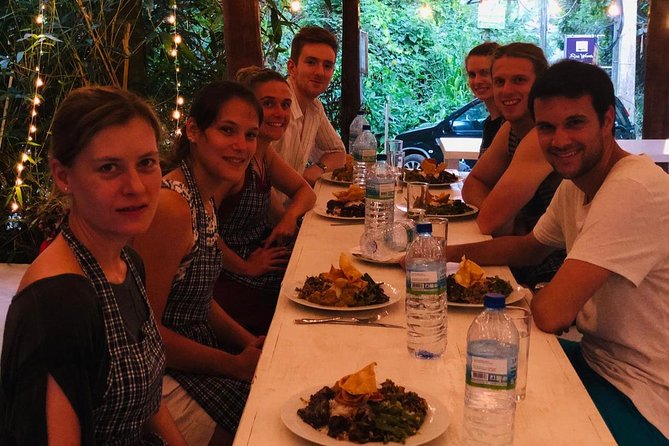
I would recommend Cook with Wasantha to people who want food to open a door into daily life in Sri Lanka. It suits you if you enjoy markets, family kitchens, local ingredients, and a relaxed meal at the end.
It is particularly good for:
- People who want to understand how Sri Lankan curries are built
- Couples and families looking for a shared activity
- Home cooks who want recipes and practical techniques
- Anyone interested in fresh coconut milk, rice, and vegetable curries
- Visitors staying in Unawatuna or planning time in Galle
- People who prefer a personal family setting to a large commercial class
Families with children can also find it appealing, since the meal is prepared and shared together. The experience has included groups with children, though the amount of active work for each person may depend on age and group size.
You should think twice if you dislike markets, fish-market smells, or eating with your fingers. You may also want a different class if hands-on cooking is your main goal and watching a host prepare some dishes would frustrate you.
Practical details before you go
The meeting point is Wasantha’s Sri Lanka Cuisine, 180/A Yaddehimulla Road, Unawatuna. The activity returns to that same meeting point, and the scheduled start is 10 a.m.
Confirmation is provided when you book. The experience is near public transportation, and service animals are allowed. It requires good weather, so poor conditions can lead to a different date or a full refund.
Free cancellation is available if you cancel at least 24 hours before the start time. Cancellations made within 24 hours are not refunded, and changes within that period are not accepted. The cut-off follows local time.
The experience has a 4.9 rating from 249 ratings and a 98 percent recommendation rate. Those figures suggest a strong track record, but the hands-on issue is worth keeping in mind. The most accurate expectation is a warm, family-led cooking demonstration with opportunities to help, not a fully independent cooking workshop.
Should you book Cook with Wasantha?
Book it if you want a market-to-table look at Sri Lankan food, especially the connection between fresh produce, coconut milk, spices, rice, and several curries served together. The market visits, tuk-tuk transport, family setting, and large lunch make the four hours feel like more than a standard restaurant meal.
I would choose it for the recipes and the chance to eat with Wasantha’s family. I would not choose it if you need each person to cook every dish from beginning to end.
For most food-minded visitors staying around Unawatuna and Galle, the $30 price is fair. Go expecting instruction, conversation, shared preparation, and a demonstration of well-practiced home cooking. With that expectation, you are likely to leave with a full stomach and a better understanding of what makes Sri Lankan curry work.
FAQ
Where does Cook with Wasantha begin?
The experience begins at Wasantha’s Sri Lanka Cuisine, 180/A Yaddehimulla Road, Unawatuna, Sri Lanka.
What time does the cooking experience start?
The scheduled start time is 10 a.m.
How long does the experience last?
The activity lasts approximately four hours and ends back at the meeting point.
How many people can join?
The group is limited to a maximum of 10 people.
What food will I cook?
You will learn to prepare four vegetable curries and a choice of tuna or chicken curry. The experience also includes lessons on coconut milk, rice, herbs, and spices.
What happens if I need to cancel?
You can receive a full refund if you cancel at least 24 hours before the start time. Cancellations or changes made less than 24 hours before the start are not accepted or refunded.
Newly listed around Galle
- Private Day Tour: Yala National Park Safari Tour from Galle & Weligama★ 5.0 · 3 reviews
- Kanneliya Rain Forest Tour★ 5.0 · 10 reviews
- Dediyagala Village Tour(from Galle, Mirissa, Ahangama, Matara)★ 5.0 · 8 reviews
- Private Galle Day Trip from Colombo/ Negambo / Bentota★ 5.0 · 35 reviews
- Day Excursions to Galle Fort & Bentota from Colombo★ 4.5 · 20 reviews
- Galle Day Tour★ 5.0 · 8 reviews
- Galle Day Tour★ 5.0 · 15 reviews
- Galle Day Tour with River Safari, Tea Plantation & Sea Turtle★ 5.0 · 11 reviews
Cooking Classes, compared.
Organic cooking class sigiriya (kumara & family)
Read our review →
Sri Lankan Cooking Class with Neranji at Homestay
Read our review →
Browse the lists this tour appears in