
Reviewed · COOKING CLASSES
Ella: Traditional Sri Lankan Cooking Class
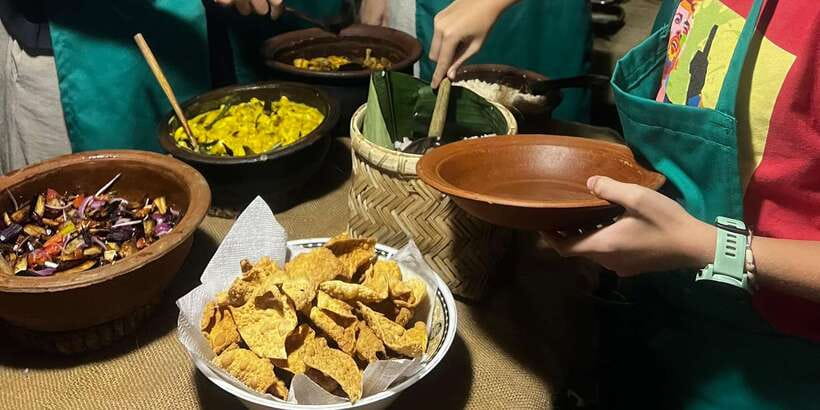
Sri Lankan cooking is best understood at the stove, not from a restaurant table. In Ella, Ranjani brings you into an open-air traditional kitchen, where you help prepare several dishes, learn old-fashioned methods such as grating coconut and making coconut milk, then sit down to eat the full spread from a banana leaf.
I like two things here: the food is generous and genuinely practical, and Ranjani explains what the spices and herbs do, not just where to sprinkle them. The main point to know is that this is a shared class around one cooking area, not a private workstation where you prepare one dish from start to finish.
Key points at a glance
- Traditional cooking methods: See how coconut is grated, coconut milk is made, rice and dhal are prepared, and sambol comes together.
- A full Sri Lankan meal: Depending on the session, you may make dhal curry, chicken curry, aubergine salad, coconut sambol, papadam, hoppers, string hoppers, or honey roti.
- A warm host: Ranjani, often called Ranji, teaches in English and Sinhala and explains ingredients, cooking methods, and their traditional health uses.
- Shared hands-on format: Everyone takes turns chopping, mixing, seasoning, and helping at the main workstation.
- Banana-leaf dining: Eat the finished food in a local style, with no mountain of dishes afterward.
- Useful follow-up: Recipes are sent digitally through WhatsApp, so you can try the dishes at home.
What happens when you arrive in Ella
You check in with the staff at Chamathka Cooking Class. The setting is an open-air kitchen surrounded by greenery, which gives the lesson a more local feel than a polished demonstration studio. It also provides better air movement while several pots are cooking.
The class normally begins at 11:00 AM or 5:00 PM. The provider can sometimes adjust the time if you contact them ahead of time, which is useful if you are fitting the class around Ella’s sightseeing or train schedule. Since transport is not included, you need to make your own way to the meeting point.
Some sessions begin with tea and biscuits before the cooking starts. That small welcome matters because the class can turn into a substantial meal, and the opening conversation helps everyone settle into the group.
The advertised duration is two hours. Allow extra time if your schedule is tight. A particularly food-filled evening can run closer to two and a half hours, especially when the group sits down to eat and the kitchen finishes clearing the last dishes.
More Cooking Classes in Ella
- Ella: Sri Lankan Cooking Class with Neranji at Homestay
★ 5.0 · 276 reviews - Ella : Cooking class with amazing Spice Garden Tour
★ 5.0 · 239 reviews - Ella Sri Lanka : Mom’s Kitchen Cooking class
★ 5.0 · 113 reviews
Fresh ingredients and the Sri Lankan spice box
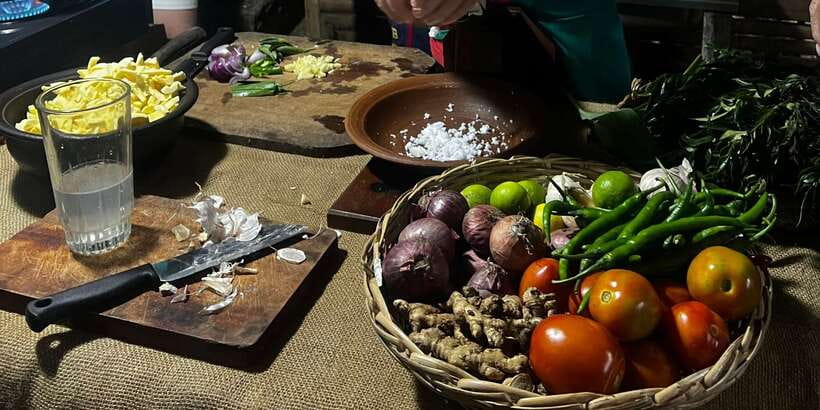
The first useful lesson is often the simplest one: seeing the ingredients before they are chopped, ground, or cooked. You are introduced to fresh produce, herbs, spices, coconut, rice, lentils, and other components used in everyday Sri Lankan meals.
Ranjani spends time explaining more than flavor. She discusses how ingredients are used in traditional home cooking and talks about their health benefits. That information gives the class a little more depth than a recipe demonstration, although you should treat these points as traditional food knowledge rather than medical advice.
This is a good chance to ask questions about unfamiliar spices. Sri Lankan cooking can look complicated because several small dishes share a table, but the class breaks down the work into manageable steps. You see how seasoning builds flavor, how coconut changes the texture of a dish, and how simple vegetables can become memorable with the right preparation.
The ingredients are described as fresh and, in several sessions, garden-fresh. That helps explain why the final meal includes so many bright colors without relying on elaborate restaurant presentation. The appeal is home cooking: plenty of vegetables, lentils, coconut, rice, and carefully used spices.
One shared kitchen, plenty of turns
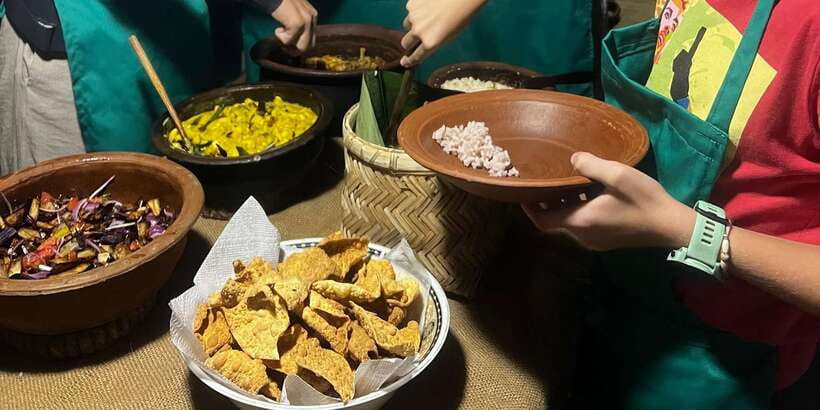
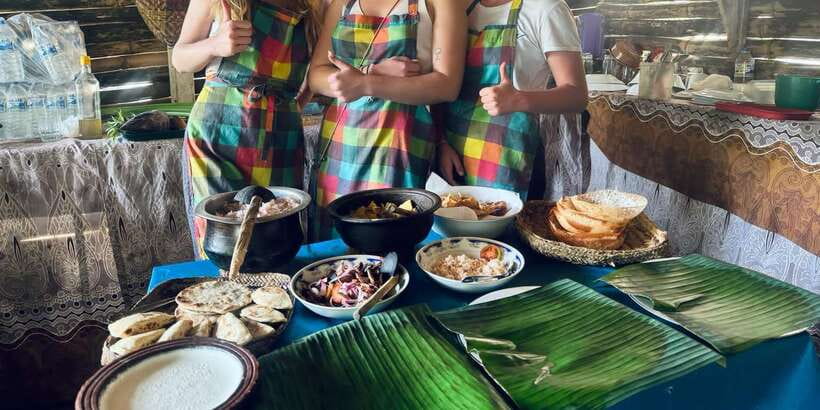
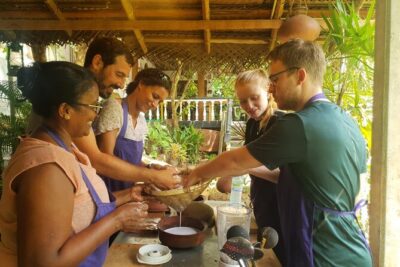
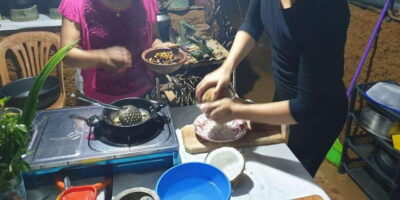
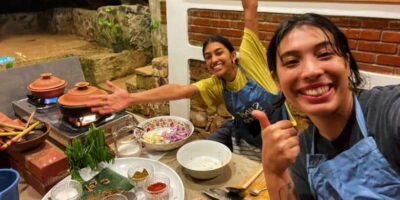
The format is important. You do not receive your own private cooking station. Instead, the group works around one main workstation while Ranjani demonstrates the more complicated techniques and invites people to help with different jobs.
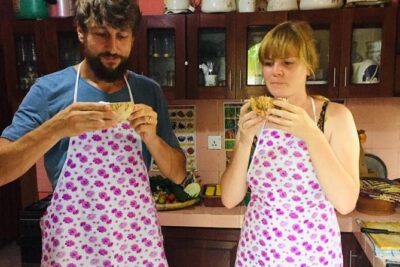
You might chop vegetables, mix a sambol, season a curry, prepare lentils, or assist with another stage of the meal. The exact amount of hands-on time depends partly on group size and how quickly the cooking moves.
This arrangement has a social advantage. You can watch the whole meal come together, compare notes with people from different countries, and eat the same food as a group. It also means you are not responsible for producing one dish alone, which is helpful if you want an introduction rather than a high-pressure cooking exam.
The tradeoff is clear. If you want to measure every ingredient yourself, work at your own burner, and take full credit for one completed curry, this will feel more like a group demonstration with hands-on turns. A few participants have also found larger sessions a little crowded. The stated group limit is eight, but some past sessions were larger, so it is sensible to confirm the expected group size if personal attention matters to you.
The traditional techniques worth watching

The most interesting part is not simply learning that dhal contains lentils or that coconut sambol contains coconut. It is seeing the techniques that give Sri Lankan food its character.
One memorable method is traditional coconut preparation. You may see coconut grated by hand and coconut milk made for cooking. These are basic household skills, but they are often skipped in restaurant kitchens or replaced by packaged ingredients. Watching the process helps you understand why fresh coconut gives curries and sambol such a distinct texture.
Ranjani also demonstrates traditional equipment and old-fashioned ways of preparing food. Some tools can look unusual if you are used to a modern European kitchen. That is part of the value, though you may need to adapt the method when you recreate it at home.
Rice and dhal are also useful lessons because they are everyday foundations of Sri Lankan food. Rather than treating curry as one large pot, the class shows how a meal gains interest from several dishes with different textures and levels of spice.
Same base, a completely different kind of day out:
- Ella: Drop to Tangalle/Hiriketiya/Mirissa/Galle & Yala Tour
★ 4.9 · 518 reviews - Ella: Little Adam’s Peak, Nine Arches Bridge & Waterfalls
★ 4.9 · 402 reviews - ELLA: Drop to Tangalle/Hiriketiya/Mirissa/Galle & Yala Tour
★ 4.1 · 336 reviews - From Ella: Drop to Tangalle/Hiriketiya/Mirissa & Yala Safari
★ 4.8 · 296 reviews
The dishes you may prepare
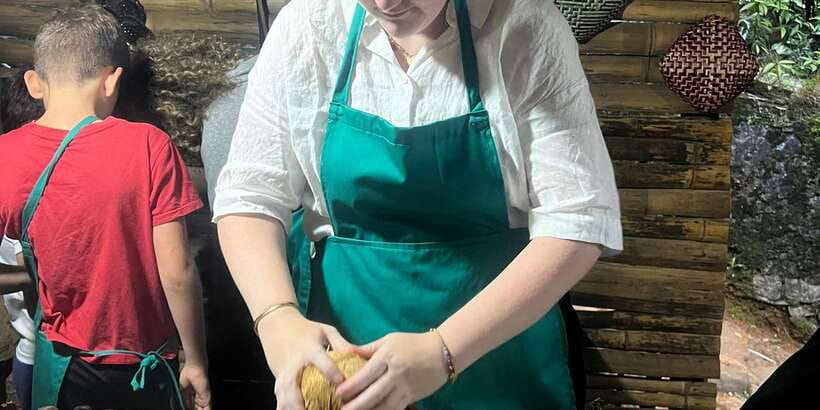
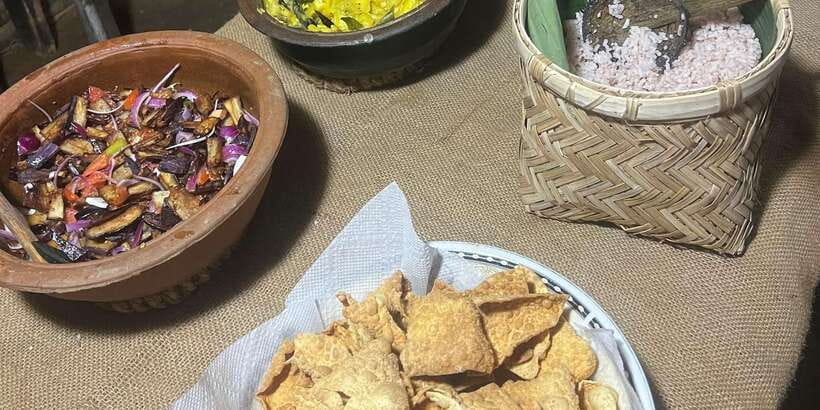
The menu can vary, so do not book expecting a fixed list of five named dishes. The advertised choices include hoppers, rice and curry, string hoppers, and honey roti. Past sessions have also included dhal curry, chicken curry, aubergine salad, coconut sambol, and papadam.
That variety is one reason the meal feels like a proper Sri Lankan spread rather than a single cooking exercise. You may prepare a creamy lentil dish, a spiced curry, a fresh coconut mixture, a vegetable side, and a crisp accompaniment. Some classes include both vegetarian and nonvegetarian dishes.
Hoppers are bowl-shaped pancakes with crisp edges and a softer center. String hoppers are delicate pressed rice noodles, usually served as part of a larger meal. Honey roti offers a sweeter finish and gives you a different look at Sri Lankan flatbread.
The class does not let you choose the entire menu. That can disappoint someone with a very specific target dish, but it also lets the host build a balanced meal and select recipes that work for the whole group.
Vegetarians and vegans should tell the provider in advance. The class can accommodate different diets, although one vegan participant found that one dish was not suitable. The safest plan is to state your needs before cooking begins rather than trying to adjust the meal halfway through.
Sitting down to eat from a banana leaf
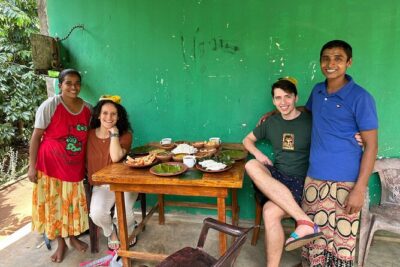
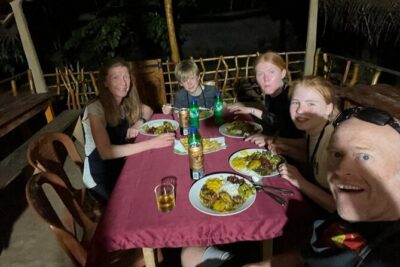
Once the cooking is finished, you sit down with the food you have helped prepare. The meal is served on banana leaves, a simple touch that reduces washing up and connects the class to local dining customs.
Do not expect a tiny tasting plate. The food portions can be generous, with enough for some people to take a second serving and, at times, leftovers. Bottled water is included, and the meal is the reward for a busy couple of hours around the stove.
This final stage also makes the class social. You are not packing up immediately after the last curry is done. You eat together, compare the dishes, and have time to appreciate how the separate parts work as one meal.
The food is the experience’s strongest practical argument. At $19 per person, you are paying for instruction, fresh ingredients, a cooked meal, water, and recipes afterward. That is a strong deal if you would otherwise pay for lunch or dinner and want a useful cultural activity at the same time.
Ranjani’s teaching style and the class atmosphere
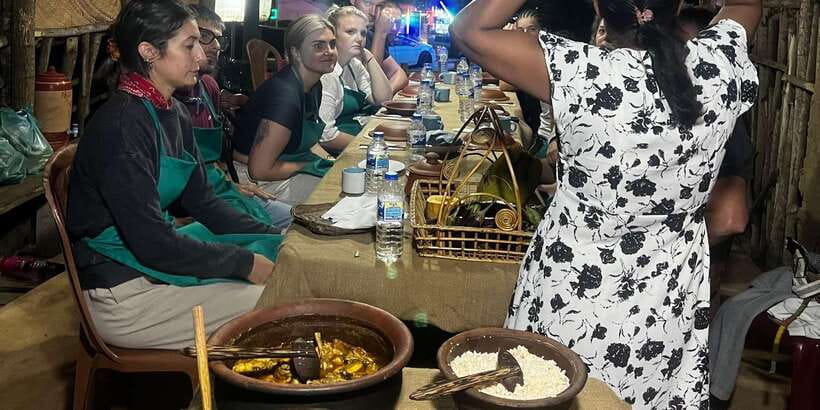
Ranjani is the central reason the experience feels personal rather than mechanical. She teaches in English and Sinhala, explains each stage step by step, and uses stories about ingredients and traditional cooking practices to keep the class moving.
Her style also includes plenty of encouragement. Even in a larger group, she aims to give everyone a turn. That does not mean every participant gets equal time at the stove, but it does mean you are not expected to sit silently through a two-hour show.
The tone is relaxed and family-run. Several sessions have included a welcome tea, informal conversation, and a lot of shared laughter. The kitchen is described as clean and organized, which matters when several people are chopping and cooking together.
The lesson can slow down if the weather causes problems, particularly in an open-air kitchen. That is not necessarily a flaw, but it is another reason not to schedule an important connection immediately afterward. The host has handled difficult conditions well, but cooking outdoors is less predictable than cooking in a sealed classroom.
Is $19 good value in Ella?
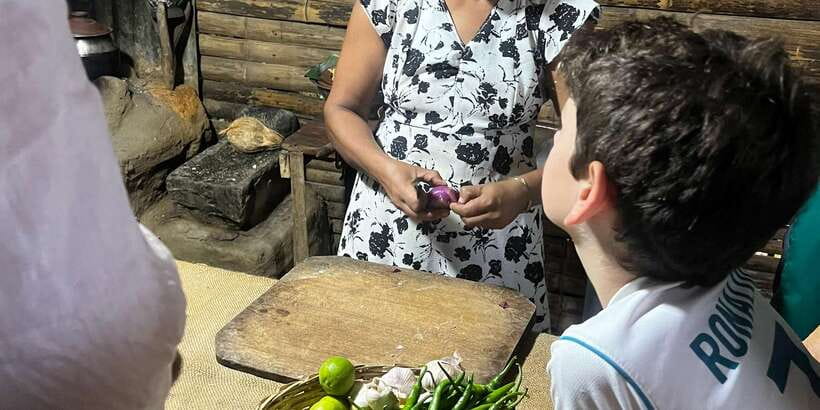
Yes, especially if you count the meal as part of the price. The fee includes the instructor, ingredients, cooking lesson, food, and bottled water. You also receive the recipes digitally through WhatsApp after the class, so the experience continues after you leave Sri Lanka.
The value is strongest for people who want more than a restaurant meal. You learn how dishes are built, see ingredients used in traditional ways, and get a chance to ask questions. Even if you only recreate one curry at home, that is more useful than a short demonstration with no recipe to take away.
The value is lower if you already take advanced cooking classes and expect individual equipment, precise measurements, or a tailored menu. This is home-style group cooking. It favors participation, conversation, and a shared feast over technical perfection.
At this price, I would also consider it a good rainy-day activity in Ella. The class gives you a warm indoor-outdoor plan when walking trails or viewpoints are less appealing, though the open-air setting means weather can still affect the pace.
Timing, transport, and practical planning
You arrange your own transport to Chamathka Cooking Class. The meeting point is not paired with hotel pickup, so check the route before booking and leave enough time to arrive for the 11:00 AM or 5:00 PM start.
The evening session can work especially well after a day of sightseeing, but do not plan a tight dinner reservation immediately afterward. You are likely to eat during the class, and the full experience may last longer than the stated two hours.
The provider allows free cancellation up to 24 hours before the activity for a full refund. You can also reserve now and pay later, which helps if your route through Sri Lanka is still changing.
Bring questions about spice levels and dietary needs. English is available, and recipes are sent by WhatsApp, so make sure the phone number connected to your booking can receive the follow-up message.
Who should book this cooking class?
I would choose this for you if you want an easygoing introduction to Sri Lankan food, like meeting other people, and value traditional methods more than individual kitchen space. It suits couples, solo visitors, families, and anyone looking for a useful evening activity in Ella.
It is also a smart pick if you are vegetarian or interested in plant-based Sri Lankan cooking, provided you explain your diet in advance. Much of the meal centers on vegetables, lentils, coconut, rice, and spices.
I would hesitate if you need a private lesson, a fixed menu, or a guaranteed one-person workstation. The class is collaborative, and the amount of time you spend cooking depends on the number of participants and the flow of the meal.
Should you book it?
Book it if the idea of making a large shared meal with Ranjani sounds better than simply ordering another curry. The combination of traditional tools, fresh ingredients, banana-leaf dining, and recipes sent afterward gives the $19 price real value.
Skip it only if you want a highly structured professional cooking school. For most visitors, this is a friendly and practical way to understand what is on a Sri Lankan plate, then carry a few of those flavors home.
FAQ
Where does the Ella cooking class take place?
The class takes place at Chamathka Cooking Class in Ella, in an open-air kitchen surrounded by greenery.
How much does the cooking class cost?
The price is $19 per person.
How long does the cooking class last?
The listed duration is two hours. You should allow extra time because some sessions, especially evening classes with a large meal, can run closer to two and a half hours.
What time does the class usually start?
Classes normally start at 11:00 AM or 5:00 PM. The provider may be flexible if you contact them in advance.
Is transportation included?
No. You are responsible for getting to the meeting point at Chamathka Cooking Class.
What languages does the instructor speak?
The instructor teaches in English and Sinhala.
Who teaches the class?
The experience provider is Ranjani, who is also referred to as Ranji in class information and participant feedback.
What food might I cook?
Possible dishes include hoppers, rice and curry, string hoppers, honey roti, dhal curry, chicken curry, aubergine salad, coconut sambol, and papadam. The exact menu can vary.
Is the class suitable for vegetarians or vegans?
Vegetarian and nonvegetarian options are available. You should tell the provider about any dietary requirements in advance. One vegan participant was able to eat all but one dish.
Do I receive the recipes afterward?
Yes. The recipes are sent digitally through WhatsApp after the class.
Newly listed around Ella
- From Ella: Private Yala Safari & Transfer/Tangalle/Mirissa/Galla★ 5.0 · 12 reviews
- Waterfall Tour & nine arch bridge Ella★ 5.0 · 4 reviews
- 2 Day Tour of Yala & Ella with Hill Country Scenic Train Ride – All Inclusive★ 5.0 · 5 reviews
- 3 Days Private Tour of Yala Safari/ Ella/ Kandy – All Inclusive★ 5.0 · 4 reviews
- Ella Odyssey Train Reserved Seats Kandy to Ella★ 4.5 · 25 reviews
- Ella Private Day Tour From Kandy★ 4.5 · 15 reviews
- 3 Days Nature and Chill Tour of Ella, Nuwara Eliya and Haputale★ 5.0 · 10 reviews
- Sri Lanka Ella Private Day Tour Nine Arch & Elephant transit home★ 5.0 · 22 reviews
Cooking Classes, compared.
Organic cooking class sigiriya (kumara & family)
Read our review →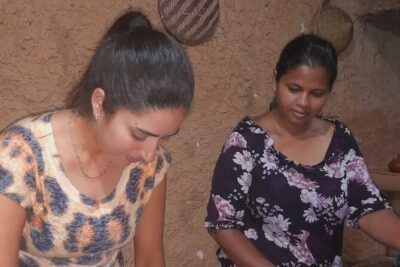
Sri Lankan Cooking Class with Neranji at Homestay
Read our review →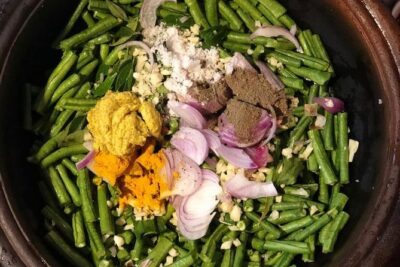
Browse the lists this tour appears in