
Reviewed · COOKING CLASSES
3 hour cooking experience
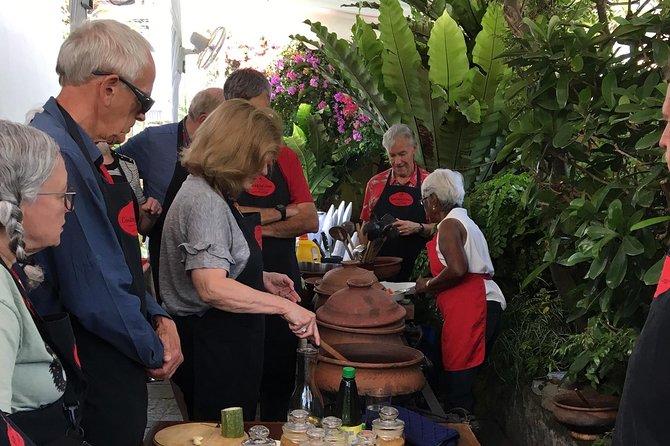
Sri Lankan cooking is all about contrast: creamy curry beside sharp sambol, soft rice beside crisp vegetables, and mild dishes sharing the table with plenty of spice. In Colombo, Chef Mohara Dole guides you through that range in her home and cooking studio, where you join her at the stove and prepare several dishes rather than simply watching a demonstration.
I like two things right away. First, the class covers a broad slice of Sri Lankan food, including loofah, eggplant, lotus root, beetroot, chicken, seafood, and several kinds of rice. Second, you receive the recipes, and Mohara offers guidance after the class if you need help recreating them at home. The main consideration is time: three hours is enough for a lively introduction, but not enough to master every dish in depth.
Key points to know before booking
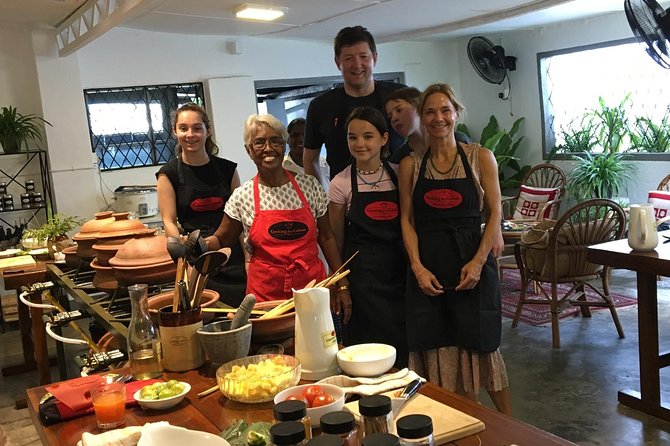
- Chef Mohara Dole hosts the class: You meet her at a home-based cooking studio in Sri Jayawardenepura Kotte, near Colombo.
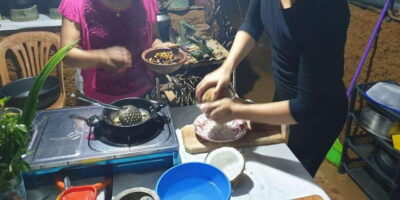
- You cook at the stove: This is not only a sit-back demonstration. You take part in preparing the food and then share the meal.
- The menu covers curries, rice, and sambols: Expect meat, seafood, and vegetable dishes, with examples including eggplant, loofah, lotus root, and beetroot.
- Recipes are included: You can continue cooking the dishes after returning home, with Mohara available for guidance.
- The class is private: Only your group takes part, which allows for a more personal pace and direct conversation.
- The price is $60: Ingredients, the meal, bottled water, and soda are included. Alcohol costs extra and is not provided.
A home kitchen in Colombo, not a restaurant show
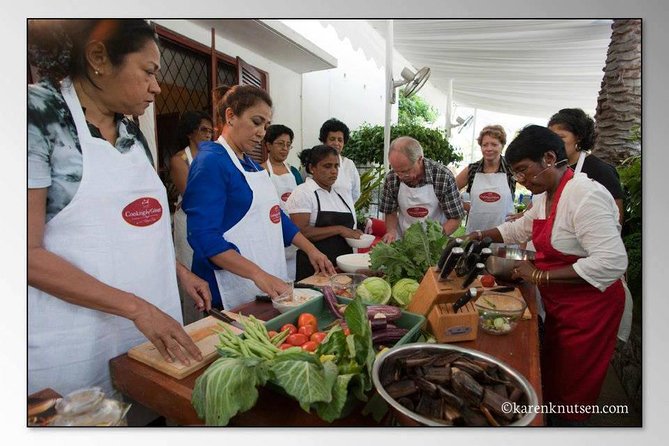
The setting matters here. You meet at 49 Park Lane in Sri Jayawardenepura Kotte, the administrative capital area adjoining Colombo, and the class takes place in Mohara’s home and cooking studio. That gives the session a personal feel that a hotel cooking demonstration often lacks.
I like the chance to learn in a working home kitchen because food makes more sense when you see it in its everyday setting. You are not only being shown a finished plate. You are sitting with the person who prepares the dishes, asking questions, joining the work, and sharing the result.
The class is private, so your group is not folded into a large public session. That can make a real difference if you want to ask about ingredients, cooking methods, or ways to adjust a recipe at home. It also means the class may feel more like a visit than a formal school lesson.
Still, you should set your expectations correctly. The supplied details describe a three-hour demonstration with hands-on cooking, not a professional chef-training course. You will be introduced to many dishes, but the pace needs to keep moving so the group can cook, eat, and cover the range of Sri Lankan food promised.
More Cooking Classes in Colombo
- Colombo Cooking Class
★ 5.0 · 151 reviews - Market Tour and Hands-On Cooking Class Colombo
★ 5.0 · 140 reviews - Cooking Class Sri Lanka with Locals
★ 5.0 · 101 reviews
Three hours of curries, rice, and sambols
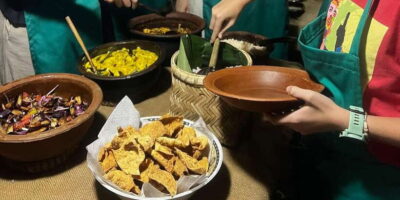
The core of the class is its variety. Sri Lankan food is often reduced to one generic idea of curry, but this session shows how wide that word can be. You may work with vegetables such as loofah, eggplant, lotus root, and beetroot, alongside chicken and seafood.
That mix is one of the strongest reasons to book. Vegetable curries are not treated as filler beside a meat dish. They are part of the meal’s structure, with different colors, textures, and flavors. A lotus root dish brings a different character from a soft beetroot curry, while seafood and chicken show how the same island cooking style can work with different main ingredients.
Rice receives proper attention, too. You learn about basmati, red raw rice, and samba rice. These are not interchangeable side dishes. Different rice varieties change the texture and feel of the meal, and learning their names gives you a better understanding of what you may see on a Sri Lankan table.
Sambols complete the picture. They bring fresh, sharp, spicy, or coconut-based accents that cut through richer curries. For me, this is an important part of the class because a Sri Lankan meal is not just one pot of curry with rice. It is a combination of dishes that work together.
You should expect an active session, but the exact order of dishes is not specified. Some food will be demonstrated, and you will join Mohara at the stove to prepare and share the meal. That blend is useful for a short class. You get to see techniques clearly, then take part without spending the entire day on one recipe.
What the hands-on format adds
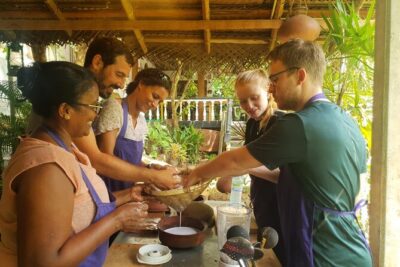
A cooking class can be passive if you only watch someone chop, stir, and season. This one is designed to put you into the process. Joining Mohara at the stove lets you see how the food changes as it cooks and gives you a chance to practice the steps that matter most.
I especially like this format for anyone who wants to cook the food again. A printed recipe tells you what to add, but watching the dish come together can answer practical questions that a page cannot. You can see the stages of preparation and ask Mohara for tips while the food is being made.
The session also brings cooking into a cultural setting. Mohara shares a personal view of how food is prepared on the island, rather than presenting Sri Lankan cuisine as a fixed list of restaurant dishes. That personal connection is a major part of the value.
The private format should help here. Since only your group participates, you are not competing with a crowd to reach the stove or ask a question. The class may be a good fit for couples, families, or a small group of friends who want a shared activity with food at the center.
There is one tradeoff. A menu that includes curries, rice, sambols, meat, fish, and vegetables gives you breadth, but not necessarily a slow lesson on every technique. If your goal is to perfect one specific curry, ask Mohara for extra attention to that dish during the session.
From ingredients to a shared meal
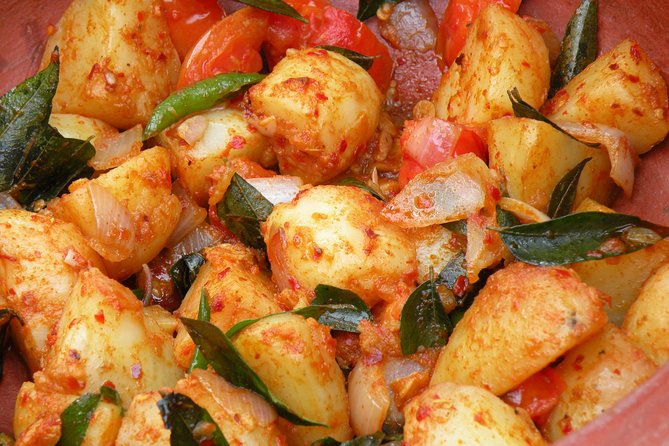
The meal is part of the booking. Ingredients for lunch or dinner are provided, along with bottled water and soda. The scheduled hours are 10:30 AM to 2 PM, so the practical result is a daytime cooking session that leads into a shared meal.
Sharing what you have prepared is more useful than simply receiving a plate at the end. You can taste the balance of the dishes together: rice with curry, vegetables beside seafood or chicken, and sambol added in small amounts. That is when the separate recipes make sense as a Sri Lankan meal.
The food also gives you a chance to compare styles. Mild vegetable dishes may sit beside stronger flavors, and rice varieties may change how a curry feels on the plate. You can use the meal to decide which dishes you most want to repeat at home.
Alcoholic drinks are not included. Bottled water and soda are provided, so you do not need to plan for basic refreshments, but you should not expect wine or beer to be part of the meal.
The description refers to lunch or dinner, while the operating hours listed are late morning to early afternoon. If meal timing matters to you, confirm the schedule when booking. The fixed hours provided are Monday through Sunday, 10:30 AM to 2 PM.
Same base, a completely different kind of day out:
- Colombo: Private Tuk-Tuk City Tour with All Entry Fees
★ 4.9 · 2,154 reviews - From Colombo: Sigiriya and Dambulla Day Trip with Safari
★ 4.7 · 842 reviews - Sri Lanka Personal Tour Driver in private vehicle
★ 5.0 · 747 reviews - Colombo Tuk Tuk City Tour -Sightseeing Entry Fees & Food Included
★ 5.0 · 678 reviews
Recipes that keep the class useful after Colombo
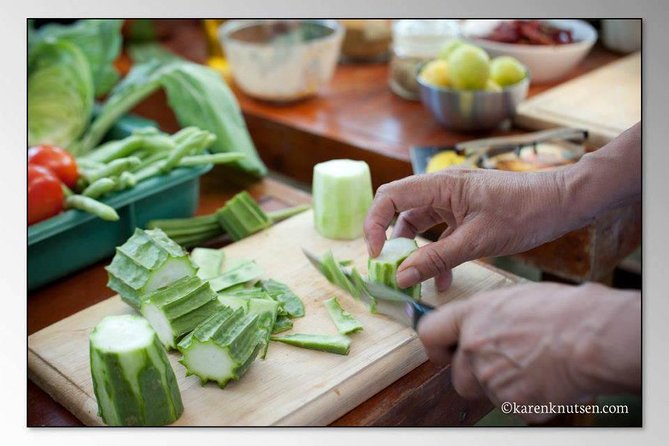
The strongest practical feature is the recipe handover. You do not leave with only a full stomach and a few memories of watching someone cook. You receive recipes for the food prepared during the session.
That matters because Sri Lankan cuisine can be difficult to recreate from taste alone. Curry names and ingredients may be familiar, but the balance of spice, vegetables, rice, and sambol is easier to understand when you have followed the process.
Mohara also invites you to contact her for guidance if you need help using the recipes. That does not turn the class into an ongoing cooking course, but it adds useful support for anyone who wants to make the dishes at home.
If you plan to cook later, keep your recipes organized and note which dishes you liked most during the meal. With so many options covered in three hours, it would be easy to remember the general meal but forget which rice or curry you wanted to repeat.
Is $60 a fair price?
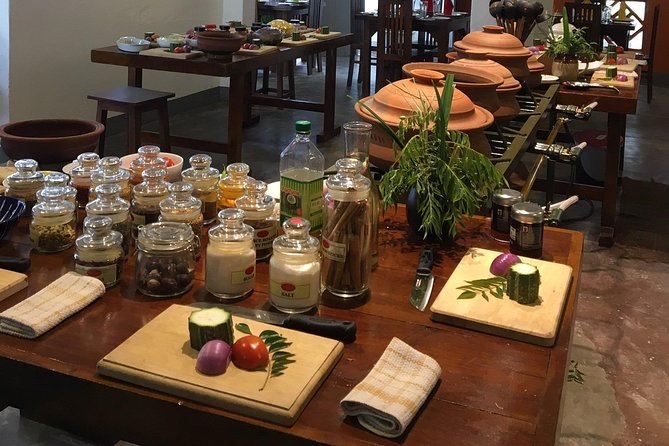
At $60, this is not the cheapest way to eat in Colombo. You could find a meal for much less. The question is what you are paying for, and here the price includes a private three-hour session, all ingredients, the food you prepare, bottled water, soda, and recipes to take home.
For me, the private format is the key value. You are paying for direct time with Mohara, access to her home cooking studio, participation at the stove, and a meal built around your own work. If you only want to sample Sri Lankan food, a restaurant is the simpler and cheaper choice.
The price makes better sense if you enjoy cooking or want a cultural activity that continues after your holiday. The recipes give the class a second life, especially if you already cook at home and can find the required ingredients.
The value is less clear for someone who dislikes kitchen work or wants a polished food tour with several restaurant stops. This is a focused cooking visit, not a general Colombo sightseeing tour. Your time is spent with food, not monuments or markets.
Who will get the most from this class
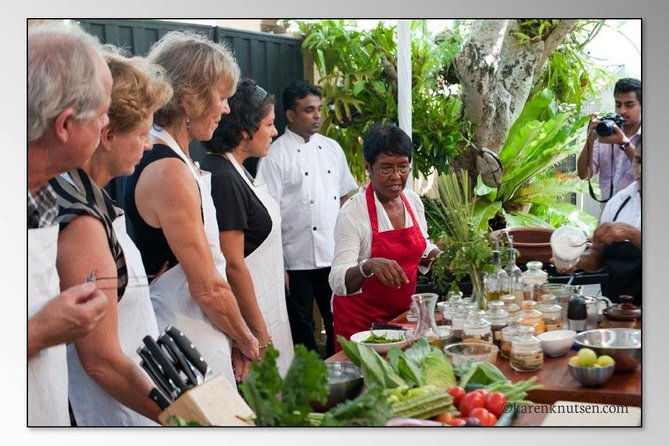
I would recommend this experience most strongly to people who like to learn by doing. You do not need professional cooking skills, since the class is designed as an introduction to traditional dishes, but you should be willing to take part.
It also suits anyone curious about the full Sri Lankan table. The range of vegetables, meats, seafood, rice, and sambols gives you more than a single signature recipe. You can taste how the parts fit together and leave with several dishes to try again.
The class works well for a private group that values conversation. Only your group participates, so you can focus on your own questions and cooking interests. Families and couples may appreciate the shared task, while solo participants should be aware that the experience is built around participation and a shared meal rather than sightseeing.
I would be more cautious if you need a highly structured lesson with exact timings for each recipe. The supplied information promises a broad three-hour demonstration and hands-on meal, but it does not provide a fixed menu or minute-by-minute plan.
Getting there and planning the day
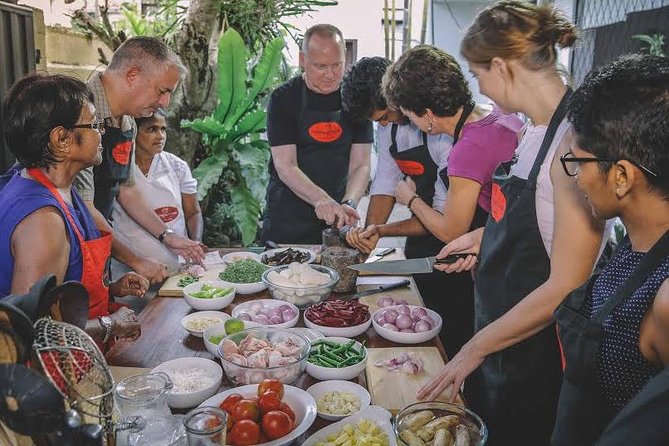
The meeting point is 49 Park Lane, Sri Jayawardenepura Kotte, Sri Lanka. The activity ends back at the same meeting point, and the location is near public transportation.
Since the class begins at 10:30 AM and ends around 2 PM, allow enough time to reach the address before the start. A mobile ticket is accepted, and confirmation is received at booking.
The booking has free cancellation up to 24 hours before the start time. If you cancel less than 24 hours ahead, or request changes inside that window, the amount paid is not refunded. The cut-off follows local time in Sri Lanka, so check the time carefully if you are booking from another country.
Should you book Cooking By Colour?
Book this class if you want a personal introduction to Sri Lankan home cooking, especially if you like vegetables as much as chicken and seafood. Chef Mohara Dole’s warm, hands-on approach, the private setting, and the recipes to take home give the $60 price solid value for a food-focused visitor.
Skip it if you want a quick meal, a restaurant tasting, or a broad Colombo tour. The session asks you to spend three hours cooking, and its wide menu means you will sample many ideas rather than master one dish. For the right person, though, it offers something more useful than a single meal: a practical look at how Sri Lankan curries, rice, and sambols belong together.
FAQ
Where does the cooking experience take place?
The class takes place at 49 Park Lane in Sri Jayawardenepura Kotte, Sri Lanka, at Chef Mohara Dole’s home and cooking studio.
How long does the cooking class last?
The experience lasts approximately three hours.
What time does the activity run?
The listed hours are Monday through Sunday from 10:30 AM to 2 PM.
Is the class private?
Yes. Only your group participates in the activity.
What types of food will I learn to prepare?
The class covers traditional Sri Lankan curries, rice, and sambols. Examples include loofah, eggplant, lotus root, chicken, seafood, and beetroot dishes.
Which types of rice are included?
The class introduces basmati, red raw rice, and samba rice.
Do I get recipes after the class?
Yes. You receive recipes for the dishes prepared during the experience so you can recreate them at home.
Is food included in the price?
Yes. Ingredients for the lunch or dinner and the shared meal are included.
Are drinks included?
Bottled water and soda are included. Alcoholic beverages are not included.
Can I cancel for a full refund?
Yes, if you cancel at least 24 hours before the experience start time. Cancellations made less than 24 hours ahead are not refunded, and changes inside that period are not accepted.
More Half-Morning Trips in Colombo
- 3 Hour Private Colombo Street Food Tour
★ 5.0 · 13 reviews - Exclusive 3-Hour Private Jeep Safari at Udawalawe National Park
★ 5.0 · 21 reviews - Hurulu Eco Park: 3-Hour Morning or Evening Safari
★ 4.9 · 11 reviews - Wasgamuwa: Wasgamuwa National Park Private 3-Hour Safari
★ 4.9 · 10 reviews
Newly listed around Colombo
- Transfer between Colombo (CMB) Airport and Galle Face Hotel★ 5.0 · 4 reviews
- Colombo Airport (BIA) to Galle Private Airport Transfer★ 5.0 · 3 reviews
- Sri Lanka Private Transfer from Colombo Airport to Anywhere★ 5.0 · 6 reviews
- Sri Lanka Private Tour Pick Up & Drop Off – Colombo Intl Airport★ 5.0 · 10 reviews
- Private transfer from Colombo Airport to Bentota Hikkaduwa Galle★ 5.0 · 6 reviews
- Colombo Airport (CMB) to Colombo City Private Transfer★ 4.5 · 26 reviews
- Colombo (CMB) Airport to Negombo City Private Transfer★ 5.0 · 13 reviews
- Colombo (CMB) Airport to Kandy City Private Transfer★ 5.0 · 6 reviews
Cooking Classes, compared.
Organic cooking class sigiriya (kumara & family)
Read our review →
Sri Lankan Cooking Class with Neranji at Homestay
Read our review →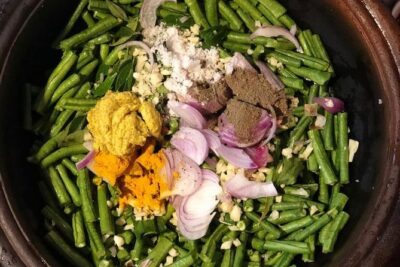
Browse the lists this tour appears in