
Reviewed · COOKING CLASSES
Sri Lanka: Cooking Class
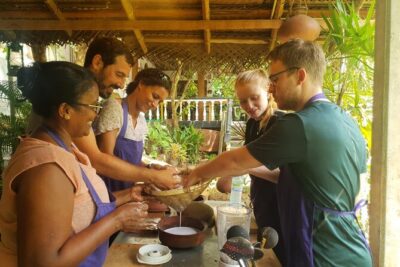
Sri Lankan cooking is built from a few humble staples used with great skill: rice, coconut, vegetables, seafood, herbs, and spices. In Kotapola, you get more than a plate of food. You learn how these ingredients fit into daily life, then prepare several dishes yourself before sitting down with your hosts. I like the hands-on format and the chance to ask about food, family routines, and local life while you cook.
I also like the range. Recent sessions prepared seven or eight dishes, with one class completing its cooking in about an hour and a half before eating together. The main caution is spice: even after asking for less heat, one participant found the food too hot to eat. Be clear about your limits before the first chili hits the pan.
Key points to know before booking
- Seven or eight dishes may fill your table: Recent menus included a broad mix of Sri Lankan preparations rather than one single recipe.
- Coconut and rice are central: You learn why these everyday ingredients matter so much in Sri Lankan food.
- The class is genuinely hands-on: Expect clear instructions, kitchen work, and safety guidance rather than a simple demonstration.
- Your host shapes the experience: Rnishani has led classes praised for warm communication, careful instruction, and menu planning around dietary needs.
- A tuk tuk collects you nearby: Pickup is arranged from your hotel or villa in the Kotapola area, usually about 30 minutes before the activity.
- Ask twice about chili: A request for less spicy food may not produce a mild meal, so discuss your preference in detail.
Cooking Sri Lankan food in Kotapola
This three-hour class gives you a useful way to understand Sri Lanka from the kitchen outward. Food here reflects the island’s local traditions and its long contact with people who arrived by sea. Trade brought new ingredients and cooking ideas, while different ethnic communities added their own habits and flavors.
You will hear about this background as you work with the food. The lesson is not a formal lecture, and that is part of its appeal. You learn through the ingredients in front of you: the importance of rice, the many uses of coconut, the role of seafood, and the way herbs and spices build flavor.
I find this kind of class more useful than simply ordering a familiar curry in a restaurant. You can ask why an ingredient is used, how a dish fits into a household meal, and which parts of the process matter most. You also get a better sense of why Sri Lankan food can taste so different from one meal to the next.
More Cooking Classes in Mirissa:
- Authentic Sri Lankan Cooking Class in Mirissa
★ 5.0 · 22 reviews - Mirissa: Cooking Class with Beer and Meal
★ 3.3 · 4 reviews - Ella: Traditional Sri Lankan Cooking Class
★ 4.9 · 788 reviews
Tuk tuk pickup and the start of the visit
Pickup is included from your hotel or villa around Kotapola. The arrangement is by tuk tuk, with collection expected about 30 minutes before the class. That is a practical touch in an area where local transport can take more thought than it first appears.
Allow some flexibility around the pickup time. A tuk tuk is useful and local, but it is not a private car with a precise airport-style schedule. Keep your phone available and make sure the pickup point is clear when you book.
The transport also sets the tone. You are not being moved straight into a polished tourist kitchen. You begin with a local ride and then meet the people hosting the meal. For many visitors, that informal start is one of the better parts of the activity.
The class is listed with an English-speaking guide. Rnishani is named in one account as an excellent cooking teacher, with clear communication and a good choice of menu. The information does not promise that Rnishani leads every session, so treat her name as a possibility rather than a guarantee.
Seven or eight dishes, prepared by you
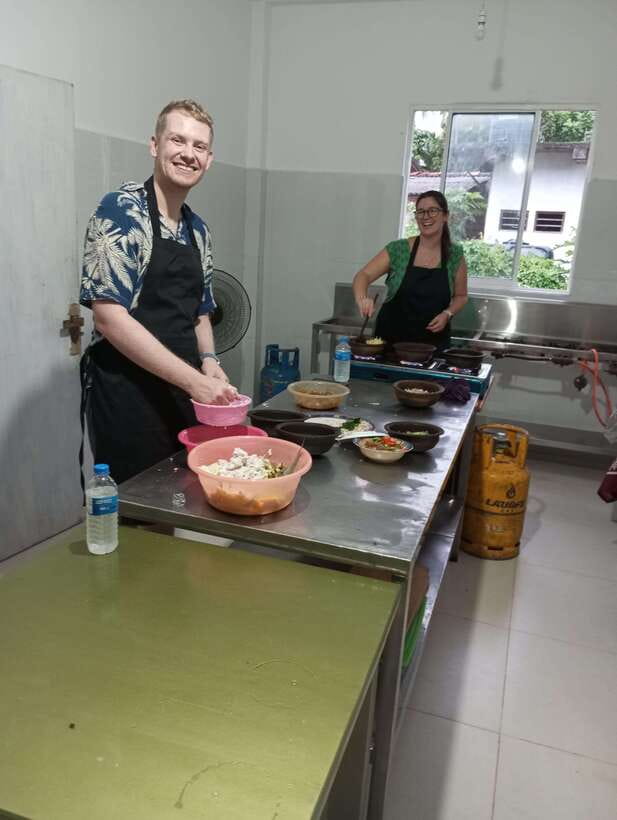
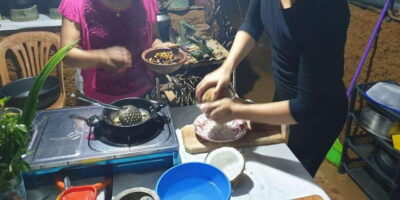
The strongest feature is the amount of cooking packed into the session. One recent class made seven dishes in roughly an hour and a half. Another prepared eight different dishes and covered the main points of how each one was made.
That range makes the $50 price easier to assess. You are not paying for one quick recipe followed by a long wait. You are paying for instruction, ingredients, a local meal, transport, and time with your hosts. Entrance fees are also included, though this is primarily a food activity rather than a tour built around several sightseeing stops.
The exact menu is not stated, so you should not book expecting a particular curry or seafood dish. You can expect food drawn from Sri Lankan cooking, with vegetables and meat mentioned in the practical instructions. Rice, coconut, fish, vegetables, herbs, and spices are all part of the wider food tradition explained during the class.
The pace may feel brisk. Preparing seven or eight dishes in a short session means you will likely move from one task to the next instead of spending twenty minutes perfecting a single recipe. That is good for variety, but less ideal if your main goal is a slow, technical lesson on one dish.
You will receive instructions as you work. The teaching includes safety advice, which matters when several people are chopping, stirring, and handling hot cookware in one kitchen. Pay attention at the beginning, then ask questions as the cooking moves along.
Why rice and coconut matter so much
Rice is not simply a side dish in Sri Lanka. The cuisine is centered on many forms of rice, and it often provides the base around which vegetables, meat, fish, and sauces are arranged. A cooking class gives you a chance to see this food pattern as part of ordinary life instead of treating it as a restaurant presentation.
Coconut is just as important. It grows widely across the country and appears in many forms of cooking. Its flavor, texture, and richness help shape Sri Lankan dishes, and you will learn about its place in local food as you prepare the meal.
Seafood also has a major role. Sri Lanka is an island, so fish is a natural part of the diet, both fresh and preserved. The exact seafood used in your class is not specified, so anyone with a fish allergy should discuss it before booking.
Spices are another main lesson. The class explains their importance and the way combinations of herbs and spices create the familiar character of Sri Lankan food. This is more useful than hearing a list of spice names. You begin to connect the ingredients with the finished dish you are about to eat.
A few more Mirissa days worth a look
- Snorkeling with Turtles in Mirissa
★ 5.0 · 268 reviews - Whale Watching Mirissa with ( WWC )
★ 5.0 · 252 reviews - Ride a Wave Surf School Weligama Sri Lanka
★ 5.0 · 161 reviews - Whale Watching Mirissa with Eagle Eye
★ 4.5 · 128 reviews
Spice levels need a serious conversation
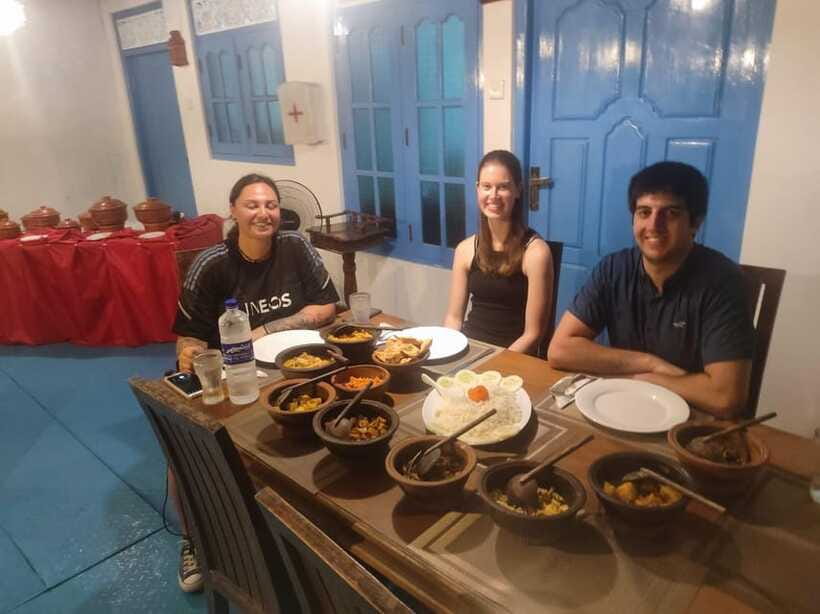
This is the main weakness to keep in mind. One participant specifically requested less spicy food but still found the dishes far too hot to eat. Another person in the same group, who could handle spicy food, also struggled with the heat.
Do not assume that less spicy means mild by international standards. Tell the host before cooking begins, and be specific about what you can manage. If you have a low tolerance, repeat the request when the chilies and spice mixes are introduced.
The class includes different kinds of vegetables and meat, so there may be room to shape the meal around your needs. A previous host asked about diet and preferences before the activity and prepared the kitchen accordingly. That is encouraging, but you should still contact the provider in advance rather than rely on a request made at the last moment.
If spice is central to your enjoyment of food, this may be less of a problem and more of a welcome challenge. If you want to taste every dish comfortably, spice control should be your first question.
Eating with the hosts after cooking
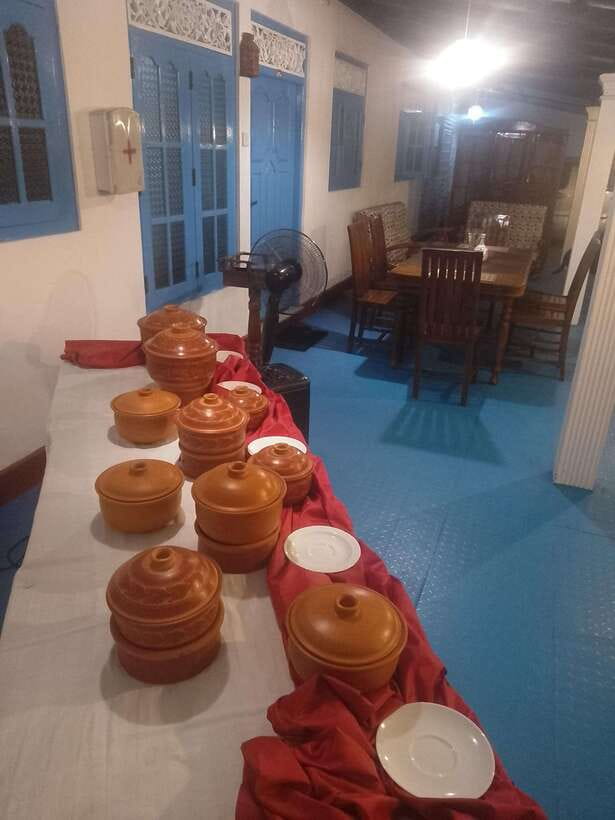
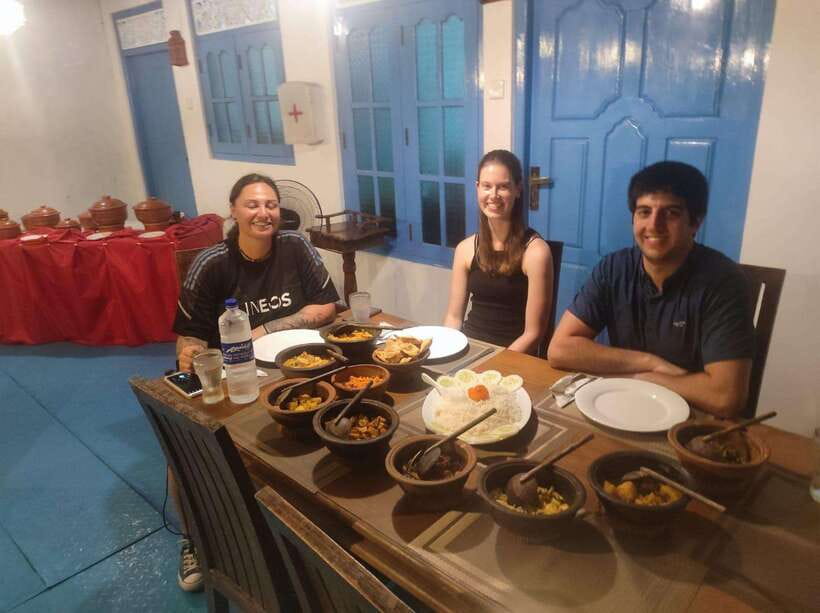
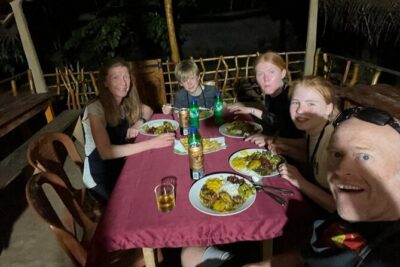
Once the food is ready, you sit down and taste what you have made with your hosts. This shared meal is where the class becomes more personal. You can talk about the dishes, ask about daily life in Sri Lanka, and compare the finished food with what you normally eat at home.
The social side is not an extra decoration. It gives meaning to the cooking. Food becomes a reason to talk, not just a task to complete. The hosts can explain how the meal fits into local routines, while you get a more direct connection to the people who prepared it with you.
There is a small wording issue to clarify before booking. The activity information says meals and beverages are not included, yet the experience also says you will savor your creations and dine with your hosts. The safest reading is that you cook and eat the dishes prepared during the class, but additional meals or drinks may cost extra. Ask the provider what is covered in the $50 price.
Bottled water is included. Other beverages are not listed as included, so bring money if you want anything beyond the provided water.
The price and what you receive for $50
At $50 per person, this is not the cheapest way to eat in Sri Lanka. It can still be good value if you want instruction, a broad menu, local conversation, and transport in one package.
The price includes an English-speaking professional guide, entrance fees to all sites connected with the activity, bottled water, and hotel pickup and drop-off. Since the experience lasts three hours and may include seven or eight dishes, the cost is easier to justify for people who want more than a quick lunch.
The value drops if you mainly want to watch someone else cook or if you are looking for a quiet, restaurant-style meal. This is work first, food second. You will spend time preparing ingredients, following instructions, and paying attention to kitchen safety.
I would compare it with the cost of a good local meal plus transport, but not pretend those are equal experiences. A restaurant gives you speed and choice. This class gives you a lesson, access to a host’s kitchen, and the satisfaction of eating food you helped prepare.
Who should book this class
I would recommend it to curious eaters, couples, families, and small groups who enjoy practical activities. It is especially useful early in a Sri Lanka trip, since the food lessons may help you understand later restaurant meals.
It also suits people who want contact with local hosts without committing to a full-day cultural program. Three hours is long enough to cook several dishes but short enough to fit around other plans.
Vegetarians may find the class workable because vegetables are a major part of the cooking, but the information also mentions meat and seafood. Tell the host your diet before arrival. The same advice applies to allergies and strong dislikes.
People with limited mobility should be cautious. The activity is described in one place as wheelchair accessible, but the specific suitability information says it is not suitable for people with mobility impairments or wheelchair users. Those statements conflict. Contact Tourlankaholidays directly and ask about the kitchen, transfer, seating, and surfaces before paying.
You should also avoid arriving under the influence of alcohol. The safety guidance specifically asks participants not to come drinking, which is sensible during kitchen work.
Wear simple, comfortable clothing that allows you to work easily. You may be handling ingredients and moving around the cooking area, so this is not the place for formal clothes.
Booking advice and final call
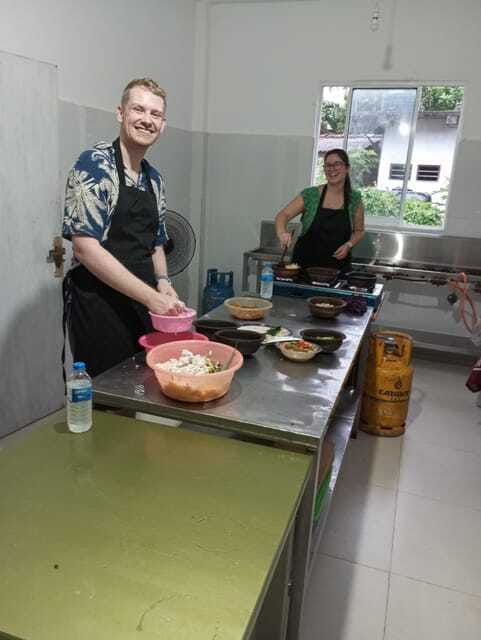
The activity has a 4.4 rating from six reviews, with strong praise for the host’s friendliness, clear instructions, food, and the tuk tuk pickup. The most useful positive detail is the range of dishes: seven or eight preparations can make the class feel like a full introduction rather than a single-recipe lesson.
The biggest concern is heat. Ask for a mild menu in advance and explain what mild means to you. Also confirm the meal and beverage arrangement, since the description says both that you dine on your creations and that meals and beverages are not included.
You can cancel up to 24 hours before the activity for a full refund, and you can reserve now and pay later. The class lasts three hours, with starting times shown according to availability.
Should you book the Kotapola cooking class?
Book it if you want to cook several Sri Lankan dishes, meet local hosts, and learn why rice, coconut, seafood, and spices shape the island’s food. At $50, the combination of instruction, transport, bottled water, and a shared meal can be worthwhile.
Skip it if you want a mild meal without much discussion, a precise menu, or guaranteed wheelchair access. For everyone else, confirm the spice level, dietary needs, and accessibility first. If those points work for you, this is a friendly, practical way to spend three hours in Kotapola.
FAQ
Where does the Sri Lankan cooking class take place?
The class takes place in Kotapola, Sri Lanka.
How long does the activity last?
The cooking class lasts three hours.
How much does the cooking class cost?
The listed price is $50 per person.
Is hotel pickup included?
Yes. Pickup and drop-off are included from hotels or villas around the Kotapola area. Pickup is by tuk tuk, usually about 30 minutes before the activity.
What language is the class conducted in?
The class is conducted in English with a live English-speaking guide.
How many dishes will I prepare?
Recent sessions prepared seven or eight different dishes. The exact menu is not specified and may vary.
Is food included in the price?
The activity says you will eat the food you prepare with your hosts, but it also lists meals and beverages as not included. Confirm the exact meal and drink arrangement with Tourlankaholidays before booking.
Can I cancel for a full refund?
Yes. You can cancel up to 24 hours in advance for a full refund. Reserve now and pay later is also available.
Newly listed around Mirissa
- Yala National Park Private Safari (All Inclusive) From Mirissa★ 4.5 · 4 reviews
- Whale Watching Experience in Mirissa★ 4.5 · 6 reviews
- Whale Watching Mirissa Ultimate Tour in Sri Lanka with Breakfast★ 4.5 · 6 reviews
- Snorkeling with Turtles in Mirissa★ 5.0 · 28 reviews
- Surf Camp in Weligama Beach Sri Lanka★ 5.0 · 5 reviews
- Sinharaja Rain Forest Day Tour from Mirissa, Galle, Bentota Area★ 5.0 · 7 reviews
- Scuba Diving in Mirissa★ 5.0 · 12 reviews
- Snorkeling with Sea Turtles in Mirissa (Pickup and Drop included)★ 4.5 · 16 reviews
Cooking Classes, compared.
Organic cooking class sigiriya (kumara & family)
Read our review →
Sri Lankan Cooking Class with Neranji at Homestay
Read our review →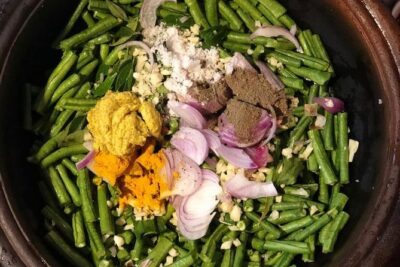
Browse the lists this tour appears in