
Reviewed · COOKING CLASSES
Sri Lankan cooking class with Nilu Kandy( FREE PICKUP & Drop)
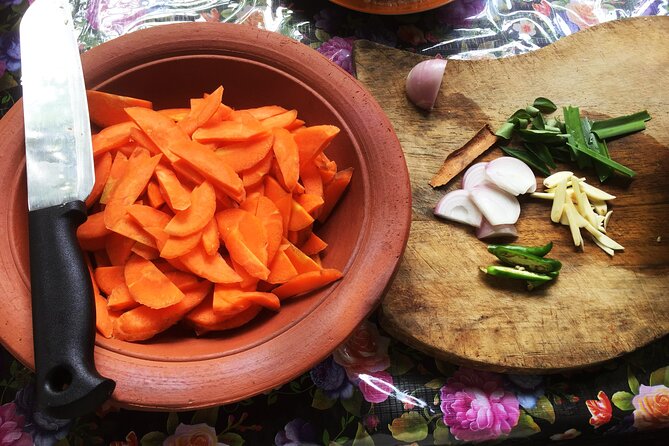
Sri Lankan cooking becomes far more understandable when you work beside a local cook instead of simply ordering another curry. Nilu leads this four-hour class in a traditional home kitchen in a village near Kandy, while Janaka often handles the pickup and conversation. You learn how to use local spices, prepare dhal curry or pumpkin curry, and sit down to eat what you made.
I like the small group limit of eight, which gives the class a personal feel. I also like the free pickup and drop-off, especially since Janaka’s English and knowledge of everyday Sri Lankan life can add useful context during the drive. The main consideration is that this is a simple home-style lesson, not a large professional cooking school, and the exact curry selection may vary.
Key points to know before booking
- Learn in a village home near Kandy: The setting gives you a look at everyday Sri Lankan life, not just a restaurant kitchen.
- Cook practical dishes: The focus is on dhal curry and/or pumpkin curry, with methods you can repeat at home.
- Pickup and drop-off are included: This makes the class easier to fit into a Kandy stay.
- Nilu teaches the cooking: Janaka may drive and share information about Sri Lanka along the way.
- Small groups matter: The maximum is eight people, so this should feel more hands-on than a big class.
- Good value at $25: You receive transport, instruction, ingredients, and a meal over about four hours.
A home kitchen instead of a staged cooking show
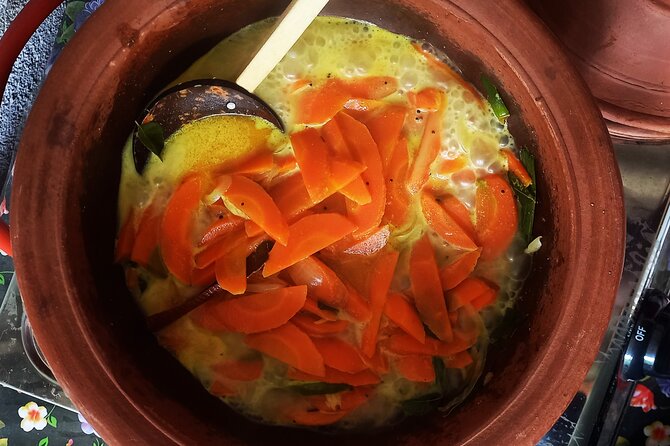
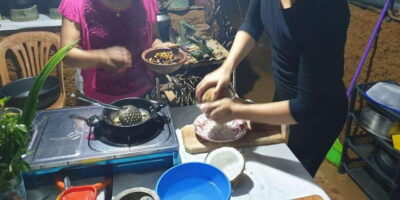
The best feature of this experience is its setting. You travel from Kandy to a nearby village and cook in a traditional Sri Lankan home kitchen. That changes the tone from demonstration to participation. You are not simply watching a chef prepare a dish behind a counter. You are learning how a basic meal comes together in a real household setting.
That matters in Sri Lanka, where food is closely tied to family life and daily routine. A village home can show you the practical side of the cuisine: how a few vegetables, lentils, coconut, and spices become a full meal. The class aims to teach dishes with ingredients you can find at home, which makes it more useful than a lesson built around rare products you cannot replace.
You should expect a friendly, informal experience rather than a polished culinary production. That is a strength if you want contact with local life. It may be less suitable if you want a formal kitchen, written recipes, or advanced chef training. Those details are not promised, so book this for the setting and hands-on cooking, not for a professional certificate.
More Cooking Classes in Kandy
- Kandy Village Cooking Class
★ 5.0 · 536 reviews - Private Traditional Sri Lankan Cooking Class in Kandy with Hotel Transfers
★ 5.0 · 115 reviews - Cooking With Village Family
★ 5.0 · 104 reviews
Pickup with Janaka adds local context
Pickup and drop-off are included, which removes one of the annoying parts of planning an activity in and around Kandy. The class is near public transportation, but having transport arranged is still useful. You do not need to work out how to reach a village kitchen on your own.
Janaka, Nilu’s husband, handles the pickup described for this experience. His English is excellent, and the drive can include conversation about Sri Lanka and everyday life. That turns the transfer into part of the experience rather than dead time in a vehicle.
The exact pickup area and timing are not specified in the available details, so confirm those points when booking. The listing states free pickup and drop-off, but you should still provide your hotel or meeting point clearly. If you are staying outside the usual Kandy area, ask before assuming transport is included.
The drive also gives you a useful transition from town to village. Kandy can feel busy and crowded around its central streets. A trip to a quieter nearby area gives the class a different pace. The value here is not just convenience. You begin learning about the place before the cooking even starts.
What you learn with Nilu
Nilu’s lesson focuses on basic Sri Lankan cooking methods and the handling of local ingredients. The goal is simple: you should be able to make a Sri Lankan curry after returning home, using ingredients that are easy for you to find.
That practical aim is worth paying attention to. Many cooking classes show you an impressive dish but do not explain what to do when you cannot find one key ingredient. This class is designed around substitution and repeatability. You learn a method you can carry back to your own kitchen.
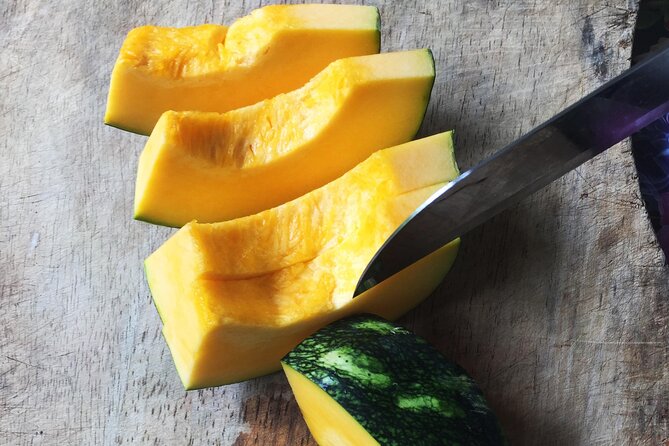
The main dishes include dhal curry and/or pumpkin curry. Dhal curry is a useful introduction because lentils are widely available and the dish can work as a side or a main part of a meal. Pumpkin curry offers a different lesson in texture, sweetness, and spice. The wording indicates that you may prepare one or both, so do not book expecting a fixed menu unless Nilu confirms it.
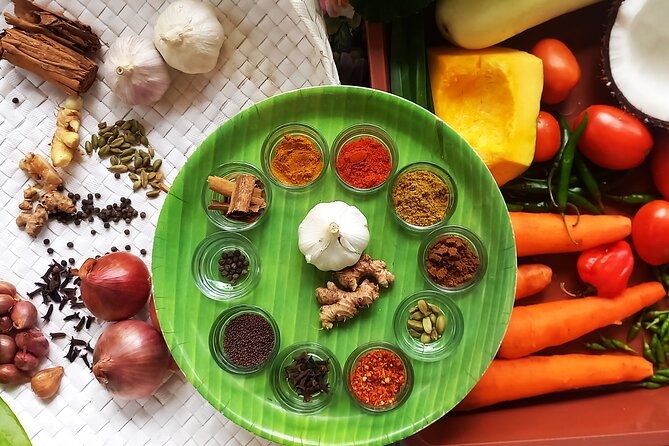
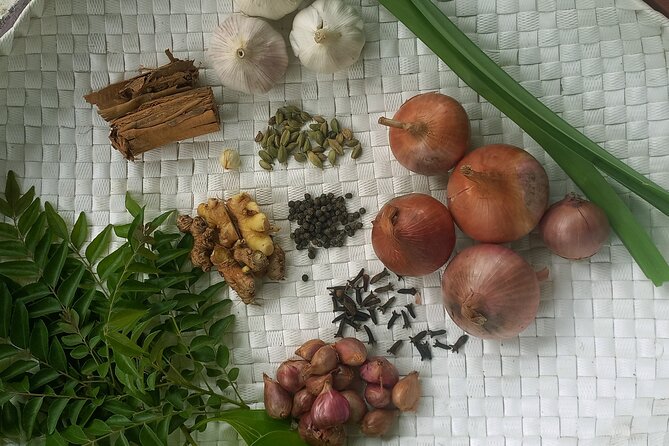
The class also covers local spices and ingredients. The information provided does not list every spice or cooking tool, so I would not expect a formal rundown of exact quantities before arrival. Instead, pay attention to technique: how the ingredients are combined, how the seasoning is balanced, and how the dish changes during cooking.
For a home cook, this is likely more useful than memorizing a long recipe. You can adjust quantities later. The real skill is learning the pattern of a Sri Lankan curry and understanding how to recreate it with what you have.
Cooking, then eating your own meal
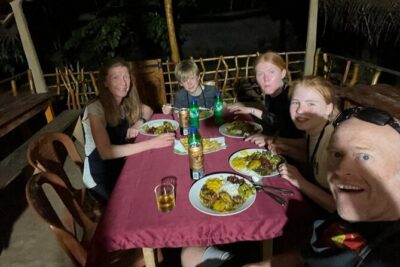
After the preparation, you eat a Sri Lankan meal cooked with your own hands. This is an important part of the four-hour schedule. You get to judge the finished food while the method is still fresh in your mind.
A shared meal also gives you time to ask questions that often come up only after cooking. Was the curry meant to be mild or hot? Which ingredient changed the flavor most? Could you use another vegetable? The supplied details do not promise a printed recipe or a separate tasting menu, so take notes if you want to reproduce the meal later.
The food is described as simple, not elaborate. That is not a weakness. Simple food is often the best test of technique because there is nowhere for poor seasoning to hide. Dhal or pumpkin curry can be modest dishes, but the right balance of spice and texture makes them satisfying.
The meal also gives the class a natural finish. Instead of leaving after a quick demonstration, you sit down and enjoy the result. At $25 per person, that combination of instruction, food, transport, and several hours of time is strong value, especially if you are interested in cooking rather than only sightseeing.
Same base, a completely different kind of day out:
- Kandy Private Guided City Tour by Tuk Tuk
★ 4.9 · 1,307 reviews - From Kandy: Sigiriya Rock & Dambulla Cave Temple Adventure
★ 4.9 · 785 reviews - Kandy to Ella Train Tickets – Reserved Seats
★ 4.5 · 523 reviews - From Kandy: Pinnawala Day Tour
★ 4.8 · 331 reviews
Why the small group size helps
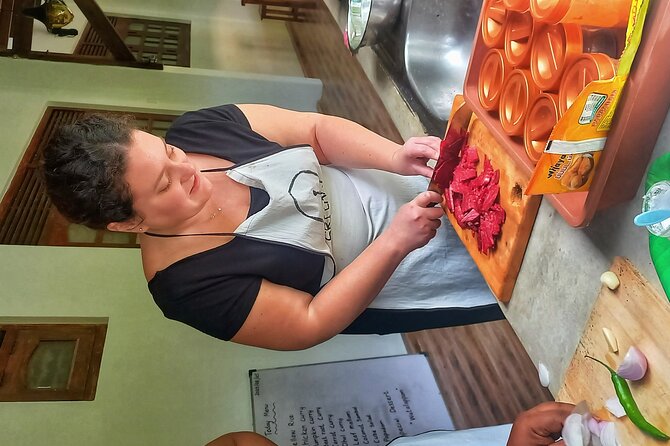
The maximum group size is eight people. That is small enough to keep the class from feeling like a production line, though the exact experience will depend on how many people book your date.
A group of eight allows room for questions and shared work without the complete privacy of a private lesson. If you prefer one-on-one coaching, ask about the group size before booking. If you enjoy meeting other people while cooking, the cap should feel comfortable.
The class is also suitable for couples, families, and small groups of friends. Group discounts are available, which may improve the value when several people book together. The activity does not state a minimum age or provide details about child participation, so ask before booking with children.
This format works best if you are willing to take part. You may chop, stir, season, and follow instructions, but the exact jobs are not listed. Come ready to participate rather than expecting to sit and watch.
What makes this more than a meal
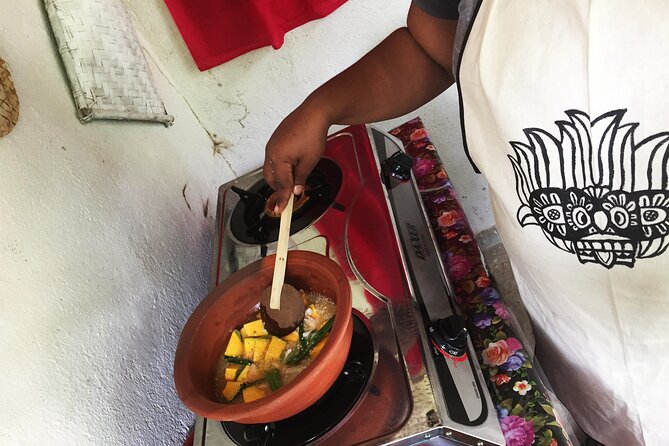
The cooking itself is only half the reason to choose the experience. You are also visiting a village near Kandy and spending time in a local home. That creates a more personal connection to Sri Lanka than eating one more restaurant meal in town.
The details from the experience point to a peaceful, cozy setting. You should not expect a major attraction or a long sightseeing program. The appeal is quieter: a family welcome, a home kitchen, conversation, and a meal made together.
Nilu and Janaka are central to that personal quality. Nilu teaches the food, while Janaka’s role in transport and conversation helps you understand more about the country beyond the recipe. The experience is especially useful early in your Sri Lankan trip, since it can help you recognize ingredients and dishes you will see elsewhere.
It is also a good choice if you want a break from scheduled sightseeing. Four hours is long enough to feel substantial but short enough to fit into a Kandy itinerary. You should allow extra time around the stated duration if your day is tightly planned, since pickup and drop-off timing can affect the total outing.
Is $25 a fair price?
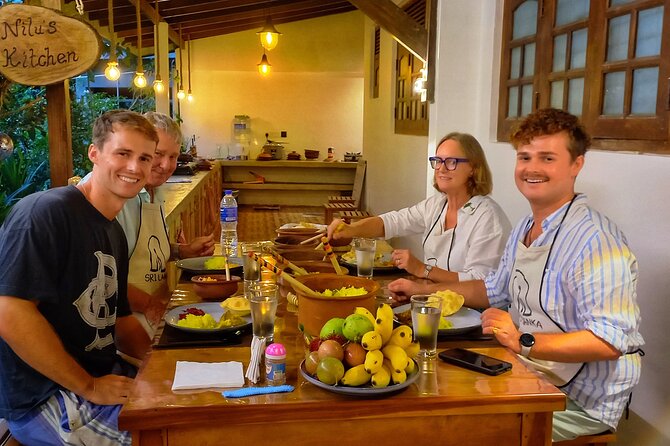
At $25 per person, this is priced below many private cooking lessons and includes several useful elements. You receive pickup and drop-off, instruction from Nilu, ingredients for the class, and a meal at the end. You are also paying for about four hours, not just a short tasting.
The value is strongest if you would otherwise pay separately for transport and lunch. The class gives you a skill to take home, which adds more value than a meal you simply finish and forget.
There are limits. This is not presented as an advanced class with a long menu. You may prepare dhal curry, pumpkin curry, or another simple combination rather than several elaborate dishes. The exact ingredients, printed materials, and menu are not specified.
Still, the price makes sense for a first introduction to Sri Lankan cooking. You are paying for a local setting, practical instruction, and time with a host family. For a serious food lover who wants restaurant-level technique, the class may feel basic. For most visitors who want a useful and personal introduction, it is well judged.
Who should book this Kandy cooking class?
I would recommend it to you if you enjoy food, local homes, and activities that involve doing rather than only looking. It is a particularly good fit if you want to bring one Sri Lankan dish home and make it again.
It also suits you if transport is a concern. The free pickup and drop-off make the village location easier, and Janaka’s English can help you get more from the journey and the setting.
You may want to choose another activity if you dislike group classes, do not eat the dishes being prepared, or want a fixed menu with several courses. The available details do not confirm dietary options, so tell the provider about any food restrictions before the class.
The class also asks for a little patience. Home cooking is not built around a strict stage schedule. You may spend time preparing ingredients, waiting for food to cook, and talking. That is part of the appeal, but it may not suit someone looking for a quick, tightly timed stop.
Booking is simple, with confirmation provided at the time of booking. Free cancellation is available if you cancel at least 24 hours before the start time. Inside that window, the payment is not refunded, and changes are not accepted. The activity also requires a minimum number of people, so if the provider cancels for that reason, you will be offered another date or experience, or a full refund.
Should you book Sri Lankan cooking class with Nilu?
Book it if you want a personal introduction to Sri Lankan food in a real home setting. The combination of Nilu’s cooking lesson, Janaka’s pickup and conversation, the small group limit, and the meal you prepare yourself gives the experience more substance than a standard restaurant visit.
The best reason to go is not the number of dishes. It is the chance to learn a simple curry you can make again, while spending time in a village near Kandy. At $25, with transport included, it is a practical and good-value choice for most food-minded visitors.
Skip it if you need a formal culinary course, a guaranteed multi-dish menu, or detailed dietary information that has not been confirmed. For everyone else, this is an easy way to add a human touch and a useful skill to a Kandy stay.
FAQ
Where does the cooking class take place?
The class takes place in a traditional Sri Lankan home kitchen in a village near Kandy.
How long does the experience last?
The experience lasts approximately four hours.
Is pickup included?
Yes. Free pickup and drop-off are offered.
Who teaches the cooking class?
Nilu teaches the cooking class. Her husband, Janaka, handles pickup and shares information about Sri Lanka during the drive.
What dishes will I learn to cook?
The class covers staples such as dhal curry and/or pumpkin curry. The exact combination may vary.
How many people can join the class?
The activity accepts a maximum of eight people.
How much does the class cost?
The listed price is $25 per person. Group discounts are available.
Can I cancel for a full refund?
Yes, if you cancel at least 24 hours before the experience start time. Cancellations made within 24 hours are not refunded.
Newly listed around Kandy
- Pinnawala private day trip from colombo or negombo★ 5.0 · 4 reviews
- Private all inclusive Day tour Kandy, Pinnawala, & your own selected attractions★ 5.0 · 13 reviews
- Air port Pick up and Drop to Kandy★ 5.0 · 4 reviews
- From Kandy to Nuwara Eliya Day Tour★ 5.0 · 21 reviews
- Kandy City Tour & Famous Ambuluwawa Tower with Friendly Chauffeur★ 5.0 · 11 reviews
- Private Tuk Tuk Tour of Kandy City & Surroundings★ 5.0 · 35 reviews
- Wasgamuwa National Park Safari from Kandy★ 5.0 · 3 reviews
- Sri Lanka 4 Day Private Tour★ 5.0 · 6 reviews
Cooking Classes, compared.
Organic cooking class sigiriya (kumara & family)
Read our review →
Sri Lankan Cooking Class with Neranji at Homestay
Read our review →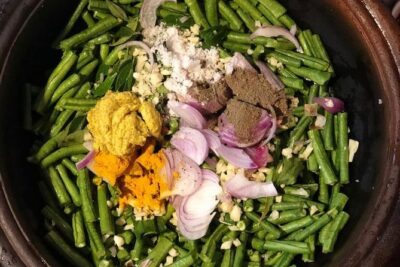
Browse the lists this tour appears in