
Reviewed · COOKING CLASSES
Nilaveli: Sri Lankan Cooking Class with a Local Family
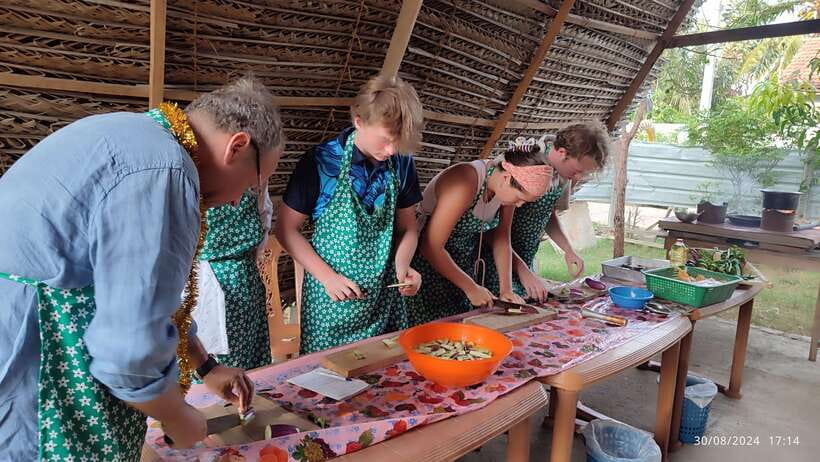
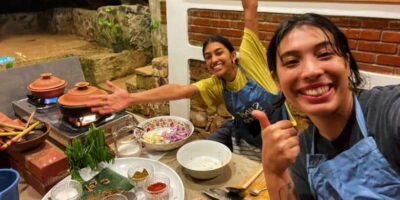
The best part of this Nilaveli cooking class is its setting: you cook with Nimali Dinushika and her family at their home, not in a polished hotel kitchen. You work with coconut, spices, rice flour, and fresh ingredients, then eat what you made.
I like the hands-on use of wood stoves and traditional methods, and I like that you can help shape the menu. The main consideration is that chicken, fish, and seafood cost extra, and the five-hour session may feel long if you want only a quick demonstration.
Key points at a glance
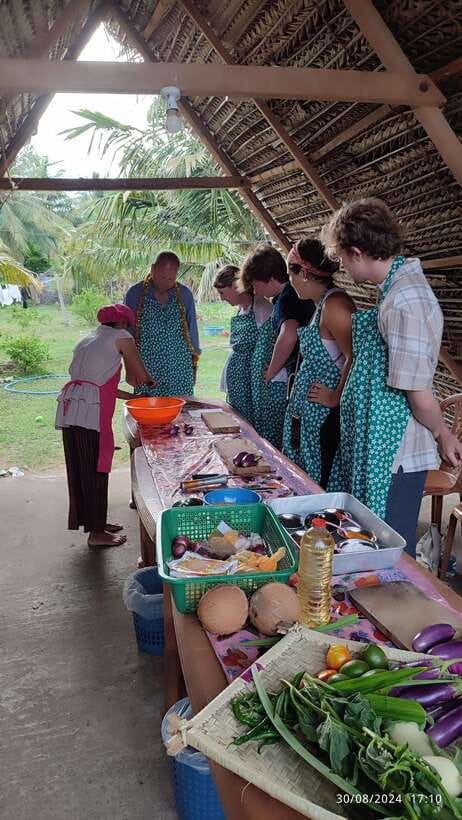
- Cook in a family home: Meet Nimali and her family and learn about the food they make at home.
- Make more than one curry: The menu can include rice and curry, string hoppers, hoppers, pittu, rotti, milk rice, sambols, sweets, and curry powder.
- Use wood-fired methods: Prepare food with traditional wood stoves rather than relying only on modern kitchen equipment.
- Plan your main dish: Vegetarian food is included, while fish or chicken costs an extra 2,000 LKR per person. Seafood prices depend on your request.
- Allow five hours: A typical session includes several hours of cooking followed by time to sit down and eat.
- Meet at a central local business: The meeting point is Pigeon Island Tours, at The Rice and Curry Seafood and The Dive Shop, where you will meet Nimali.
Cooking with Nimali in a Nilaveli home
This is a home-based food lesson in Nilaveli, on Sri Lanka’s east coast. You meet Nimali Dinushika and her family at the stated meeting point, then take part in a cooking session shaped around familiar Sri Lankan dishes.
The setting matters. A restaurant class can show you how to produce a finished plate, but cooking with a local family gives you a closer look at how food is prepared in an everyday home setting. You learn not just what goes into a curry, but how ingredients are handled, combined, and cooked with basic equipment.
The class is conducted in English and Singhalese. If you want clear explanations in English, you should feel comfortable asking questions as you work. The family setting also makes this a good choice if you want conversation and cultural contact along with your meal.
The experience is described as wheelchair accessible, though the activity takes place in a traditional home. If you have particular mobility needs, it is sensible to confirm the layout and cooking area before booking.
More Cooking Classes in Trincomalee:
- Ella: Traditional Sri Lankan Cooking Class
★ 4.9 · 788 reviews - Organic cooking class sigiriya (kumara & family)
★ 5.0 · 650 reviews - Kandy Village Cooking Class
★ 5.0 · 536 reviews
What you cook during the five hours
The menu covers a broad part of Sri Lankan cooking rather than focusing on a single curry. You may prepare:
- Rice and curry
- String hoppers
- Hoppers
- Pittu
- Rotti
- Milk rice
- Sambols
- Sri Lankan sweets
- Homemade curry powder
That range is one of the strongest reasons to book. You are not simply learning one recipe and going home. You get a look at several staples made from rice flour, coconut, rice, spices, and other basic ingredients.
String hoppers are fine, nest-like portions made from rice flour dough. Hoppers are bowl-shaped pancakes, often associated with breakfast or a light meal. Pittu combines rice flour and coconut in a crumbly, steamed preparation, while rotti gives you a firmer flatbread-style dish.
Milk rice offers a different texture and purpose. It is a soft rice preparation made for sharing and special occasions, and it gives the class a useful contrast to spicy curries and sambols. The class also includes Sri Lankan sweets, with one reported menu featuring halapa, a sweet made with flour and coconut leaves.
The exact menu is not fixed in every detail. You can tell the host what you would like to cook, and you should discuss your preferences in advance. Vegetarian food is part of the standard offer. Fish or chicken curry requires an extra 2,000 LKR per person, while seafood carries an additional charge based on what you request.
From spices to homemade curry powder
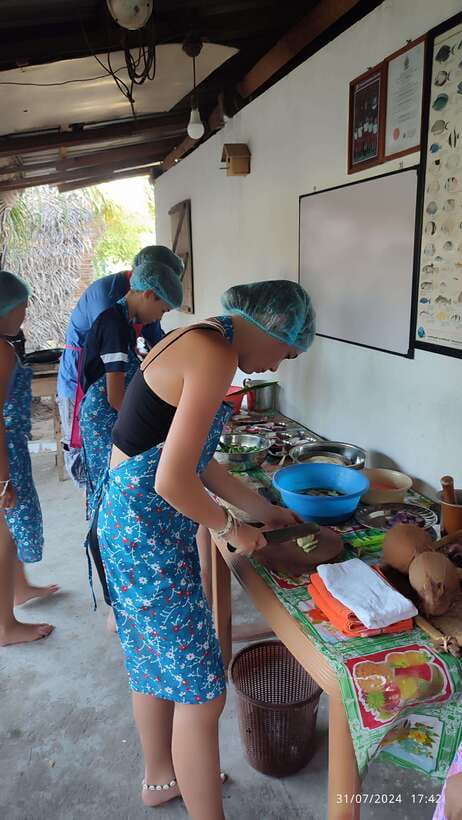
Sri Lankan food is built around seasoning, and this class gives you time to look closely at the ingredients. You learn about local spices and how they are used in different dishes rather than treating curry powder as a mystery packet.
Making curry powder is especially useful if you plan to cook Sri Lankan food at home. You can ask about the balance of spices and how the powder fits into the wider meal. The exact spice list and cooking instructions are not specified in advance, so your best approach is to take notes and ask Nimali to explain each ingredient as it is added.
Sambols also provide a good lesson in balance. They bring heat, acidity, freshness, and coconut to the plate, often in small amounts alongside rice and curry. One menu included two sambols made with coconut from a freshly fallen coconut, which was opened with a machete and served with its water. That sort of moment is not guaranteed, but it shows the practical, close-to-the-source character of the class.
Bring a small notebook or use your phone for notes if you want to recreate the dishes later. Recipes are included, but the value of the lesson comes from watching the process and asking why each step matters.
Wood stoves and the pace of the kitchen
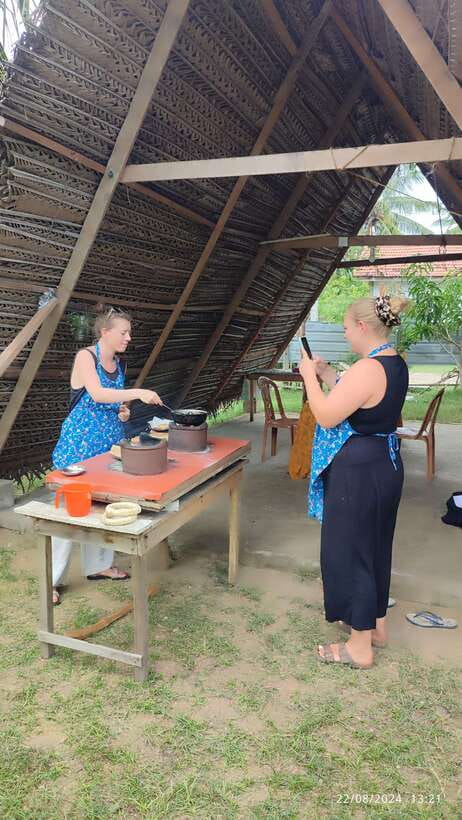
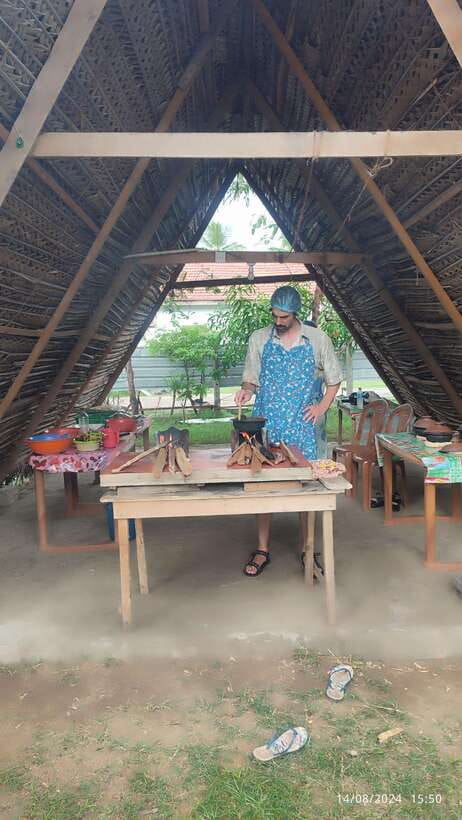
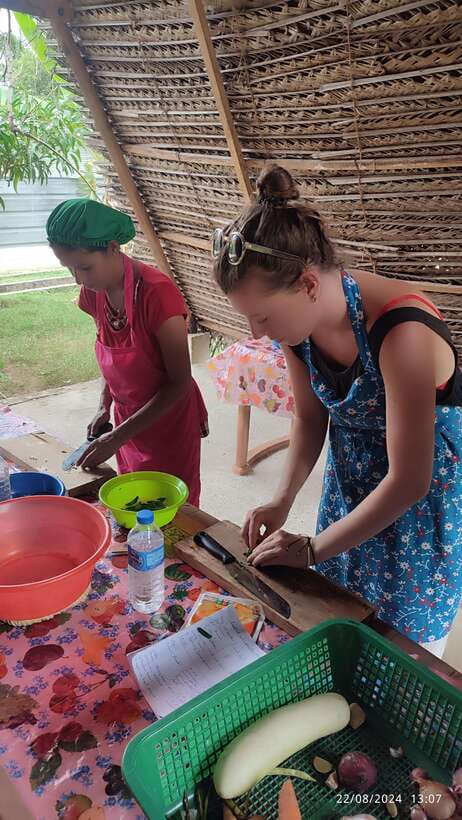
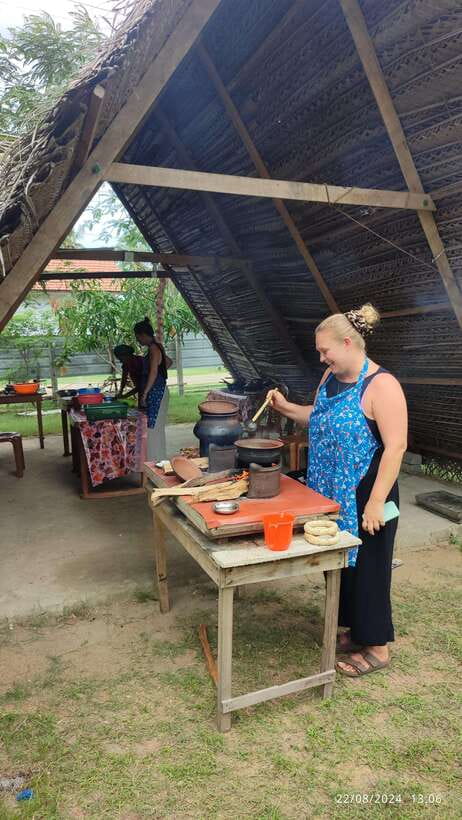
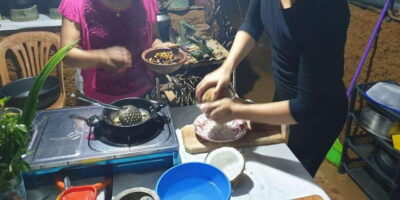
The cooking is done with firewood and wood stoves, using methods associated with a traditional Sri Lankan kitchen. This adds character, but it also changes the pace. You are not working with instant heat and a row of modern burners, so preparation can feel slower and more physical.
For me, that is part of the point. The wood stove helps you see how the cooking method affects timing, heat, and attention. You need to stay involved instead of stepping back while an instructor does everything.
The tradeoff is comfort. Cooking around firewood may be warm, smoky, or less convenient than cooking in an air-conditioned studio. Wear clothing that is comfortable and suitable for food preparation. A hat and sunscreen are also recommended, especially if parts of the activity take place outdoors or near the family’s garden.
Do not wear anything you would worry about around smoke, spices, or splashes. Alcohol, smoking, pets, and drugs are not allowed during the activity.
A few more Trincomalee days worth a look
- Trincomalee: Whales Watching and Navy Island Snorkeling Tour
★ 4.4 · 81 reviews - Snorkeling at Pigeon Island
★ 3.5 · 66 reviews - From Uppuveli Beach: Pigeon Island Snorkeling Tour
★ 4.5 · 58 reviews - Trincomalee: Whale & Dolphin Safari Tour with Expert Guides
★ 4.2 · 53 reviews
Sitting down to eat what you made
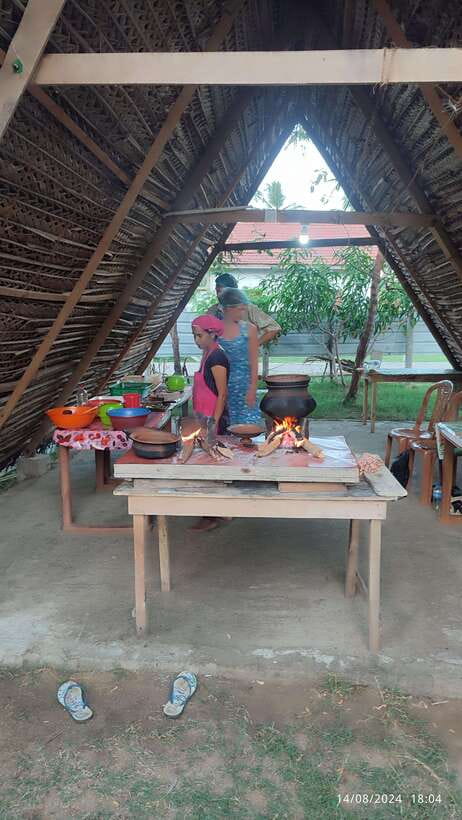
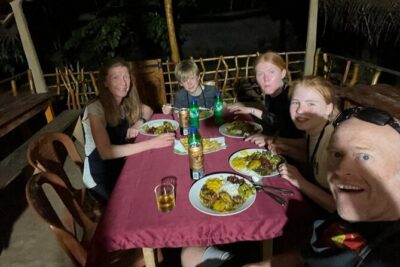
After the preparation, you sit down for the meal. The class includes dining, water, and a refreshment, so the five-hour schedule is not five hours of standing over a stove.
One account of the timing described roughly four hours of cooking and one hour of eating. That split gives you a useful idea of the pace: this is a full food activity, not a quick class followed by a rushed tasting.
The meal is the payoff, but it also works as a final lesson. You can taste how the curry, rice, breads, hoppers, and sambols fit together. If something is hotter, sweeter, or more strongly spiced than you expected, you can ask about the adjustment for next time.
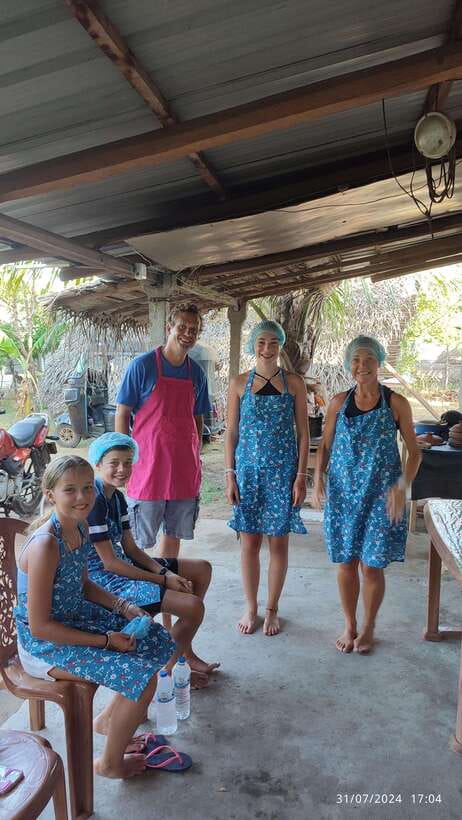
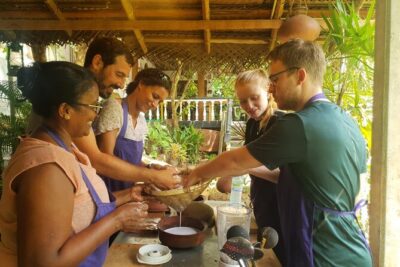
The social side is important. You may share the cooking and meal with other participants, and the family setting can make the session feel informal. Families with young children have been able to involve children aged four and six in the cooking. Still, children under two are not suitable for this activity, and the heat and cooking equipment require close supervision for older children.
Why the family setting adds value
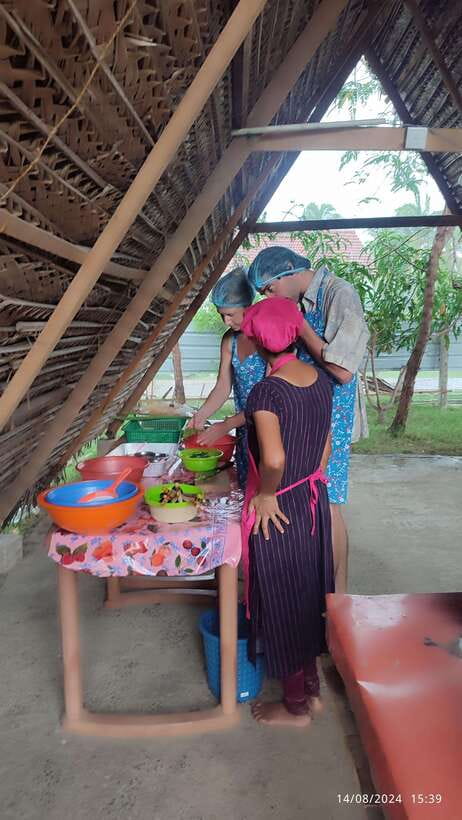
The food is the main reason to book, but the family connection gives the class more meaning. Nimali and her family share information about their lives and the dishes they cook, so you get a little context with each recipe.
This is not a staged sightseeing stop with a long explanation followed by a photo. You are asked to help. You handle ingredients, prepare dishes, watch the cooking, and eat at the same table.
That makes the class a good fit for you if you want a cultural activity that feels personal and practical. It is also useful if your Sri Lanka trip includes plenty of beaches and boat trips around Nilaveli and Pigeon Island, and you want one activity connected to home life.
The class is not the best match if you dislike group participation, cooking heat, or unfamiliar ingredients. It also may not suit people with food allergies, who are specifically listed as unsuitable for the activity. If you have dietary restrictions that are not allergy-related, tell the host in advance.
Price, menu choices, and what is included
At $22 per person, the price is reasonable for a five-hour activity that includes ingredients, cooking equipment, recipes, refreshments, and the meal. You are paying for instruction and food, but also for time with a local family and the use of a home kitchen.
The value is strongest if you take notes and plan to use the recipes later. A short restaurant meal may cost less, but it will not teach you how to make string hoppers, hoppers, pittu, rotti, milk rice, curry powder, and sweets.
Check the extra charges before you arrive. Vegetarian dishes are included, while fish or chicken curry costs an additional 2,000 LKR per person. Seafood has a separate price based on your request. If you want prawns, a particular fish, or another seafood dish, clarify the cost before the cooking begins.
Hotel pickup and drop-off are not included. Shopping tours are also not included, so you should arrange your own way to the meeting point at Pigeon Island Tours, The Rice and Curry Seafood, and The Dive Shop.
Practical advice for a smoother class
Tell Nimali about your food preferences, dietary restrictions, or allergies before the session. The host can discuss whether the menu can be adjusted, but the activity is not suitable for people with food allergies.
Wear loose, comfortable clothing that you can cook in. A hat and sunscreen are useful, and you may want closed shoes if you prefer extra protection around the cooking area. Bring water if you like to drink more than the included refreshment.
Plan your day around the full five hours. Do not schedule a tight transfer, boat trip, or other timed activity immediately afterward. The class includes several dishes, and cooking at a traditional pace can take longer than preparing one simple meal.
The activity is available in English and Singhalese. It is also offered with free cancellation up to 24 hours before the start time, and you can reserve now and pay later. Check the available starting times for your date because the start time is not fixed in the information provided.
Who will enjoy this most
I would choose this class if you want to do more than eat Sri Lankan food. It suits home cooks, curious eaters, couples, families with older children, and anyone who likes meeting local people through a practical activity.
It is especially good for people who want several recipes in one session. The combination of rice and curry, hoppers, string hoppers, pittu, rotti, sweets, sambols, and curry powder gives you plenty to remember.
Families can also consider it, since children aged four and six have taken part in the cooking. You will need to watch children around the firewood stove, knives, and hot food. Children under two are not suitable.
I would think twice if you have serious food allergies, want a polished cooking studio, or dislike spending several hours on one activity. You should also budget for the extra cost if a fish, chicken, or seafood menu is important to you.
Should you book the Nilaveli cooking class?
Book it if you want a personal, hands-on introduction to Sri Lankan food and you value the chance to cook with a family in their home. The wood stove, homemade curry powder, broad menu, and shared meal give the class more substance than a simple recipe demonstration.
Choose the vegetarian option for the clearest price. If you want chicken, fish, or seafood, ask about the added cost before booking. Bring comfortable clothes, allow the full five hours, and arrive ready to participate rather than simply watch.
At $22, this is a strong-value activity for a full half-day in Nilaveli, especially if you want recipes and cooking skills to take home along with the meal.
FAQ
Where does the cooking class meet?
The meeting point is Pigeon Island Tours, at The Rice and Curry Seafood and The Dive Shop. You will meet Nimali there.
How long does the activity last?
The cooking class lasts five hours. This can include about four hours of cooking and one hour of eating.
Who leads the cooking class?
The host is Nimali Dinushika, who teaches alongside her family.
Which languages are used?
The activity is conducted in English and Singhalese.
What dishes can I learn to make?
The class can include rice and curry, string hoppers, hoppers, pittu, rotti, milk rice, Sri Lankan sweets, sambols, and curry powder.
Is a meal included?
Yes. You eat the food prepared during the cooking class, and dining is included.
Are ingredients and cooking equipment provided?
Yes. Ingredients, personal cooking equipment, and traditional wood stoves are provided.
Does fish or chicken cost extra?
Yes. Fish or chicken curry costs an additional 2,000 LKR per person.
Is hotel pickup included?
No. Hotel pickup and drop-off are not included.
Can I cancel the booking?
You can cancel up to 24 hours in advance for a full refund. You can also reserve now and pay later.
Newly listed around Trincomalee
- Trincomalee : Whale & dolphin watching +pigeon island tour★ 4.5 · 3 reviews
- From Trincomalee: Village Tour & Minneriya Elephant Safari★ 5.0 · 8 reviews
- Trincomalee: Tuk-Tuk city tour with a guide★ 5.0 · 4 reviews
- Trincomalee: City Tour with Koneswarm and Crocodile lake★ 4.5 · 13 reviews
- Trincomalee : pigeon island tour + snorkeling★ 3.5 · 4 reviews
- Trincomalee: Dolphin & Whale Watching Boat Tour★ 4.2 · 37 reviews
- Trincomalee: Guided scooter City Tour★ 5.0 · 3 reviews
- Whale & Dolphin Watching Trincomalee★ 4.5 · 4 reviews
Cooking Classes, compared.
Organic cooking class sigiriya (kumara & family)
Read our review →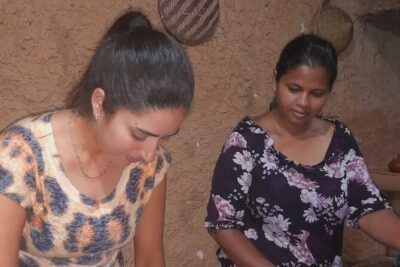
Sri Lankan Cooking Class with Neranji at Homestay
Read our review →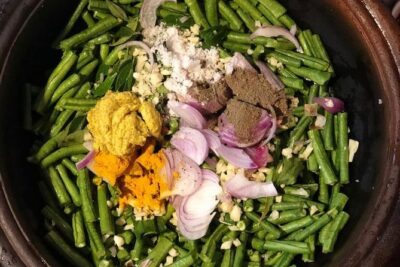
Browse the lists this tour appears in