
Reviewed · ANURADHAPURA TOURS
Hands-On Cooking Class in Anuradhapura: Cook Like a Local
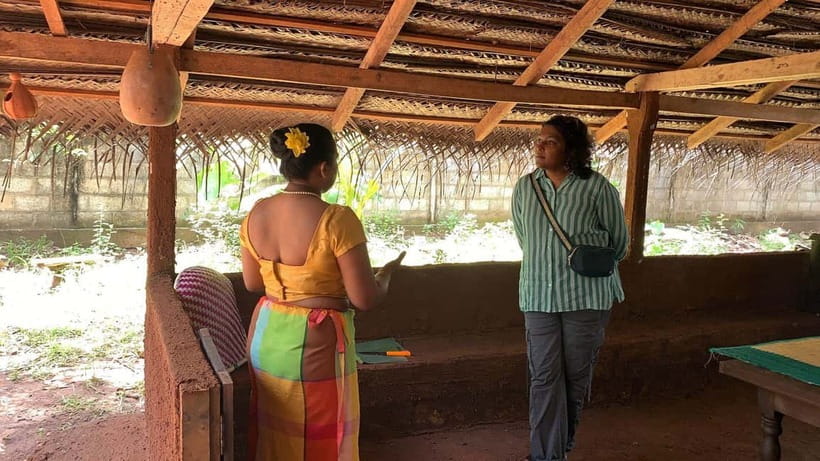
An ancient-style clay kitchen, a coconut-leaf roof, and a wood fire give this Anuradhapura cooking class its special character. You do not just watch someone prepare curry. You grind the spices, scrape the coconut, handle the traditional tools, and cook a full village meal from start to finish.
I like the hands-on work, especially using the miris gala stone grinder and hiramanaya coconut scraper. I also like the unusual local menu, with ambarella, banana blossom, lake fish, and kathurumurunga greens alongside familiar rice and pumpkin curry.
The main consideration is comfort. This is a rustic, open-air kitchen rather than a polished cooking studio, and mosquitoes may be present. Bring repellent, as one recent participant found it useful.
Key points to know before you book
- Cook in a clay kitchen: The class takes place under a traditional coconut-leaf shelter at GK Immersions in a village setting.
- Use old household tools: You grind spices on a miris gala and scrape coconut with a hiramanaya.
- Make a full Sri Lankan meal: The menu includes rice, lake fish curry, ambarella curry, banana blossom mallum, coconut sambal, pumpkin curry, and greens.
- Learn through doing: You cook over a wood-fired stove with clay pots, coconut-shell firewood, and fresh garden ingredients.
- Finish with local sweets: Fresh curd, treacle, and ripe fruit round out the meal.
- Private and flexible: The three-hour class is for a private group, with an English-speaking instructor, wheelchair access, and cancellation up to 24 hours before the start.
A village kitchen instead of a cooking studio
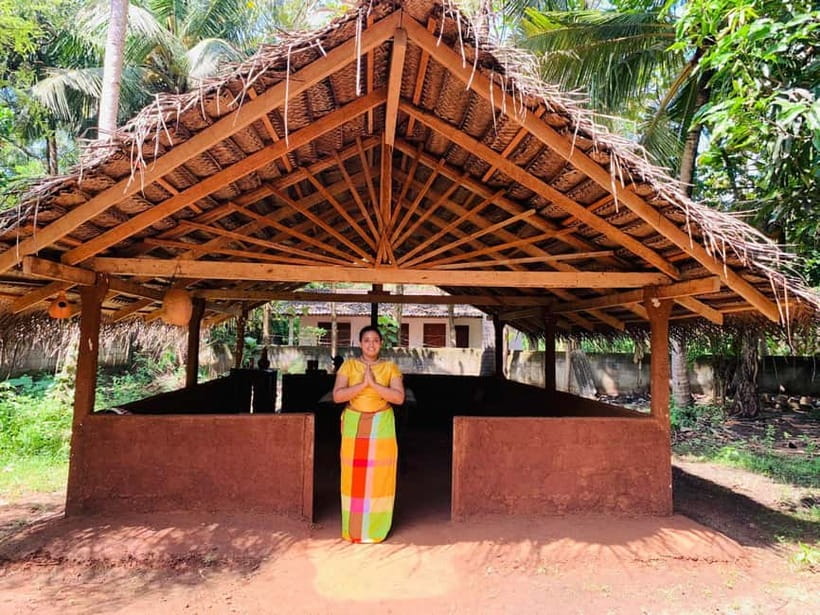
This class takes place at GK Immersions, in a clay house kitchen shaded by a coconut-leaf shelter. The setting matters. You are not in a hotel kitchen with stainless-steel counters and electric burners. You are in a simple village-style space built around the tools and methods used in Sri Lankan homes.
That gives the class a clear sense of place. The coconut roof, clay walls, wood fire, and garden ingredients connect the food to daily life in the North Central Province. The setting also gives you a better feel for Rajarata, the ancient kingdom associated with the Anuradhapura area.
The class lasts three hours, which is long enough to cover several cooking methods without turning the day into a full-day commitment. It fits well between visits to Anuradhapura’s ancient sites, though the exact starting times depend on availability.
The group is private, so you can ask questions and work at your own pace. That is useful if you want help with unfamiliar ingredients, or if you are traveling with children or family members who need more time with the tools. The class is wheelchair accessible, though the provided details do not explain the exact surfaces or route into the clay kitchen. If access is important for you, confirm those practical points before booking.
More Cooking Classes in Anuradhapura:
- Ella: Traditional Sri Lankan Cooking Class
★ 4.9 · 788 reviews - Organic cooking class sigiriya (kumara & family)
★ 5.0 · 650 reviews - Kandy Village Cooking Class
★ 5.0 · 536 reviews
Starting with coconut, stone, and fire
The class begins with the basic tasks that shape Sri Lankan cooking. These are not show-and-tell demonstrations. You get to handle the tools yourself.
One memorable activity is picking your own coconut straight from the tree. The experience does not simply treat coconut as a packaged ingredient. It shows how an important part of the Sri Lankan kitchen moves from tree to table.
You then work with a miris gala, a traditional stone grinder. Grinding spices by hand releases their aroma in a way that prepared spice powder cannot quite match. It also helps you understand why Sri Lankan curries have such a fresh, layered smell before the cooking even starts.
The hiramanaya, used for scraping coconut, offers another small but useful lesson. Fresh coconut appears in several parts of the meal, including sambal, mallum, and curry. Scraping it yourself turns an ordinary ingredient into a practical piece of local food culture.
These jobs may look simple, but they explain the foundation of the meal. You see how much work sits behind a bowl of curry, and you learn why fresh coconut and freshly ground spices matter.
Cooking over a wood-fired stove
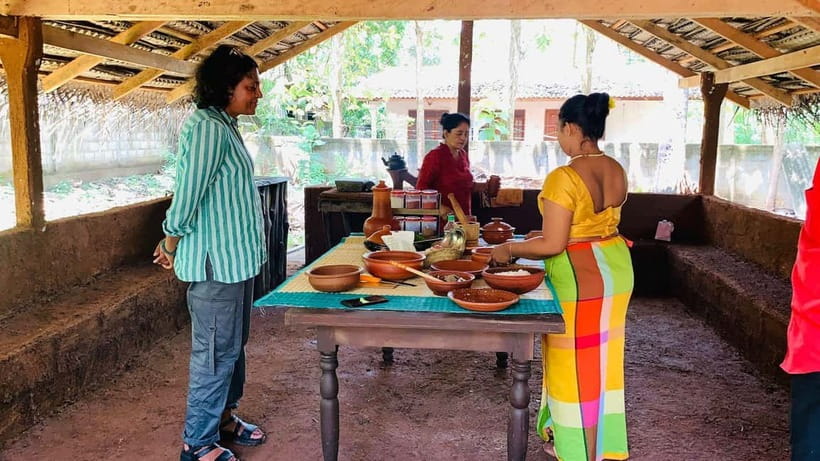
The main cooking takes place over a traditional firewood stove. Coconut-shell firewood helps create the heat, while clay pots bring the meal closer to older village methods.
Cooking over a fire changes the pace. You need to pay attention to the heat, the order of the ingredients, and the texture of each dish. The process is less automatic than cooking on a modern hob, and that is part of the lesson.
The smoke can add a pleasant flavor, especially to food cooked slowly in clay pots. It can also make the kitchen warmer and smokier than you might expect. If you prefer a cool, highly controlled kitchen, this may feel basic rather than luxurious. If you want to understand how traditional village meals are made, the fire is one of the most valuable parts.
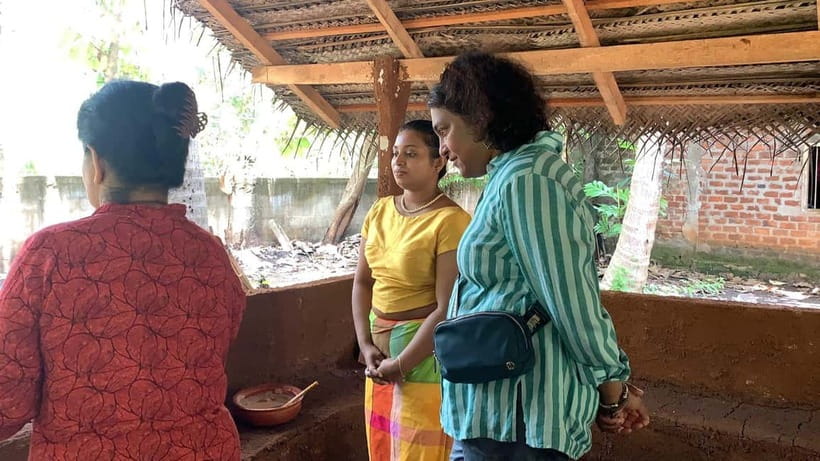
An English-speaking instructor guides the session. The focus is on which spices and vegetables to use, how the tools work, and how the dishes come together. The instruction is practical, with enough background to connect the cooking to Sri Lankan customs and village life.
The Sri Lankan menu, dish by dish
The class prepares a generous spread rather than one or two sample dishes. That makes the $40 price easier to assess, since you are paying for instruction, ingredients, cultural context, and a complete meal.
A few more Anuradhapura days worth a look
- Private City Day Tour in Anuradhapura
★ 5.0 · 383 reviews - Minneriya National Park Elephant Jeep Safari Private Tour
★ 5.0 · 68 reviews - Explore & Ride the history of anuradhapura with Vogel Tours
★ 5.0 · 62 reviews - Minneriya National Park | Private Safari
★ 5.0 · 59 reviews
Rice, the center of the plate
You prepare either yellow rice or white rice. Rice is the base of the meal, and the curries are designed to be eaten with it.
White rice offers a plain foundation for the stronger flavors. Yellow rice brings color and seasoning to the plate. Either choice helps show how Sri Lankan meals are assembled, with rice surrounded by several smaller dishes rather than one large main course.
Ambarella curry
Ambarella is a tropical fruit used here as a savory curry ingredient. It brings a tangy flavor that differs from the sweeter fruits most visitors expect.
This is one of the more distinctive dishes in the class. It gives you a chance to taste a local fruit in an entirely different form, and it shows how Sri Lankan cooking makes use of ingredients that may not appear on a standard restaurant menu.
Banana blossom mallum
Banana blossom becomes an earthy, textured dish rather than a sweet fruit course. The blossom requires preparation before cooking, so it adds another useful look at how local cooks handle plant ingredients.
The result is a good contrast with the curries. You get texture and a mild vegetable flavor, along with coconut and spices. For anyone interested in plant-based Sri Lankan food, this is one of the most informative parts of the menu.
Lake fish curry
The lake fish curry brings a local water source into the meal. Fish is cooked with spices and creamy coconut milk, creating one of the richer dishes on the table.
The exact fish may depend on what is available, and no specific lake or species is given. What you can expect is a regional preparation built around local fish, coconut, and spice. It is a useful reminder that Sri Lankan food varies by place, with inland and coastal kitchens drawing on different ingredients.
Kathurumurunga mallum
Kathurumurunga is used as a leafy green and mixed gently with coconut and spices. The dish is lighter than the fish curry and gives the meal a fresh vegetable component.
You may not recognize the ingredient, which is part of the appeal. The class introduces you to a green that is common in local cooking but less familiar to many international visitors.
Coconut sambal
Freshly scraped coconut, red chili, lime, and onion make up the coconut sambal. It is simple, fiery, and easy to remember.
This is a dish where you can adjust your idea of balance. The coconut softens the chili, while lime brings a sharp edge. Because you make it yourself, you can see how a few basic ingredients create a powerful side dish.
Pumpkin curry
Pumpkin curry adds a gentle sweetness and creamy texture to the plate. It is a comforting counterpoint to the sharper ambarella and spicy sambal.
The full menu works because the dishes do not all push in the same direction. You get tangy fruit, earthy blossom, soft pumpkin, leafy greens, spicy coconut, fish, and rice. That variety is more useful than learning a single showpiece recipe.
Sitting down to eat what you prepared
After the cooking, you sit down to eat the meal you helped make. The final spread includes the rice, fish curry, several vegetable dishes, sambal, and pumpkin curry.
This shared meal is the payoff, but it also helps you understand Sri Lankan eating habits. A plate is built from several tastes and textures, with small amounts of different dishes combined with rice. You can compare how the smoky fire, fresh coconut, and ground spices affected the final results.
Dessert stays simple. You finish with fresh curd and treacle, along with ripe papaya. The curd and treacle provide a cool, creamy finish, while papaya keeps the ending light.
Because the food is prepared during the class, timing can depend on the pace of your group and the cooking process. This is not a quick meal followed by a rushed demonstration. Set aside the full three hours.
What $40 buys you
At $40 per person, this is not the cheapest way to eat in Anuradhapura. A local restaurant meal will cost less, and you can sample Sri Lankan curry without spending an afternoon in a kitchen.
The value comes from the added work and access. You receive an English-language lesson, a private group setting, traditional tools, a full meal, and direct practice with techniques that are difficult to pick up from a menu. You also get ingredients and dishes that may not be easy to identify or order on your own.
I would consider the price fair for someone who wants more than a meal. It is less compelling if you only want to taste curry or if your schedule is already packed with the ancient city sites.
The private format adds value for couples, families, and small groups. You do not have to compete for access to the grinder or stove, and you can ask about each ingredient as you work. Since there are only five published ratings at the time of the supplied information, I would treat the perfect score as encouraging but not as the only reason to book. The strongest repeated praise focuses on clear instruction, the cultural background, the tools, and the food itself.
Who will enjoy this class most
I would recommend this class to food lovers who want to understand how Sri Lankan dishes are made, not just eat them. It also suits anyone looking for a cultural activity in Anuradhapura that takes place outside the main archaeological attractions.
It works especially well for:
- Couples who want a private activity with a meal included
- Families interested in practical, hands-on learning
- Visitors curious about village cooking methods
- Vegetarians who want to explore Sri Lankan vegetable dishes, though the standard menu includes fish
- Home cooks who want to learn about stone grinding, coconut preparation, clay pots, and wood-fire cooking
- Anyone with three hours to spare between sightseeing plans
You may want to reconsider if you dislike heat, smoke, rustic conditions, or strong chili. The class includes several spicy elements, especially the coconut sambal, and the outdoor-style setting may bring mosquitoes. Pack repellent and wear practical clothing.
Planning the visit in Anuradhapura
The meeting point is the clay house kitchen at GK Immersions. You can find it on Google Maps by searching for GK Immersions, Best Things to Do Provider in Anuradhapura.
The class is conducted in English. No guide name is provided, but the instructor explains the ingredients, tools, and cooking methods in English. The experience is a private group activity rather than a large shared class.
You can reserve now and pay later, which helps if your Anuradhapura schedule is still changing. Free cancellation is available up to 24 hours in advance for a full refund. Starting times vary, so check availability when choosing your date.
The provided details do not mention hotel pickup or transportation. Plan to reach the meeting point independently unless the provider confirms another arrangement.
Should you book the Rajarata cooking class?
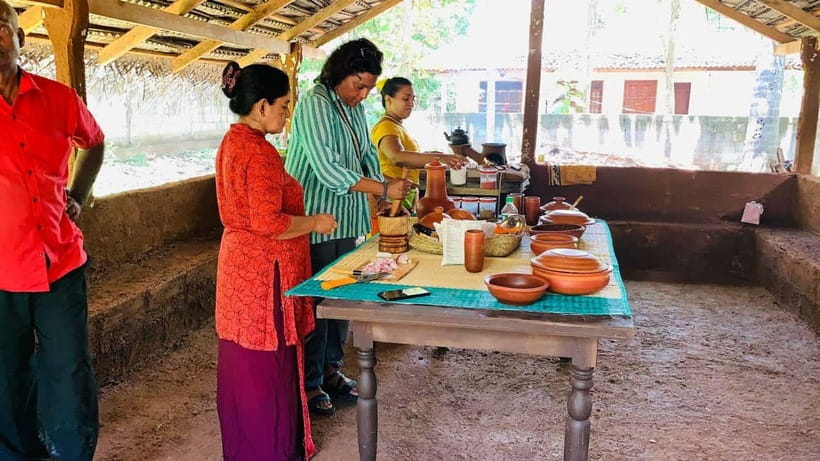
Book it if you want to spend three hours doing something local and practical rather than simply looking at ancient monuments. The stone grinder, coconut scraper, wood-fired stove, and unusual ingredients give the class a strong sense of place.
I especially like that the meal is broad enough to show how Sri Lankan food works as a group of dishes. You are not just learning one curry. You are seeing how rice, fish, fruit, greens, coconut, and spices share the plate.
Skip it if your priority is a short activity, a modern kitchen, or the lowest-cost meal in town. For everyone else, $40 is a reasonable price for a private, English-language lesson followed by a substantial homemade lunch or dinner. Bring mosquito repellent, arrive ready to work, and expect a warm, smoky, very hands-on introduction to village cooking in the Anuradhapura area.
FAQ
Where does the cooking class take place?
The class takes place at the GK Immersions clay house kitchen in Anuradhapura, under a traditional coconut-leaf shelter in a village setting.
How long is the cooking class?
The experience lasts three hours.
How much does the class cost?
The listed price is $40 per person.
What language is the class conducted in?
The instructor teaches in English.
Is the cooking class private?
Yes. The activity is offered as a private group experience.
What dishes will I prepare?
The menu includes rice, lake fish curry, ambarella curry, kathurumurunga mallum, coconut sambal, pumpkin curry, and banana blossom mallum. Dessert includes curd with treacle and ripe fruit.
Can I cancel the booking?
Yes. You can cancel up to 24 hours in advance for a full refund.
Is the cooking class wheelchair accessible?
Yes, the activity is listed as wheelchair accessible. The provided information does not describe the exact route or surfaces at the clay kitchen, so confirm any specific access needs before booking.
Newly listed around Anuradhapura
- Day Tour Anuradhapura from Kandy by Lux Tours Lanka★ 4.5 · 5 reviews
- Wilpattu Half Day Safari From Anuradhapura★ 5.0 · 4 reviews
- Adventure safari Experience in Hurulu Eco Park, Sri Lanka★ 5.0 · 18 reviews
- One Day Tour – Sacred city of Anuradhapura & Sacred city of Mihintale. (Sunset)★ 4.5 · 23 reviews
- Kaudulla National Park Shared Safari★ 5.0 · 7 reviews
- Private Round Tour in Sri Lanka with Vehicle★ 5.0 · 6 reviews
- Minneriya National Park Half Day Elephant Safari★ 5.0 · 4 reviews
- Hurulu Eco Park Half Day Safari★ 5.0 · 18 reviews
Anuradhapura Tours, compared.
Minneriya National Park Elephant Jeep Safari Private Tour
Read our review →

Wilpattu National park – Morning or Afternoon Safari
Read our review →

Minneriya National Park Safari – Private Jeep with Hotel Pickup
Read our review →
Delve Into Ancient Anuradhapura with Optional Visit to Mihintale
Read our review →

Minneriya National Park Safari [private , full package]
Read our review →Browse the lists this tour appears in