
Reviewed · ANURADHAPURA TOURS
Private City Day Tour in Anuradhapura
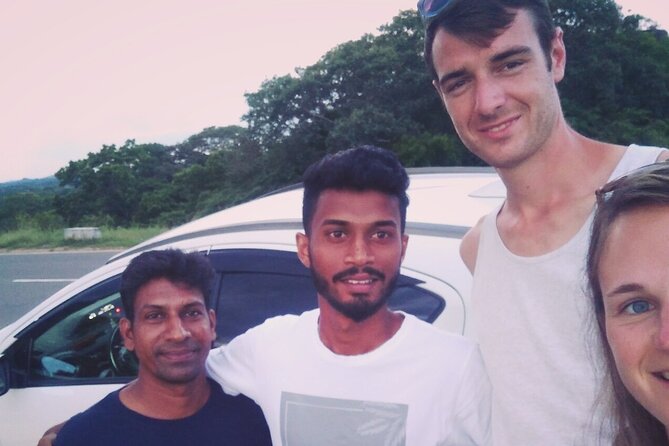
Anuradhapura is too spread out to appreciate well on foot, and this private tour gives you a smart way to cover its sacred core in half a day. Guide Navin leads you between ancient stupas, royal ruins, pools, and temples, explaining how Buddhism and Sri Lankan kings shaped the city.
I especially like the private format, which lets you ask questions and move at your own pace, and the tuk-tuk transport, which makes the wide archaeological area feel manageable. The main thing to consider is the cost of admission: the tour is $30 per person, but the old town entrance fee is another $30 per person, payable locally.
Key points to know before booking
- Twelve major stops: See the city’s best-known Buddhist monuments, royal remains, pools, and carved stone details in one half-day.
- Navin leads the tour: Expect clear explanations about Buddhism, Sri Lankan culture, and Anuradhapura’s past, with plenty of room for questions.
- Private tuk-tuk transport: Travel between sites without arranging separate rides or walking long distances in the heat.
- A brisk ancient-city overview: The listed visit time is about 25 minutes at each stop, so this is designed as an introduction rather than a deep archaeological study.
- Budget for the entrance fee: Admission is not included and is listed at $30 per person, in addition to the tour price.
- Best started early: Morning touring can mean cooler conditions and fewer people around the sacred sites.
Why Anuradhapura works best with a guide and wheels
Anuradhapura was one of Sri Lanka’s great ancient capitals, but its monuments are scattered across a large area. The sites are not arranged like a compact old town where you can simply wander from one landmark to the next.
That is why the private transport matters. You can visit major stupas and temples without spending much of your limited time working out directions, finding a vehicle, or walking long stretches between ruins. The tour provides private transportation, bottled water, and a licensed tourist guide.
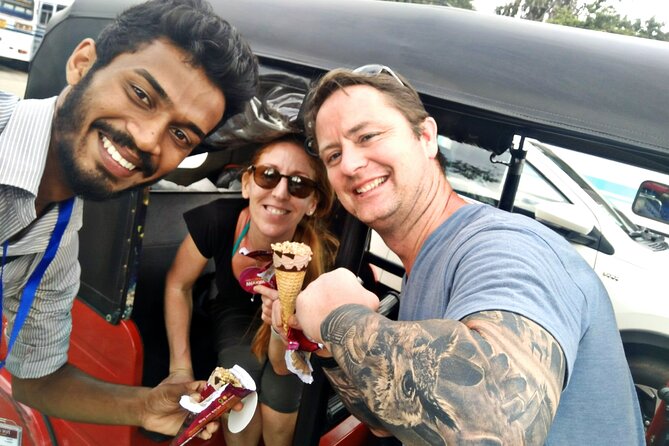
The tuk-tuk adds a local feel to the outing. Several people who took the tour enjoyed moving through the green center by tuk-tuk, and one even had a short chance to drive after a lesson. That driving opportunity is not presented as a guaranteed part of the tour, so treat it as a possible extra rather than a promised feature.
Navin’s role is just as important as the vehicle. His explanations cover the monuments, Buddhism, Sri Lankan culture, and everyday questions about the country. You are not limited to a memorized speech. The private setup gives you space to ask about religious symbols, royal power, temple customs, or practical travel in Sri Lanka.
A few more Anuradhapura days worth a look
- Minneriya National Park Elephant Jeep Safari Private Tour
★ 5.0 · 68 reviews - Explore & Ride the history of anuradhapura with Vogel Tours
★ 5.0 · 62 reviews - Minneriya National Park | Private Safari
★ 5.0 · 59 reviews
Jaya Sri Maha Bodhi and the sacred heart of the city
The tour begins at Jaya Sri Maha Bodhi in Mahamewna Gardens. This sacred fig tree is regarded as the oldest historically documented tree in the world and is one of the most important living Buddhist sites in Sri Lanka.
You should expect a religious setting rather than a simple sightseeing stop. People come to pray, make offerings, and pay respect. The tree is valued as a living connection to the Buddha, and its importance makes this one of the stops where respectful behavior matters most.
About 25 minutes is allocated here. That is enough for an introduction, a look around, and quiet time at the site, but not a long private meditation or a detailed study of every surrounding building. Wear clothing that covers shoulders and knees, and remember that shoes may need to be removed at temple areas.
Lowamahapaya and the scale of ancient monastic life
The next stop is the Brazen Palace, also called Lowamahapaya. Its name refers to a vast monastic building traditionally described as having nine stories, with a refectory, assembly hall, and chapter house.
What you see today is not a towering palace. The value of the stop is in imagining the scale and organization of the ancient monastery that once occupied this space. Navin can help connect the remaining site to the wider religious center around it.
This is a good example of why a guide helps. A field of pillars or foundations may look plain at first glance. With context, you begin to see a working institution with dining, teaching, meetings, and administration rather than a collection of old stones.
Ruwanwelisaya, one of Sri Lanka’s great white stupas
Ruwanwelisaya is one of Anuradhapura’s most recognizable monuments. Built by King Dutugamunu and completed by his younger brother, it remains a major place of worship and pilgrimage.
The great rounded stupa is visually impressive, but the religious meaning is just as important. This is an active sacred place, not only an archaeological display. You may see worshippers circling the monument or making offerings, so your visit should be calm and suitably dressed.
The 25-minute stop gives you time to see the monument and hear its story. It may feel short if you want extensive photographs or a slow walk around the full enclosure. Still, as part of a half-day route, it gives you a useful introduction without allowing one site to consume the whole morning.
Same base, a completely different kind of day out:
- Wilpattu National park – Morning or Afternoon Safari
★ 4.3 · 57 reviews - From Anuradhapura: All Inclusive Full Day Safari at Wilpattu
★ 4.4 · 50 reviews - Minneriya National Park Safari – Private Jeep with Hotel Pickup
★ 5.0 · 44 reviews - Delve Into Ancient Anuradhapura with Optional Visit to Mihintale
★ 5.0 · 42 reviews
Abhayagiriya and the ambition of ancient kings
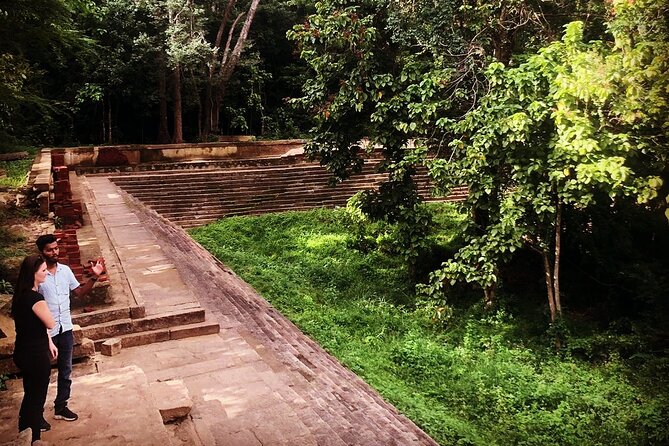
Abhayagiriya Stupa shows the scale of Anuradhapura at its height. The structure once reached about 122 meters, making it one of the tallest buildings in the world when it was built under King Mahasena.
Today, the site helps you understand that ancient Sri Lankan Buddhism was supported by large monastic communities, engineering skill, and royal resources. Abhayagiriya was not an isolated monument. It belonged to a major religious complex with its own buildings, water systems, and ceremonial spaces.
This is another stop where a guide can turn size into meaning. Rather than simply taking a photograph of a large mound, you can ask how such a structure fitted into the city and why stupas mattered so much to kings and worshippers.
Kuttam Pokuna and the practical side of monastic life
The Twin Baths, or Kuttam Pokuna, offer a change of mood after the giant stupas. These two carefully built bathing pools are among the best-preserved examples of ancient water management in Anuradhapura.
Their design shows that the old city was not only about grand religious monuments. Monastic life required bathing areas, reservoirs, drainage, and systems for managing water in a dry part of the island.
The pools are a rewarding stop for visitors who like details. Look at the steps, edges, and stonework rather than treating the site as only a scenic photo opportunity. With roughly 25 minutes here, you can appreciate the craftsmanship before moving on.
Samadhi Statue and the meaning of a calm expression
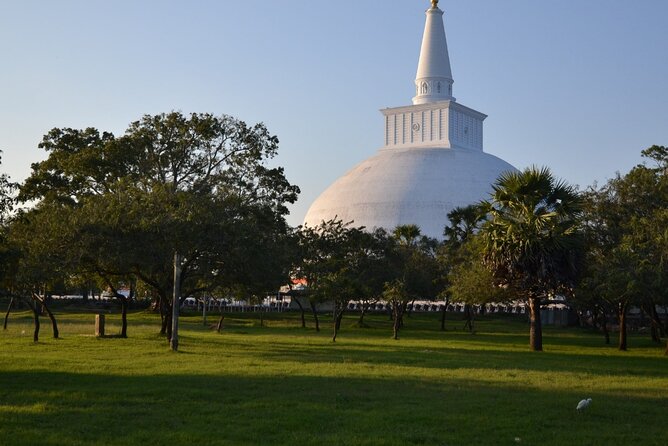
The Samadhi Buddha is a celebrated image of the Buddha seated in meditation. The statue’s posture is associated with deep concentration, and it is one of the most recognizable Buddhist sculptures in the ancient city.
This is a quieter stop than the large stupas. The power of the statue comes from its stillness and expression, not its size. Navin can explain the meditation posture and place the image within Buddhist practice, which helps you look beyond the surface details.
You may find this stop especially useful if you are new to Buddhist art. The private tour gives you an easy chance to ask basic questions without feeling you are holding up a larger group.
Jethawanaramaya and the city’s monumental brickwork
Jethawanaramaya was once more than 120 meters high and ranked among the tallest brick structures in the world. Its huge brick mass gives you a clear sense of the engineering ambition behind Anuradhapura’s sacred buildings.
The monument was built during the reign of King Mahasena and formed part of a major Buddhist complex. As you look across the site, it is worth considering the labor, materials, and planning needed to build at this scale without modern machinery.
The stop is also a reminder that Anuradhapura was a center of learning and power, not merely a collection of religious shrines. A good explanation makes the connection between architecture, kingship, and devotion easier to follow.
Moonstone, guardstones, and small details worth noticing
The Sandakada Pahana, or moonstone, is a carved semicircular slab placed at the base of a staircase or entrance. It is one of the most distinctive features of ancient Sri Lankan architecture.
This may be one of the tour’s smaller stops, but it rewards close attention. The carving and placement can express ideas about entering a sacred space. At first, the stone might seem like a decorative threshold. With guidance, it becomes a compact piece of religious art and symbolism.
The nearby Rathna Prasadaya and guardstone area continues that lesson. Ancient builders gradually used stone instead of wood for guardstones, moonstones, and balustrades because stone lasted longer. These details are easy to miss when you focus only on the giant dagobas, so I like that the route includes them.
Eth Pokuna and the engineering behind the holy city
Eth Pokuna, or Elephant Pond, is a massive ancient reservoir associated with the monastic complex. Its reported dimensions are about 159 meters long and 52 meters wide, giving you a sense of the scale of water storage in the old capital.
The name helps convey its size, but the practical purpose matters more. Large water works supported religious communities and helped make life possible in a region where managing water was essential.
This stop broadens the tour beyond monuments and religious history. You see how architecture, infrastructure, and daily life were tied together. It is also a useful pause from the more crowded sacred sites, depending on conditions that day.
Thuparama and the oldest stupa tradition
Thuparamaya is considered Sri Lanka’s oldest stupa, dating to the third century BC. It was built by King Devanampiya Tissa and is associated with a sacred relic of the Buddha.
Its age gives the stop special weight, but the structure is not simply a ruin to be checked off a list. It remains part of a living religious tradition. You should take care with clothing, footwear, and photography, following local signs and the guide’s advice.
The short stop is enough to understand why Thuparama matters. If you want long periods at each shrine, this tour’s broad route may feel fast. If you want to see the main religious landmarks in one outing, the pace is practical.
Isurumuniya Temple and the final change of scene
Isurumuniya Temple is a rock temple known for its stone carvings. It was built in the third century BC and began as a sanctuary for Buddhist monks.
The rock setting gives it a different character from the open stupa compounds. The carvings are the main reason to pay attention here, and this is another place where Navin’s explanations can help you notice features you might otherwise pass without understanding.
Because Isurumuniya comes near the end of the route, it works as a satisfying final stop. You have seen monumental stupas, water systems, royal remains, and small architectural details. The temple brings those themes together in a more intimate setting.
What the four to five hours really give you
The route lists 12 stops, with about 25 minutes at each. If you add those visit blocks, the schedule is already substantial, before allowing for tuk-tuk travel, entry procedures, walking, questions, and short pauses.
So think of this as a well-planned overview, not a slow archaeological survey. You will see the key sites and receive context for each one, but you may not have time to linger at every monument. The private format helps because you can ask to spend longer at a place that matters most to you, though fitting all 12 stops into four to five hours may require a brisk rhythm.
Morning is a sensible choice. One person specifically found the early hours cooler and less busy. Another practical point is footwear: shoes are not permitted at temple areas, and the paving can become very hot. Thick socks or two pairs are useful protection.
Price, admission, and what you receive
The advertised tour price is $30 per person. That includes private transportation, bottled water, a professional licensed tourist guide, and hotel pickup when offered for your location.
The old town entrance fee is not included and is listed separately as $30 per person, payable on site by cash or card. That means you should budget about $60 per person before any optional food or personal spending. The added admission changes the value calculation, but the tour still makes sense if you want transport and a guide rather than arranging each part yourself.
The strongest value comes from the combination of logistics and interpretation. Anuradhapura’s sites cover a wide area, and a private guide can explain why each place matters instead of leaving you with a sequence of impressive but disconnected ruins.
Who will get the most from this tour
I would choose this tour if you have one day or less in Anuradhapura and want to cover the main sights efficiently. It suits first-time visitors, couples, families, and anyone who wants to ask questions about Buddhism or Sri Lankan culture.
Families may appreciate the private setting. Navin has been particularly effective at keeping children engaged, and the tuk-tuk rides break up the walking and temple visits. The chance to stop, ask questions, and keep the outing informal is useful with younger children.
It also suits independent-minded visitors who dislike large groups. You are not locked into a fixed crowd, and the tour can proceed at your group’s pace within the overall four to five-hour schedule.
I would look elsewhere if you want a specialist archaeology tour, long photography sessions, or a full-day study of every complex. The route is broad and lively, but its purpose is to introduce the city’s major sites in a manageable half-day.
Should you book the Anuradhapura city tour?
Book it if you want to understand Anuradhapura while seeing its major landmarks without wrestling with the distances yourself. Navin brings a friendly, energetic style, explains Buddhism in clear terms, and is open to questions about Sri Lanka beyond the monuments.
The key caution is financial and practical: admission costs another $30 per person, and 12 stops in four to five hours means you will keep moving. If that sounds like a fair trade for private transport, local insight, and a strong first look at the ancient city, this is a sensible choice.
FAQ
How long does the Anuradhapura private city tour last?
The tour lasts approximately four to five hours.
What sites are included?
The route includes Jaya Sri Maha Bodhi, Brazen Palace, Ruwanwelisaya, Abhayagiriya Stupa, Twin Baths, Samadhi Statue, Jethawanaramaya, the Moonstone, Rathna Prasadaya and its guardstone, Eth Pokuna, Thuparama, and Isurumuniya Temple.
Is hotel pickup available?
Hotel pickup is offered for convenience. The tour starts in Anuradhapura and ends back at the meeting point.
Who guides the tour?
The tour is provided by Navin Lanka Tours, with Navin named as the guide in the supplied tour information and guest feedback.
Is transportation included?
Yes. Private transportation is included. The experience is described in feedback as using a tuk-tuk between the sites.
Is the old town admission fee included?
No. The old town entrance fee is listed separately at $30 per person and can be paid on site by cash or card.
What is included in the $30 tour price?
The price includes private transportation, bottled water, and a professional licensed tourist guide.
Can only my group join the tour?
Yes. This is a private activity, so only your group participates.
Can I cancel for a full refund?
Yes, if you cancel at least 24 hours before the experience start time. Cancellations made less than 24 hours in advance are not refunded. If bad weather or the minimum number of participants causes cancellation, you are offered another date or experience, or a full refund.
Newly listed around Anuradhapura
- Day Tour Anuradhapura from Kandy by Lux Tours Lanka★ 4.5 · 5 reviews
- Wilpattu Half Day Safari From Anuradhapura★ 5.0 · 4 reviews
- Adventure safari Experience in Hurulu Eco Park, Sri Lanka★ 5.0 · 18 reviews
- One Day Tour – Sacred city of Anuradhapura & Sacred city of Mihintale. (Sunset)★ 4.5 · 23 reviews
- Kaudulla National Park Shared Safari★ 5.0 · 7 reviews
- Private Round Tour in Sri Lanka with Vehicle★ 5.0 · 6 reviews
- Minneriya National Park Half Day Elephant Safari★ 5.0 · 4 reviews
- Hurulu Eco Park Half Day Safari★ 5.0 · 18 reviews
Anuradhapura Tours, compared.
Minneriya National Park Elephant Jeep Safari Private Tour
Read our review →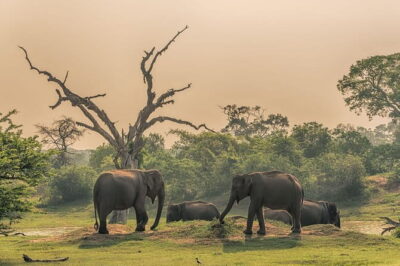
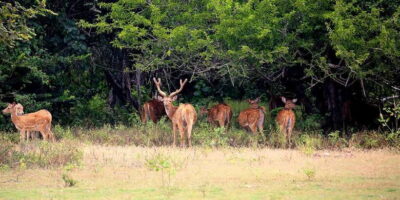
Wilpattu National park – Morning or Afternoon Safari
Read our review →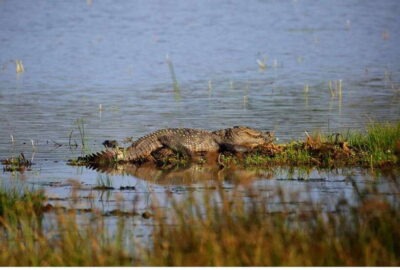
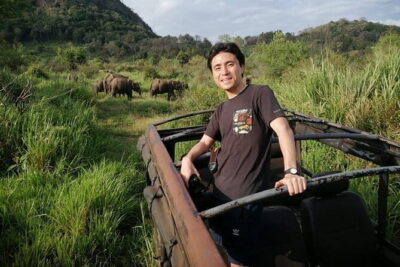
Minneriya National Park Safari – Private Jeep with Hotel Pickup
Read our review →
Delve Into Ancient Anuradhapura with Optional Visit to Mihintale
Read our review →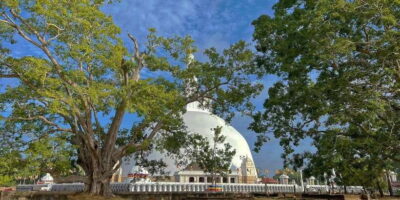
Minneriya National Park Safari [private , full package]
Read our review →Browse the lists this tour appears in