
Reviewed · WORKSHOPS
Galle : Traditional Jewellery making workshop
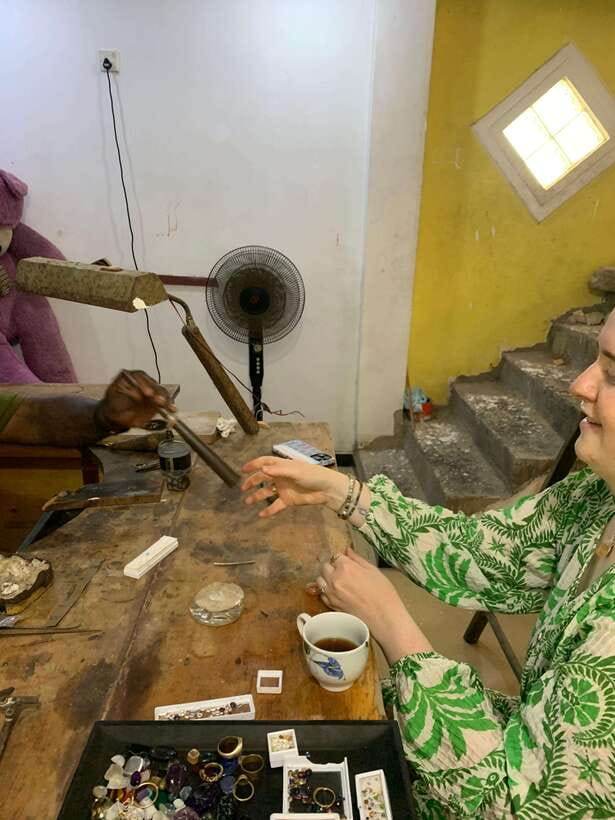
The best part of this experience is its setting: you visit a working family jewellery workshop in Kotapola, rather than sitting through a sales talk in a large showroom. A skilled artisan shows you how a ring takes shape, from raw silver and design ideas to the finished piece, while explaining Sri Lankan gemstones along the way.
I like two things here. First, you get a genuine look at family craftsmanship, with a father and son working together and decades of experience behind the bench. Second, you leave with a real silver ring, not just a certificate or a quick demonstration. The workshop can also make a more ambitious ring from your own design, though gold and gemstones cost extra.
The main drawback is worth stating clearly: this is not always a fully hands-on class. Depending on your design and the stage of the work, you may spend more time watching the master jeweller than making the piece yourself. The house is also described as wheelchair accessible in one section of the booking information and not wheelchair accessible in another, so you should confirm access before booking.
Key points to know before booking
- A family workshop in Kotapola: You go to the artisan’s home and see a personal, small-scale business rather than a large commercial operation.
- A complimentary silver ring is included: The basic price covers the workshop, materials for the session, and one handcrafted silver ring.
- Precious stones are not included: You can pay extra for a gemstone or gold, but the advertised $71 price is not a complete jewellery purchase.
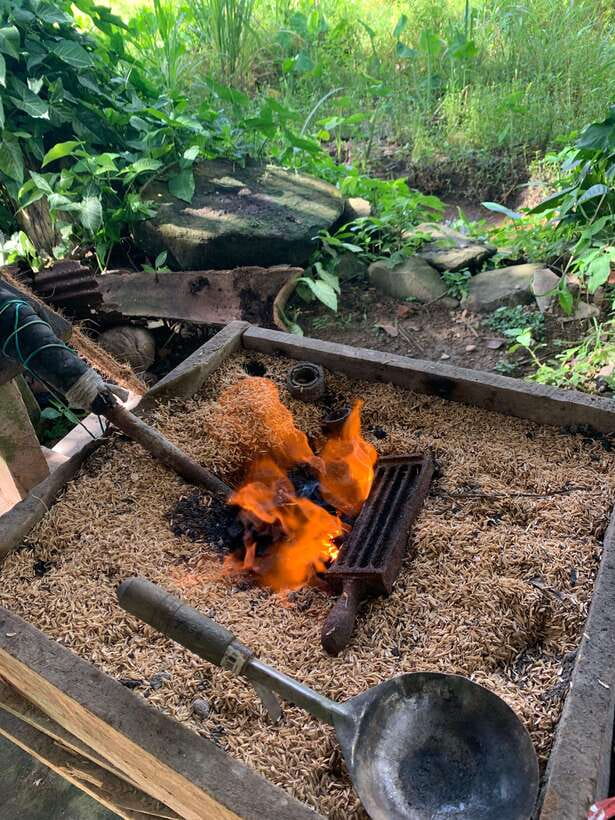
- The process can be genuinely practical: Some participants helped with silver smelting, the rolling mill, and other stages of ring making.
- English guidance is available: Malik has helped explain the process and communicate design details between the visitor and jeweller.
- Plan on a full day: The activity is listed as lasting one day, with the exact start time set by availability.
Arriving at the family workshop in Kotapola
This experience takes place in Kotapola, not directly in the centre of Galle. The host directs you to the family home, and you normally travel there in your own vehicle. Transportation is not included, though the provider can arrange it from your location if you ask.
That travel detail matters. The price may look simple at $71 per person, but your total cost can rise if you need a transfer or choose gold and a better stone. If you are already touring southern Sri Lanka by car, the workshop fits more naturally into your plans. If you are based in Galle without transport, ask about the transfer price before confirming.
The setting is part of the appeal. You are welcomed into a home-based workshop where the family works and hosts visitors. That makes the day feel personal, but it also means you should not expect the polished layout, display cases, or formal reception area of a city jewellery store.
The family has been described as carrying the craft across generations, with the senior artisan bringing more than 40 years of experience. Another account refers to nearly 50 years of work. Either way, you are learning beside someone who has spent much of his life shaping metal and setting stones.
A welcome drink is included. Meals and other drinks are not, so bring water and plan food around the day. Comfortable clothes and shoes are sensible because this is a workshop environment, not a short indoor demonstration.
More craft workshops around Galle:
- Galle: Traditional Gems & Jewellery Workshop with Transfers
★ 4.9 · 539 reviews - Ahangama: Traditional Jewellery Making Workshop
★ 4.9 · 23 reviews - Kandy: Interactive Batik Workshop
★ 5.0 · 51 reviews
Learning how Sri Lankan jewellery is made
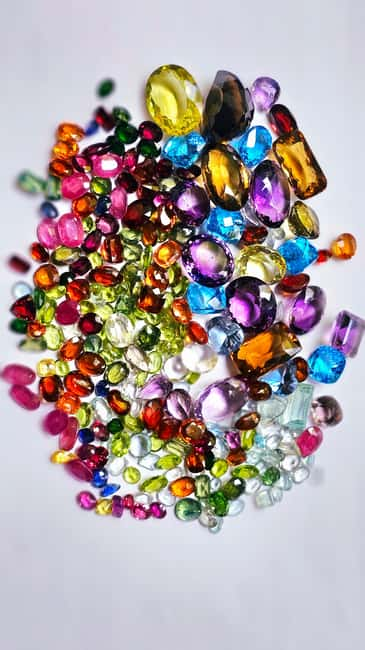
The day begins with an introduction to jewellery making in Sri Lanka and the role of gemstones in local craft. The artisan explains different stone types and shows you how to think about authenticity and value. This is especially useful in a country known for stones such as sapphires, though the specific stone selection available to you will depend on what the workshop has on hand.
The valuable lesson is not simply learning a few stone names. You get a chance to see how a jeweller examines a stone, considers its quality, and matches it to a design. The workshop also explains how to distinguish a genuine stone from an imitation. That knowledge is useful beyond this activity, particularly if you plan to shop for jewellery elsewhere in Sri Lanka.
Keep your expectations measured. The session offers guidance on identifying genuine gemstones, but it is not advertised as a formal gemology qualification. You should treat it as an introduction from an experienced craftsman, not as a substitute for an independent appraisal when purchasing an expensive stone.
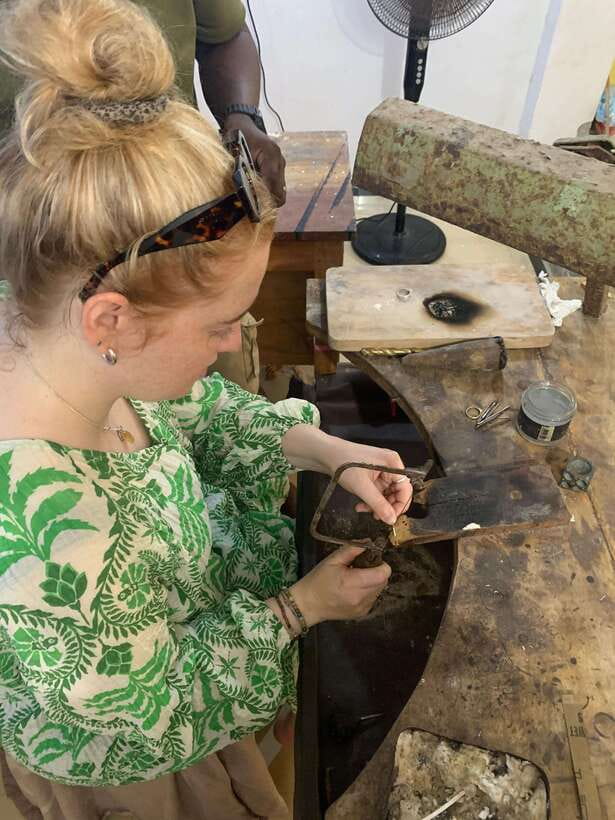
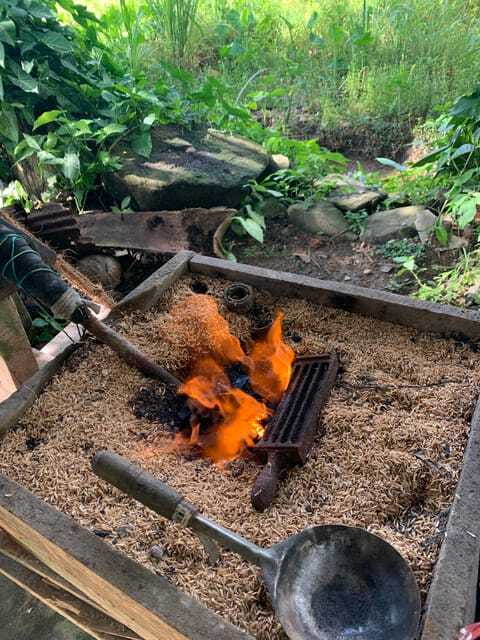
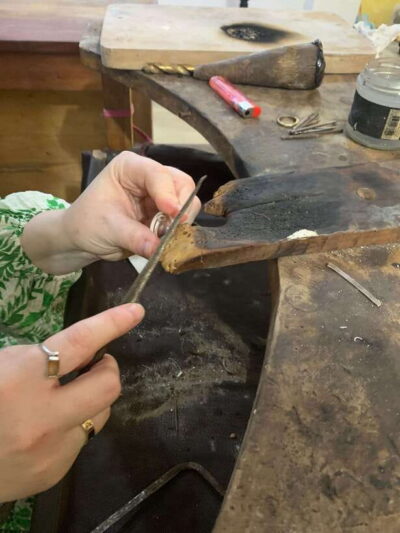
The artisan then explains the stages behind a ring or another small piece of jewellery. Depending on the chosen design, you might see silver melted and shaped, metal passed through a rolling mill, and the band formed and finished. Some participants were involved in several of these steps, while others mainly watched the artisan work from their design instructions.
That difference is important. If you want a simple, fully guided craft class where you personally complete every step, this may not match your idea of a workshop. If you want to see an expert handle difficult techniques and understand why fine jewellery takes time, the format makes more sense.
Designing your own ring
You can bring design ideas with you. One participant brought photographs of two difficult ring designs, and the finished pieces were made to closely match them. That suggests the artisan can work from a clear visual reference, though you should discuss what is possible before the work starts.
Bring a camera if you want a record of the day, but flash photography is not allowed. A few reference photos on your phone are also useful if you have a particular shape, stone setting, or band style in mind.
The design conversation is one of the strongest parts of the experience. You are not simply handed a standard souvenir. You can talk through the look you want, see how the jeweller adapts it to workable materials, and watch the design become a physical object.
Still, be realistic about the final result. Jewellery design involves metal thickness, stone size, setting strength, and time at the workbench. A photograph may show the appearance of a ring, but the artisan may need to adjust details so it can actually be made and worn. That is a normal part of the craft, not a failure to copy your idea.
The private group format helps here. You are not competing with a large class for the artisan’s attention. A couple can work on matching rings, and one pair did exactly that. Solo visitors should also benefit from the more personal pace, especially if they have a design they want to discuss carefully.
The included silver ring and optional upgrades
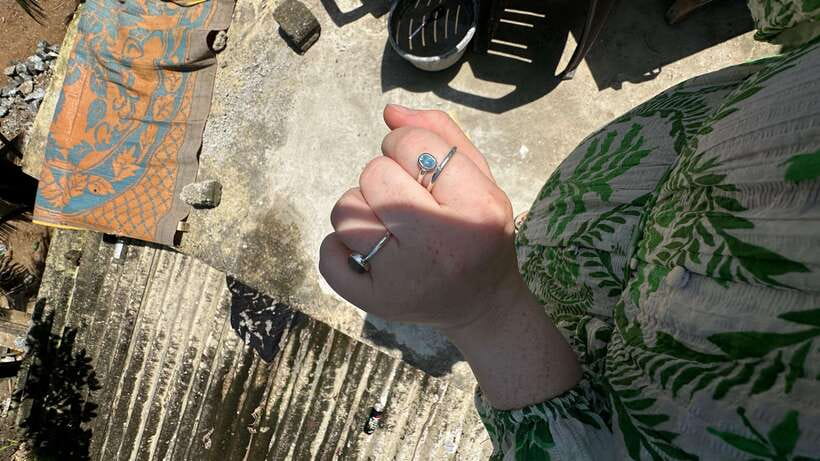
The standard experience includes a complimentary silver ring. All materials needed for the session are included, but stones are not included. If you want a particular gemstone or a gold ring, you can pay extra.
This is where the $71 price needs careful reading. The fee buys a full day with the artisan, the teaching, the workshop materials, the welcome drink, and a handcrafted silver souvenir. That is fair value if you care about the process and personal attention. It is less attractive if you only want a cheap piece of jewellery and have no interest in how it is made.
The included ring is more than a token keepsake because it is made by the artisan rather than mass-produced for a tour shop. Its exact style depends on your design discussion and the material included in the session. If you want a precious stone, ask about its price, treatment, certification, and metal costs before agreeing.
Several people chose to pay extra for gold or gemstones because they wanted to watch the complete process with a more valuable finished piece. That can turn the day into a meaningful jewellery commission. It can also make the final bill much higher than the advertised rate, so set a budget before you arrive.
Ask for a clear breakdown of any upgrade. You should know what you are paying for the metal, the stone, and the workmanship. The experience is presented as having no hidden costs, but optional additions still need to be agreed in advance.
A few more Galle days worth a look
- Whales and Dolphins Watching-Luxury Super Grade Cruiser(Hotel Pick up offered)
★ 5.0 · 1,268 reviews - Sea waves sri lankan cooking class
★ 5.0 · 467 reviews - Galle Fort Walking tour
★ 4.9 · 285 reviews - Cook with Wasantha
★ 5.0 · 248 reviews
Watching the master at work
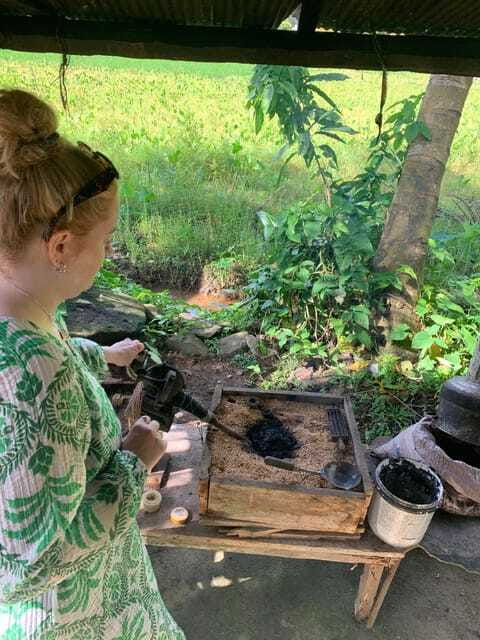
The strongest feature here is the artisan’s skill. One account describes the experience of watching a craftsman with almost five decades of practice. Another points out that seeing the finished work makes it clear why a fine ring cannot be mastered in a single day.
That is the honest charm of this activity. You are allowed close to a traditional skill, but you do not become an expert jeweller by lunchtime. Some stages are delicate, exact, or dependent on tools and experience. Your role may be to help with a manageable part, approve design decisions, or observe the most technical work.
When the session is hands-on, you might help with tasks such as silver smelting or using the rolling mill. The family explains each stage as it happens, which gives you a better sense of how much labour goes into a small ring.
When the artisan takes over, do not see that as wasted time. Watch how he controls the metal and refines the shape. The contrast between your own small contribution and his precision is part of the lesson. It shows why handmade jewellery costs more than a quick souvenir bought from a shelf.
The language of instruction is English. Malik has helped translate and explain the process, especially when discussing design choices with the jeweller. Communication appears to be a strong part of the hosting, but you should still arrive with clear photos and a simple idea of what you want.
A personal day, not a quick tourist stop
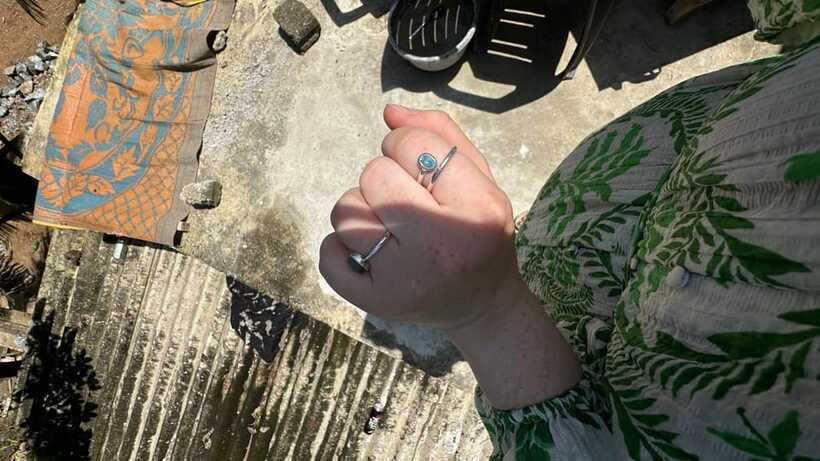
The private format changes the mood. You are not moving through a crowded attraction or following a fixed group from one station to the next. The family can spend time discussing your design, showing you tools, and answering questions about gemstones.
That personal setting also comes with a few practical limits. A home workshop is more intimate than a public museum, but it may have uneven surfaces, limited seating, heat from metalwork, or access issues. The information says the activity is not suitable for people with mobility impairments and gives conflicting details about wheelchair access. Contact the provider directly if this matters to you.
Children under 10 are not permitted. Older children may enjoy the demonstration, but the activity is best for people who can stay engaged with a slow, detailed craft process. It is not a quick souvenir stop squeezed between two sightseeing visits.
The day suits couples particularly well. Matching rings give you a shared project and a lasting reminder of the visit. It also works for anyone who enjoys crafts, design, metalwork, local family businesses, or the chance to ask practical questions about gemstones.
You may find it less suitable if you dislike sitting and watching, want a tightly timed itinerary, or have no interest in jewellery. The phrase one day leaves the exact schedule open, so check the start time and expected finish before planning another major activity.
Practical details that affect your decision
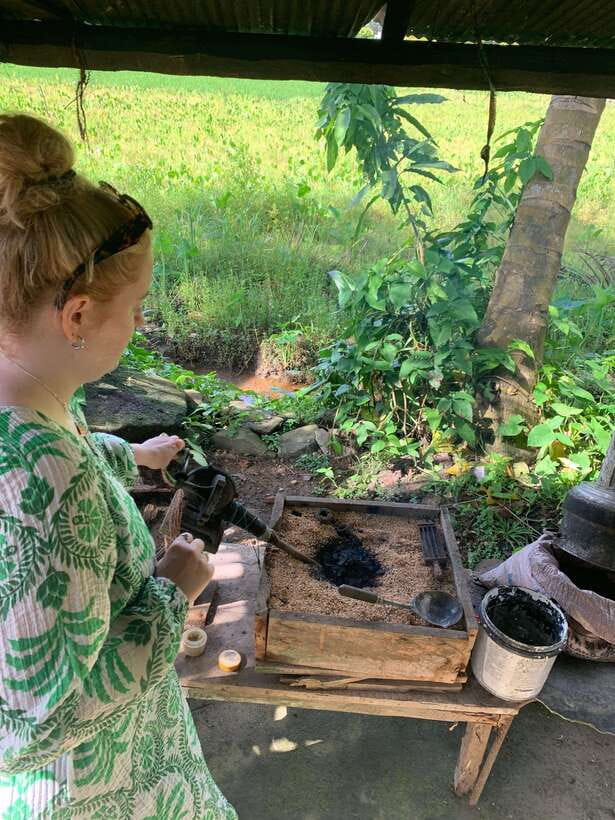
The experience costs $71 per person and includes free cancellation up to 24 hours before the activity, plus a reserve-now-and-pay-later option. Those policies give you some flexibility, but they do not cover transport, meals, drinks, or optional stones and gold.
Wear comfortable clothing and shoes. You will be in a working environment, and clothes suitable for a workshop make more sense than anything delicate or formal. Bring a camera, but leave the flash switched off.
The activity is available in English and is run as a private group. The host provides directions to the house, and transport can be arranged if needed. Confirm the pickup cost, accessibility, start time, and any proposed jewellery upgrade before the day begins.
Most importantly, decide what kind of souvenir you want. The included silver ring is enough if you want a handcrafted memory without a large additional bill. If you have always wanted a sapphire, gold ring, or custom design, this is a chance to make one, but you need to treat it as a jewellery purchase as well as a tour.
Should you book the Kotapola jewellery workshop?
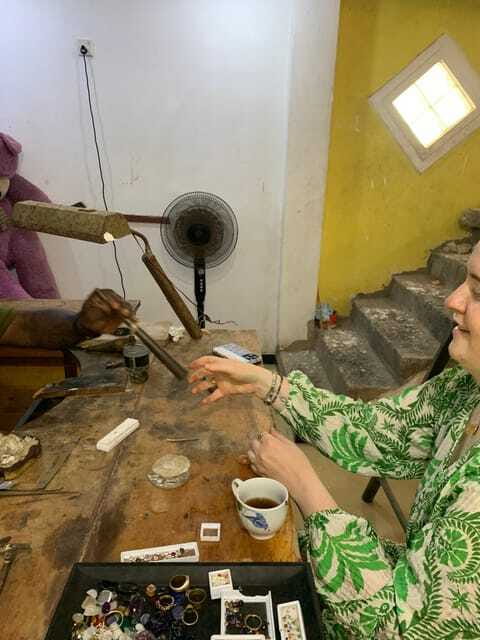
I would book this if you value time with a local craft family more than a fast sightseeing stop. The chance to see a father and son working together, learn how stones are assessed, and leave with a handmade silver ring gives the day real substance.
I would also book it if you have a design in mind or want matching rings. Bring photos, ask direct questions about the materials, and agree on the price of any gold or gemstone before work begins.
I would skip it if you want every stage to be fully hands-on, need guaranteed wheelchair access, or are looking only for the cheapest jewellery souvenir. For most craft-minded visitors, though, the personal setting and the artisan’s long experience make this a worthwhile day outside Galle.
FAQ
Where does the jewellery workshop take place?
It takes place in Kotapola at the local artisan’s home and workshop. The host provides directions so you can travel by your own vehicle.
Is transportation included?
No. Transport to and from the workshop is not included. The provider can arrange transportation from your location if needed.
What is included in the $71 price?
The price includes a welcome drink, a hands-on jewellery-making session, guidance on identifying genuine gemstones, workshop materials, and a complimentary silver ring.
Are gemstones included?
No. Gems are not included. You can pay extra for a gemstone or gold if you choose those materials.
How long does the activity last?
The activity is listed as lasting one day. You need to check availability for the exact starting time.
Can children participate?
Children under 10 years old are not permitted to take part.
Is the workshop wheelchair accessible?
The information is inconsistent. One section describes the activity as wheelchair accessible, while another says the workshop is not wheelchair accessible and is unsuitable for people with mobility impairments. Contact the provider to confirm your specific access needs before booking.
Newly listed around Galle
- Private Day Tour: Yala National Park Safari Tour from Galle & Weligama★ 5.0 · 3 reviews
- Kanneliya Rain Forest Tour★ 5.0 · 10 reviews
- Dediyagala Village Tour(from Galle, Mirissa, Ahangama, Matara)★ 5.0 · 8 reviews
- Private Galle Day Trip from Colombo/ Negambo / Bentota★ 5.0 · 35 reviews
- Day Excursions to Galle Fort & Bentota from Colombo★ 4.5 · 20 reviews
- Galle Day Tour★ 5.0 · 8 reviews
- Galle Day Tour★ 5.0 · 15 reviews
- Galle Day Tour with River Safari, Tea Plantation & Sea Turtle★ 5.0 · 11 reviews
Workshops, compared.
Traditional Gems & Jewellery Workshop with Transfers
Read our review →
Interactive Batik Workshop and Lessons in Sri Lanka
Read our review →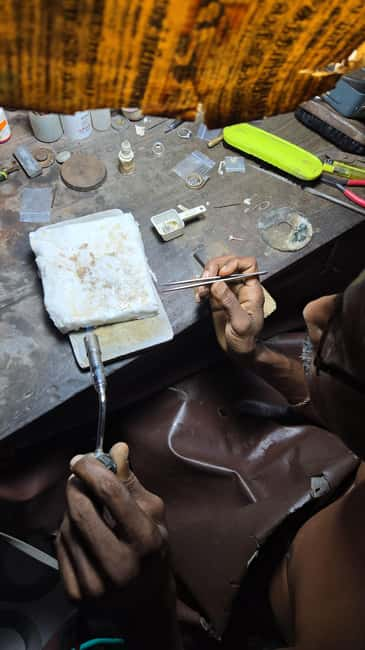
Jewelry Workshop Experience 3-6 Hours-Free Jewelry
Read our review →Browse the lists this tour appears in