
Reviewed · WORKSHOPS
Ahangama: Traditional Jewellery Making Workshop
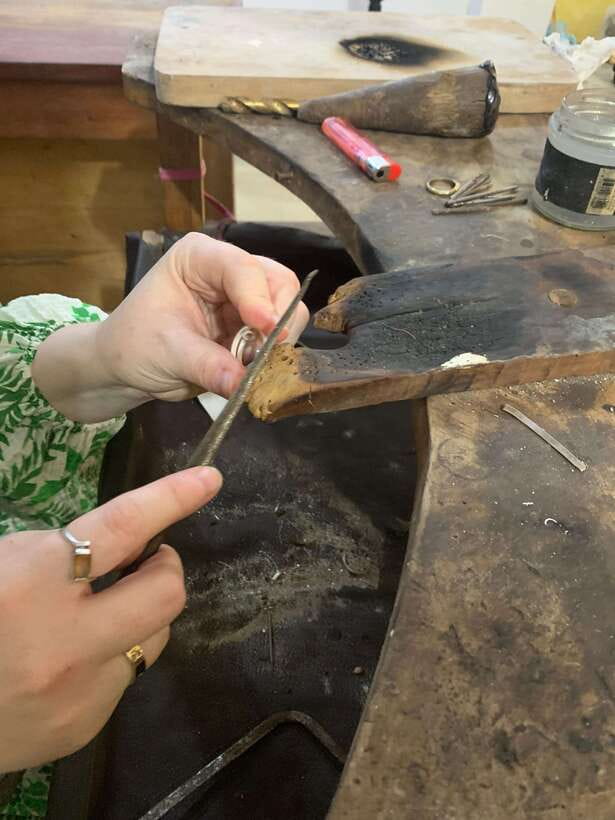
The most appealing part of this Kotapola jewellery workshop is that you do more than watch a craftsperson work. With guidance from Tharindu, you can help melt, flatten, shape, and file silver before taking home a ring made with your own hands. That gives the souvenir a personal story, not just a price tag.
I like the private-group format, which should make it easier to ask questions and work at a comfortable pace. I also like the close look at traditional tools and techniques, from changing the metal’s shape to filing the finished ring. The main thing to consider is access: the meeting point is a private home, transport is not included, and the information gives conflicting notes about wheelchair suitability.
Key points to know
- Hands-on silver work: You can help shape and file your own jewellery rather than simply watching a demonstration.
- Led by Tharindu: The English-speaking artisan explains each stage and demonstrates before you try it yourself.
- A personal keepsake included: Your handmade jewellery, including a complimentary silver ring, is yours to take home.
- Gemstones cost extra: Materials and tools are included, but gemstones are not.
- Private setting: The workshop takes place at the artisan’s home and is booked for a private group.
- Allow time for directions: Contact the host through WhatsApp, arrive 15 minutes early, and arrange your own transport to Kotapola.
Working Silver at Tharindu’s Home Workshop

This is a one-day experience in Kotapola, where the workshop is held at the artisan’s home. That setting matters. You are not sitting in a large commercial studio with a fixed line of visitors. You are entering a working craft space, with the tools, benches, and equipment used to make jewellery.
Tharindu leads the session in English. His method is practical: he explains a step, shows you how it works, then lets you take a turn. That approach suits beginners well because you do not need previous jewellery-making experience.
You might begin with an introduction to traditional jewellery in Sri Lanka, including its cultural importance and the basic ideas behind the craft. The exact order of the day can depend on the piece you choose and the work involved, but the main focus is the process of turning raw silver into a wearable object.
I especially like that this is not limited to choosing a finished item from a display case. You get to handle the material and see how a simple piece changes under heat, pressure, and filing. It is a small lesson in patience. Metal does not become a ring just because you want it to.
More craft workshops around Galle:
- Galle: Traditional Gems & Jewellery Workshop with Transfers
★ 4.9 · 539 reviews - Galle : Traditional Jewellery making workshop
★ 4.9 · 34 reviews - Kandy: Interactive Batik Workshop
★ 5.0 · 51 reviews
From Melting and Flattening to Filing

The most useful detail about the workshop is the range of tasks you may take part in. You can help melt the silver, flatten it, change its shape, and file the edges. Each stage gives you a clearer idea of the skill involved.
Melting is the dramatic part, but it is not the whole craft. Once the silver is workable, it must be shaped with care. Flattening and bending require control, while filing helps smooth the surface and refine the form. You may find that the last small adjustments take more time than expected.
The artisan demonstrates each stage before you begin. This is important for safety and for good results, especially if you have never handled jewellery tools. You are not expected to arrive with technical skills, and the experience is designed for beginners as well as craft enthusiasts.
You should still expect to do real work. The finished ring is not simply handed over after a short demonstration. You help create it, with assistance when needed. That balance is one of the strongest reasons to choose this workshop.
Choosing a Design and Working with Stones
Selecting stones is part of the design process, but gemstones are not included in the $71 price. You should treat them as an additional cost and ask the host about the available choices before deciding on your final piece.
The supplied details do not set out a fixed gemstone menu or prices, so you should confirm those points through WhatsApp. This is especially useful if the stone is important to your design or budget.
The artisan may set the stone for you once the metalwork is complete. One account of the experience describes the master inserting the stone and delivering the finished ring to a hotel the following day. That suggests the final setting may not always be completed while you are still at the workshop, so ask how long your piece will take if you plan to leave Kotapola soon.
That possible wait is not necessarily a problem. Stone setting needs precision, and having the artisan complete that stage can protect the final result. Still, you should not assume every part of the jewellery will be ready before you walk out the door.
What You Take Home for $71

The price is $71 per person. For a full day with an English-speaking artisan, tools, basic materials, instruction, and handmade jewellery to take home, I consider that a fair price for people who value participation over a quick souvenir stop.
The strongest value comes from the time and access. You are paying for instruction and the chance to work through several stages of production, not only for the silver itself. You also receive a complimentary silver ring, which gives the day a clear, useful result.
The price does not include transport, meals, or gemstones. Those exclusions are easy to overlook, so plan for them. You will need to reach the home workshop independently, and a chosen stone may add to the final bill.
The word complimentary can also cause confusion. The silver ring is included, but gemstones are listed separately. Ask exactly what type and amount of silver is covered, what stone options are available, and if any extra charge applies for setting or finishing.
For someone who wants a finished ring with no workshop time, a jewellery shop may be simpler. For you, if the process matters as much as the object, this experience offers better personal value.
A few more Galle days worth a look
- Whales and Dolphins Watching-Luxury Super Grade Cruiser(Hotel Pick up offered)
★ 5.0 · 1,268 reviews - Sea waves sri lankan cooking class
★ 5.0 · 467 reviews - Galle Fort Walking tour
★ 4.9 · 285 reviews - Cook with Wasantha
★ 5.0 · 248 reviews
Finding the Private Home in Kotapola
The meeting point is the artisan’s home, not a standard tourist office. After you contact the host through WhatsApp, the team will guide you or your driver to the address.
This is the one part that calls for extra attention. One participant found the route confusing, although local people helped point the way. I would not leave this until the last minute. Save the WhatsApp contact, confirm the meeting time, and make sure your driver has clear instructions.
Arrive 15 minutes early. That gives you time to find the house, settle in, and begin without rushing. Since transport is not included, allow more time than you think you need if you are unfamiliar with the area.
The private setting has a pleasant advantage: you get direct contact with the artisan and do not have to compete with a large group for attention. The trade-off is that a home workshop may be less obvious to locate than a hotel or a marked attraction.
A Full Day with Room to Work Slowly

The experience is listed as lasting one day. The length makes sense for a craft that includes demonstrations, hands-on work, corrections, and finishing. You should not expect a quick 60-minute activity.
A full day also allows you to ask questions about Sri Lankan jewellery and its cultural meaning instead of rushing from one task to the next. You can watch how the metal responds, try a technique, make adjustments, and learn why the artisan handles each stage in a particular way.
The schedule may vary with the design and the amount of work involved. If your stone is set later, the final handover may happen after the workshop. One participant received the finished ring at a hotel the next day, so ask about timing if you have a tight onward schedule.
The day is best suited to someone who enjoys making things and does not mind a slower pace. If you need a short activity between sightseeing stops, this may feel too long.
Why the Private Format Works

A private group gives the workshop a more personal rhythm. You can ask Tharindu to repeat a step, spend longer on filing, or discuss a design without feeling you are holding up a crowd.
That is also useful if people in your group have different levels of confidence. One person may want to handle more of the shaping, while another may prefer to watch closely before trying. The artisan can adjust his help as the work develops.
The English instruction is another practical benefit. You can ask about the tools, the cultural background, and the design choices without relying on a translator.
There is no smoking allowed. Children under 12 are not accepted, and people with back problems are advised not to take part. Jewellery work can involve standing, bending, or working at a bench for long periods, so think honestly about your comfort before booking.
The supplied information says the activity is wheelchair accessible but also says it is not suitable for wheelchair users. I would treat that as an unresolved point and confirm directly with the operator before paying. Ask about the entrance, seating, bench height, and toilet access.
What the Finished Ring Means

A handmade ring is a stronger memento than a mass-produced trinket because you remember the stages behind it. You recall the silver being shaped, the rough edges being filed, and the moment the form begins to look like jewellery.
The experience also gives you a better sense of the patience required in traditional craft. Even a small ring involves repeated changes. You may start with a basic piece of metal, but the finished form depends on steady work and careful judgment.
I would not expect museum-level historical teaching. The emphasis is on making, with cultural background woven into the practical session. That is a good fit if you want to learn through your hands rather than sit through a long lecture.
The final piece may not look exactly like a professional jeweller’s showroom model, and that is part of its charm. Small marks or variations can show that you helped make it. If you want a flawless, highly polished design, discuss your expectations before starting.
Who Should Book This Experience

I would recommend this workshop to adults and older teenagers who enjoy practical activities, local crafts, and meaningful souvenirs. It suits couples, friends, and private groups who want to spend a day doing something rather than simply looking at sights.
It is also a good choice if you are interested in Sri Lankan traditions but want a direct, small-scale encounter. You get time with a local artisan, an English-speaking guide, and a chance to ask questions as the work unfolds.
I would be more cautious if you have limited time, need included transport, or want every cost settled in advance. The gemstone price is separate, and the route to the home may take some effort to arrange.
Bring patience and comfortable clothing. The host supplies the tools and materials, but you should arrive ready to concentrate and take part. Smoking is not permitted.
Booking and Cancellation Details

You can cancel up to 24 hours in advance for a full refund. A reserve-now, pay-later option is also available, which helps if your Sri Lanka plans are still changing.
The activity is valid for one day, with starting times based on availability. Confirm the time and directions through WhatsApp after booking, and arrive 15 minutes early.
Because this is a private home workshop, clear communication matters more here than it would at a major attraction. Confirm the meeting point, transport plan, gemstone costs, and likely completion time before the day begins.
Should You Book the Kotapola Jewellery Workshop?
Book it if you want to make a silver ring with your own hands and value the story behind a souvenir. Tharindu’s step-by-step method, the private setting, and the chance to melt, shape, and file the metal give the day real substance.
Think twice if you want a short, effortless outing or an all-inclusive price. Transport, meals, and gemstones are separate, and the finished piece may need extra time if a stone is set later.
For the right person, $71 buys more than jewellery. It buys a patient lesson in a traditional craft and a keepsake tied to your time in Sri Lanka. Just confirm the route, accessibility, and stone costs before you go.
FAQ
Where does the jewellery workshop take place?
The workshop takes place at the artisan’s home in Kotapola. After you contact the host through WhatsApp, the team will guide you or your driver to the location.
How long does the activity last?
The experience lasts one day. Starting times depend on availability.
Who leads the workshop?
The workshop is led in English by the local artisan Tharindu.
Do I need previous jewellery-making experience?
No. Previous experience is not required. The artisan demonstrates each stage and guides you as you work.
What is included in the $71 price?
The price includes a welcome drink, the tools and materials needed for jewellery making, guidance from the artisan, and handmade jewellery to take home, including a complimentary silver ring.
Are gemstones included?
No. Gemstones are not included in the price. Ask the host about stone choices and any extra costs.
Is the workshop suitable for children or wheelchair users?
Children under 12 are not accepted, and the activity is not suitable for people with back problems. The information gives conflicting details about wheelchair access, so wheelchair users should confirm the facilities directly with the operator before booking.
Newly listed around Galle
- Private Day Tour: Yala National Park Safari Tour from Galle & Weligama★ 5.0 · 3 reviews
- Kanneliya Rain Forest Tour★ 5.0 · 10 reviews
- Dediyagala Village Tour(from Galle, Mirissa, Ahangama, Matara)★ 5.0 · 8 reviews
- Private Galle Day Trip from Colombo/ Negambo / Bentota★ 5.0 · 35 reviews
- Day Excursions to Galle Fort & Bentota from Colombo★ 4.5 · 20 reviews
- Galle Day Tour★ 5.0 · 8 reviews
- Galle Day Tour★ 5.0 · 15 reviews
- Galle Day Tour with River Safari, Tea Plantation & Sea Turtle★ 5.0 · 11 reviews
Workshops, compared.
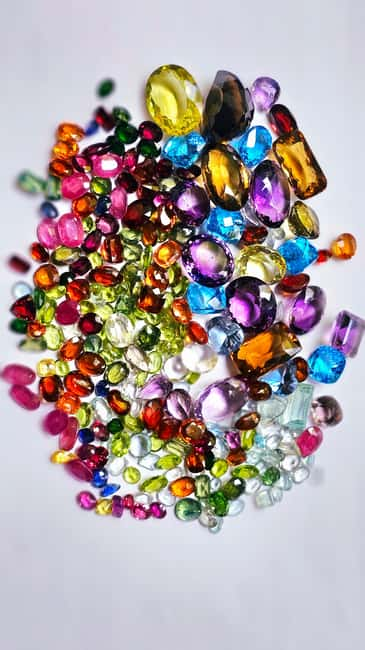
Traditional Gems & Jewellery Workshop with Transfers
Read our review →
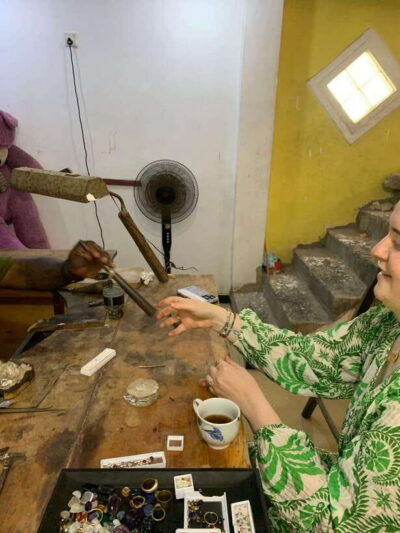
Interactive Batik Workshop and Lessons in Sri Lanka
Read our review →
Jewelry Workshop Experience 3-6 Hours-Free Jewelry
Read our review →Browse the lists this tour appears in