
Reviewed · WORKSHOPS
Kandy: Interactive Batik Workshop
The best part of this Kandy activity is that you do not just watch batik being made. You make a piece yourself, using wax, dyes, stamps, brushes, and traditional tools in a family home near Ampitiya. Anuja and Manugi give patient, step-by-step help, even if you think you are not artistic.
I like the personal setting and the useful souvenir you take home. I also like that the workshop explains the full process, from drawing and waxing to dyeing and removing the wax. The main drawback is finding the address, since 218/6 Thalapiyannawa Road can be tricky for tuk-tuk drivers and map apps.
Key points
- Make a personal souvenir: Create your own batik cloth, bag, laptop cover, or similar textile under guidance.
- Learn the complete process: The session covers fabric choice, wax mixtures, design, dyeing, and dewaxing.
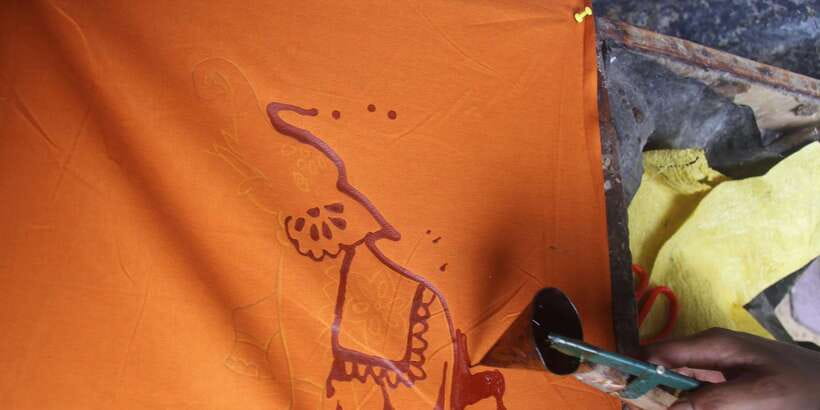
- Work with traditional tools: Try the funnel, tjanting, Henry tool, stamps, brushes, spraying, and cracking techniques.
- Meet a welcoming family team: Anuja and Manugi teach in English and help you correct mistakes without taking over.
- Enjoy a calm change of pace: The three-and-a-half-hour workshop offers a quiet, creative break from central Kandy.
- Plan your arrival carefully: Transport is not included, and the studio may be difficult to locate without extra directions.
What the Kandy batik workshop is really like
This is a hands-on craft session rather than a quick demonstration. You spend about three and a half hours learning how batik is made and applying the techniques to your own fabric.
The setting is the Soul Sri Lanka studio at 218/6 Thalapiyannawa Road in Ampitiya. The activity is run in a family home, which gives it a more personal feel than a large commercial craft center. You are not being moved from one attraction to another. Instead, the morning or afternoon has one clear purpose: learning a traditional Sri Lankan textile craft at a relaxed pace.
The group is limited to 10 people. That matters here. Batik involves hot wax, careful lines, dye application, and several stages where a teacher needs to look closely at your work. A small group gives you a better chance to ask questions and get help when your wax line wanders.
The instruction is in English. Anuja and Manugi are the names to look for, and the teaching style is patient and practical. You can follow a stencil if you want more structure, or create your own design. That choice makes the workshop suitable for both confident artists and people who normally avoid creative activities.
More craft workshops around Kandy:
- Interactive Batik Workshop and Lessons in Sri Lanka
★ 5.0 · 10 reviews - Galle: Traditional Gems & Jewellery Workshop with Transfers
★ 4.9 · 539 reviews - Galle : Traditional Jewellery making workshop
★ 4.9 · 34 reviews
Starting with fabric, tools, and a design
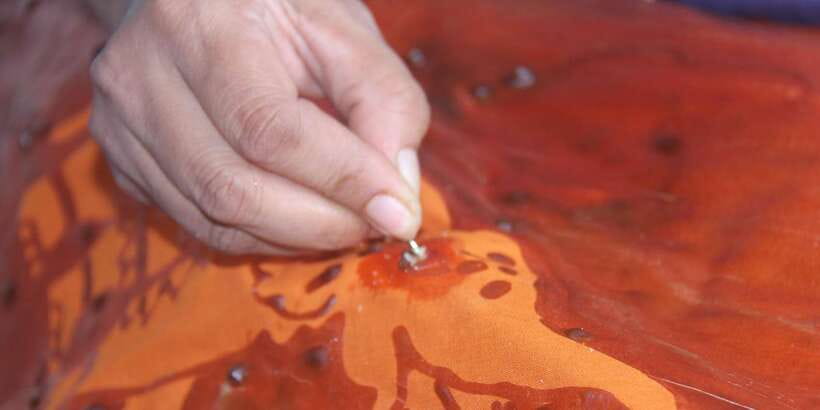
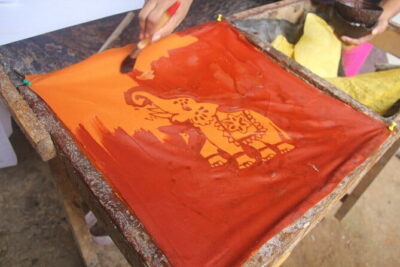
The first stage introduces you to the materials. You select a piece of cloth and learn how wax is mixed and applied. This may sound simple, but the wax is the part that controls the final image. Wherever the wax forms a barrier, dye cannot pass through in the same way.
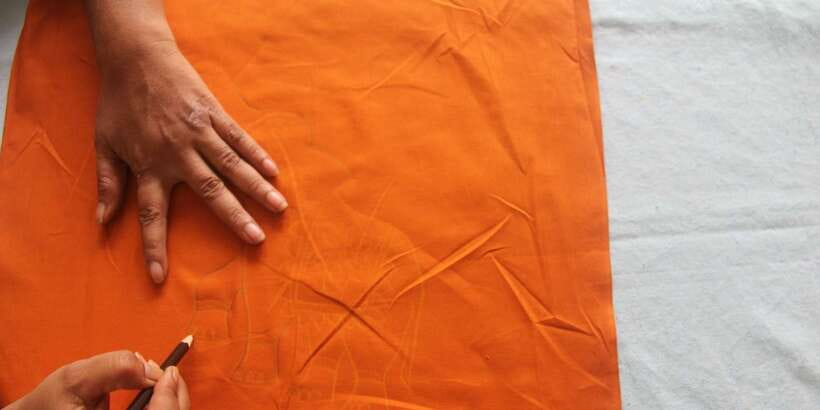
You then begin planning your design. You can adapt a template or draw something from scratch. Several people have used the session to write their names in Sinhala, which is a particularly nice way to make the finished cloth personal and tied to Sri Lanka.
The teachers demonstrate the tools before you use them. These include a funnel, a tjanting, and a Henry tool. The names may be unfamiliar, but the main point is easy to understand: each tool gives you a different kind of line, flow, or texture.
You also get to try several surface techniques. Wax spraying creates a loose pattern, while stamping gives a more regular mark. Cracking produces fine lines through the wax, and brush work allows broader areas and softer shapes. You are not expected to master every method. The fun is in seeing how each one changes the cloth.
Waxing takes patience
Waxing is the stage where you learn why handmade batik takes time. You need to guide the wax with enough control to protect parts of the design, but the process does not demand perfect drawing.
I like this part because the teachers can step in when you need help without turning your piece into their project. If a line goes wrong, you can adjust the design or ask for guidance. The goal is not to produce factory-perfect fabric. It is to understand the method and leave with something that shows your own hand.
You should wear comfortable clothes that you do not mind getting marked. The activity information specifically suggests bringing a change of clothes in case paint lands on what you are wearing. This is sensible advice, especially if you are traveling with only one outfit for the day.
Because the workshop uses wax and dye, you should also leave watches, delicate accessories, and anything you do not want near craft materials in your accommodation. That suggestion is practical rather than a formal requirement, but it can save you worry while working.
Learning how dyes change the cloth
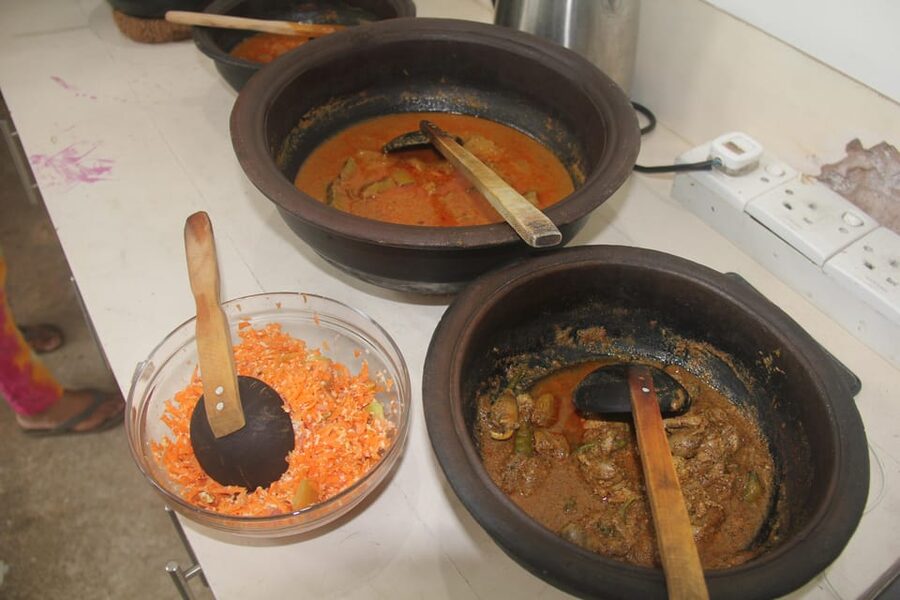
Once the wax design is in place, the workshop explains dyes and how they are applied. You learn about dye mixtures and techniques connected with napthol dyes, vat dyes, and reactive dyes.
You do not need prior chemistry knowledge to follow this section. The value is in seeing how dye behaves with the wax barriers and how the color develops across the cloth. It gives you a better understanding of why batik patterns have their distinctive lines and layered appearance.
The activity is not just about making something attractive. It also shows the order of the craft. A design that looks straightforward on paper depends on careful preparation, correct wax placement, and controlled dye work.
That makes the finished cloth more satisfying. You have seen each stage and made decisions along the way. The final piece is a souvenir, but it is also a record of what you learned.
A few more Kandy days worth a look
- Kandy Private Guided City Tour by Tuk Tuk
★ 4.9 · 1,307 reviews - From Kandy: Sigiriya Rock & Dambulla Cave Temple Adventure
★ 4.9 · 785 reviews - Kandy Village Cooking Class
★ 5.0 · 536 reviews - Kandy to Ella Train Tickets – Reserved Seats
★ 4.5 · 523 reviews
The final reveal: burning and boiling away the wax
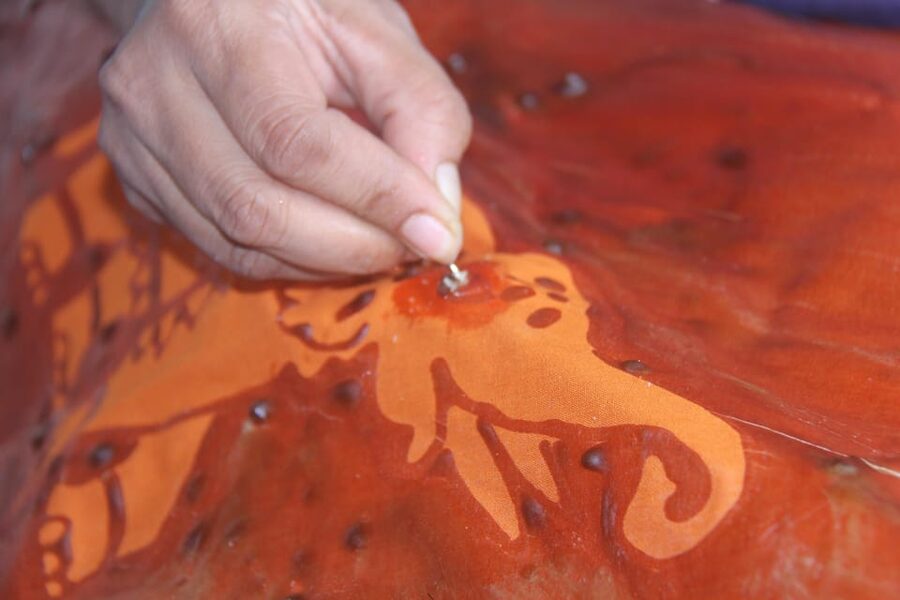
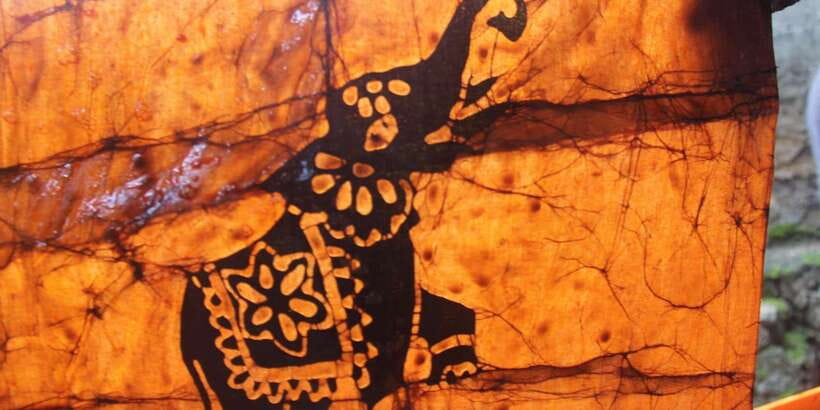
The last part covers wax burning and wax boiling, also called dewaxing. This is when the wax is removed so the underlying design can be seen clearly.
Dewaxing is one of the most rewarding steps because the fabric changes again. Lines and colors that were partly hidden become easier to read, and the result finally looks like a finished batik piece rather than a work in progress.
You should not expect to leave with a large professional textile. The finished item is a personal craft project made during one session. Its value comes from the fact that you designed and worked on it yourself, with guidance from the teachers.
Instructions for caring for the batik after the workshop may also be provided. Keep those directions, especially if you plan to pack the fabric in your luggage or use it later as a bag, cover, or decoration.
Tea, food, and the family-home setting
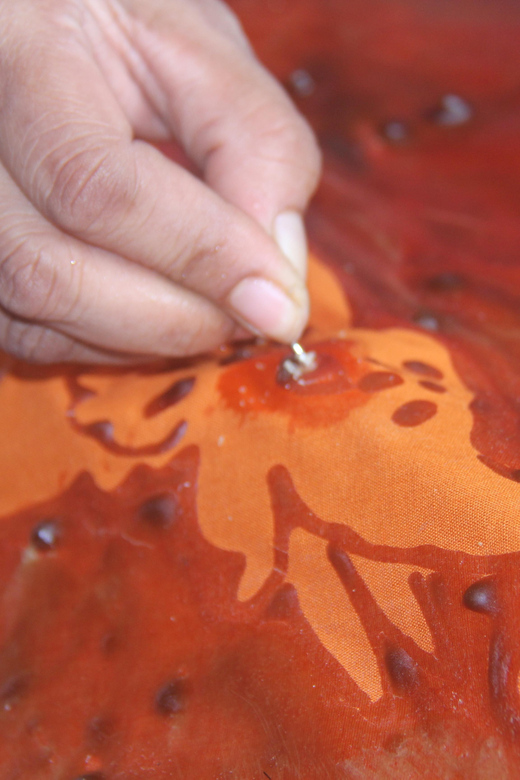
Herbal tea is included, and it gives you a welcome pause during the craft session. The small refreshment helps the workshop feel less like a class and more like time spent with a local family.
Some people have also been offered tea, sandwiches, breakfast, Sri Lankan desserts, or a home-cooked lunch. These extra food offerings are warm touches, but lunch is not included in the stated price, so you should not book this as a meal experience. If food is important to your plans, ask ahead rather than assuming it will be provided.
The family setting is one of the strongest reasons to choose this activity. You have time to chat, ask about the craft, and learn a little about daily life in Sri Lanka. The personal exchange is especially useful if you want a cultural activity that is quieter and more participatory than a standard sightseeing stop.
It also offers a break from Kandy’s busy streets. The workshop takes place away from the center, and the slower rhythm suits anyone who has spent several days moving between temples, viewpoints, and traffic.
How much value do you get for $28?
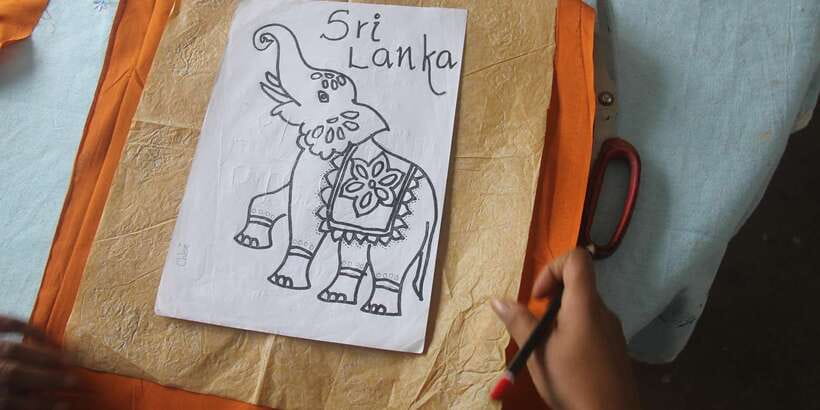
At $28 per person, the price is reasonable for a three-and-a-half-hour activity that includes instruction, fabric, wax, dyes, tools, equipment, and herbal tea. You are also paying for a finished handmade item, not just an hour-long demonstration.
The strongest value comes from the teaching time. You learn the full chain of batik production rather than spending a few minutes decorating a pre-prepared object. The small-group limit of 10 helps make that price feel fair because the teachers can offer individual corrections and suggestions.
Transportation is not included, and neither is lunch. Add the cost of getting to Ampitiya and back when comparing this with other Kandy activities. If you are traveling on a strict budget, the extra tuk-tuk fare is worth considering.
Still, the workshop compares well with many souvenir purchases. Instead of simply buying a textile, you leave with one that you helped design and make. For me, that turns a standard shopping item into a travel memory with a story attached.
Getting to 218/6 Thalapiyannawa Road
The address is 218/6 Thalapiyannawa Road, Ampitiya. The practical warning is important: the studio can be difficult to find, and the map position may not be fully reliable.
Local tuk-tuk drivers may struggle with the exact location. Your safest plan is to contact the hosts before setting out and have the studio details ready. Neighbors may be able to point you toward the house, and the hosts have helped arrange tuk-tuks after the workshop.
Do not leave arrival until the last minute. A little extra time will make the start calmer, especially if you are carrying a small bag or wearing clothes you want to protect. Transportation to and from the studio is your responsibility, so confirm your return plan before the session ends.
This is one area where the workshop is less convenient than an activity in central Kandy. The address issue is manageable, but it is a real consideration for anyone who dislikes uncertain navigation.
Who will enjoy this activity most?
You should book this if you enjoy making things, want a personal souvenir, or prefer meeting local people over rushing through a list of sights. It works well for solo visitors, couples, families, and teenagers. One family found it especially successful for a teenage daughter, and the flexible choice between templates and free drawing helps different skill levels work side by side.
You do not need to be artistic. The teachers can guide you through a simple design, and templates are available if drawing from scratch feels intimidating. At the same time, confident artists have room to experiment with lettering, patterns, spraying, stamping, and brush work.
This activity also suits people who want a slower morning. The process can be careful and repetitive, which some people find calming. It is not the right choice if you want constant sightseeing, a quick craft demonstration, or a large number of attractions packed into one outing.
The experience is listed as unsuitable for pregnant women and people with back problems. The session involves sitting and working at a craft surface for a sustained period, so take that guidance seriously.
Practical details before you book
The activity costs $28 per person and lasts three and a half hours. It is offered in English, with a maximum group size of 10 people.
Wear comfortable clothing. Bring a change of clothes if you are concerned about paint or dye getting on your outfit. The workshop supplies the cloth, wax, dyes, tools, and other equipment, so you do not need to bring craft materials.
Free cancellation is available up to 24 hours before the start time for a full refund. You can also reserve now and pay later, which helps if your Kandy plans may change.
Starting times depend on availability. Since the session is long enough to fill much of a morning or afternoon, check the start time against your hotel plans, train schedule, and any other booked activities.
Should you book the Soul Sri Lanka batik workshop?
I would book this if you want a creative activity with real local contact and something tangible to carry home. The patient instruction, family setting, and full batik process give it more substance than a quick souvenir-making class.
I would hesitate only if you need easy central access, cannot sit comfortably for several hours, or want lunch guaranteed as part of the booking. You should also allow extra time for the journey to Ampitiya and confirm directions before leaving.
For most visitors, the combination of price, personal teaching, and a handmade souvenir makes this a strong choice in Kandy. Bring comfortable clothes, keep your design simple if you are new to batik, and let the teachers help you turn a few careful lines into something you will remember.
FAQ
Where is the batik workshop located?
The studio is at 218/6 Thalapiyannawa Road, Ampitiya, in Sri Lanka’s Central Province.
How long does the workshop last?
The activity lasts three and a half hours. Starting times depend on availability.
What is included in the $28 price?
The price includes hands-on batik instruction, the cloth, wax, dyes, tools, equipment, and herbal tea.
Is transportation included?
No. You must arrange and pay for transportation to and from the workshop.
Is lunch included?
No. Lunch is not included in the stated activity. Food such as sandwiches or a home-cooked meal may be offered, but you should confirm this directly if it matters to your plans.
What should I wear?
Wear comfortable clothes. Bringing a change of clothes is useful in case paint or dye gets on what you are wearing.
Is the workshop suitable for everyone?
The activity is not suitable for pregnant women or people with back problems. It is taught in English and is limited to 10 participants.
Newly listed around Kandy
- Pinnawala private day trip from colombo or negombo★ 5.0 · 4 reviews
- Private all inclusive Day tour Kandy, Pinnawala, & your own selected attractions★ 5.0 · 13 reviews
- Air port Pick up and Drop to Kandy★ 5.0 · 4 reviews
- From Kandy to Nuwara Eliya Day Tour★ 5.0 · 21 reviews
- Kandy City Tour & Famous Ambuluwawa Tower with Friendly Chauffeur★ 5.0 · 11 reviews
- Sri Lanka 4 Day Private Tour★ 5.0 · 6 reviews
- Private Tuk Tuk Tour of Kandy City & Surroundings★ 5.0 · 35 reviews
- Wasgamuwa National Park Safari from Kandy★ 5.0 · 3 reviews
Workshops, compared.
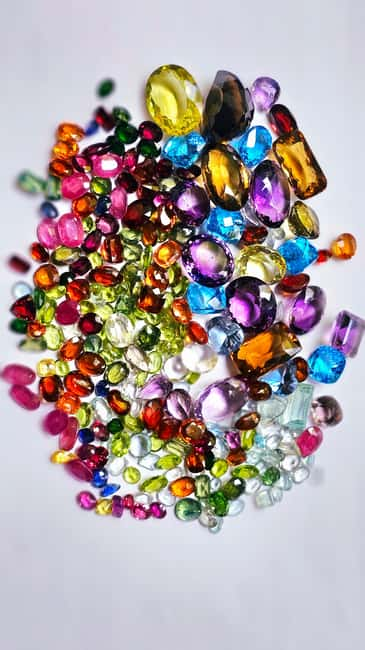
Traditional Gems & Jewellery Workshop with Transfers
Read our review →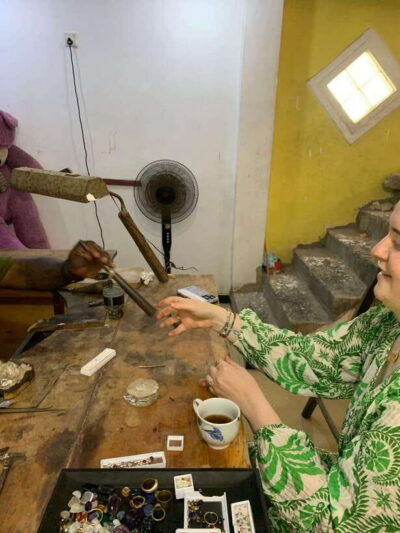
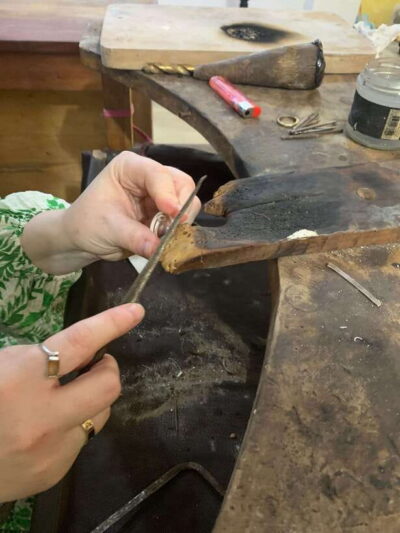
Interactive Batik Workshop and Lessons in Sri Lanka
Read our review →
Jewelry Workshop Experience 3-6 Hours-Free Jewelry
Read our review →Browse the lists this tour appears in