
Reviewed · COOKING CLASSES
Ella Sri Lanka : Mom’s Kitchen Cooking class
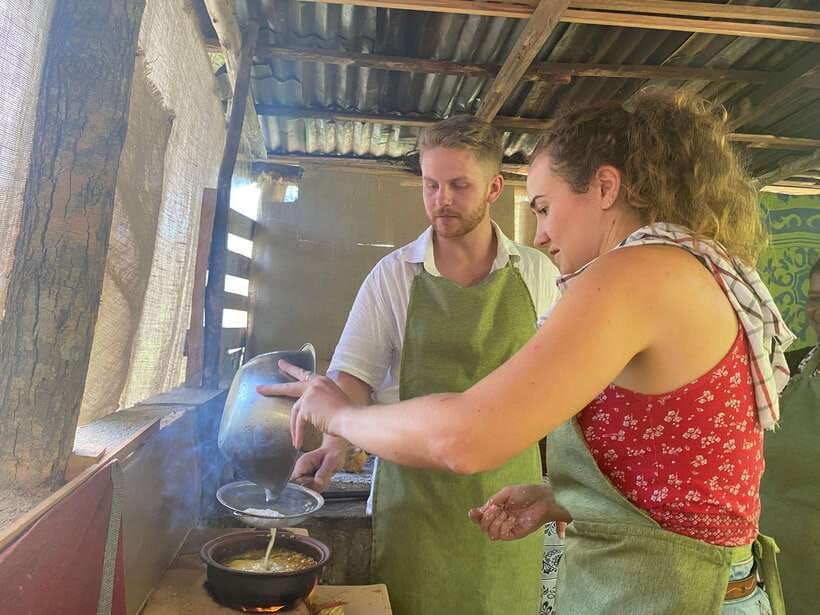
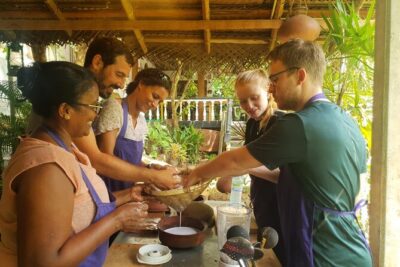
Ella’s Mom’s Kitchen puts you to work from the start. In an outdoor kitchen beside the family home, Kamala and her daughter Irosha show you how to make Sri Lankan rice and curry using fresh ingredients, basic tools, and traditional methods. You may grind spices on stone, grate coconut, season hot oil, and cook over a wood fire before sitting down to eat.
I like the hands-on format and the fact that the recipes are practical enough to repeat at home. I also like the mother-and-daughter teaching team: Kamala brings years of cooking experience, while Irosha explains the steps clearly in English. The main consideration is that the class takes place in an outdoor kitchen, so rain or heat can affect the setting, even though the cooking continues in poor weather.
Key points at a glance

- Cook over fire and gas: Learn traditional methods alongside the more familiar kitchen stove.
- Prepare several dishes: The menu can include four or five curries, rice, dhal, coconut sambol, and papadum.
- Learn from Kamala and Irosha: Kamala leads the cooking, while Irosha provides clear English explanations.
- Small group setting: The class is limited to six participants, allowing everyone to chop, grind, stir, and season.
- Eat beside the cooking area: The finished meal is served after class, often with views over the Ella countryside.
- Take the recipes home: Recipes are shared through WhatsApp or provided for you to recreate later.
A family kitchen with a view

The first thing you notice about Mom’s Kitchen is that it feels like a working family kitchen, not a polished demonstration studio. The cooking area sits outdoors near the home, surrounded by greenery and open views. You are not watching from a chair while someone else does all the work. You are part of the preparation.
That setting gives the class its character. You might hear the fire crackle while garlic sizzles in coconut oil. You might use a traditional stone tool to grind spices or help grate fresh coconut. These jobs take longer than opening a packet or using a food processor, but they show you how the food is made in a Sri Lankan home.
Kamala and Irosha lead the session together. Kamala cooks from memory and demonstrates the techniques. Irosha explains the ingredients and translates the process into clear, simple English. That division works well for a cooking class because you receive both practical instruction and family knowledge passed down through the kitchen.
The class is limited to six people. That matters here. Sri Lankan curry involves many small tasks, and a large class could leave you standing at the edge of the action. In a small group, you can usually expect a job of your own, from washing and peeling vegetables to grinding spices, mixing sambol, or tending a pan.
More Cooking Classes in Ella
- Ella: Traditional Sri Lankan Cooking Class
★ 4.9 · 788 reviews - Ella: Sri Lankan Cooking Class with Neranji at Homestay
★ 5.0 · 276 reviews - Ella : Cooking class with amazing Spice Garden Tour
★ 5.0 · 239 reviews
The first steps: ingredients, tools, and Sri Lankan flavor
The cooking begins with an introduction to the ingredients and the day’s dishes. The emphasis is on using a few fresh, local ingredients rather than relying on complicated preparations or hard-to-find products.
This is one of the most useful parts for a home cook. Several dishes can use a similar set of spices, yet taste very different once you change the main ingredient and cooking method. You learn how oil is flavored, when spices go into the pan, how vegetables are prepared, and how seasoning changes from one curry to another.
The food is not presented as one single recipe called curry. Instead, you see how a Sri Lankan meal is built from several dishes. A meal may include chicken curry, bean curry, beetroot curry, mango curry, dhal, rice, coconut sambol, and papadum. The exact selection can vary, but the aim is a full rice-and-curry spread rather than one dish served on its own.
You also learn small shortcuts that make the recipes easier to use back home. The class focuses on quick, manageable methods and ingredients you can find again. That makes it a better fit for someone who wants to cook Sri Lankan food after the holiday, not just enjoy a one-time demonstration.
Cooking with fire, stone, and fresh coconut

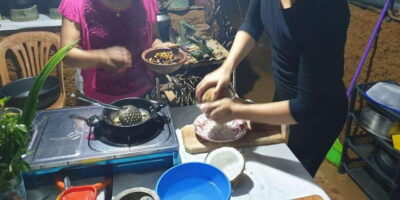
The traditional equipment is part of the lesson. Cooking over a wood fire gives you a feel for older methods and adds a smoky, lively rhythm to the class. Gas is also used, which keeps the process practical and allows several dishes to be prepared at once.
You may help aromatize oil with garlic, onions, and spices before adding the main ingredients. You may grind spices using a stone tool, a task that connects the finished flavor to the physical work behind it. Fresh coconut can be cracked and grated, then turned into coconut sambol or used in other parts of the meal.
These are small details, but they change how you understand the food. A recipe on paper tells you to grind, fry, mix, or season. Here, you see what the mixture should look like, hear how it sounds in the pan, and smell the point when the spices are ready. That sensory information is difficult to get from a written recipe alone.
Food handling is taken seriously. The outdoor setup remains clean and organized, and careful preparation is part of the process. If you are cautious about open-air cooking, this is worth knowing. The experience is rustic in style, but it is not careless.
The main cooking session: several curries, not one

The central part of the two-hour class is a shared cooking session. You prepare several recipes at once, with each person helping at different stages. The pace is active without feeling like a race.
A typical combination can include four or five curries, rice, dhal, coconut sambol, and papadum. Some sessions include chicken, while others feature vegetables such as beans, beetroot, or mango. That mix gives you a useful lesson in how the same core spices can create very different results.
Mango curry is a particularly interesting possibility because its sweet and sour character differs from the earthier taste of beetroot or the freshness of a coconut sambol. Chicken curry brings another texture and cooking time. Dhal adds a soft, comforting element to the plate. Together, the dishes show why Sri Lankan meals are usually served as a group of smaller preparations rather than one large main course.
You can expect to chop, peel, wash, grate, grind, fry, stir, and season. The class is designed so everyone contributes. If you are cooking with children, the hosts have shown patience with younger participants, although the presence of fire and hot pans means adults should remain close and involved.
The instructions are aimed at ordinary cooks. You do not need specialist training. Irosha’s English explanations make it easier to follow the order of each step, while Kamala demonstrates the texture and timing. You can ask questions as you go, which is especially useful when a recipe depends on instinct rather than an exact measurement.
Same base, a completely different kind of day out:
- Ella: Drop to Tangalle/Hiriketiya/Mirissa/Galle & Yala Tour
★ 4.9 · 518 reviews - Ella: Little Adam’s Peak, Nine Arches Bridge & Waterfalls
★ 4.9 · 402 reviews - ELLA: Drop to Tangalle/Hiriketiya/Mirissa/Galle & Yala Tour
★ 4.1 · 336 reviews - From Ella: Drop to Tangalle/Hiriketiya/Mirissa & Yala Safari
★ 4.8 · 296 reviews
Sitting down to the meal you prepared

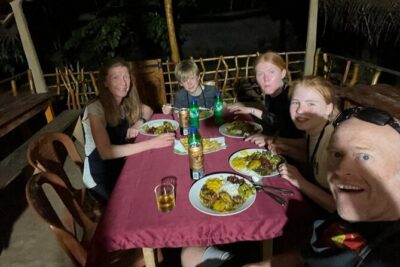
After the cooking, you sit down to eat the food as a group. This is not a quick taste at the counter. The meal is the payoff for the work, and the shared table helps the class feel social rather than instructional only.
The setting adds to the meal. The outdoor kitchen has views across the Ella area, and some sessions have taken place during sunset or in changing weather. You might share the meal with birds nearby or notice a squirrel in the surrounding trees. These details are not the reason to book, but they make the final course feel connected to the place.
The portions are generous. You should expect a full meal rather than a few sample bites. With rice, several curries, dhal, sambol, and papadum, this can easily serve as one of your main meals for the day.
The food is also a useful test of the teaching. You have handled the ingredients yourself, then taste how the balance comes together. A dish that seemed simple during preparation can have surprising depth once the spices, coconut, oil, and vegetables are combined.
What makes the class valuable at home

Many cooking classes are enjoyable in the moment but difficult to repeat. Mom’s Kitchen makes a clear effort to avoid that problem. The recipes are shared after the session, often through WhatsApp, and some participants also receive additional Sri Lankan recipes.
The focus on a small set of spices helps too. You learn how the same basic flavor family can work with different ingredients. That is more useful than being handed a long list of rare items you will never buy again.
The hosts also give time-saving tips. These may help you adapt the cooking to a normal home kitchen instead of copying every traditional step exactly. You can use the techniques that matter most, then simplify where needed.
I would still keep your expectations realistic. A recipe recreated in a European or North American kitchen may not taste exactly the same as one cooked with local produce, fresh coconut, and a wood fire in Ella. The class gives you a strong starting point, but your ingredients and equipment will shape the final result.
Price, timing, and practical details

At $20 per person, the class offers good value because the fee includes instruction, locally sourced ingredients, and the meal you prepare. You also receive recipes to use later, which gives the experience more lasting value than a meal alone.
The activity lasts about two hours. That is long enough to prepare several dishes but short enough to fit around sightseeing in Ella. If you are planning a hiking day, book it when you have enough time to arrive without rushing, cook, eat, and return comfortably.
Starting times depend on availability. Morning sessions are possible, and some people choose the class as a relaxed start to the day. Other sessions take place later, with the outdoor setting offering a chance to enjoy the views toward evening.
The kitchen is outdoors, so pack for conditions rather than dressing only for photographs. Rain is possible in Ella, and one session continued during heavy rain. The class can still be enjoyable in wet weather, but the open-air setting is part of the experience and also its main limitation.
Free cancellation is available up to 24 hours before the activity for a full refund. You can also reserve now and pay later, which helps if your plans around Ella are still changing.
Who will enjoy Mom’s Kitchen most
I would recommend this class to anyone who wants more than a restaurant meal. It suits first-time cooks because the instructions are clear and the recipes use simple methods. It also suits experienced home cooks who want to understand the structure of Sri Lankan rice and curry.
Families can enjoy it, especially if children like mixing, chopping with supervision, or seeing how food is prepared from basic ingredients. The hosts have made younger participants feel welcome, but the open fire and hot cookware require attention.
It works well for couples and solo visitors too. If only a few people book, the session may feel especially personal. You still receive the full lesson rather than a shortened version.
This is less suitable if you want a formal cooking school with printed measurements, polished indoor facilities, or a fixed menu guaranteed in advance. The charm comes from the family setting, the traditional tools, and the shared work. You should be comfortable with a little flexibility.
The small drawbacks to consider

The outdoor location is beautiful, but it is not climate-controlled. Hot sun, humidity, or rain can affect your comfort. Bring water and sensible clothing, and remember that the class is about cooking rather than simply sitting in a scenic place.
The menu can vary. You may prepare four dishes, five curries, or an even broader spread, depending on the session. That variety is part of the home-style character, but anyone hoping for one precisely advertised menu should check the details when booking.
The cooking is shared, so you will not personally prepare every single dish from start to finish. You will take part in many stages, but some tasks must be divided among the group. A six-person class is still intimate, yet the most hands-on experience may come when fewer people have booked.
Finally, the location is outside the center of Ella. The distance gives you a quieter setting and better views, but you should allow time to reach the kitchen. Exact transport details are not included in the supplied information, so confirm directions before setting out.
Should you book Mom’s Kitchen?
Book this class if you want a friendly, practical introduction to Sri Lankan food and like the idea of cooking in a real family setting. The combination of Kamala’s traditional methods, Irosha’s clear English explanations, fresh ingredients, and a finished meal gives you much more than a recipe demonstration.
The best reason to choose it is the balance between local character and useful instruction. You can grind spices on stone, cook over fire, grate coconut, and then take home recipes that do not demand a specialist kitchen.
Skip it only if you need an indoor, highly structured class or dislike shared cooking tasks. For most people who enjoy food and want a personal experience in Ella, $20 is a fair price for two hours of cooking, eating, and learning.
FAQ
How long does the Mom’s Kitchen cooking class last?
The class lasts two hours.
How much does the cooking class cost?
The price is $20 per person.
What is included in the price?
The fee includes the cooking class, locally sourced ingredients, and the meal you prepare.
How many people can join the class?
The class is a small-group activity limited to six participants.
Who teaches the cooking class?
The class is taught by Kamala and her daughter Irosha. Kamala leads the traditional cooking, while Irosha explains the process in English.
What food might I prepare?
Possible dishes include several Sri Lankan curries, rice, dhal, coconut sambol, and papadum. Some sessions include chicken, mango, beetroot, or bean curry.
Do I receive recipes after the class?
Yes. Recipes are shared so you can recreate the dishes at home, often through WhatsApp.
Can I cancel the booking?
You can cancel up to 24 hours in advance for a full refund. You can also reserve now and pay later.
Newly listed around Ella
- From Ella: Private Yala Safari & Transfer/Tangalle/Mirissa/Galla★ 5.0 · 12 reviews
- Waterfall Tour & nine arch bridge Ella★ 5.0 · 4 reviews
- 2 Day Tour of Yala & Ella with Hill Country Scenic Train Ride – All Inclusive★ 5.0 · 5 reviews
- 3 Days Private Tour of Yala Safari/ Ella/ Kandy – All Inclusive★ 5.0 · 4 reviews
- Ella Odyssey Train Reserved Seats Kandy to Ella★ 4.5 · 25 reviews
- Ella Private Day Tour From Kandy★ 4.5 · 15 reviews
- 3 Days Nature and Chill Tour of Ella, Nuwara Eliya and Haputale★ 5.0 · 10 reviews
- Sri Lanka Ella Private Day Tour Nine Arch & Elephant transit home★ 5.0 · 22 reviews
Cooking Classes, compared.
Organic cooking class sigiriya (kumara & family)
Read our review →
Sri Lankan Cooking Class with Neranji at Homestay
Read our review →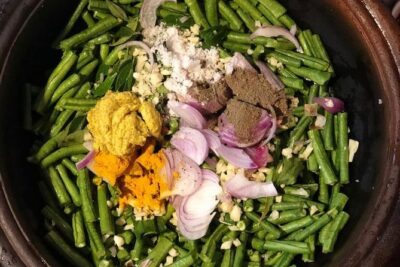
Browse the lists this tour appears in