
Reviewed · COOKING CLASSES
Cooking With Village Family
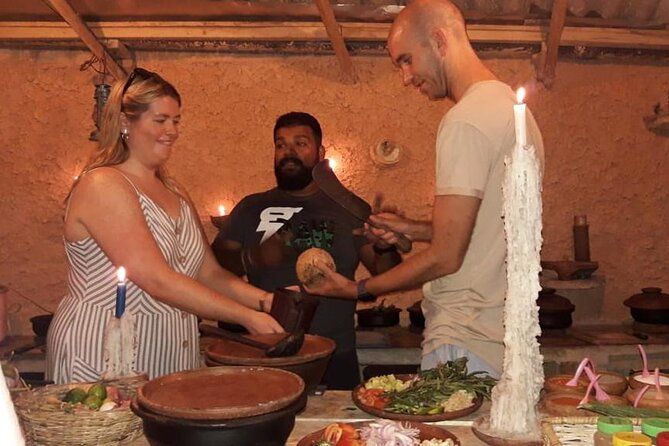
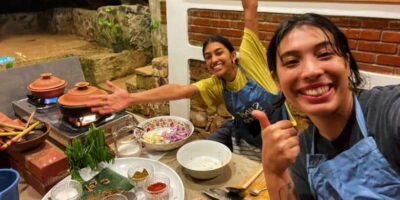
The best part of this Kandy cooking class is that you do not simply watch someone prepare a meal. You choose ingredients, make the food yourself, and learn how coconut milk is prepared before sitting down to eat what you cooked. It feels more like a visit to a family home than a polished restaurant lesson.
I like the private format, since your group gets direct help instead of trying to follow a demonstration from the back of a crowded room. I also like the practical focus: rice, dhal, vegetable curries, and coconut milk are dishes and techniques you can attempt again at home.
The main consideration is the hands-on setup. You are expected to do the cooking, not just sample finished food, and the class may be less suitable if you want a tightly scripted demonstration or a quick meal with little participation.
Key details at a glance
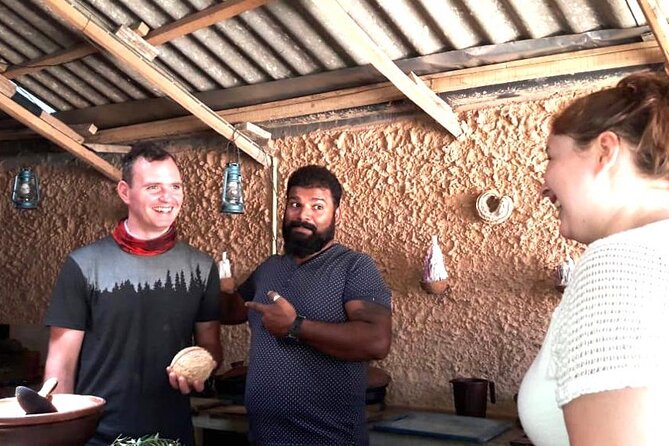
- A private family workshop: Only your group participates, making it easier to ask questions and work at your own pace.
- Cooking from scratch: You help prepare lunch or dinner, including coconut milk, rice, dhal, and vegetable curry.
- A village setting near Kandy: The experience takes you away from the city center and into a more personal local setting.
- Tea or coffee starts the visit: A welcome drink gives you time to meet the family before choosing ingredients.
- About three and a half hours: The length allows time for preparation, cooking, and eating without rushing.
- Sudesh and Nandi may be part of the experience: Sudesh has helped with pickup, while Nandi has guided guests through the cooking.
Starting with tea near Kandy
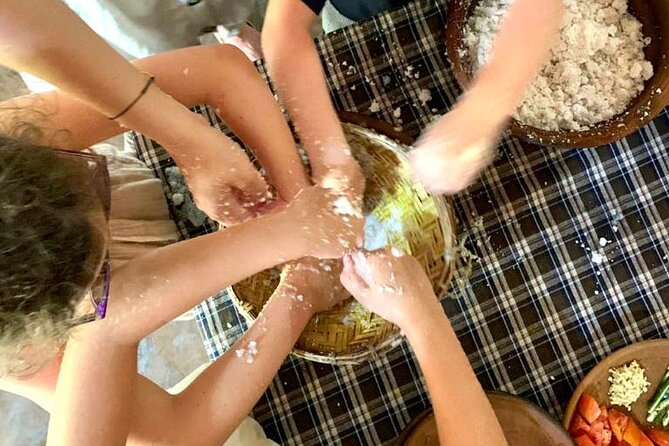
The class begins with tea or coffee, a small but useful pause before the cooking starts. This gives you time to settle in, meet the host family, and understand how the session will work.
From the outset, the format is personal. This is a private activity, so you are not sharing the lesson with a large mixed group. That matters in a kitchen. You can ask how much coconut milk to use, check whether a curry is ready, or request help with a step without waiting for a dozen other people to finish.
The meeting point is Kandy City Centre. The activity ends back at the meeting point, and pickup is offered according to the tour details. At the same time, private transportation is listed as not included, so you should confirm the exact pickup arrangement when booking. One account of the experience describes Sudesh collecting a participant, but transport should not be assumed to be part of the $30 price in every case.
The setting is described as a village just outside Kandy. That change of scene is part of the appeal. You are not only taking a cooking lesson, you are seeing a more domestic side of the area. Still, the information does not provide a precise home address or a detailed transfer schedule, so leave yourself some flexibility around the meeting and return time.
More Cooking Classes in Kandy
- Kandy Village Cooking Class
★ 5.0 · 536 reviews - Private Traditional Sri Lankan Cooking Class in Kandy with Hotel Transfers
★ 5.0 · 115 reviews - Kandy Cooking Class with Granny
★ 4.9 · 95 reviews
Choosing the ingredients for your meal
After the welcome drink, you select the ingredients for either lunch or dinner. This is a better arrangement than being handed a fixed menu if you already know what you like, have foods you avoid, or want to concentrate on a particular kind of Sri Lankan dish.
The choice also gives the meal a personal stamp. You are not preparing a generic sample plate designed only for a class. You help decide what will be cooked, then work through the preparation with guidance from the family.
The available information does not provide a complete ingredient list or a set menu. That is worth keeping in mind if you have a strict allergy, a dietary restriction, or a specific dish in mind. Ask what choices are available before the session begins. The class is flexible in its ingredient selection, but the exact range is not specified.
I would also treat the ingredient choice as part of the lesson rather than a quick ordering step. Sri Lankan cooking depends on how several simple elements work together. Rice, dhal, coconut, and vegetables can form a filling meal, but the balance changes with the ingredients you select and the way you prepare them.
Learning coconut milk, rice, dhal, and curry
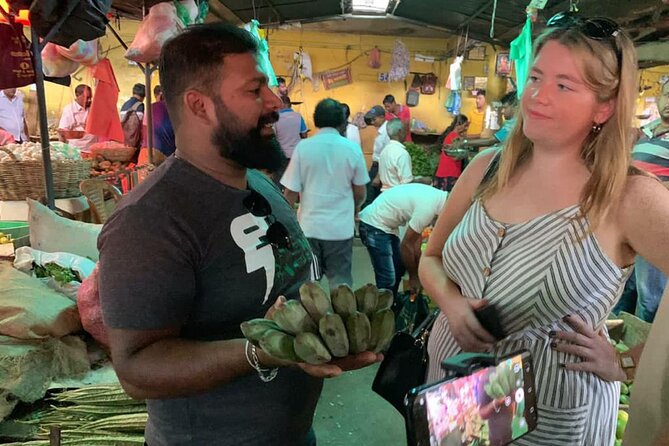
The cooking itself is deliberately hands-on. You are expected to do the work while the chef guides you. That includes learning how to get coconut milk and understanding the steps involved in cooking the meal.
A particularly useful detail is the attention given to coconut milk. It is easy to buy a tin at home and miss how central coconut preparation is to many Sri Lankan dishes. Here, you learn the method used in the family kitchen rather than treating coconut milk as an unexplained ingredient poured from a package.
You also work with rice, dhal, and different vegetable curries. These foods are practical choices for a class because they show several parts of Sri Lankan cooking at once. Dhal offers one style of preparation, rice gives you the meal’s base, and vegetable curries show how flavor can change from one dish to another.
The class is not described as a formal chef certification or a technical culinary course. You will get guidance, but the tone appears to be that of a host teaching you how the family cooks. If you enjoy asking questions and handling the ingredients yourself, that is a strength. If you prefer to sit back and take notes while someone else does the work, you may find the format demanding.
The teaching can also vary with the people present. Nandi is identified as the family matriarch and has guided a participant through coconut milk, rice, dhal, and several vegetable curries. Her role suggests that the lesson draws on household cooking knowledge, not only a restaurant recipe. Sudesh has also been involved in welcoming or collecting participants.
Eating the meal you helped prepare
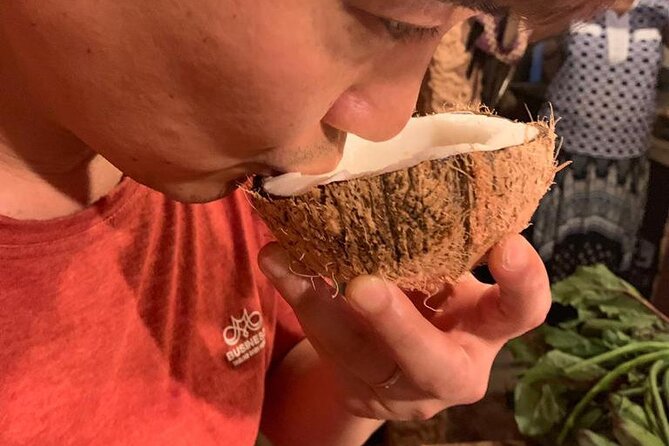
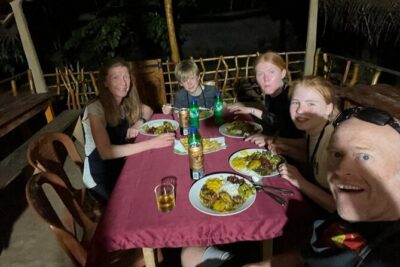
Once the cooking is finished, you eat the lunch or dinner. This is the payoff, but it is also part of the learning process. You can see how the separate dishes come together as a complete Sri Lankan meal and judge the results for yourself.
The food is included in the price, as are tea or coffee and bottled water. Alcohol is not included. That is a minor point for most people, but it helps set expectations: this is a family cooking session, not an evening built around drinks.
The final meal also gives you a chance to remember the process. You have handled the ingredients, followed instructions, and seen how the dishes were assembled. That makes the recipes easier to recall than food eaten at a restaurant with no explanation.
Do not expect a menu of restaurant-style courses or a large spread beyond what you prepare. The details specify lunch or dinner, but not the number of dishes or portion sizes. The value is in the instruction and participation as much as in the meal itself.
Same base, a completely different kind of day out:
- Kandy Private Guided City Tour by Tuk Tuk
★ 4.9 · 1,307 reviews - From Kandy: Sigiriya Rock & Dambulla Cave Temple Adventure
★ 4.9 · 785 reviews - Kandy to Ella Train Tickets – Reserved Seats
★ 4.5 · 523 reviews - From Kandy: Pinnawala Day Tour
★ 4.8 · 331 reviews
Why the private format matters
The private arrangement is one of the strongest reasons to book this experience. Only your group participates, so the session can feel more like a family visit than a scheduled group performance.
For a couple or a small group of friends, this creates room for conversation. You can ask about a technique more than once, take your time with a step, or focus on ingredients that interest you. It also makes the class a reasonable choice for people who do not enjoy cooking in front of strangers.
There is a tradeoff. A private class may feel less lively than a large cooking school with several teams working at once. If you enjoy meeting many other people or comparing dishes with a big group, this setup will be quieter.
The private format is especially useful for a family group or for anyone who wants a relaxed pace. Most people can participate, and the activity is near public transportation. The available information does not list special accessibility arrangements, so ask ahead if you have mobility needs or require a particular kitchen setup.
What three and a half hours feels like
The stated duration is about three hours and thirty minutes. That is long enough for a welcome drink, ingredient selection, preparation, cooking, and the meal itself.
The timing should feel unhurried compared with a short demonstration. You have to do the cooking, and the host needs time to explain the techniques. Coconut milk preparation alone is more involved than simply opening a carton, while several curries and rice require attention at different stages.
The length can be a drawback if you have a tightly packed Kandy sightseeing schedule. It is wise not to place a major appointment immediately afterward, especially since pickup and the return to Kandy City Centre may add some time beyond the kitchen portion.
This duration also makes the class more useful for people who want to remember the process. A quick one-hour session might show you a recipe, but three and a half hours gives you a better chance to understand the order of tasks and how the meal comes together.
Is $30 good value?
At $30 per person, the price is reasonable for a private, roughly half-day experience that includes the meal, tea or coffee, and bottled water. You are paying for personal instruction and a local setting, not just for lunch.
The value is strongest if you actively want to cook. You are involved from ingredient selection through the final meal, so the class can give you techniques to use after returning home. The lesson on coconut milk is particularly useful because it shows a method that may not be covered in a standard restaurant meal.
The price is less compelling if you mainly want to eat. A local restaurant meal will usually take less time and require less effort. This activity asks you to set aside most of an afternoon or evening and participate fully.
The small-group format improves the value for couples, families, and friends who would otherwise pay for several separate activities. Since only your group takes part, you receive more direct attention than you would in a large public workshop.
Who should book this cooking class?
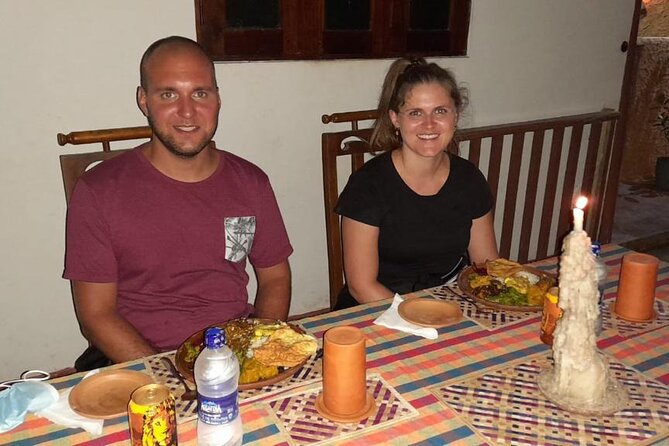
I would recommend it to you if you want an everyday local experience rather than a sightseeing stop. It suits people who enjoy learning by doing and who want recipes they can try again at home.
It is also a good fit for anyone curious about the foundations of Sri Lankan food. Rice, dhal, vegetables, and coconut milk are practical subjects, and they offer a better look at household cooking than a staged tasting alone.
Families may appreciate the private setting, provided everyone is ready to take part. Couples can use it as a slower half-day activity away from Kandy’s main sights. Solo visitors can also benefit from the close instruction, although the $30 price is naturally easier to justify if you value one-on-one attention.
I would be more cautious if you have severe food restrictions, need a fully accessible kitchen, or want a fixed menu in advance. The available details do not spell out the ingredient choices, kitchen access, or accessibility arrangements. Contact the provider before booking so the class matches your needs.
The experience also depends on the weather and on reaching the minimum number of participants. If poor weather or insufficient bookings cause a cancellation, you are offered another date, another experience, or a full refund.
Book it or skip it?
Book this class if you want to leave Kandy with more than photographs and a restaurant bill. The private family setting, hands-on work, and focus on coconut milk, rice, dhal, and vegetable curry give you a useful introduction to Sri Lankan home cooking.
Skip it if your schedule is packed or if you would rather have a short demonstration with a ready-made meal. For everyone else, $30 is a fair price for three and a half hours of personal instruction, food, and time in a village setting outside the city.
You can cancel for a full refund up to 24 hours before the start time. Changes or cancellations made less than 24 hours before the experience are not accepted, so keep that deadline in mind when arranging your Kandy plans.
FAQ
Where does the cooking class start?
The activity starts at Kandy City Centre in Kandy, Sri Lanka.
Where does the activity end?
The activity ends back at the meeting point.
How long does the experience last?
The cooking workshop lasts approximately three hours and thirty minutes.
Is the activity private?
Yes. Only your group participates in this private activity.
What food and drinks are included?
Lunch or dinner, coffee or tea, and bottled water are included.
Is transportation included?
Pickup is offered, but private transportation is listed as not included. Confirm the exact pickup arrangement when booking.
Can I cancel for a full refund?
Yes. You can cancel at least 24 hours before the experience start time for a full refund. Cancellations or changes made less than 24 hours before the start time are not accepted.
Newly listed around Kandy
- Pinnawala private day trip from colombo or negombo★ 5.0 · 4 reviews
- Private all inclusive Day tour Kandy, Pinnawala, & your own selected attractions★ 5.0 · 13 reviews
- Air port Pick up and Drop to Kandy★ 5.0 · 4 reviews
- From Kandy to Nuwara Eliya Day Tour★ 5.0 · 21 reviews
- Kandy City Tour & Famous Ambuluwawa Tower with Friendly Chauffeur★ 5.0 · 11 reviews
- Sri Lanka 4 Day Private Tour★ 5.0 · 6 reviews
- Private Tuk Tuk Tour of Kandy City & Surroundings★ 5.0 · 35 reviews
- Wasgamuwa National Park Safari from Kandy★ 5.0 · 3 reviews
Cooking Classes, compared.
Organic cooking class sigiriya (kumara & family)
Read our review →
Sri Lankan Cooking Class with Neranji at Homestay
Read our review →
Browse the lists this tour appears in