
Reviewed · COOKING CLASSES
Authentic Sri Lankan Cooking Experience
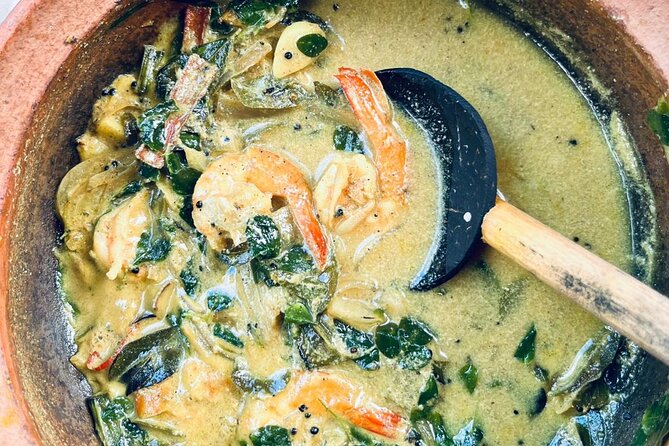
The best part of this Kandy cooking class is its setting: a quiet village home with a garden, clay hearth, wood fire, and ingredients picked close to the cooking area. You do not simply watch a chef work. You chop, stir, season, and cook a full Sri Lankan meal while learning how food connects with family life and Ayurvedic ideas.
I like the garden-to-table cooking and the use of traditional clay pots, coconut spoons, and firewood stoves. I also like the small, private format, which lets Sandy or the family hosts adjust the pace and explain unfamiliar spices. One thing to consider: private transportation is not included, and pickup costs extra according to distance and vehicle type.
Key points to know before booking
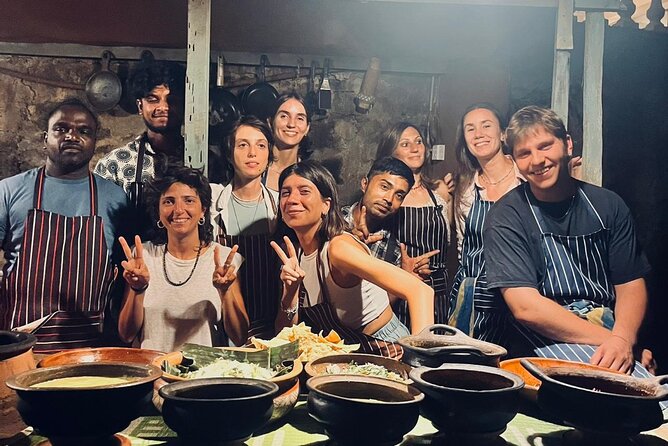
- Seven dishes plus roti: You may prepare a surprisingly broad meal during the 2-hour-30-minute session.
- A real family setting: The class takes place in a recreated grandmother’s kitchen at a village home, not a polished restaurant school.
- Fresh garden ingredients: Herbs, vegetables, and spices come from the resort or home garden when available.
- Traditional cooking tools: Clay pots, coconut spoons, a clay hearth, and firewood shape the cooking style.
- Private group format: Only your own group takes part, with vegetarian and vegan choices included.
- Easy timing: The class starts at 11:00 am at Kandy Living Villa & Homestay and ends there after lunch or dinner.
A village kitchen instead of a restaurant classroom
At 11:00 am, you meet at Kandy Living Villa & Homestay on Maithree Mawatha in Kandy. From there, the experience moves into a peaceful village-home setting surrounded by greenery and a working garden.
That change of setting matters. A restaurant kitchen can teach technique, but this class is designed around ordinary Sri Lankan home cooking. The focus is not on fancy plating or professional speed. It is on the food your hosts grew up with, the tools their family used, and the small decisions that give a curry its character.
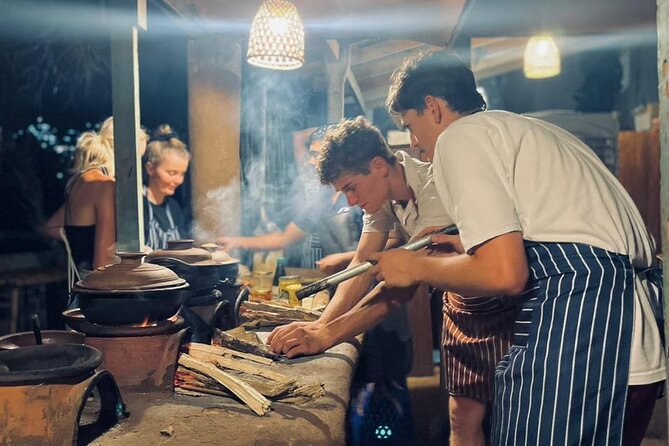
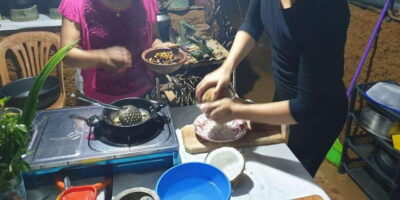
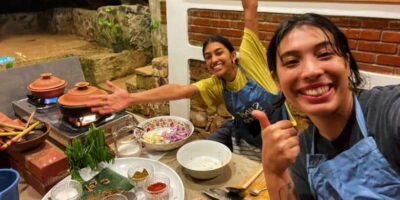
The kitchen is described as a recreation of a grandmother’s cooking space. Expect a simple, traditional outdoor arrangement rather than stainless-steel counters and modern appliances. You cook over a clay hearth and wood fire, using clay pots and coconut spoons. These details are not just decoration. They affect heat, timing, stirring, and the way you think about cooking.
You should also expect a relaxed pace. The full activity lasts about two and a half hours, and the class includes time for garden exploration, conversation, preparation, cooking, and eating. If you prefer a fast demonstration followed by a quick meal, this may feel slow. If you want to understand how a local meal comes together, the pace is part of the appeal.
More Cooking Classes in Kandy
- Kandy Village Cooking Class
★ 5.0 · 536 reviews - Private Traditional Sri Lankan Cooking Class in Kandy with Hotel Transfers
★ 5.0 · 115 reviews - Cooking With Village Family
★ 5.0 · 104 reviews
Start with the garden and Sri Lankan ingredients
The garden visit gives you a useful introduction before the cooking begins. You may see vegetables, herbs, and spices growing near the home, then learn how they are used in the dishes you will prepare.
This is one of the strongest parts of the experience because it gives context to ingredients that can seem mysterious in a market or recipe. Instead of treating spices as a list of powders, the class connects them with plants, scent, taste, and everyday health practices.
The hosts also explain the wellness ideas linked with traditional Sri Lankan cooking and Ayurveda. That does not mean the class is a medical lesson, and you should not treat the food as a substitute for medical care. It does mean you get an explanation of why certain herbs, vegetables, and spices are valued in local cooking.
Freshness is another practical advantage. The vegetables and herbs are grown organically at the resort or picked from the surrounding garden when available. The exact harvest will depend on the season, so do not expect every ingredient to come directly from the soil that day. Still, the garden helps you see the relationship between the cooking area and the food on your plate.
Take time here if you enjoy food culture. Ask about the ingredients you do not recognize, and pay attention to smell as well as appearance. Sri Lankan cooking often depends on layering flavors, and understanding the raw ingredients makes the later steps easier to follow.
Cooking seven dishes over a wood fire
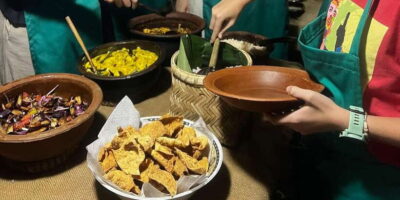
The hands-on portion is the heart of the class. You help prepare a complete Sri Lankan meal, with the exact menu shaped by the available ingredients and the family’s cooking plan.
Several accounts of the class describe preparing seven dishes and roti. That is a substantial amount of food for a 2-hour-30-minute experience. You will likely move between tasks rather than make every dish from start to finish in a perfectly separate sequence. Some items may simmer while you chop, season, or shape another part of the meal.
The benefit is variety. You can see how different vegetables, herbs, spices, and cooking methods work together on one Sri Lankan table. You also learn that a meal is not one curry repeated several times. It is a combination of textures, aromas, heat levels, and side dishes.
Roti adds a useful change of pace. It gives you a chance to handle dough or flatbread preparation alongside the curries and vegetable dishes. If you have cooked only with modern stovetops, the wood fire will be part of the lesson too. Heat is less exact, so you learn to watch the pot, smell the food, and judge readiness by more than a timer.
The chef shares family methods and small cooking tips as the meal develops. Sandy is specifically praised for being accommodating and for helping a late-arriving participant catch up. That suggests a friendly teaching style, though you should still aim to arrive on time so you do not miss the garden visit or early preparation.
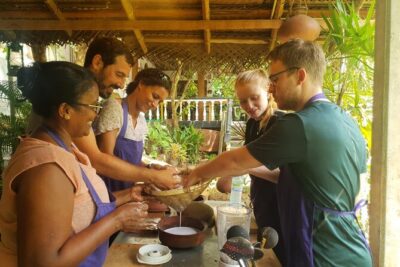
The cooking is participatory, not a show. You should be ready to wash, cut, mix, stir, taste, and help keep several dishes moving. This is a better choice for people who enjoy getting involved than for anyone who wants to sit back and take photographs.
Clay pots, coconut spoons, and the taste of home
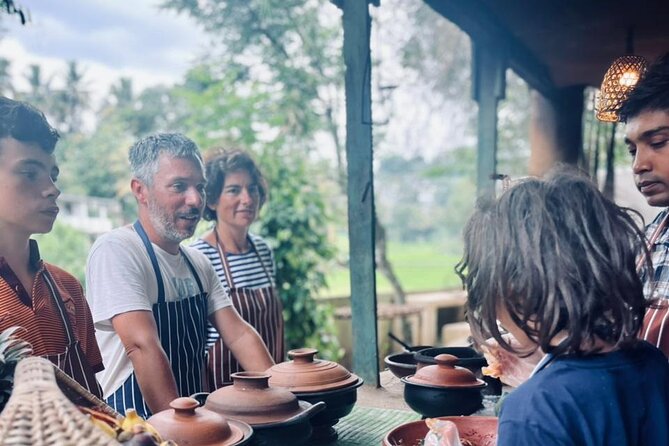
The traditional tools give the class a clear sense of place. Clay pots hold heat differently from metal cookware, and cooking over fire requires more attention. Coconut spoons add another local detail and reinforce the idea that this is family-style food rather than a staged culinary display.
The hosts also share stories about their family and the role food plays in daily life. This cultural exchange is valuable because recipes rarely explain everything. A dish can be tied to a season, a household habit, a healing belief, or a particular way of welcoming people.
You may find that the food tastes different from a restaurant version of Sri Lankan cuisine. That is not necessarily because it is hotter or more elaborate. Home cooking often depends on the balance preferred by one family, the freshness of the produce, and the order in which ingredients are added.
The class is also a good way to learn how Sri Lankan food uses herbs and spices without reducing the cuisine to heat. The garden walk and explanations of ingredients help you see the wider range of flavors, including earthy, bitter, sweet, sour, and fragrant notes.
Same base, a completely different kind of day out:
- Kandy Private Guided City Tour by Tuk Tuk
★ 4.9 · 1,307 reviews - From Kandy: Sigiriya Rock & Dambulla Cave Temple Adventure
★ 4.9 · 785 reviews - Kandy to Ella Train Tickets – Reserved Seats
★ 4.5 · 523 reviews - From Kandy: Pinnawala Day Tour
★ 4.8 · 331 reviews
Lunch, dinner, and homemade tea
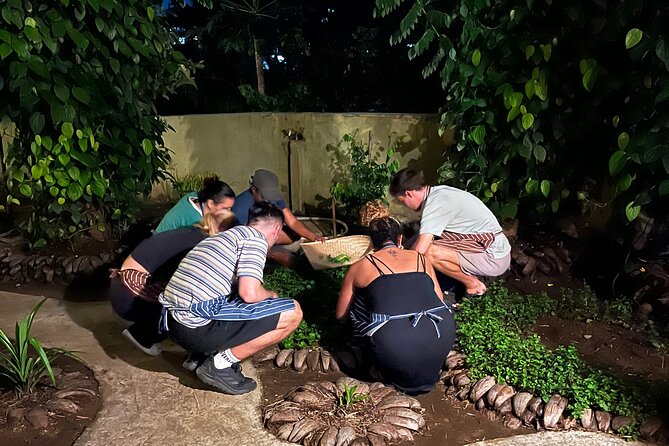
The meal is included, and the timing allows you to eat what you have prepared. The experience is described as including lunch and dinner, so confirm the meal arrangement when booking if the distinction matters for your plans. The published start time is 11:00 am, which normally suits a midday meal better, but the class descriptions also refer to an evening cooking format.
While the food cooks, you can have homemade herbal tea or iced tea. The iced tea receives particular attention as a refreshing local drink made with fresh herbs. This pause is useful because it gives the dishes time to simmer and leaves space for conversation.
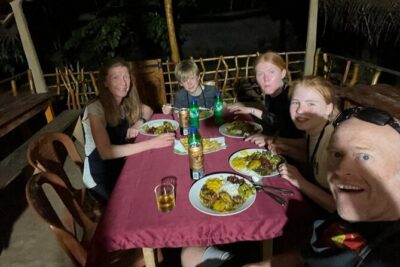
Eating the meal at the end gives the class a satisfying purpose. You are not cooking an isolated sample and then moving on. You can taste how the different dishes work together, compare the flavor of ingredients in cooked form, and ask questions while everything is still fresh.
Portion sizes and the exact menu are not specified, so do not book this expecting a fixed tasting menu. The strength is the shared homemade meal and the chance to eat food prepared with your own hands.
Why the private format matters
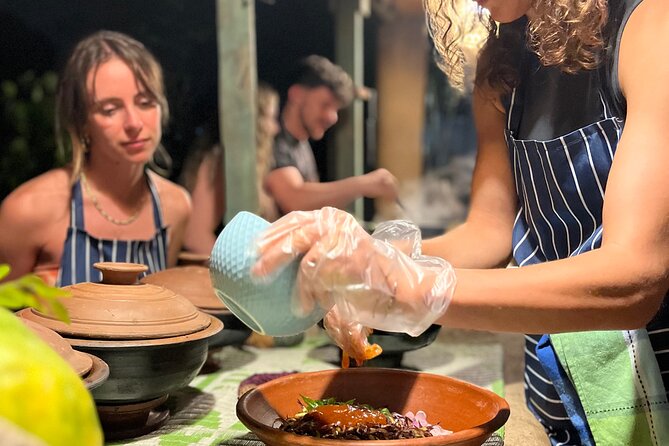
This is a private activity, so only your own group takes part. That is a real advantage for a cooking lesson. You can ask basic questions without worrying about holding up a large class, and the hosts can spend more time demonstrating tasks your group finds difficult.
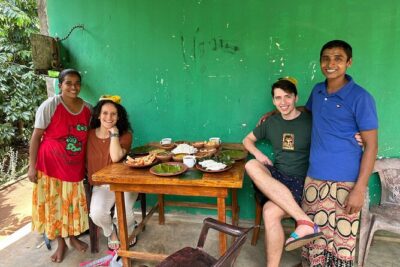
A small group also suits families, couples, and friends who want a quieter cultural activity. The setting is described as calm, and the class includes stories and laughter as well as instruction. It feels closer to being welcomed into a home than attending a standard food workshop.
The tradeoff is that the experience may feel less structured than a formal culinary school. The menu can reflect the garden and the family’s normal methods, rather than a printed lesson plan with exact measurements and fixed timings. That is ideal if you want local character. It is less ideal if you want a standardized recipe class designed for professional technique.
Vegetarian and vegan options are included, which makes the class useful for plant-based eaters. Ask about your preferences when booking so the hosts can plan the meal properly. The supplied information confirms these options but does not specify meat, seafood, allergy, or gluten arrangements, so you should check any other dietary needs in advance.
Price, transport, and practical value
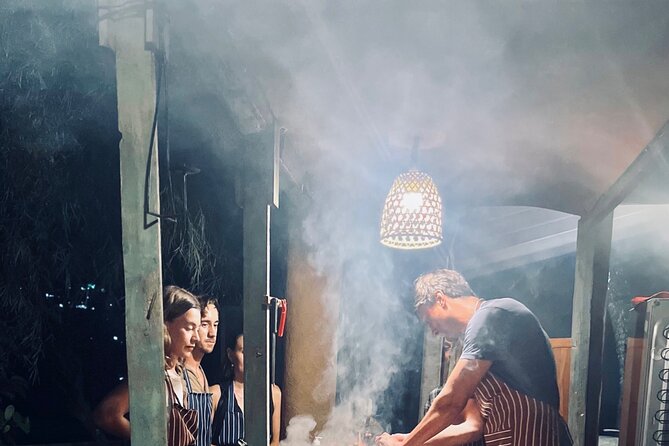
At $25 per person, the class offers more than a meal. The price covers the cooking session, the garden and ingredient explanations, the food you prepare, and lunch or dinner. For someone already interested in Sri Lankan cuisine, that is good value because you leave with techniques and cultural context rather than only a plate of food.
The value is strongest when you take part fully. If you skip the hands-on work and treat it as a meal stop, the price becomes less compelling. If you enjoy cooking and want a personal introduction to local food, the garden, tools, family setting, and private format add up well.
Transportation is not included. You meet at Kandy Living Villa & Homestay, and the activity ends back at that point. If you arrange pickup, an additional charge applies based on the distance and vehicle type. Since the meeting point is near public transportation, you may be able to reach it without paying for a private vehicle, but the information provided does not specify routes, fares, or walking conditions.
Plan for the full 2 hours and 30 minutes, especially if you have a train, temple visit, or other fixed appointment afterward. The cooking may be relaxed, and firewood cooking does not always follow a strict clock.
Confirmation is provided at booking. The experience requires good weather, so poor conditions can lead to a new date or a full refund. You can cancel for a full refund up to 24 hours before the start time. Inside that 24-hour window, the payment is not refunded and changes are not accepted.
Who will enjoy this Kandy cooking class
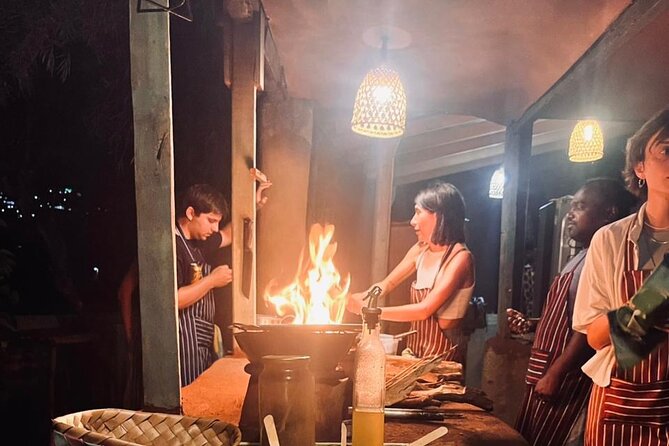
I would choose this for anyone who wants a personal connection with Sri Lankan food. It suits curious cooks, couples, families, small friend groups, and people who prefer local homes to formal attractions.
It is especially useful early in a Sri Lanka trip. After the class, you will recognize more herbs and spices on restaurant menus and have a better idea of how curries are built. It also works well as a slower day in Kandy, when you want cultural contact without spending the whole day moving between sights.
Vegetarians and vegans have a clear reason to consider it, since those choices are included. The private format is another plus for people who dislike large group activities.
I would think twice if you dislike communal cooking, have a very tight schedule, or need guaranteed information about specific allergens that has not been provided. The wood fire and traditional kitchen are central to the experience, so this is not the best fit if you want modern equipment, exact measurements, or a highly polished cooking studio.
Should you book it?
Book this class if you want to cook a full Sri Lankan meal in a family-style setting and care as much about ingredients and traditions as the final food. The garden walk, seven-dish meal, roti, wood fire, clay pots, and herbal tea create a fuller experience than a short restaurant demonstration.
Before paying, confirm the menu, dietary details, and transport plan. Arrive at Kandy Living Villa & Homestay by 11:00 am, leave enough time for the complete session, and remember that pickup costs extra. At $25 per person, it is a strong choice for a small group seeking hands-on local food rather than a quick, polished tourist activity.
FAQ
Where does the cooking class start?
The activity starts at Kandy Living Villa & Homestay on Maithree Mawatha, Kandy 20000, Sri Lanka.
What time does the experience begin?
The stated start time is 11:00 am.
How long does the cooking class last?
The experience lasts approximately 2 hours and 30 minutes.
Is transportation included?
No. Private transportation is not included. If pickup is arranged, an additional charge applies based on the distance and vehicle type.
Are vegetarian and vegan meals available?
Yes. Vegetarian and vegan options are included.
What happens if I need to cancel?
You receive a full refund if you cancel at least 24 hours before the start time. Cancellations or changes made less than 24 hours before the experience are not refunded or accepted. If poor weather causes the activity to be canceled, you are offered another date or a full refund.
Newly listed around Kandy
- Pinnawala private day trip from colombo or negombo★ 5.0 · 4 reviews
- Private all inclusive Day tour Kandy, Pinnawala, & your own selected attractions★ 5.0 · 13 reviews
- Air port Pick up and Drop to Kandy★ 5.0 · 4 reviews
- From Kandy to Nuwara Eliya Day Tour★ 5.0 · 21 reviews
- Kandy City Tour & Famous Ambuluwawa Tower with Friendly Chauffeur★ 5.0 · 11 reviews
- Sri Lanka 4 Day Private Tour★ 5.0 · 6 reviews
- Private Tuk Tuk Tour of Kandy City & Surroundings★ 5.0 · 35 reviews
- Wasgamuwa National Park Safari from Kandy★ 5.0 · 3 reviews
Cooking Classes, compared.
Organic cooking class sigiriya (kumara & family)
Read our review →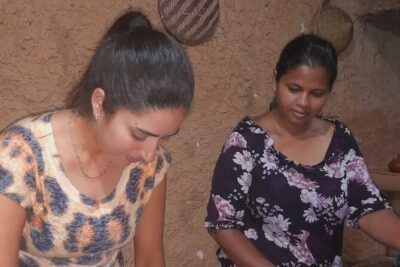
Sri Lankan Cooking Class with Neranji at Homestay
Read our review →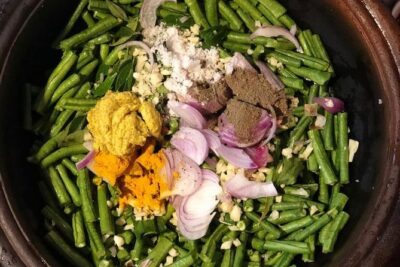
Browse the lists this tour appears in