
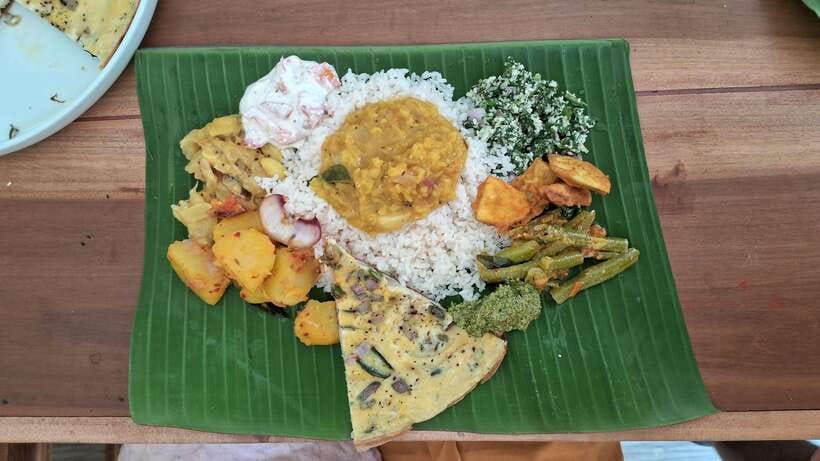
Reviewed · COOKING CLASSES
Cooking with Arun & Tamil Family
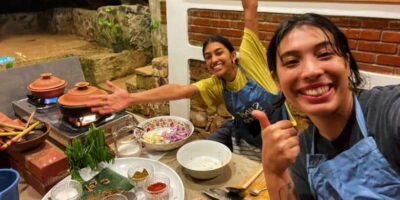
Cooking with Arun is less a formal cooking school and more a seat at a Tamil family table. You help prepare Sri Lankan food in a home kitchen, then eat it together with Arun, his mother, and the wider family. The family setting is the main attraction, while the menu can be adjusted for vegetarian, vegan, meat-based, mild, or spicy preferences.
I like the combination of practical cooking and relaxed social time. I also like the small touches: guitars and a ukulele, afternoon tea with local sweets, a rooftop chill-out area, and a recipe book sent home after the class. The main consideration is that this is a three-hour home-based experience, so you should choose it for personal contact and shared food, not for a fast demonstration or restaurant-style service.
Key points to know before booking
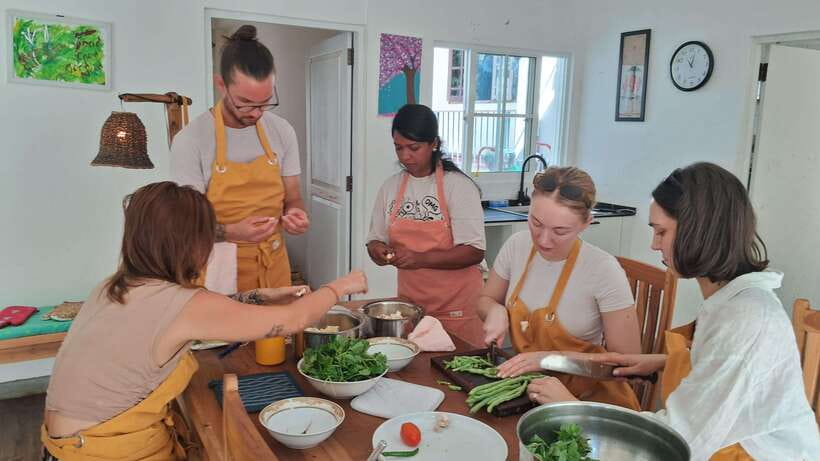
- Tamil family cooking: Arun and his mother lead you through Sri Lankan dishes in their own cozy kitchen.
- A flexible menu: You can request vegetarian, vegan, meat, mild, spicy, or allergy-friendly options in advance.
- Small groups: The experience is limited to 10 people, making it easier to ask questions and take part.
- More than a cooking class: Music, family conversation, afternoon tea, authentic sweets, and time with Snowy are part of the appeal.
- Useful take-home value: You receive a PDF recipe book, and extra food can be taken home or donated to disadvantaged people.
- Straightforward pricing: At $37 per person for three hours, the price covers the lesson, meal, welcome drink, tea, sweets, and recipes.
A home kitchen instead of a polished cooking studio
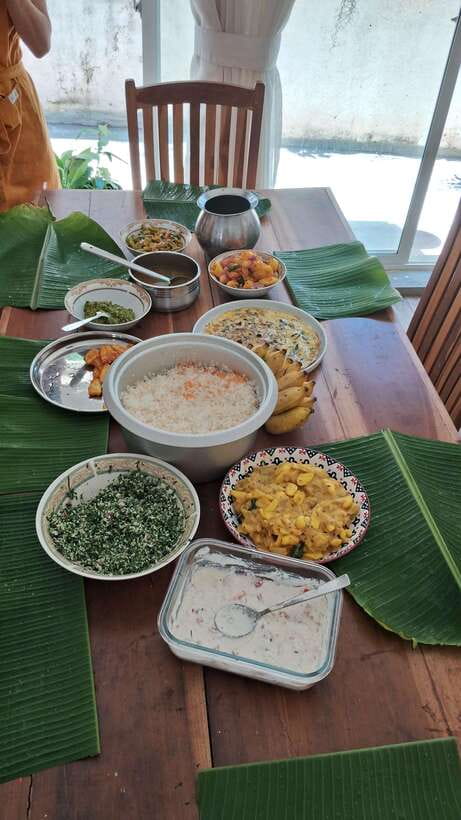
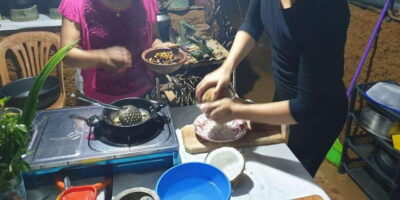
The first thing to understand is the setting. This is a family kitchen in Sri Lanka’s Central Province, not a large commercial school with rows of workstations and a tightly scripted presentation. Arun invites you into his home cooking space, where his mother brings the family’s Tamil cooking experience to the lesson.
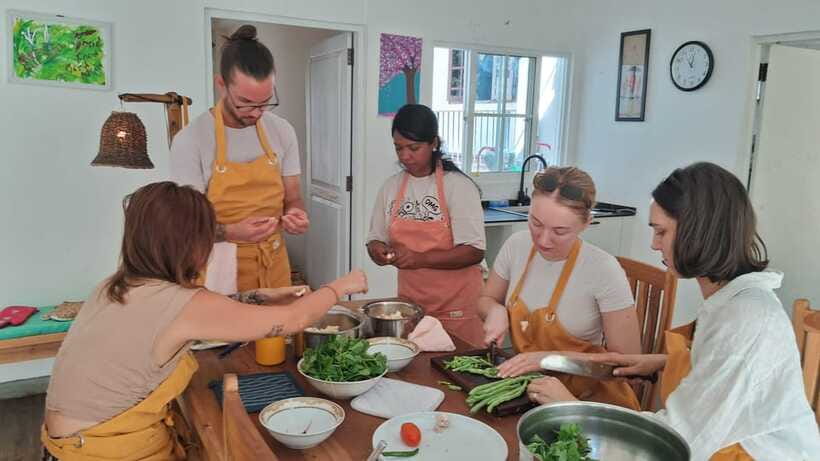
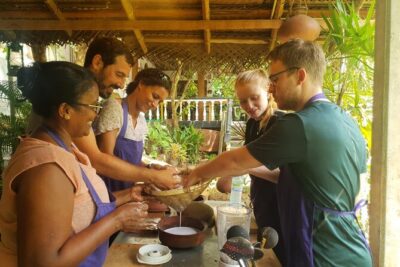
That difference matters. You are not simply watching someone prepare a curry from a distance. The plan is to cook together, with guidance at each stage. Beginners can follow along, and more confident cooks can ask about ingredients, seasoning, and preparation as they work.
The welcome drink helps ease you into the experience. From there, the mood is intended to stay informal. English is the teaching language, so you can ask questions and follow the instructions without needing translation.
The family atmosphere has been a major strength. Recent bookings describe Arun, his mother, and an assistant as kind and attentive, including toward a two-year-old child. That makes this a useful option for families who want food culture without a stiff classroom tone.
More Cooking Classes in Kandy
- Kandy Village Cooking Class
★ 5.0 · 536 reviews - Private Traditional Sri Lankan Cooking Class in Kandy with Hotel Transfers
★ 5.0 · 115 reviews - Cooking With Village Family
★ 5.0 · 104 reviews
Cooking Tamil style Sri Lankan dishes
Sri Lankan food is often associated with bold spice, coconut, curry leaves, and layers of flavor. Tamil cooking adds its own regional character, and this class gives you a chance to see how those flavors are built in a home setting.
The exact menu is not fixed in the information provided, but the selection is described as broad. You may have spicy curries, milder dishes, vegetarian food, vegan food, or meat-based recipes, depending on the group’s preferences. If you have an allergy or dietary restriction, tell the hosts before the class so the menu can be adjusted.
That flexibility is useful, but it also means you should not book expecting one guaranteed list of dishes. If you have a particular Sri Lankan food you hope to learn, ask about it before committing. The experience is designed around the group rather than a single unchanging menu.
The lesson is suitable for beginners because Arun’s team guides you through each step. You should still expect to participate rather than simply sit back. The best value comes from chopping, stirring, tasting, and asking why a certain ingredient or method is used.
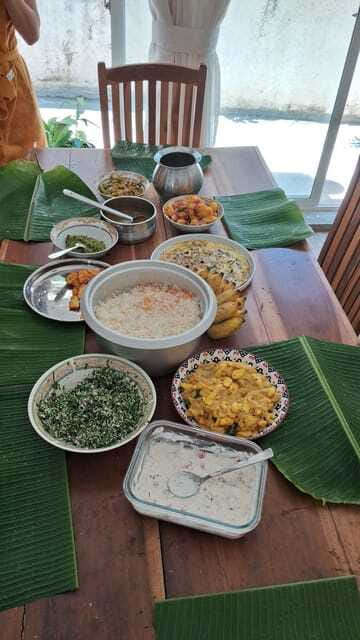
I especially like that the meal is not treated as an afterthought. Once the cooking is finished, you sit down and eat what you prepared. That closes the gap between lesson and meal: you see how the separate ingredients become a shared table of Sri Lankan food.
A three-hour rhythm that leaves room for conversation
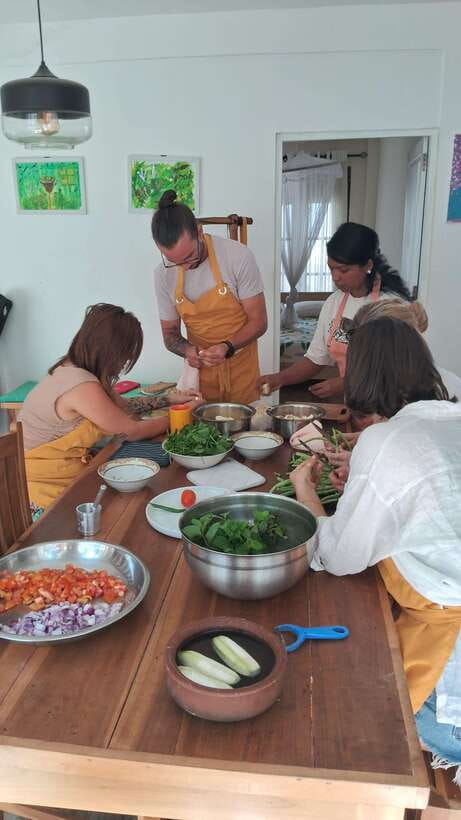
The experience lasts three hours, which is enough time for a proper cooking session without taking up an entire day of sightseeing. Starting times vary, so check availability when you choose a date.
A typical flow begins with the welcome drink and introductions. Arun explains the cooking plan, then you move into the preparation and cooking itself. The pace should feel unhurried enough for questions and conversation, though the exact amount of hands-on work will depend on the menu and group size.
The small-group limit of 10 people is important. A group of that size can still feel social, but it gives you a better chance to see what is happening and take part. If you are hoping for individual instruction at every moment, remember that this is still a shared family activity, not a private lesson.
After the main food is ready, you dine together. Afternoon tea and authentic sweets are included, adding a second food moment beyond the main meal. This is one reason the three-hour format makes sense: you are not rushing in, cooking one item, and leaving before the social part begins.
Extra food can be taken home if more has been prepared. You can also choose to donate it to disadvantaged people. That option gives the meal a practical purpose beyond the class itself.
Music, Snowy, and the details that soften the lesson
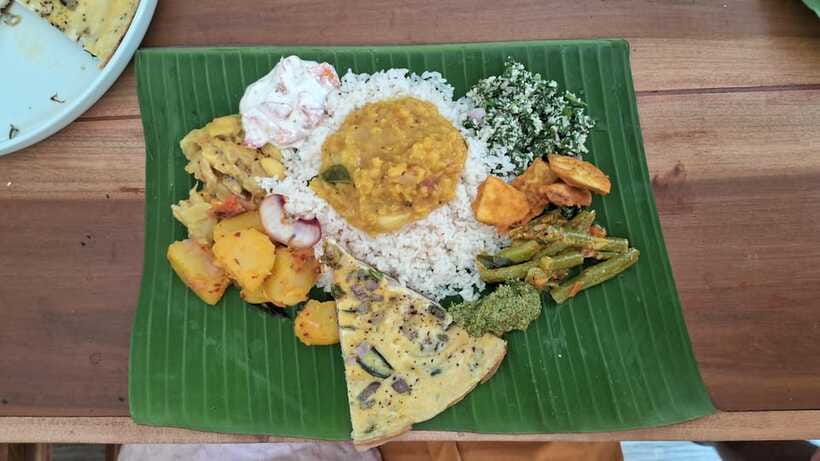
Cooking classes can become overly serious. Arun’s version aims for a lighter mood, with music as part of the setting. Guitars and a ukulele are available, and you can plug in and play your own favorite tunes while cooking.
You should not book this expecting a concert or a dedicated music performance. The instruments are a fun extra, not the main event. Still, they help explain the kind of atmosphere Arun is trying to create: social, relaxed, and open to a bit of improvisation.
Snowy, the family pet, is another memorable part of the home setting. The description presents Snowy as a friendly presence around the kitchen. If you are uncomfortable around animals, or have allergies, it would be sensible to ask about this before booking. For many people, though, a pet wandering through the experience makes it feel more like a real family visit than a staged activity.
These details also make the class appealing to families and small groups of friends. You have food to focus on, but you are not expected to behave like students in a silent classroom.
Same base, a completely different kind of day out:
- Kandy Private Guided City Tour by Tuk Tuk
★ 4.9 · 1,307 reviews - From Kandy: Sigiriya Rock & Dambulla Cave Temple Adventure
★ 4.9 · 785 reviews - Kandy to Ella Train Tickets – Reserved Seats
★ 4.5 · 523 reviews - From Kandy: Pinnawala Day Tour
★ 4.8 · 331 reviews
Sitting down to eat what you prepared
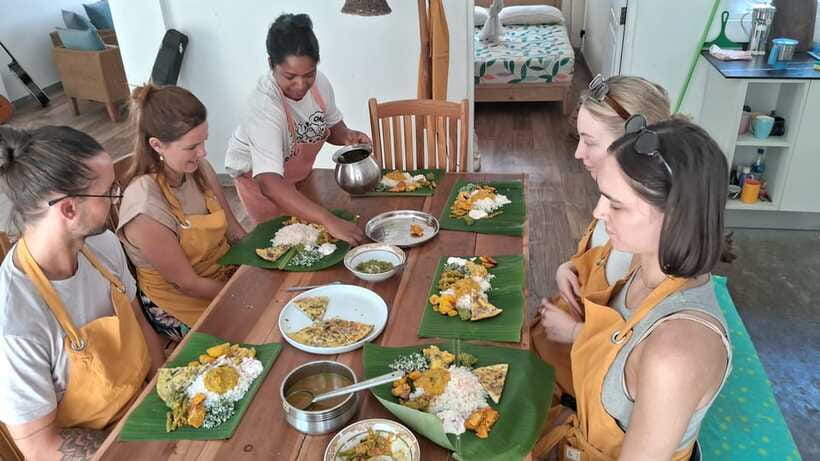
The shared meal is the payoff, but it also serves a practical purpose. Sri Lankan cooking can be difficult to understand from a recipe alone. Tasting the finished food helps you connect the aroma, texture, spice level, and balance with the preparation steps you just followed.
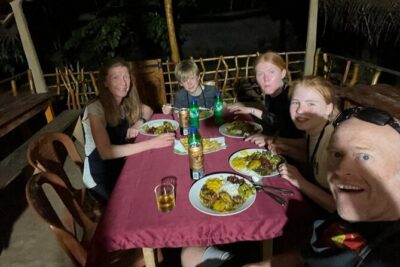
The dining area is described as inviting, and the meal is eaten together in the traditional spirit of family cooking. You can take your time, talk with Arun and his family, and enjoy the food while it is fresh.
A rooftop chill-out area is also available for relaxing and taking in the views while you enjoy your meal. The details of the view are not specified, so I would treat this as a pleasant bonus rather than the reason to book. The kitchen and family interaction are the core of the experience.
The afternoon tea with authentic sweets adds local flavor without requiring another activity. It is also a nice way to end the food portion of the visit, especially if you enjoy trying small traditional treats alongside tea.
The recipe book makes the $37 price more useful
The price is $37 per person for three hours. That is a fair value if you plan to eat a full meal, take part in a lesson, and spend time with a local family rather than simply watch a short cooking show.
Included in the price are the welcome drink, cooking lesson, dine-in meal, afternoon tea with authentic sweets, and a complimentary PDF recipe book. You also have the option of taking home extra food or donating it.
The recipe book is the most useful long-term part of the package. Food memories fade quickly, but a recipe lets you try the dishes again at home. It also gives you a way to adjust the spice level or replace ingredients when you cannot find the exact Sri Lankan products later.
Value depends on what you want from a class. If you only want to learn one precise dish as quickly as possible, a shorter specialist lesson may suit you better. If you want cooking, a meal, conversation, and a family welcome in one booking, the price covers a good amount.
The perfect five rating from 14 supplied reviews is encouraging, and the written feedback repeatedly points to the same strengths: warm hospitality, delicious food, humor, and a feeling of cooking together as a family. I would give those comments more weight than the numerical score because they describe the experience’s actual character.
Who will enjoy this most
I would recommend Cooking with Arun to several kinds of visitors:
- First-time Sri Lankan cooks: You receive guidance instead of being expected to know local techniques.
- Food-focused visitors: The class gives you context for the meal, not just a plate of finished food.
- Families: The informal setting can work well for children, and the hosts have shown care toward a very young child.
- Vegetarians and vegans: The menu can be adjusted, provided you communicate your needs.
- Couples and friends: Music, shared preparation, and a sit-down meal make this more social than a standard demonstration.
- People seeking local contact: You spend time with Arun, his mother, and family in their own kitchen.
You may want to choose another activity if you dislike home settings, prefer a tightly timed professional school, or need a guaranteed menu before arrival. The food choices are flexible, but the exact dishes are not stated in advance.
Practical details that matter
The class is in Sri Lanka’s Central Province. The supplied information does not give a specific meeting address or transport arrangement, so confirm the exact location and how to reach the kitchen before booking.
The teaching language is English. The group is limited to 10 participants, and the total duration is three hours. Starting times depend on availability.
You can reserve now and pay later, which helps if your Sri Lanka plans are still taking shape. Cancellation is free up to 24 hours before the activity for a full refund. Those terms are useful, but the main planning point is still the start time and location, since those details determine how easily the class fits into your day.
If you have food allergies or special dietary needs, contact the host in advance. The hosts say they can accommodate restrictions, but advance notice gives them a fair chance to plan the menu.
Should you book Cooking with Arun?
Book this experience if you want Sri Lankan food with a strong family and cultural side. The best parts are not only the cooking instructions, but also Arun’s mother’s role, the shared meal, the informal humor, the tea and sweets, and the recipe book you can use later.
At $37, the package offers solid value for a three-hour activity that includes food from start to finish. I would especially choose it early in a Sri Lanka visit, since the recipe book and cooking ideas may help you understand other meals during your trip.
Skip it if you want a fixed menu, a private chef, or a short technical workshop with no social time. For everyone else, this is a warm, practical way to meet a Tamil family and leave with both a full stomach and recipes worth trying at home.
FAQ
Where does Cooking with Arun take place?
The experience takes place in Sri Lanka’s Central Province, Sri Lanka. The specific meeting address is not provided, so confirm the exact location before booking.
How long does the cooking experience last?
The activity lasts three hours. Starting times depend on availability.
What language is the cooking lesson in?
The instructor language is English.
How many people can join the group?
The activity is a small-group experience limited to 10 participants.
Can the menu accommodate dietary preferences?
Yes. The menu can be adjusted for vegetarian, vegan, meat-based, mild, and spicy preferences. Dietary restrictions and allergies should be shared with the hosts in advance.
What is included in the price?
The $37 price per person includes a welcome drink, cooking lesson, dine-in meal, afternoon tea with authentic sweets, and a complimentary PDF recipe book. Extra food may be taken home or donated to disadvantaged people.
Can I cancel or pay later?
You can reserve now and pay later. Free cancellation is available up to 24 hours in advance for a full refund.
Newly listed around Kandy
- Pinnawala private day trip from colombo or negombo★ 5.0 · 4 reviews
- Private all inclusive Day tour Kandy, Pinnawala, & your own selected attractions★ 5.0 · 13 reviews
- Air port Pick up and Drop to Kandy★ 5.0 · 4 reviews
- From Kandy to Nuwara Eliya Day Tour★ 5.0 · 21 reviews
- Kandy City Tour & Famous Ambuluwawa Tower with Friendly Chauffeur★ 5.0 · 11 reviews
- Sri Lanka 4 Day Private Tour★ 5.0 · 6 reviews
- Private Tuk Tuk Tour of Kandy City & Surroundings★ 5.0 · 35 reviews
- Wasgamuwa National Park Safari from Kandy★ 5.0 · 3 reviews
Cooking Classes, compared.
Organic cooking class sigiriya (kumara & family)
Read our review →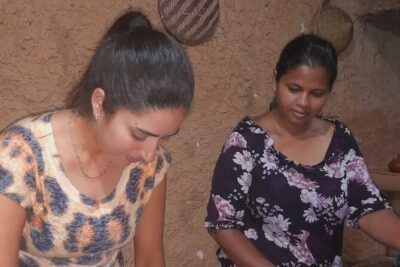
Sri Lankan Cooking Class with Neranji at Homestay
Read our review →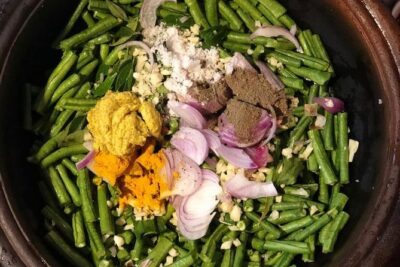
Browse the lists this tour appears in