
Reviewed · ANURADHAPURA TOURS
Half day tour – in Sacred city of Anuradhapura Or sacred city of Mihintale.
Anuradhapura is easier to understand when someone connects its scattered stupas, monasteries, ponds, and carved stones into one story. On this private half-day tour, licensed guide Lampa focuses on the Buddhist beliefs and Sri Lankan history behind each site, not just the names.
I like the clear route through major sights such as Jaya Sri Maha Bodhi and Ruwanwelisaya, and I like that the tour includes less obvious stops such as Wessagiriya and the Twin Baths. The main drawback is that the $30 price excludes entrance fees and an air-conditioned vehicle, so your final cost and comfort depend on the transport arrangement.
Key points to know before booking
- Lampa explains Buddhism and Sri Lankan history: His English and storytelling receive especially strong praise, making the monuments easier to place in context.
- Eleven important stops fit into 3 to 4 hours: The route covers sacred trees, stupas, monasteries, statues, ancient pools, and carved architectural details.
- This is a private activity: Only your group participates, so you can ask questions and set a useful pace within the available time.
- The price is $30 per person: Snacks and water are included, but entrance fees, taxes, and an air-conditioned vehicle are not.
- The listed start point is Jaya Sri Maha Bodhi at 8:30 am: Pickup is offered, but confirm the exact transport plan before booking.
- You can choose Anuradhapura or Mihintale: The supplied route describes Anuradhapura, so clarify the plan if Mihintale is your preference.
Why Anuradhapura works well with a guide
Anuradhapura is not one compact ruin with a single path through it. Important places are spread across the sacred city, and the meaning of a site can be easy to miss if you only stop for a photograph.
The city is closely tied to the arrival and growth of Buddhism in Sri Lanka. Jaya Sri Maha Bodhi, the great stupas, forest monasteries, meditation statues, and bathing pools each show a different part of that story. Lampa’s role matters because he explains the religious use of these places as well as their age and architecture.
The route is also useful if you have limited time. Eleven stops in three to four hours means the visits are short, often 15 to 30 minutes. You will see a lot, but this is not a slow archaeological study. It is a broad introduction to the sacred city, with enough explanation to help you decide which places deserve a longer return visit.
The private format is a real advantage. You are not tied to the questions or pace of a large group, and the route can feel more personal. The tour is suitable for most participants, and it is near public transport, but the listing does not promise an air-conditioned vehicle. An early start at 8:30 am is sensible for a busy sightseeing schedule, though you should still plan for outdoor walking and warm conditions.
A few more Anuradhapura days worth a look
- Private City Day Tour in Anuradhapura
★ 5.0 · 383 reviews - Minneriya National Park Elephant Jeep Safari Private Tour
★ 5.0 · 68 reviews - Explore & Ride the history of anuradhapura with Vogel Tours
★ 5.0 · 62 reviews
Jaya Sri Maha Bodhi, the spiritual center
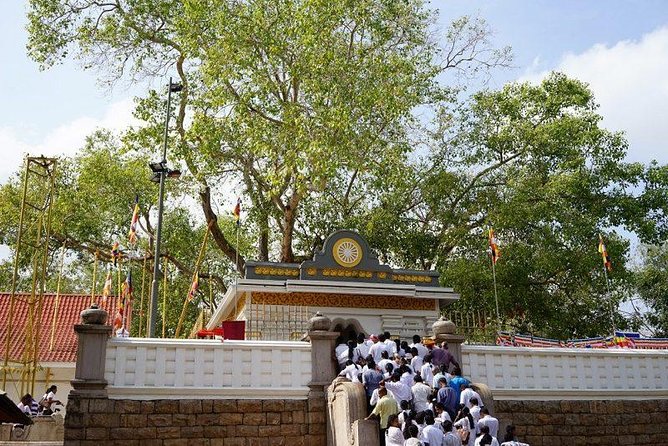
The tour begins at Jaya Sri Maha Bodhi in Mahamewna Gardens. This sacred fig tree is regarded as the closest living link to Gautama Buddha, and it is one of the most important religious places in Sri Lanka.
You have about 30 minutes here, the longest single stop on the first part of the route. That gives Lampa time to explain why the tree matters rather than treating it as a quick photo stop. The admission ticket is not included, so budget for that separately.
This is a place where respectful behavior matters. Keep your clothing and conduct suitable for a major Buddhist shrine, and follow local instructions about where you may walk or stand. The site is religious first and historical second, so allow yourself a quieter pace here.
Lovamahapaya and Ruwanwelisaya
Lovamahapaya, also called the Brazen Palace, sits between Jaya Sri Maha Bodhi and Ruwanwelisaya. The present remains are linked to a once-famous multi-storey building with a roof associated with bronze or copper, which explains the name.
The stop lasts about 15 minutes. That is enough for an introduction and a look at the setting, but not enough for a long architectural study. It works best as a short link between two major sacred sites.
Ruwanwelisaya receives about 20 minutes. Known also as the Great Thupa, this large hemispherical stupa contains Buddhist relics and is one of Anuradhapura’s defining monuments. Lampa can explain the religious meaning of the stupa form and why relic monuments became such powerful centers of worship.
The timing here is practical but brisk. If you want extended time at Ruwanwelisaya for close architectural viewing or quiet reflection, tell Lampa early and accept that another stop may need to be shortened.
Abhayagiri and Jetavanarama, two large monastic worlds
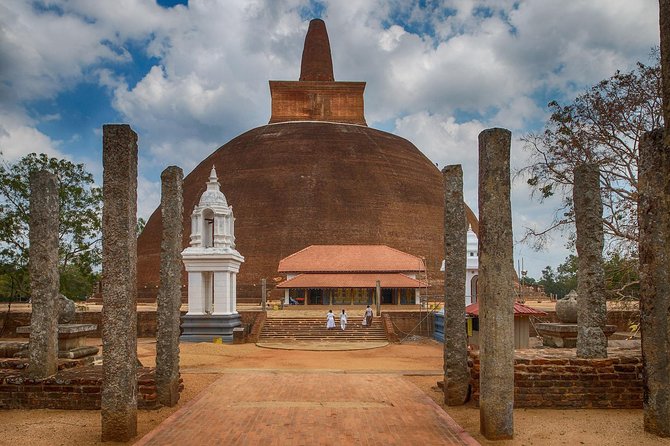
The itinerary includes stops described as Abayagiriya Stupa and Abhayagiri Dagaba. The first description refers to Jetavanarama, a major stupa in the ruins of the Jetavana monastery, while the second focuses on Abhayagiri Vihara. These are closely related parts of Anuradhapura’s large monastic zone, but the naming can be confusing.
Jetavanarama receives around 30 minutes. Its scale gives you a sense of the size and ambition of the ancient monastery complex. The description connects it with Theravada, Mahayana, and Vajrayana Buddhist traditions, an important reminder that Buddhist practice in Anuradhapura was not one simple, unchanging system.
Abhayagiri Dagaba receives about 20 minutes. Abhayagiri Vihara was a major monastery with extensive ruins and a wide religious reach. This stop is valuable because it takes you beyond the polished image of a single stupa and into the wider network of monastic buildings that supported study, worship, and daily life.
The labels in the route deserve clarification before departure. Ask Lampa which monument he plans to show at each stop, especially if you want to compare Jetavanarama and Abhayagiri rather than make a general visit to the monastery area.
Same base, a completely different kind of day out:
- Minneriya National Park | Private Safari
★ 5.0 · 59 reviews - Wilpattu National park – Morning or Afternoon Safari
★ 4.3 · 57 reviews - From Anuradhapura: All Inclusive Full Day Safari at Wilpattu
★ 4.4 · 50 reviews - Minneriya National Park Safari – Private Jeep with Hotel Pickup
★ 5.0 · 44 reviews
Thuparama and the Samadhi Statue
Thuparamaya is described as the first Buddhist temple built in Sri Lanka after the arrival of Mahinda Thero. It is located in the sacred area of Mahamewna Park and receives about 20 minutes.
That origin story makes this more than another stupa stop. It gives you a way to connect Anuradhapura’s monuments with the early spread of Buddhism on the island. Lampa’s explanations are particularly useful here because the important detail is the site’s place in Sri Lankan religious history, not just its shape.
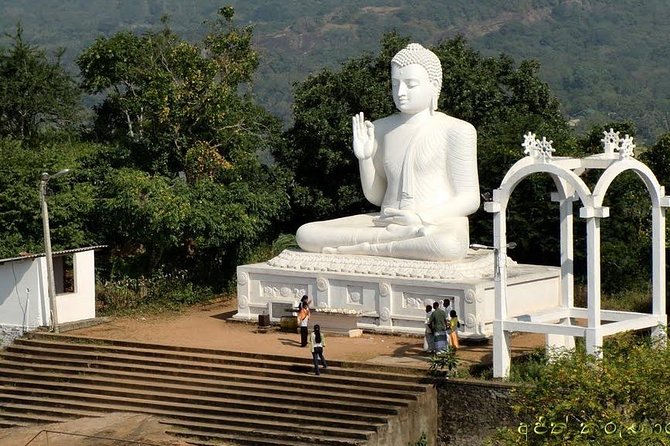
The Samadhi Statue receives 15 minutes. The seated Buddha is shown in the Dhyana Mudra, the meditation posture associated with the Buddha’s first meditation. This is a short stop, but the image offers a useful contrast with the large stupas. Here, the focus is the calm human figure and the meaning of meditation.
These two stops also help break up the sequence of monumental structures. If you enjoy sculpture and religious symbolism more than sheer size, pay close attention to Lampa’s explanation at the statue.
Isurumuniya Temple and the older sacred setting
Isurumuniya Temple, identified with the ancient Meghagiri or Meygiri Vihara, was built by King Devanampiya Tissa, who ruled from 307 to 267 BC. The visit lasts about 30 minutes.
The temple adds another layer to the tour. You are not only seeing a later monument in a famous old city, but a site connected with the early period of Anuradhapura’s development. Its long religious use helps show why this city remains important as a living sacred place.
As with the other religious sites, dress and behavior matter. The tour description does not specify a dress code, but modest clothing is a sensible choice at Buddhist temples. Shoes may need to be removed in certain areas, so footwear that is easy to take off can make the day simpler.
Twin Baths and Wessagiriya
The Twin Baths, or Kuttam Pokuna, are among the most appealing stops for anyone interested in ancient engineering. These two carefully built bathing pools are associated with the Abhayagiri monastic area and are described as unusually well preserved.
You have about 15 minutes here. That may be enough to appreciate the carved stonework and layout, but the time is short if you want to study construction details closely. Lampa’s context helps you see the pools as part of monastic life rather than as decorative ponds.
Wessagiriya receives about 20 minutes. Also called Issarasamanarama, it was an ancient Buddhist forest monastery south of Isurumuniya. This stop shifts the mood from grand public monuments to a quieter monastic setting.
The inclusion of Wessagiriya is one of the strongest parts of the route. The famous stupas show royal power and public devotion, while a forest monastery points toward a simpler setting for Buddhist practice. You get a better sense of how varied the sacred city was.
The Moonstone and the final details
The Sandakada pahana, or moonstone, is a carved semicircular stone slab usually placed at the bottom of a staircase. It is a distinctive feature of ancient Sinhalese architecture and receives about 20 minutes.
This is a good final stop because it shifts your attention from giant monuments to a small architectural detail. A moonstone can look easy to overlook when you are focused on stupas, but its carving and position carry meaning within the design of the entrance.
I like that this stop rewards close looking. Ask Lampa to explain what you should notice in the carving and how the stone fits into the wider architecture. The itinerary gives it the same amount of time as several larger monuments, which suggests the tour is not only about collecting famous names.
The activity ends back at the meeting point. Since the route includes many short visits, use the last few minutes to ask about anything you want to revisit later in your Sri Lanka trip.
What the $30 price really covers
At $30 per person, this is a reasonable price for a private, guide-led introduction to Anuradhapura, particularly if your group wants explanations rather than a simple transfer between monuments.
Snacks and water are included. That is useful on a warm morning with several outdoor stops, though it is not a substitute for planning your own drinks and sun protection.
The price does not include all fees and taxes, entrance tickets, or an air-conditioned vehicle. Those exclusions matter. The tour may still offer good value, but you should ask exactly how transport works and which admission charges you will pay on the day.
The listing says pickup is offered, yet the stated meeting point is Jaya Sri Maha Bodhi, with an 8:30 am start. Confirm whether pickup from your accommodation costs extra and whether the vehicle is included. This is the clearest practical question to settle before booking.
How Lampa’s guiding style affects the experience
The strongest praise is directed at Lampa’s English, explanations, and storytelling. He explains temples, Sri Lankan history, and Buddhism in a way that helps you connect separate sites. One longer tour also began in Anuradhapura and finished in Mihintale, showing that the guide can handle a wider regional program if arranged separately.
You should not expect a museum-style lecture at every stop. The schedule allows 15 to 30 minutes per site, so the experience is built around clear explanations, movement, and a broad view of the city. If you have a particular interest in Buddhist schools, ancient engineering, or architecture, tell Lampa at the start so he can give that subject more attention.
The tour has a 4.6 rating from 24 reviews, with 92 percent recommending it. Those figures point to a well-regarded experience, while the lower-than-perfect recommendation rate is a reminder to check the transport and admission details rather than assume everything is bundled into the advertised price.
Who should book this half-day tour
I would choose this tour if you have one morning in Anuradhapura and want a guide to explain why the sites matter. It suits first-time visitors, people interested in Buddhism, and anyone who prefers a private outing over a large group.
It also works well for couples, families, or small groups that want to ask questions as they go. Most people can participate, and the private format gives you more control than a fixed coach excursion.
You may want a different plan if you prefer long, unhurried visits at every ruin. Eleven stops in three to four hours is an ambitious schedule. You will gain range, but not much time for extended photography, detailed archaeological study, or quiet sitting at each monument.
If Mihintale is your priority, confirm the itinerary before paying. The experience is described as a choice between Anuradhapura and Mihintale, but the detailed route supplied here is for Anuradhapura.
Should you book Travel With Lampa?
Book it if you want a focused introduction to Anuradhapura, strong explanations from Lampa, and the convenience of seeing the city’s major religious sites in a private group. The route includes the headline monuments, but also adds Wessagiriya, the Twin Baths, and the Moonstone, which gives the morning more depth.
The $30 price is attractive for a private guided visit, but only after you account for entrance fees and transport. Confirm the pickup point, vehicle arrangement, and exact monument route first.
I would skip it only if your priority is a slow, self-directed day or if you want every cost included upfront. For most people with limited time, this is a practical way to meet Anuradhapura’s sacred core and understand what you are seeing.
FAQ
How long does the Anuradhapura tour last?
The tour lasts approximately 3 to 4 hours.
What time does the tour start?
The stated start time is 8:30 am.
Where does the tour start?
The listed meeting point is Jaya Sri Maha Bodhi, 89VW+VV5, Anuradhapura, Sri Lanka.
Does the tour offer pickup?
Pickup is offered, but the listed meeting point is Jaya Sri Maha Bodhi. Confirm the exact pickup arrangement before booking.
Is this a private tour?
Yes. Only your group participates in the activity.
What is included in the price?
Snacks and water are included.
Are entrance fees included?
No. Admission tickets, all fees, and taxes are not included.
Is an air-conditioned vehicle included?
No. An air-conditioned vehicle is specifically listed as not included.
Can I cancel for a full refund?
Yes, if you cancel at least 24 hours before the local start time. Cancellations within 24 hours are not refunded. If poor weather causes the activity to be canceled, you will be offered another date or a full refund.
Newly listed around Anuradhapura
- Day Tour Anuradhapura from Kandy by Lux Tours Lanka★ 4.5 · 5 reviews
- Wilpattu Half Day Safari From Anuradhapura★ 5.0 · 4 reviews
- Adventure safari Experience in Hurulu Eco Park, Sri Lanka★ 5.0 · 18 reviews
- One Day Tour – Sacred city of Anuradhapura & Sacred city of Mihintale. (Sunset)★ 4.5 · 23 reviews
- Kaudulla National Park Shared Safari★ 5.0 · 7 reviews
- Private Round Tour in Sri Lanka with Vehicle★ 5.0 · 6 reviews
- Minneriya National Park Half Day Elephant Safari★ 5.0 · 4 reviews
- Hurulu Eco Park Half Day Safari★ 5.0 · 18 reviews
Anuradhapura Tours, compared.
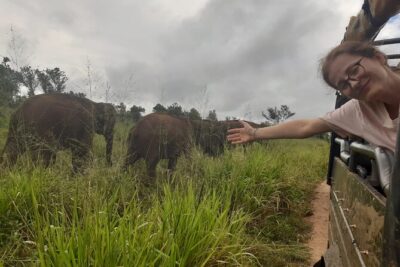
Minneriya National Park Elephant Jeep Safari Private Tour
Read our review →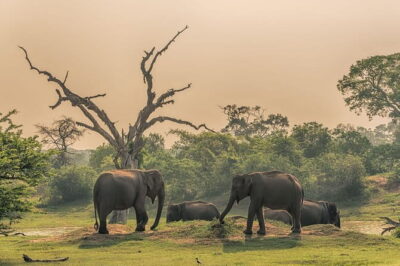
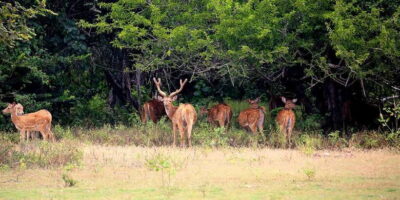
Wilpattu National park – Morning or Afternoon Safari
Read our review →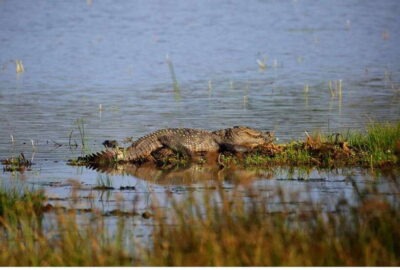
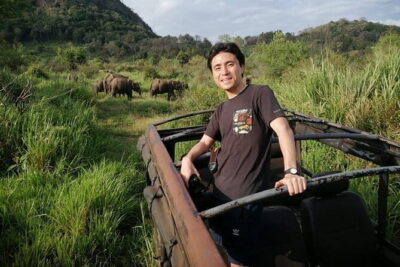
Minneriya National Park Safari – Private Jeep with Hotel Pickup
Read our review →
Delve Into Ancient Anuradhapura with Optional Visit to Mihintale
Read our review →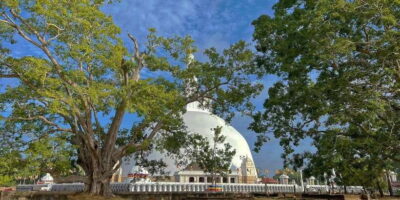
Minneriya National Park Safari [private , full package]
Read our review →Browse the lists this tour appears in