
Reviewed · WILPATTU SAFARIS
Wilpattu National Park: Private Safari
Wilpattu’s great draw is its scale and its willus, natural sand-edged basins that fill with rainwater. These pools give the park its name and shape the wildlife experience. I like the chance to search for leopards in a real dry-zone park, and I like having a private jeep rather than sharing the ride with strangers. The five-hour outing also gives you time to look rather than simply rush through.
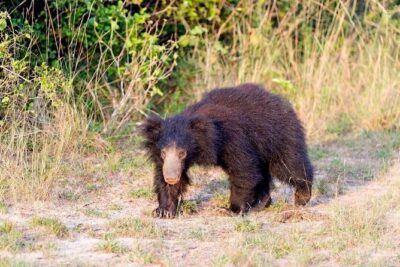
The trade-off is simple: wildlife is never guaranteed, and Wilpattu is enormous. Some outings produce leopards and even a sloth bear, while others turn up mostly birds and monkeys. Driver skill matters, too. Most reports praise the effort and animal spotting, but one poor experience involved fast driving, weak English, and no promised water.
Key points
- Natural willus shape the safari: Wilpattu has nearly 106 lakes and tanks, many of them rain-filled basins where animals may gather.
- Leopards are the headline sight: The park is known for its Sri Lankan leopard population, but sightings depend on luck, timing, and patient driving.
- A private jeep gives you flexibility: You travel as your own group and can communicate your preferences to the driver.
- Pasindou earned special praise: One recent outing credited driver Pasindou with working hard to find a leopard and managing the pickup well.
- The price is only part of the cost: The $35 per-person rate covers the jeep, driver, pickup within 5 km, and water, but park entry fees are extra and paid in cash.
- Expect a wild park, not a guaranteed animal show: Elephants, monkeys, birds, leopards, and possibly a sloth bear are all possible, but no safari can promise a particular sighting.
Why Wilpattu’s willus make this safari different
Wilpattu National Park covers about 1,317 square kilometers, making it Sri Lanka’s largest national park and one of its oldest. It stretches across the northwest coast’s lowland dry zone, about 30 kilometers west of Anuradhapura and 26 kilometers north of Puttalam. Colombo is roughly 180 kilometers away.
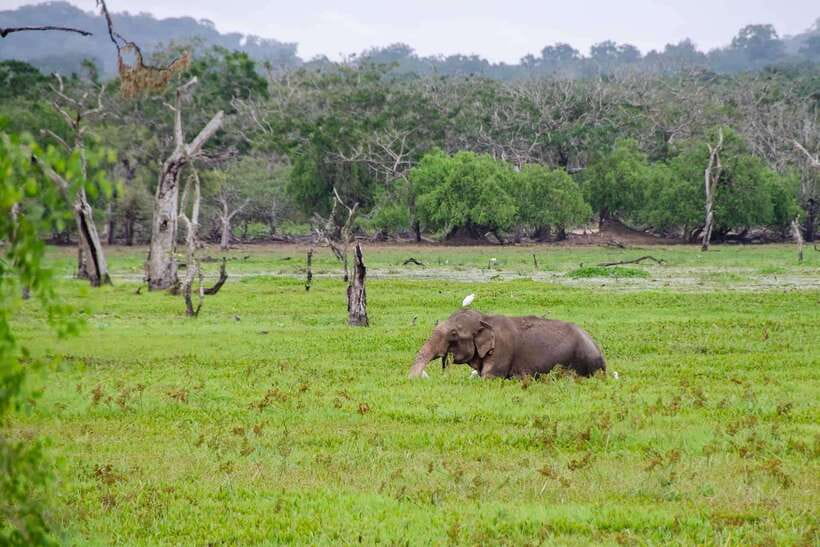
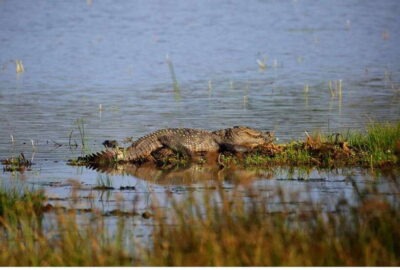
The park’s most distinctive feature is its willus. These are natural depressions with sandy rims that collect rainwater. Nearly 106 lakes and tanks are scattered across the park, creating small pockets of water in a broad, dry setting. That matters because water gives the safari its natural rhythm. Instead of simply driving through forest, you move from one possible wildlife area to another, watching the edges of pools and open ground.
The park ranges from sea level to about 152 meters. Those modest changes in height do not create dramatic mountain scenery, but they help explain why Wilpattu feels open in some places and enclosed in others. You may spend part of the drive among trees and then reach a willu with a clearer view across the water.
I like this setup because it gives you something to watch even when no large animal appears. The shape of the pools, the tracks near the water, and the contrast between dry ground and rain-fed basins are part of the experience. You are not only checking off species. You are seeing how animals use a dry-zone park.
More Wilpattu Safaris in Anuradhapura
- Wilpattu National park – Morning or Afternoon Safari
★ 4.3 · 57 reviews - From Anuradhapura: All Inclusive Full Day Safari at Wilpattu
★ 4.4 · 50 reviews - Anuradhapura: Full-Day Wilpattu All Inclusive Private Safari
★ 4.5 · 24 reviews
Five hours in a private jeep
The core experience is a five-hour safari in a private jeep with an English-speaking driver. Pickup and drop-off are included from locations within 5 kilometers of the park gate. The exact meeting point depends on the option you book, so check that detail before you set out.
A private group is useful here. You do not have to fit your plans around strangers, and you can tell the driver what matters most to you. If your priority is leopards, say so early. If you prefer slower observation at a water basin, explain that as well. The quality of the trip depends partly on this conversation.
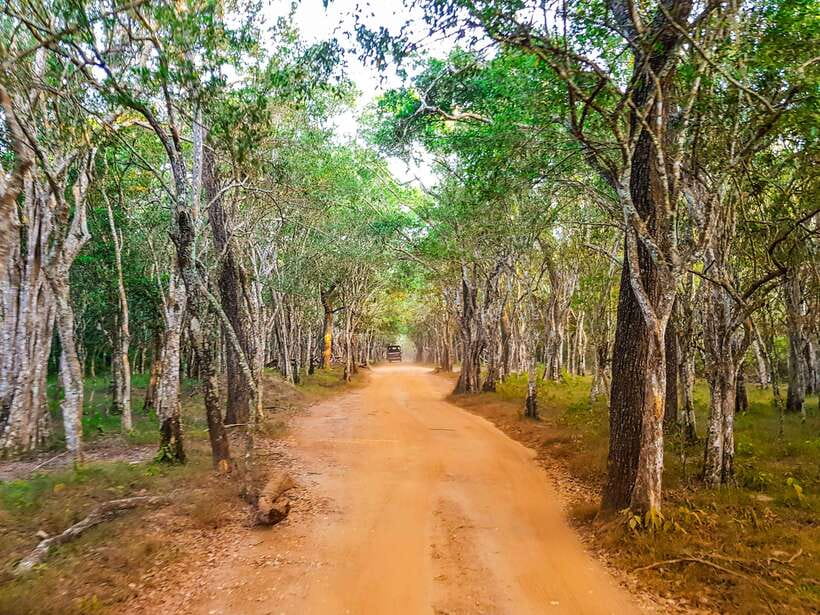
The jeep is your viewing platform and transport at the same time. You can expect a ride over park roads while the driver watches for movement, tracks, and animal calls. A good driver will also respond to what is happening around the vehicle. Several outings received strong praise for drivers making a real effort to find animals and explain what appeared.
Pasindou was singled out by name for collecting the group from its hotel, working hard to locate wildlife, and helping the group see a leopard. That is the kind of service you want on a safari. Still, you should treat a named driver as a possibility, not a guarantee, unless you can request him directly.
The language listed for the activity is English. One disappointing outing involved a driver who could not handle even simple questions in English. That appears to be an exception rather than the general pattern, but it is worth confirming your language needs when booking. Communication affects everything from asking the jeep to slow down to explaining which animals you hope to see.
Looking for leopards in a very large park
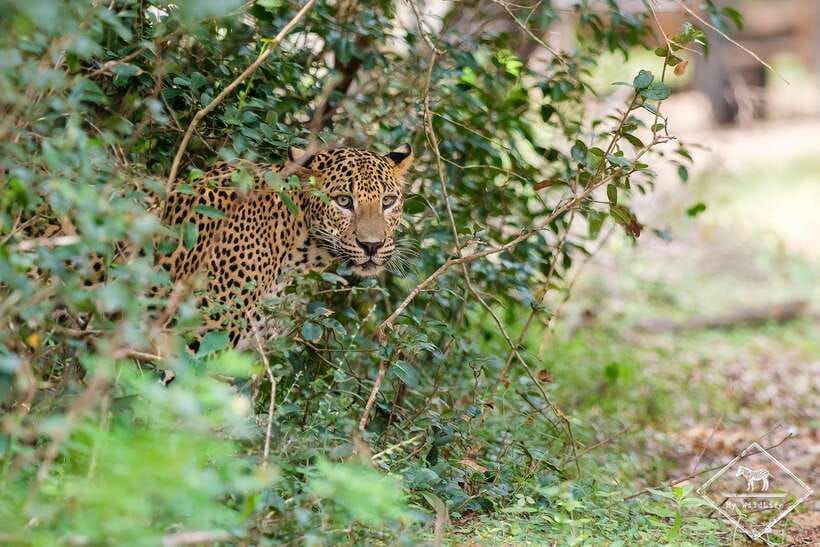
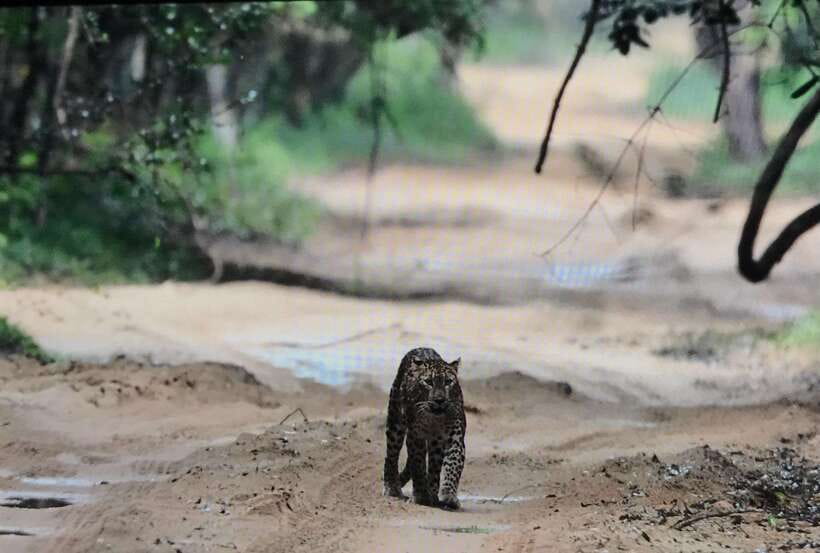
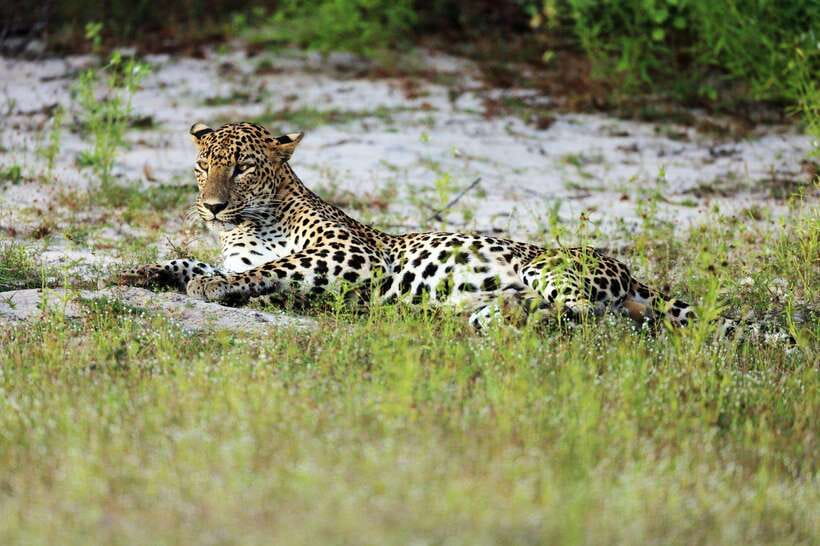
Wilpattu is known around the world for its Sri Lankan leopard population, also called Panthera pardus kotiya. That reputation makes the cat the main reason many people choose this park.
The important word is looking. You are not visiting a wildlife enclosure, and a leopard can remain hidden in thick cover or move away before the jeep arrives. One outing produced a leopard after the driver made a determined search. Another had plenty of wildlife but no leopard. Both results fit the reality of a five-hour safari.
The park’s size cuts both ways. A large protected area gives animals room to live with less pressure, which is good for the ecosystem and makes a sighting feel genuine. But it also means your jeep is searching a huge area. If several drivers follow familiar circuits, animals may avoid the busiest routes, and you may spend long stretches seeing little.
I would book Wilpattu for the chance to see a leopard, not as a promise that you will see one. If the cat appears, the moment may be brief. Stay alert, keep your camera ready, and listen to the driver. Do not judge the entire safari by one missed sighting.
Elephants, monkeys, birds, and the rest of the park
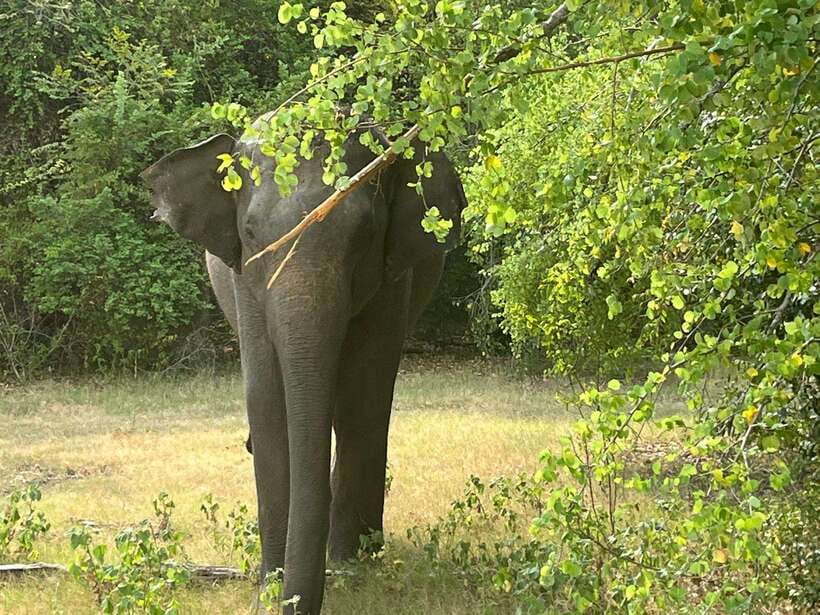
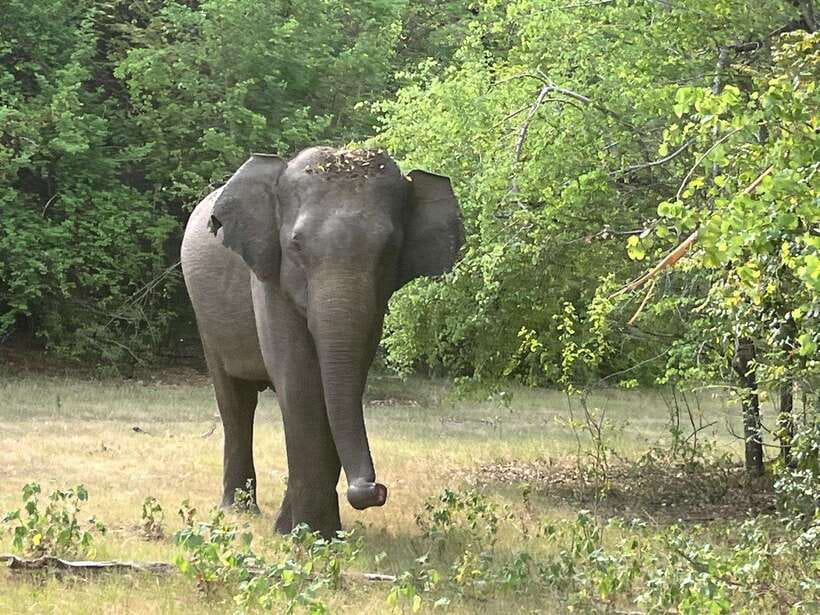
The advertised focus also includes elephants, and they can provide some of the most rewarding viewing. You may see them grazing, interacting, or moving between areas near water. The appeal is not only size. Watching a family group respond to one another gives you a clearer sense of the park as a living system.
The language used to describe the elephants can sound grand, but the best part is usually ordinary behavior: feeding, pausing, communicating, and moving together. Trumpeting can be thrilling, but quiet observation is just as valuable. Give the animals space and let the driver decide how close the jeep should be.
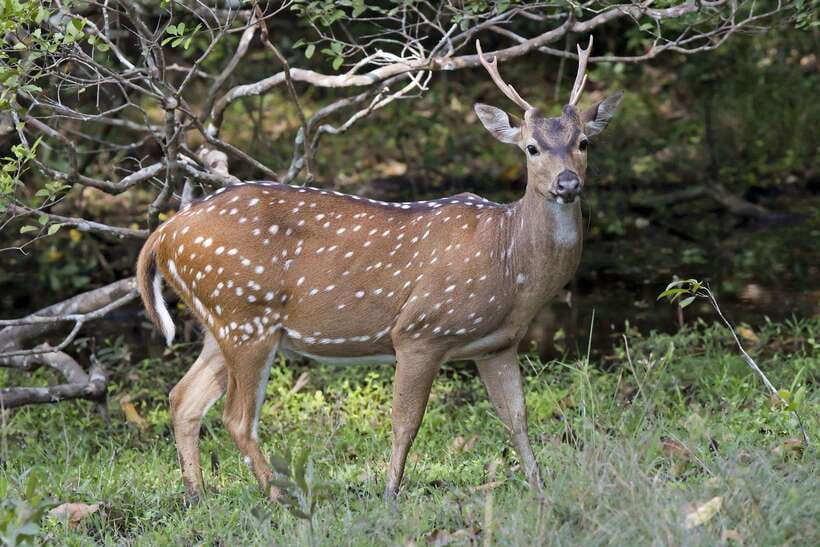
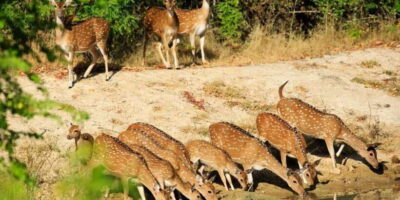
Other possible sightings include monkeys and birds. One poor outing saw only birds and monkeys, which may sound disappointing if you have come expecting big mammals. Yet these sightings are still useful signs that the park is active. They also remind you that wildlife viewing depends on the day, route, weather, and behavior of the animals.
A strong safari does not treat smaller sightings as filler. Your driver should help you notice them and explain what is happening. If the ride becomes a race from one possible sighting to the next, you lose much of the pleasure. The best pace lets you stop, watch, and move on when there is no further activity.
Same base, a completely different kind of day out:
- Private City Day Tour in Anuradhapura
★ 5.0 · 383 reviews - Minneriya National Park Elephant Jeep Safari Private Tour
★ 5.0 · 68 reviews - Explore & Ride the history of anuradhapura with Vogel Tours
★ 5.0 · 62 reviews - Minneriya National Park | Private Safari
★ 5.0 · 59 reviews
The ecosystem matters as much as the checklist
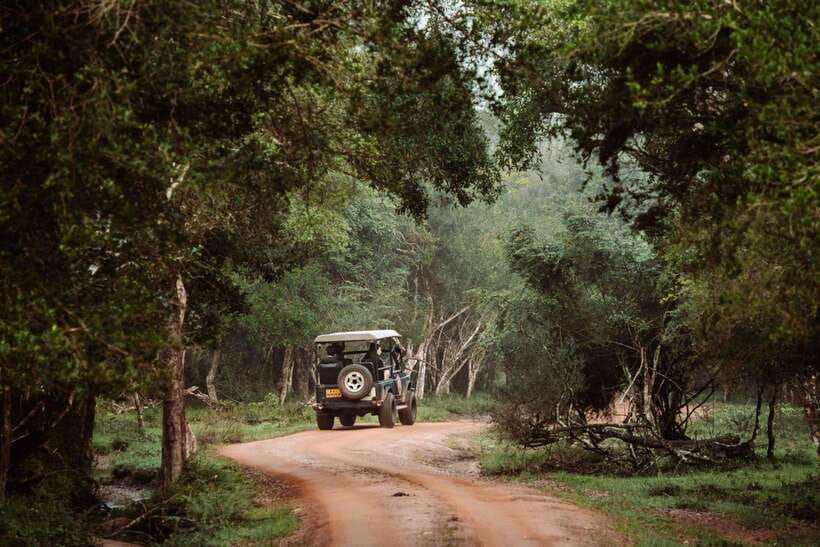
Wilpattu’s willus, tanks, trees, grass, and animals are tied together. Water draws wildlife. Herbivores feed in open areas. Predators use cover and watch the places where animals move. Even a quiet pool can tell you something about the park’s balance.
That is why this experience works best when you approach it as a nature outing rather than a guaranteed leopard hunt. The advertised aim is to help you learn about the delicate balance of nature, and the setting supports that idea. The park’s scale lets you see different kinds of habitat during a single ride.
You may find that the quiet sections are as memorable as the exciting ones. A jeep stopping near a willu, birds moving around the water, and elephants feeding at a distance can create a more honest picture of Sri Lanka’s dry zone than a rushed sequence of animal sightings.
This is also where the private format helps. You can ask questions as you go, provided your driver has enough English to answer them. If natural history is important to you, make that clear before the safari begins and ask for explanations rather than only animal spotting.
What the $35 price really covers
At $35 per person, the safari has an attractive starting price. You receive transport by private safari jeep, an English-speaking driver, pickup and drop-off within 5 kilometers of the park gate, and one water bottle per person according to the inclusions.
The park entrance ticket is not included. It must be paid in cash on arrival. Food and other drinks are also extra. Since the entrance charge is separate and the exact amount is not provided here, do not treat $35 as the final total. Bring enough cash and check the current park fee before you go.
The value is strongest if you are already staying near the park gate. Included local pickup keeps the arrangement simple and avoids finding separate transport for the short distance. If you are coming from far away, remember that the safari price does not cover a long transfer from Colombo, Anuradhapura, Puttalam, or another base.
A private jeep can also offer better value for couples, families, or small groups who would otherwise pay for several seats in a shared vehicle. For a solo visitor, the per-person rate may still be fair, but the added park fee changes the final calculation.
The water inclusion is small but practical in Sri Lanka’s dry zone. One booking did not receive the promised bottle, so I would carry your own water even if the operator says it is included. That is not a reason by itself to reject the safari, but it is a sensible backup.
The driving style can make or break the outing
Safari roads are not ordinary roads, and a careful pace matters. You need time to scan the trees, notice movement, and watch an animal without the jeep bouncing away. One negative experience described fast driving that frightened animals and made the ride feel rushed.
That complaint is important because the driver controls the quality of the outing. A driver who listens, slows down, and makes a serious effort can turn a quiet day into a good one. Several outings were praised for exactly that effort, including one that ended with a leopard sighting.
At the start, tell your driver that you prefer careful wildlife viewing over speed. If the vehicle rushes past an area, ask politely to slow down when it is safe. You can also explain that you want time for photographs and observation, not just a quick look.
The private format gives you a better chance to make that request. In a shared jeep, other passengers may want a different pace. Here, your group can agree on what matters. That does not guarantee the driver will respond perfectly, but it gives you more control.
Who should book this safari
I would recommend it to someone who wants a serious chance at seeing a Sri Lankan leopard and understands that nature sets the schedule. It suits couples, families, and small groups who value a private vehicle and a flexible conversation with the driver.
It is also a good fit if you are staying near Wilpattu, Anuradhapura, or Puttalam and want a half-day wildlife outing. The five-hour length is long enough to search several areas without taking up an entire day.
You may want another park if your top goal is a large, reliable elephant gathering. The information provided here emphasizes Wilpattu’s leopards, willus, and broad ecosystem rather than a guaranteed concentration of elephants. The choice depends on the animal you most want to see.
I would be cautious if you have only one chance to see wildlife and would be very disappointed by a quiet day. Wilpattu is huge, and one outing reported mainly birds and monkeys. That is not a fault in the animals, but it is a risk you should accept before paying.
Free cancellation up to 24 hours before the activity and reserve-now, pay-later booking make it easier to keep your plans flexible. Still, confirm the meeting point, entrance fee, driver language, and water arrangement before departure.
Should you book the Wilpattu private safari?
Book it if you want the chance of a leopard in a genuine, spacious national park, and if you value a private jeep with local pickup. The willus give Wilpattu a clear identity, and the possibility of elephants, monkeys, birds, and even a sloth bear adds variety.
Do not book it expecting a guaranteed animal parade. Ask for a careful English-speaking driver, request Pasindou if the operator can arrange him, bring cash for the entrance fee, and carry backup water. With those expectations, $35 per person can be good value for five hours in one of Sri Lanka’s most important wildlife parks.
FAQ
How long is the Wilpattu private safari?
The safari lasts five hours.
What is included in the price?
The price includes transport by private safari jeep, an English-speaking driver, pickup and drop-off within 5 kilometers of the park gate, and one water bottle per person.
Are Wilpattu National Park entrance fees included?
No. Entrance fees are separate and must be paid in cash upon arrival.
Is food included?
No. Food and beverages are not included.
How much does the safari cost?
The listed price is $35 per person, before the separate national park entrance fee.
Is the safari private?
Yes. The activity is arranged for a private group.
Where is Wilpattu National Park?
Wilpattu is in Sri Lanka’s North Central Province, about 30 kilometers west of Anuradhapura and 26 kilometers north of Puttalam.
What is Wilpattu known for?
The park is known for its Sri Lankan leopard population and its natural willus, which are sand-rimmed basins that fill with rainwater.
Can I expect to see a leopard?
A leopard is possible but not guaranteed. Sightings depend on animal behavior, timing, route, and the conditions during your safari.
Can I cancel for a refund?
You can cancel up to 24 hours in advance for a full refund.
Newly listed around Anuradhapura
- Day Tour Anuradhapura from Kandy by Lux Tours Lanka★ 4.5 · 5 reviews
- Wilpattu Half Day Safari From Anuradhapura★ 5.0 · 4 reviews
- Adventure safari Experience in Hurulu Eco Park, Sri Lanka★ 5.0 · 18 reviews
- One Day Tour – Sacred city of Anuradhapura & Sacred city of Mihintale. (Sunset)★ 4.5 · 23 reviews
- Kaudulla National Park Shared Safari★ 5.0 · 7 reviews
- Minneriya National Park Half Day Elephant Safari★ 5.0 · 4 reviews
- Private Round Tour in Sri Lanka with Vehicle★ 5.0 · 6 reviews
- Hurulu Eco Park Half Day Safari★ 5.0 · 18 reviews
Wilpattu Safaris, compared.
Wilpattu National Park Jeep Safari from Negombo / Waikkal (All Inclusive)
Read our review →
Wilpattu National park – Morning or Afternoon Safari
Read our review →
Wilpattu National Park Safari Tour from Colombo
Read our review →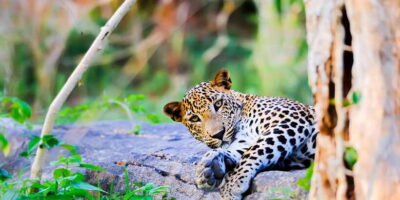
Safari at Wilpattu National Park from Negombo (All inclusive day tour)
Read our review →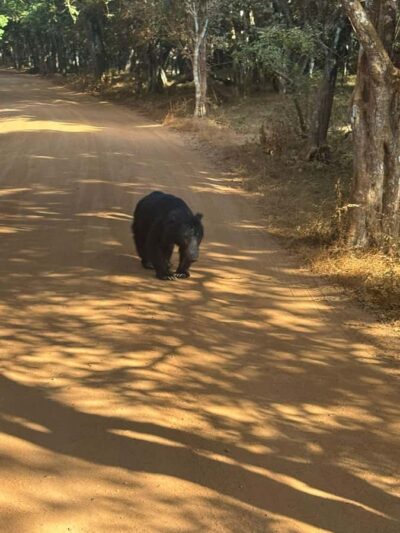
Browse the lists this tour appears in