
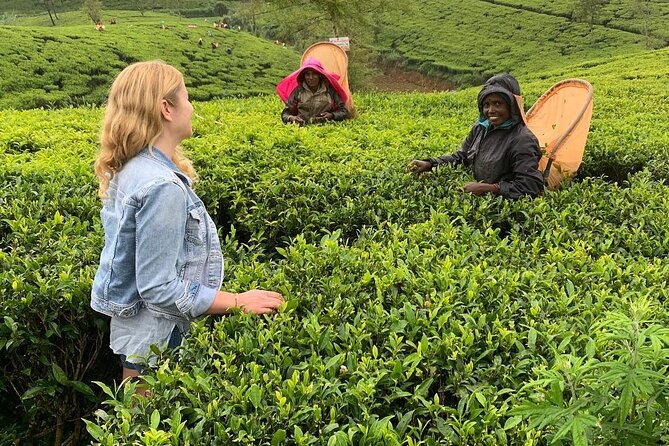
Reviewed · KANDY TOURS
Tea Fields & Factory Tour
Hatton’s tea story makes sense only when you follow the leaf from the hillside to the cup. This tour gives you that full chain in about three hours, starting among the tea bushes and ending with freshly brewed tea at the factory. The factory visit is the real centerpiece, since you see how a soft green leaf becomes the dry tea you know.
I like two things right away. First, you get to meet the tea pluckers and try the technique yourself, rather than simply looking at rows of bushes from a roadside viewpoint. Second, the visit to the weighing stations, village, and temple adds useful local context to the factory work. The main consideration is timing: a 3:00 pm start and a three-hour schedule leave little room for delays.
- Walk through working tea fields: See the plants up close and learn how the leaves are picked.
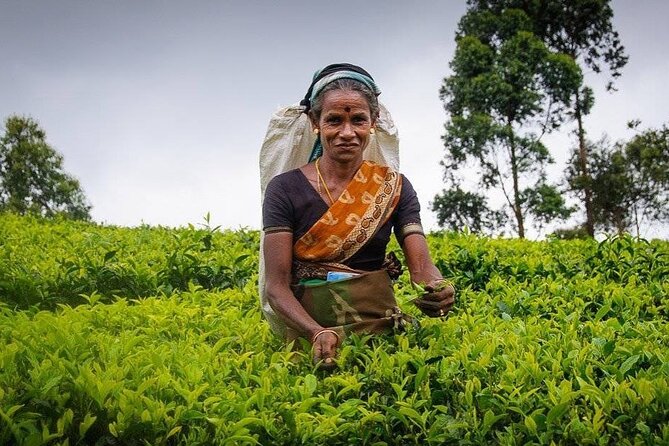
- Meet the pluckers: Watch their technique and try plucking for yourself.
- Follow six factory stages: Learn about withering, rolling, drying, shifting, testing, and packing.
- Visit Norwood’s local setting: The route includes a pluckers village and temple as well as the tea fields.
- Finish with fresh tea: The process ends where it should, with a brewed cup.
- Small-group format: No more than 10 people can join, making questions and explanations easier.
From Norwood’s tea bushes to the finished cup

The experience begins at the meeting point in Norwood, identified by the plus code RJR9+WC Norwood. It starts at 3:00 pm and returns to that same meeting point, which keeps the arrangement fairly simple if you are already in the area.
The setting matters. Hatton is known as the heart of Sri Lanka’s Ceylon tea region, and the point of this activity is not just to photograph the hills. You are shown how the work fits together, from the person picking the leaf to the factory staff handling the finished product.
I would allow extra time before the start to find the meeting point. The information provided gives a plus code rather than a named hotel or a detailed street address. That is useful for a map app, but you should confirm the exact location once your booking is accepted.
Walking among the tea plants
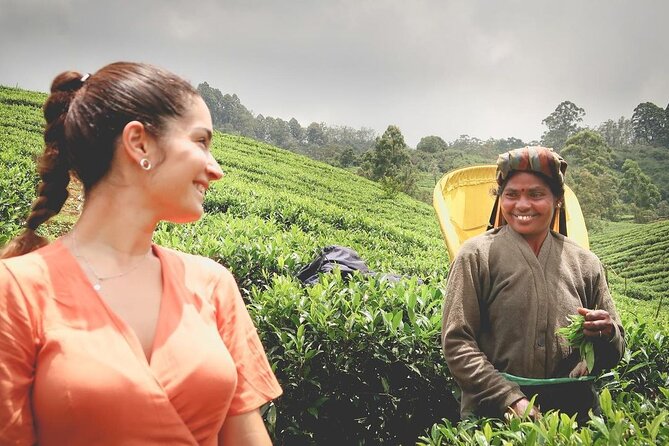
The first part takes you into the tea fields. This is where the tour becomes more useful than a quick plantation photo stop. You can look closely at the plants, hear how the crop is handled, and connect the rows outside with the machinery you will see later.
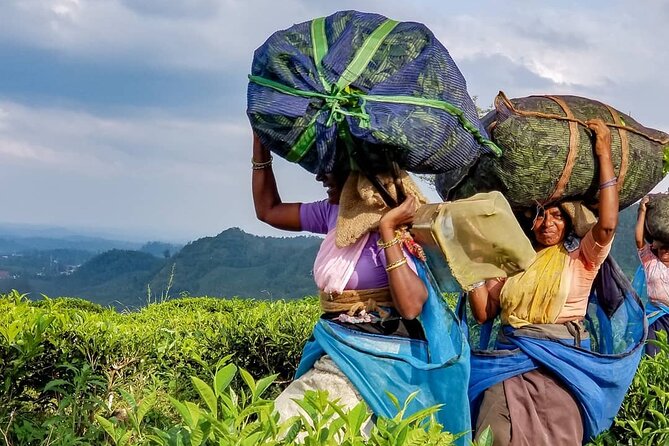
The guide explains the picking process and introduces you to the pluckers. You also get a chance to try your hand at plucking. That small practical moment helps you understand that tea production begins with careful selection, not with a machine in a factory.
The information supplied does not specify how steep or uneven the field walk is, so sensible shoes are a good idea. You should also expect the weather to affect this portion of the experience. The activity requires good weather, and rain can lead to a different date or a full refund.
A useful question to ask here is why particular leaves are picked and how the workers judge what is ready. The tour is designed to explain the technique, so this is your best chance to ask about the human work behind the crop.
A few more Kandy days worth a look
- Kandy Private Guided City Tour by Tuk Tuk
★ 4.9 · 1,307 reviews - From Kandy: Sigiriya Rock & Dambulla Cave Temple Adventure
★ 4.9 · 785 reviews - Kandy Village Cooking Class
★ 5.0 · 536 reviews
Meeting the pluckers and seeing the weighing stations
The visit does not treat tea as an anonymous farm product. You meet the pluckers and learn about their working method, then visit the weighing stations where the picked leaves are measured.
That weighing stop fills an important gap. Without it, the tour would jump from picking straight to factory machinery. Seeing the leaves weighed shows the handoff between field work and processing. It also gives you a better sense of how the crop is gathered and accounted for before it enters the factory.
The tour also includes a nearby pluckers village and temple. The available details do not promise a long village walk or a formal temple program, so think of these as brief cultural stops within the tea experience, not a separate village sightseeing tour.
I like this part because it keeps the subject grounded in daily life. You are not only learning a production sequence. You are also seeing the places connected with the people who make that sequence possible.
The factory stages that turn leaf into tea
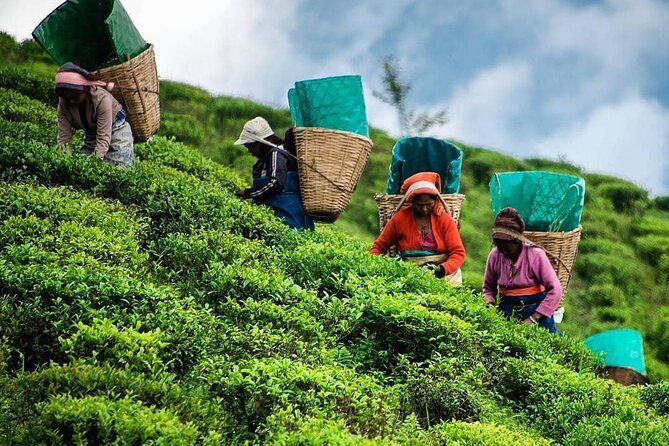
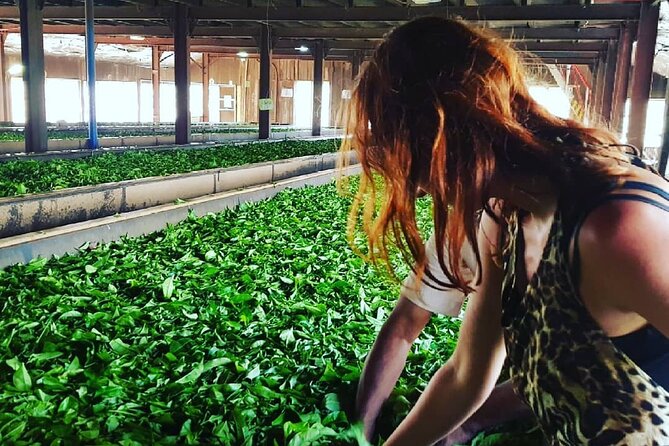
The factory visit is the most structured part of the experience. Your guide explains the stages rather than simply leading you past equipment. The process includes withering, rolling, drying, shifting, testing, and packing.
Withering comes first. The freshly picked leaves are prepared before the next stage, and this helps explain why the leaf cannot simply be picked and packed at once. The tour does not provide technical timings or machinery details, so your guide is the right person to ask how the factory manages this stage.
Rolling follows. This is where the leaf is worked as part of the transformation from fresh plant material into tea suitable for further processing. Seeing the equipment makes the process easier to understand than reading a short description on a packet.
Drying is another key stage. The factory explanation shows how processing changes the leaf and prepares it for storage and use. Again, the exact machinery and methods can vary, so avoid assuming every Ceylon tea factory operates in the same way.
Shifting is included next. This helps separate or sort the processed tea. Testing then brings quality control into the picture, while packing completes the route from factory floor to customer.
The order of these stages gives the tour a clear rhythm. You begin with a living plant, see the leaf handled by people, and end with a packaged product. That makes the factory visit especially valuable for anyone who drinks tea regularly but has never considered what happens before hot water reaches the cup.
A fresh brew at the end
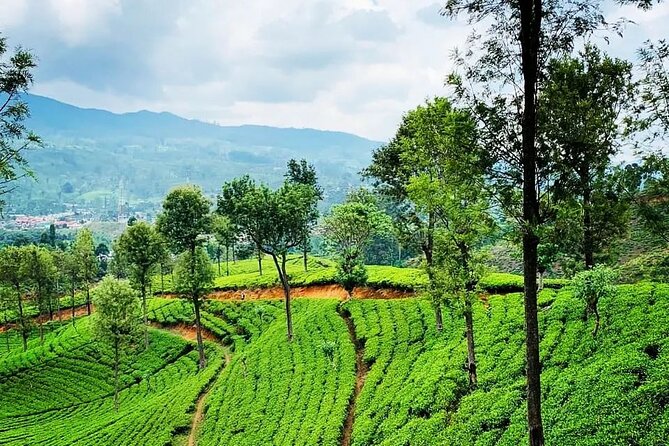
The experience finishes with freshly made and brewed tea. This is more than a pleasant extra. It gives you a direct finish to the process you have just followed.
Taste is a useful final checkpoint. You have seen the field, the weighing station, and the factory stages, so the cup becomes a practical reminder of the work behind the drink. The information does not specify the tea type, serving size, or whether other refreshments are included, so do not book expecting a full tasting session.
Still, ending with a brew is exactly right for this subject. It gives the experience a simple payoff without adding a sales-heavy promise. You learn, watch, and then drink the result.
Same base, a completely different kind of day out:
- Kandy to Ella Train Tickets – Reserved Seats
★ 4.5 · 523 reviews - From Kandy: Pinnawala Day Tour
★ 4.8 · 331 reviews - Kandy to Ambuluwawa & Kandy City Guided Tuk Tuk Day Tour
★ 4.8 · 270 reviews - Kandy to Sigiriya Day Tour and Dambulla cave temple with private vehicle
★ 5.0 · 232 reviews
Why the three-hour length works
The stated duration is about three hours. That is enough time for a focused introduction to the tea process, but not enough for a slow plantation day with long walks, several tastings, and extended village sightseeing.
I see the compact length as a strength if you are fitting the activity around other plans in Central Sri Lanka. You can cover the main steps in one afternoon, with a 3:00 pm start and a return to the meeting point. The tradeoff is that explanations and stops may move at a steady pace.
The small maximum of 10 people should also help. A group of that size makes it easier to hear the guide in the fields and factory, and easier to ask questions without holding up a large crowd. It does not guarantee a private tour, but it is much more personal than a coach group.
The activity is near public transportation, according to the available information. That makes it more practical for people staying in the Hatton area, though you should still confirm the best way to reach the Norwood meeting point.
What the price includes in practical terms
At $20 per person, this is a modestly priced half-day experience. Its value comes from the range of stops packed into the schedule: tea fields, pluckers, weighing stations, a village, a temple, a factory, and a brewed cup.
I would consider the price good if you want an introduction rather than a specialist tea seminar. You are paying for access, explanation, and a connected route through the production process. The fee is less compelling if your main goal is simply to see tea-covered hills, since viewpoints and roadside stops may offer that without a three-hour program.
The strongest value lies in the factory explanation and the chance to try plucking. Those details turn a scenic outing into a learning experience. You also avoid paying for a long list of unrelated attractions. The plan stays focused on tea.
The available details do not state whether transportation to Norwood, food, or hotel pickup is included. Plan on reaching the meeting point yourself unless your booking confirmation says otherwise.
Who will enjoy this Hatton experience
I would recommend this tour to you if you want to understand how Sri Lankan tea is made, not just buy a box or take photographs. It suits curious first-time visitors, tea drinkers, families with older children, and anyone interested in the connection between farm work and factory production.
It also works well for people who prefer a short, organized activity. The three-hour format gives you a clear subject and a fixed return point. The small group limit makes it a better choice than a large group outing if you value questions and direct explanation.
You may want something else if you are looking for a long hike, a polished museum presentation, or a broad tour of Hatton’s sights. The village and temple are part of the route, but tea remains the main subject. Likewise, the tour does not promise a full meal, extensive tea tasting, or a long visit to several plantations.
The factory may be the best fit for visitors who learn by seeing machinery and sequence. The field section will appeal more to those who want contact with the people and work behind the crop. Together, the two parts balance each other.
Practical points before you book

Wear shoes that can handle a field visit, since the activity includes walking among tea plants and the ground conditions are not specified. Bring a little patience for the pace of a working agricultural and factory setting. This is an educational visit, not a staged show with every minute guaranteed to run on schedule.
The 3:00 pm start is important. Check your transport plan carefully, especially if you are coming from outside Norwood. Since the tour ends back at the starting point, you should also know how you will continue your evening from there.
Confirmation is sent within 48 hours, subject to availability. The experience is open to most people, and the maximum group size is 10. The information does not give detailed accessibility guidance, so contact the provider if you need specific help with walking, steps, or factory access.
The weather rule is clear. You can cancel for a full refund up to 24 hours before the start time. Cancellations or changes made within 24 hours are not refunded or accepted, and poor weather may lead to another date or a full refund. That policy matters in Hatton, where outdoor conditions affect the first part of the visit.
Should you book Tea Fields and Factory Tour?
Book it if you want a clear, good-value explanation of Ceylon tea from leaf to teapot. The combination of meeting pluckers, trying the technique, visiting the weighing stations, and seeing six factory stages gives you more substance than a quick plantation stop.
I would make this a priority in Hatton if you have three free hours and can reach Norwood for the 3:00 pm start. The main caution is not quality but scope: this is a compact introduction, not an all-day tea study. For most visitors, that focus is exactly why the $20 price works.
FAQ
Where does the tea tour start?
The tour starts at RJR9+WC Norwood, Norwood, Sri Lanka, at 3:00 pm.
Where does the activity end?
The activity ends back at the meeting point in Norwood.
How long does the tour last?
The experience lasts approximately three hours.
What will I see at the tea factory?
You will learn about withering, rolling, drying, shifting, testing, and packing.
How many people can join the tour?
The activity has a maximum of 10 travelers.
Can I cancel for a full refund?
Yes. You can cancel at least 24 hours before the local start time for a full refund. Cancellations or changes made less than 24 hours before the start time are not refunded or accepted. If poor weather cancels the experience, you will be offered another date or a full refund.
Newly listed around Kandy
- Pinnawala private day trip from colombo or negombo★ 5.0 · 4 reviews
- Private all inclusive Day tour Kandy, Pinnawala, & your own selected attractions★ 5.0 · 13 reviews
- Air port Pick up and Drop to Kandy★ 5.0 · 4 reviews
- From Kandy to Nuwara Eliya Day Tour★ 5.0 · 21 reviews
- Kandy City Tour & Famous Ambuluwawa Tower with Friendly Chauffeur★ 5.0 · 11 reviews
- Sri Lanka 4 Day Private Tour★ 5.0 · 6 reviews
- Private Tuk Tuk Tour of Kandy City & Surroundings★ 5.0 · 35 reviews
- Wasgamuwa National Park Safari from Kandy★ 5.0 · 3 reviews
Kandy Tours, compared.


Kandy to Ambuluwawa & Kandy City Guided Tuk Tuk Day Tour
Read our review →
Kandy to Sigiriya Day Tour and Dambulla cave temple with private vehicle
Read our review →
Browse the lists this tour appears in