
Reviewed · SPICE GARDEN TOURS
Sri Lanka: Ceylon Cinnamon Experience & Spice Garden Tour
The most interesting part of this visit is the Ceylon cinnamon lesson. You see bark peeled, rolled, dried, and prepared into quills, then get to try making a cinnamon roll yourself. It turns a familiar kitchen spice into a careful farm product.
I like the small groups, limited to 10 people, and the friendly personal approach from guides such as Roha and Dilan. I also like the tasting: spices, tea, and tropical fruit are presented together, so you can notice how Sri Lankan flavors work rather than simply look at plants.
The main drawback is practical: you must arrange your own transport to Warala Watta Farm, and the walk may not suit people with mobility impairments, wheelchair users, or pregnant women. Bring water, sun protection, and shoes made for uneven garden paths.
Key points at a glance
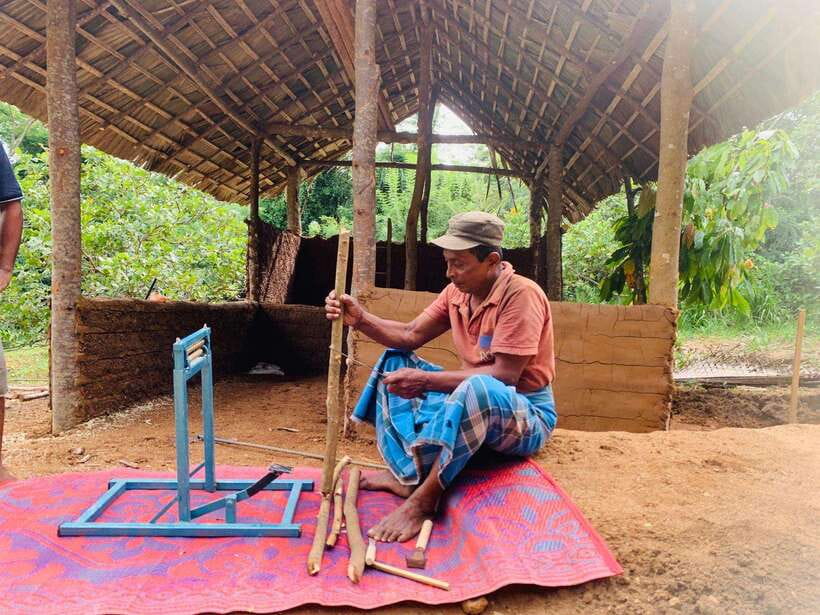
- Make a cinnamon quill by hand: Watch the full process, from stripping bark to preparing the familiar curled sticks.
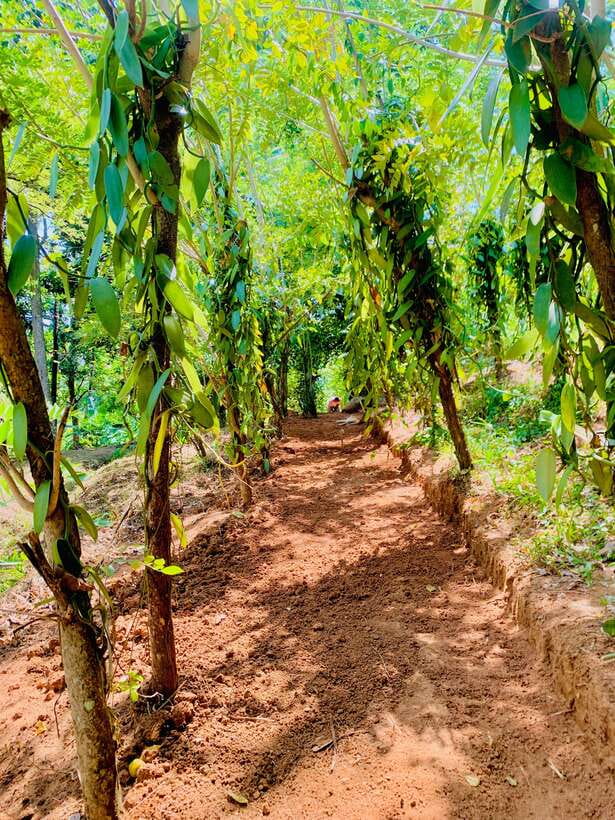
- Walk through a working spice garden: See cinnamon, black pepper, cloves, cardamom, and other plants in their growing environment.
- Taste spices with fruit and tea: Fresh tropical fruit takes on a new character when paired with Sri Lankan spice blends.
- Visit the processing factory: Follow the crop from garden work to processing and quality checks.
- Keep the group small: A maximum of 10 people allows time for questions and hands-on help.
- Plan your own ride: Transport is not included, so check your route before booking.
Why the cinnamon process is the heart of the visit
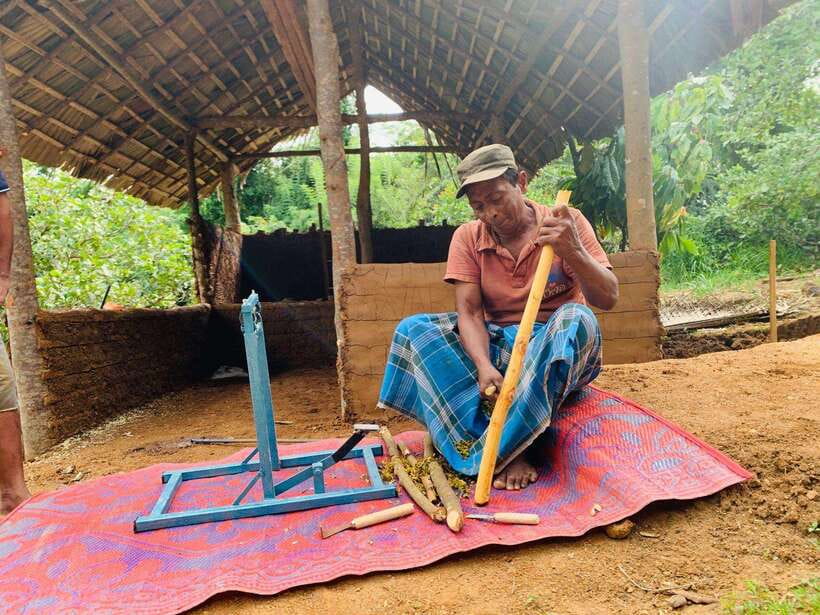
Many spice tours stop at a garden path and a shop. This one goes further by showing how cinnamon becomes the product you know from a spice jar. That matters because Ceylon cinnamon is not simply collected and packed. The bark must be handled with care, peeled, shaped, and prepared in stages.
You begin with the cinnamon experience, where the guide explains the harvesting and preparation process. The most memorable step is making a cinnamon quill. You can take part rather than only watch, which gives you a better feel for the work and patience involved.
I like this hands-on section because it gives the visit a clear focus. You are not asked to remember a long list of plant names. You follow one useful product from tree to finished spice, then see how it fits into cooking and daily life.
The process also helps explain why good cinnamon has more value than its small size suggests. The final quill is light, but producing it involves skilled work. Your guide can connect the practical steps with the spice’s uses in food, drinks, and traditional medicinal practices.
More spice garden walks near Kandy:
- Day Tour to Elephant Orphanage / spice garden
★ 5.0 · 20 reviews - Ella : Cooking class with amazing Spice Garden Tour
★ 5.0 · 239 reviews - Day out to Galle[Stilt Fishing. Turtle watching.Cinnamon Farm]
★ 4.5 · 9 reviews
Walking through cinnamon, pepper, cloves, and cardamom
The guided garden walk broadens the picture. Instead of treating cinnamon as an isolated crop, it places it among other plants used across Sri Lankan cooking and home remedies. You may see cinnamon, black pepper, cloves, cardamom, and other local spices during the route.
The pace is intended for learning, not a hard hike. Still, this is an outdoor farm visit, so comfortable walking shoes are important. A hat, sunscreen, water, and insect repellent are sensible additions, especially in warm weather.
Your guide explains how the plants are grown and used. The value here is context. A spice is easier to remember when you see the plant, smell it, touch it where permitted, and then taste it later.
You should not handle plants without permission. The garden asks you to respect its ecosystem, so listen closely before touching anything. That small rule protects the crops and keeps the visit from becoming a free-for-all among the plants.
The walk also includes discussion of organic farming and seasonal harvesting. Harvesting activities may depend on the time of year, so do not book expecting every crop to be ready for hands-on collection. The garden setting remains useful even when a particular harvest is not taking place.
A tasting that makes the plants easier to understand
The tasting session is more than a quick sample at the end. Fresh garden spices are paired with explanations of their flavors and health uses, giving you a chance to connect smell and taste with the plants you have just seen.
You can also try tropical fruit with selected Sri Lankan spice blends. This is one of the more unusual parts of the visit. Fruit is familiar, but a small amount of cinnamon, pepper, or another local spice can change its sweetness, heat, and aroma.
Tea is part of the food and drink experience as well. The garden presents spice and tea pairings, helping you notice how warm spices can work in a drink as well as in a curry or dessert.
I would pay close attention during this section if you plan to shop for spices later. Tasting helps you identify what you actually like instead of buying a large bag simply because the label sounds appealing. It also gives you ideas for using spices at home.
There is a sensory challenge built into the experience, with spices identified through smell, taste, and touch. This keeps the tasting active and works well for families and curious adults, although the tour is not described as a dedicated children’s program.
The factory visit explains what happens after harvest
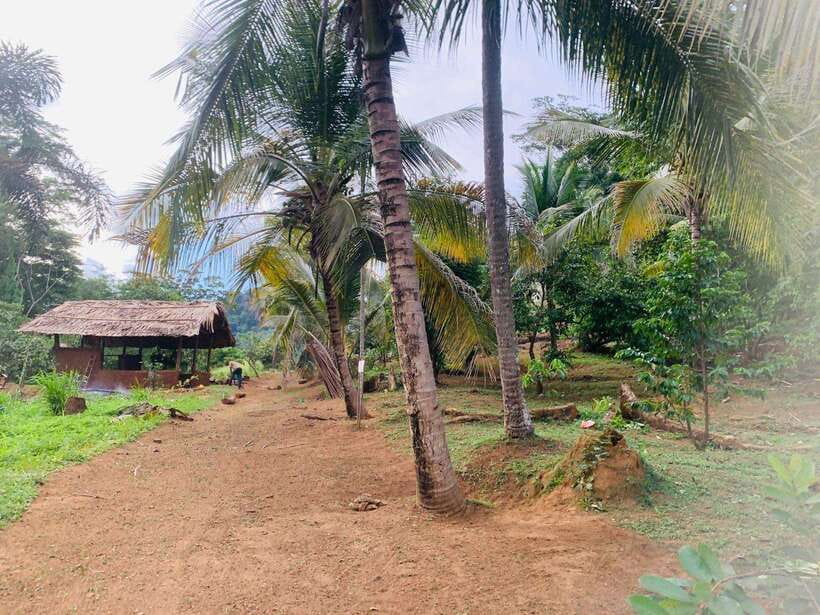
The factory visit adds a useful second half to the farm story. After seeing plants and traditional preparation, you follow the processing journey and learn how quality is checked.
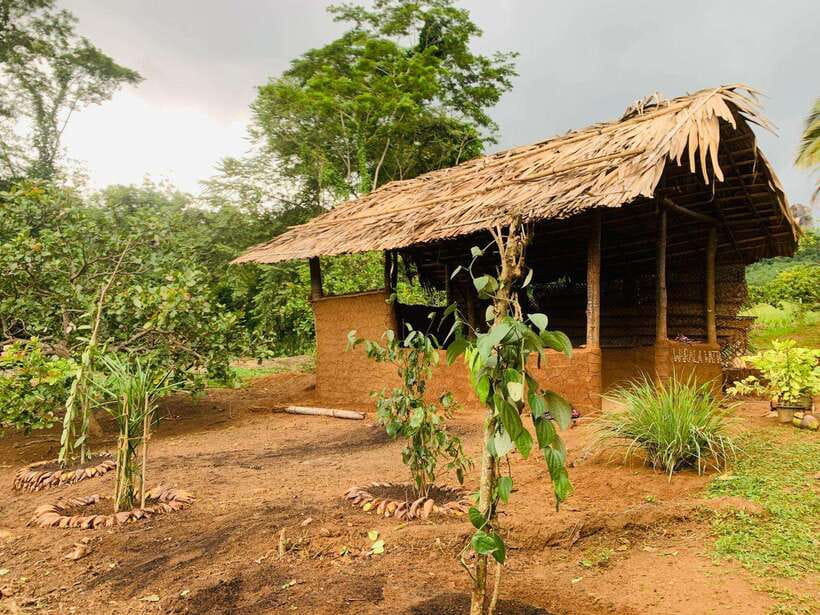
This is important because it shows that the operation is not only a garden created for sightseeing. Warala Watta Farm combines cultivation, processing, and visitor education. The factory section gives you a better sense of how a local product moves from raw material to something ready for sale.
Do not expect a large industrial attraction based on the information provided. The appeal is seeing a working local farm and factory that has opened its doors. The setting is personal and practical rather than polished like a major museum.
If you enjoy food production, this part may be as interesting as the garden. If you mainly want scenery and photographs, the factory will feel more functional. That balance is worth knowing before you book.
A few more Kandy days worth a look
- Kandy Private Guided City Tour by Tuk Tuk
★ 4.9 · 1,307 reviews - From Kandy: Sigiriya Rock & Dambulla Cave Temple Adventure
★ 4.9 · 785 reviews - Kandy Village Cooking Class
★ 5.0 · 536 reviews - Kandy to Ella Train Tickets – Reserved Seats
★ 4.5 · 523 reviews
A small group with a personal feel
The group limit is 10 people, and that makes a difference on a farm visit. A guide can answer questions about the plants, slow down during the cinnamon demonstration, and help you when it is your turn to make a quill.
The English-language tour is led by a live guide. Roha and Dilan are part of the team, and their warm, welcoming approach has been singled out in the available feedback. One solo visitor also felt particularly safe and well looked after during a private-feeling visit.
That personal tone is a strong reason to choose this experience over a larger coach stop. You have a better chance to ask about cooking, farming, and the uses of each spice without competing with a crowd.
The group size can vary up to 10 people. If fewer people book, the visit may feel especially relaxed, but you should not assume you will always have a private tour. The useful promise is the small maximum, not guaranteed solitude.
Three hours, and why the timing works
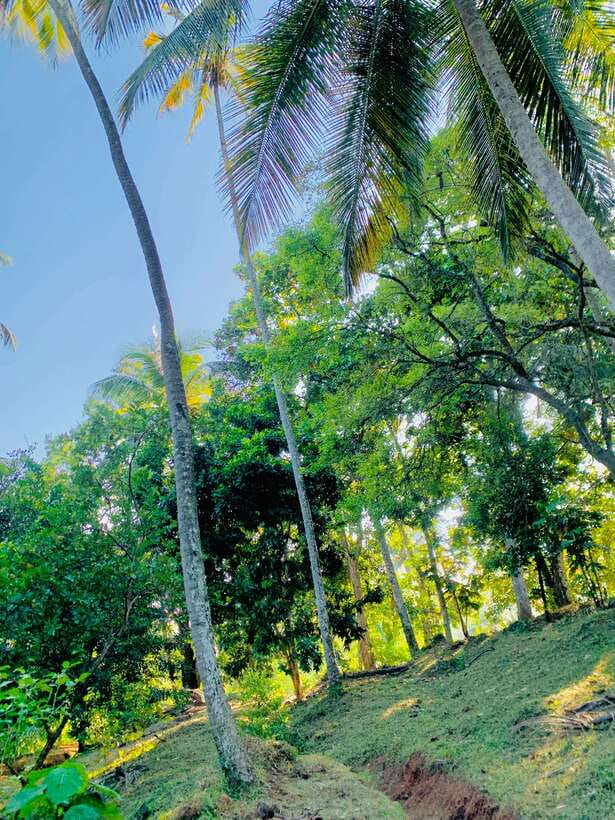
The stated duration is three hours, while one completed visit took about two and a half hours. Allow enough time for the garden walk, cinnamon demonstration, tasting, sensory activity, and factory tour without rushing between them.
This is long enough to feel like a real activity but short enough to fit into a day of sightseeing in Sri Lanka’s Central Province. You will want to add travel time because transport to and from the farm is not included.
The route to the farm can be part of the appeal. One visitor described the way there as special, though no detailed route information is provided. I would confirm the meeting instructions and travel time before setting out, especially if you are connecting this visit with another appointment.
Because the farm includes outdoor walking, do not treat the three-hour duration as three hours indoors. Weather, seasonal work, and the pace of questions may affect the exact timing. Wear light, comfortable clothing and carry water.
What the $20 price gives you
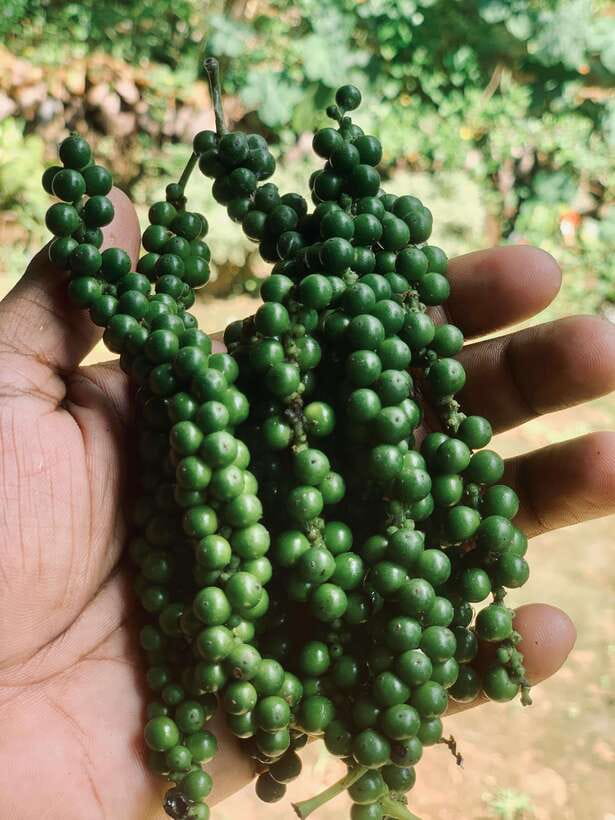
At $20 per person, the value is strongest if you want several activities in one stop. The price includes the guided spice walk, cinnamon experience, farm-to-table tasting, tropical fruit with spices, and factory visit.
You are paying for access to a working farm, a live English-language guide, demonstrations, participation, and food samples. That is a fair package for three hours, particularly for people who enjoy learning how food is produced rather than simply taking photographs.
Transportation and meals are not included. This is the main budget point to consider. Depending on where you are staying, arranging a car or taxi could add more to the total than the tour itself.
There is also a spice shop where you can buy items such as cinnamon, cloves, black pepper, and chili powder. The shop is not listed as part of the included package, so treat purchases as optional extras. The reported prices were fair, but bring enough room in your luggage for spices if you decide to stock up.
Who will enjoy Warala Watta Farm most
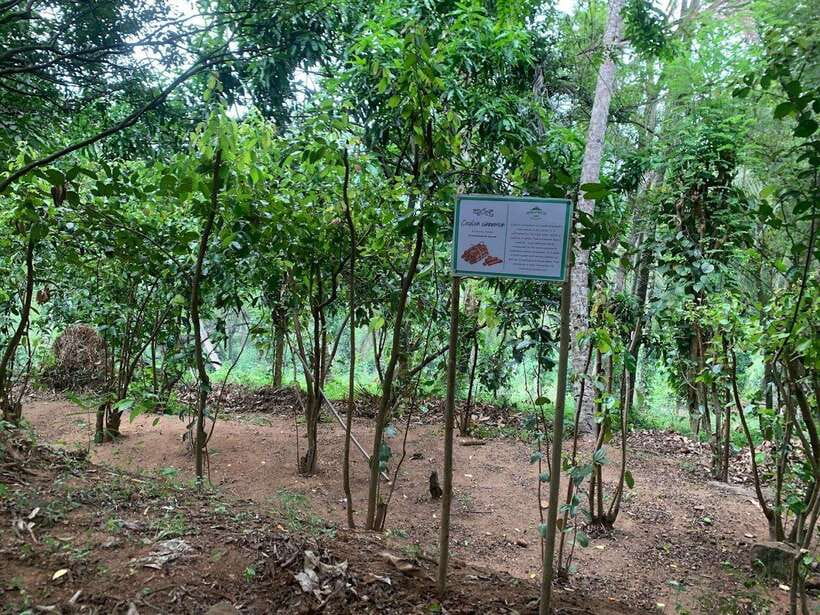
I would recommend this tour to food lovers, home cooks, photographers, and anyone who wants a local activity with real farm content. It is also a good choice if you like learning through taste and touch rather than listening to a long lecture.
Solo visitors may appreciate the friendly setting and small group. Couples and families with older children can use the sensory challenge and fruit tasting to keep the visit lively.
This is less suitable if you want a fully accessible route, a short stop with no walking, or a grand tourist attraction with elaborate displays. The experience is based around paths, plants, processing areas, and practical demonstrations.
Pregnant women, wheelchair users, and people with mobility impairments are listed as not suitable for this activity. If you have another physical limitation, ask the provider before booking rather than assuming the garden route will work for you.
What to bring and what to leave at home

Wear comfortable walking shoes. You will be moving through a plantation, so sandals or slippery footwear may be less useful than shoes with a firm sole.
Pack a hat, sunscreen, water, and insect repellent. A camera is allowed for personal use, and the garden offers plenty of subjects, from spice plants to cinnamon preparation and tropical fruit.
Smoking is not permitted on the garden premises. You should also avoid touching plants unless the guide gives permission. These rules protect the working farm and make the visit safer for everyone.
Meals are not included, so do not arrive expecting a full lunch. The tasting provides samples and discussion, but it is not described as a meal.
Booking, cancellation, and practical planning
You can reserve the activity and pay later, which is useful if your Central Province plans are still changing. Free cancellation is available up to 24 hours before the visit for a full refund.
Starting times depend on availability. Since you must arrange your own transport, check the available time before hiring a driver or building the rest of your day around it.
The tour is offered in English. If you need another language, the provided information does not confirm that one is available.
Should you book this spice garden tour?
Book it if you want to understand how Sri Lankan spices are grown, handled, tasted, and prepared for sale. The cinnamon quill demonstration is the clear highlight, while the garden walk, fruit tasting, and factory visit give the experience enough variety to justify three hours.
I would be more cautious if transport is difficult, walking is a concern, or you are looking for a full meal rather than samples. For most food-minded visitors staying within reach of Warala Watta Farm, $20 is a good price for a small, hands-on visit with a local feel.
The best reason to choose it is simple: you do not just hear that cinnamon is made by hand. You see the bark being peeled, try the work yourself, taste the result alongside fruit and tea, and then follow the product toward the factory. That connection makes the spice aisle at home look very different.
FAQ
How long does the Warala Watta Spice Garden tour last?
The advertised duration is three hours. One completed visit lasted about two and a half hours, so allow around three hours in your schedule.
How much does the experience cost?
The price is $20 per person.
Is transportation to the farm included?
No. You need to arrange your own transport to and from Warala Watta Farm.
What is included in the tour?
The package includes the guided spice garden walk, Ceylon cinnamon experience, farm-to-table spice tasting, tropical fruit tasting with Sri Lankan spices, and factory visit.
Can I make cinnamon myself?
Yes. The cinnamon session lets you see the traditional process and take part in making a cinnamon quill.
What spices might I see in the garden?
The garden features cinnamon, black pepper, cloves, cardamom, and other Sri Lankan spices.
Is the tour offered in English?
Yes. The tour has a live English-language guide.
How large is the group?
The activity is limited to 10 participants.
What should I bring?
Bring comfortable walking shoes, a hat, sunscreen, water, a camera, and insect repellent.
Is the tour suitable for wheelchair users?
No. The activity is listed as unsuitable for wheelchair users, people with mobility impairments, and pregnant women.
Newly listed around Kandy
- Pinnawala private day trip from colombo or negombo★ 5.0 · 4 reviews
- Private all inclusive Day tour Kandy, Pinnawala, & your own selected attractions★ 5.0 · 13 reviews
- Air port Pick up and Drop to Kandy★ 5.0 · 4 reviews
- From Kandy to Nuwara Eliya Day Tour★ 5.0 · 21 reviews
- Kandy City Tour & Famous Ambuluwawa Tower with Friendly Chauffeur★ 5.0 · 11 reviews
- Sri Lanka 4 Day Private Tour★ 5.0 · 6 reviews
- Private Tuk Tuk Tour of Kandy City & Surroundings★ 5.0 · 35 reviews
- Wasgamuwa National Park Safari from Kandy★ 5.0 · 3 reviews
Spice Garden Tours, compared.

Day out to Galle[Stilt Fishing. Turtle watching.Cinnamon Farm]
Read our review →

Browse the lists this tour appears in