
Reviewed · POLONNARUWA TOURS
Polonnaruwa Ancient City Private Day Tour (Hidden Gems)
Polonnaruwa rewards a guide who can connect scattered ruins into one clear story. This private tour takes you from the Archaeological Museum through royal buildings, Buddhist monuments, Hindu shrines, gardens, and the vast Parakrama Samudraya reservoir, with time to ask questions along the way.
I like the private format, which lets you set the pace, and the range of stops, from the famous Gal Vihara to quieter places such as Pabalu Vehera and Deepa Uyana. Guides Tharindu, also called Tarry, are praised for patience, enthusiasm, good English, and detailed explanations.
The main catch is cost and transport. The advertised tour price is $30 per person, but the archaeological site fee is another $30 per person, while private transport, an air-conditioned vehicle, meals, snacks, and tips are not included. The schedule is full, too, so expect a long, warm day.
Key points to know before booking
- Thirteen stops in about 6 to 7 hours: You cover major ruins, smaller monuments, a lunch stop, and a reservoir viewpoint.
- A genuinely private visit: Only your own group takes part, with a dedicated guide and room to ask questions.
- Gal Vihara is the headline stop: The four rock-cut Buddha images are among Polonnaruwa’s most memorable sights.
- The $30 price is not the full cost: Add the $30 archaeological site admission, transport, food, and any gratuity.
- Tharindu or Tarry may guide you: His patient storytelling and strong command of Sri Lankan history receive especially high praise.
- Plan for heat and walking: One four-hour visit felt tiring toward the end, and the sites are spread out rather than connected by one short walking route.
Why this private Polonnaruwa tour works
Polonnaruwa is not one compact ruin you can understand in a quick stroll. Its important buildings are scattered across a large heritage area, and the remains range from royal halls and stupas to image houses, gardens, and reservoirs.
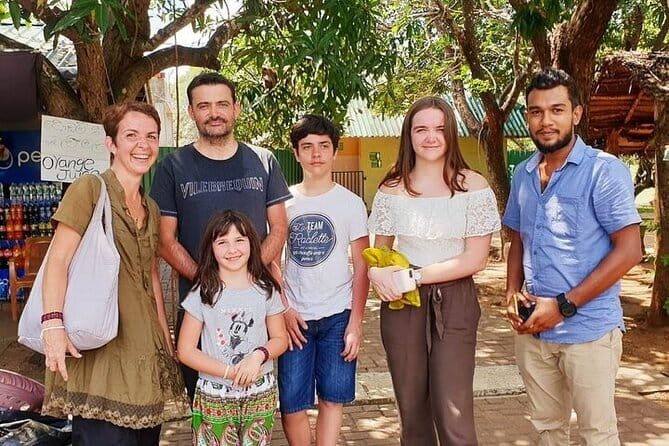
That is where a private guide earns his fee. Instead of simply pointing out old walls, your guide can explain how the city worked, why certain monuments mattered, and how Buddhism, royal power, and South Indian influence shaped the capital.
The tour is designed for a full sightseeing day, though its listed duration is only about 6 to 7 hours. The private format is useful if you want to spend longer at Gal Vihara, move quickly through a smaller shrine, or stop to ask about details that catch your eye.
You meet at the Archaeological Museum in Polonnaruwa and return there at the end. Although the experience is associated with Batticaloa, the stated meeting point is in Polonnaruwa, so you should arrange your own way to the museum.
More Polonnaruwa ruins days:
- Polonnaruwa Day Tour With Minneriya NP Elephant Safari
★ 4.9 · 32 reviews - Private Polonnaruwa Sightseeing Day Tour from Sigiriya
★ 5.0 · 31 reviews - Sigiriya, Polonnaruwa & Dambulla “Trilogy” Day Tour from Colombo
★ 4.5 · 26 reviews
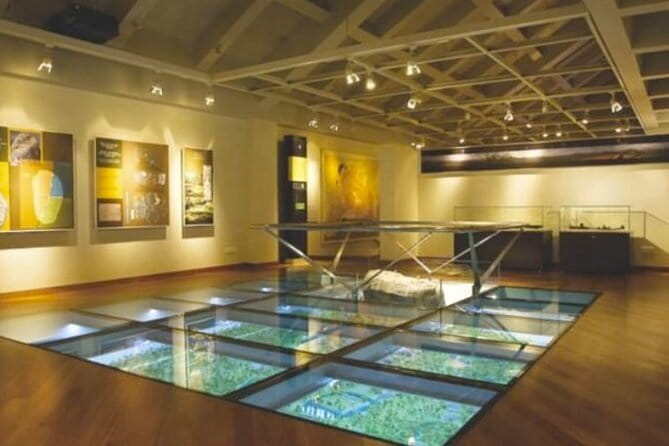
Starting at the Archaeological Museum
The museum is a sensible first stop because it gives you an introduction before you face the ruins themselves. You have about 30 minutes here, and the displays provide context for the buildings, sculpture, and objects found around the ancient city.
Admission is not included. That small detail matters because the museum visit comes before the main site fee, and both costs need to be considered when planning your budget.
I like this opening because it can make the rest of the day easier to follow. Once you have seen examples of the city’s art and material culture, the royal palace and temples feel less like isolated stones and more like parts of one former capital.
The palace and the Sacred Quadrangle
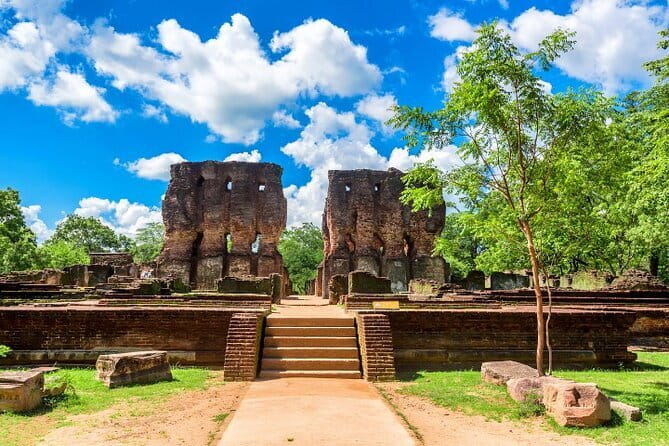
The Palace of King Parakramabahu is your first major architectural stop. You have about 30 minutes to see the remains of what was once described as a seven-story royal residence built for King Parakramabahu I.
Only part of the structure survives, but the scale still helps you picture the ambition of medieval Polonnaruwa. This is a good place to ask your guide how the palace fitted into royal life and the wider city.
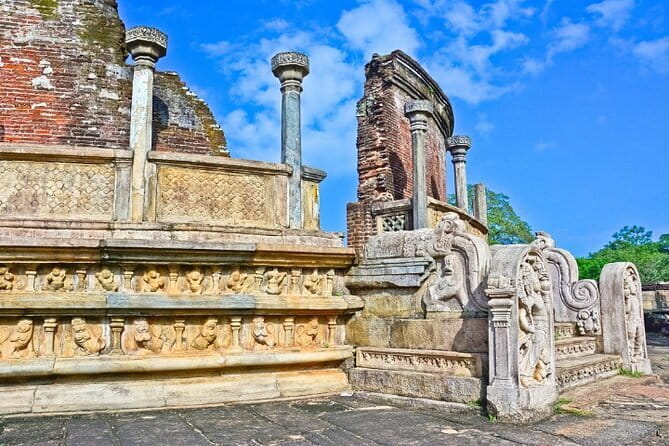
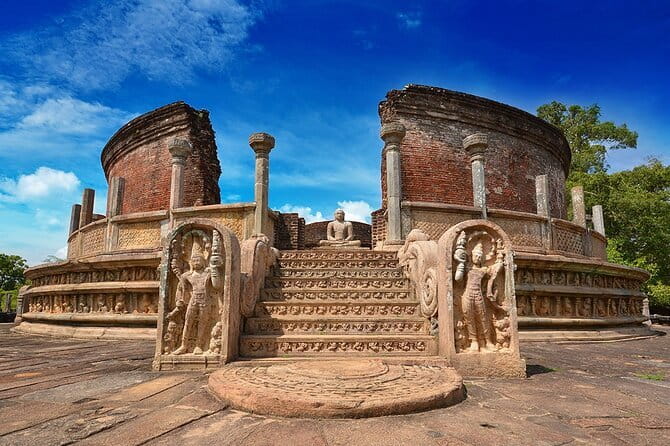
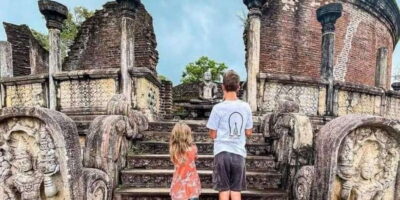
Next comes the Polonnaruwa Vatadage, with 45 minutes allotted. This circular relic house is one of the city’s most finely decorated structures, with carved stone details arranged around a sacred stupa.
The Vatadage deserves unhurried attention. Look closely at the entrance steps, guardstones, moonstones, and circular layout. A guide can help you notice why this building feels more refined than a simple shrine.
Admission is not included for this stop. You will also want respectful clothing and behavior at religious sites, including covered shoulders and knees where required.
Hindu heritage at Shiva Devalaya No. 2
The 15-minute visit to Shiva Devalaya No. 2 adds an important turn to the day. This well-preserved Hindu temple reflects South Indian Dravidian influence and shows that Polonnaruwa was not shaped by one religious tradition alone.
It is a short stop, but it broadens your understanding of the city. You are not seeing only Buddhist monuments. You are also seeing evidence of contact, migration, political power, and shared artistic traditions.
The stop includes no admission fee in the tour details, though the wider archaeological site charge still applies. The short time here may suit you if your priority is the major Buddhist monuments, but anyone interested in Sri Lanka’s religious mix will want to pay close attention.
A few more Sigiriya days worth a look
- Organic cooking class sigiriya (kumara & family)
★ 5.0 · 650 reviews - From Sigiriya: Minneriya National Park Private Jeep Safari
★ 4.9 · 415 reviews - From Sigiriya: Minneriya National Park Elephant Safari
★ 4.8 · 365 reviews - Private Jeep Safari at Minneriya National Park to Visit Elephants
★ 5.0 · 338 reviews
Pabalu Vehera and Rankoth Vehera

Pabalu Vehera receives 15 minutes. This stupa is associated with the reign of King Parakramabahu I and has a design that differs from the city’s better-known monuments.
Because it is less famous, it may provide a quieter pause. Do not expect a long guided visit here. The schedule gives you enough time to look around, take in the form of the stupa, and hear its basic story before moving on.
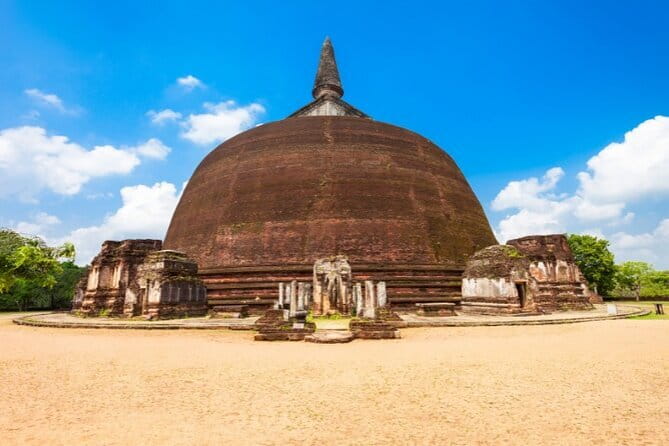
Rankoth Vehera also gets 15 minutes. It is the largest stupa in Polonnaruwa and was built during the reign of King Nissanka Malla in the 12th century.
The brief timing is the main limitation. Large monuments need space and perspective, so you may wish you had longer to walk around Rankoth Vehera. Still, its size makes the stop worthwhile, especially when your guide explains how it fits into the city’s religious center.
Alahana Pirivena and the monastic world
The Alahana Pirivena Complex gives you 30 minutes to explore a major monastic and educational site linked to King Parakramabahu I.
This stop helps balance the royal focus of the palace. Ancient cities were not only places for rulers. They also needed religious institutions, teaching centers, and communities of monks. Alahana Pirivena offers a glimpse of that wider system.
The ruins are spread across the heritage area, which is why transport matters. Private transportation is not included, and you should not assume that every stop can be reached easily on foot. One earlier visit to the ancient city became tiring after several hours, and the layout made walking between sites less straightforward than expected.
Gal Vihara, the essential stop
Gal Vihara is the emotional center of the tour. You have about 30 minutes with the famous rock-cut Buddha statues, created in the 12th century under King Parakramabahu I.
The four figures are carved from a single rock face and include seated and standing images. Their scale, stillness, and careful workmanship make this the place most likely to stay with you after the day is over.
Thirty minutes can work if your guide keeps the explanation focused, but you may want extra time for quiet looking and photographs where permitted. This is also a religious site, not simply an outdoor museum, so keep your voice low and follow posted rules.
The guides praised most highly for this tour are said to bring Gal Vihara to life with stories and clear explanation. Tharindu, also known as Tarry, is especially noted for answering questions and sharing the background of each monument without rushing the conversation.
Thivanka Image House and ancient art

The Thivanka Image House is another short stop, with 15 minutes scheduled. Built during the reign of King Parakramabahu I, it is known for its size and detailed artwork.
The stop is brief, so this is a good moment to listen closely to your guide rather than trying to inspect every feature at length. The building adds variety after the open stupas and rock-cut images because you are looking at a more enclosed image house with its own artistic character.
If you prefer a slower visit at every monument, the packed schedule may feel brisk. If you want a broad introduction to Polonnaruwa in one day, the range is a strength.
Rice and curry at Priyamali Gedara Road
The itinerary allows 1 hour and 30 minutes for traditional Sri Lankan rice and curry at Priyamali Gedara Road. This is the longest scheduled stop and gives you a useful break in the middle or later part of the day.
Rice and curry is usually served as rice with several separate curries and side dishes. The exact meal is not specified, and lunch is not included in the price, so budget separately for it.
The long pause is welcome. Polonnaruwa can be hot, and a meal break gives you time to sit down rather than moving from one ruin to the next. It also adds a local food element to a day otherwise centered on archaeology.
Breakfast, lunch, snacks, and drinks are not included. Bottled water is included, but you should still think carefully about hydration, especially if you are visiting in strong midday heat.
The Parakramabahu statue and Deepa Uyana
The Statue of Parakramabahu I receives 30 minutes. The 12-foot figure depicts the king in regal clothing and gives you another way to think about his rule after seeing the palace and Alahana Pirivena.
The statue is often discussed in connection with authority and kingship, but its exact identity has been debated. The supplied information presents it as a tribute to Parakramabahu I, so your guide can help explain the traditional interpretation and its place in the city.
Deepa Uyana, also known as King Nissankamalla’s Pleasure Garden, offers a calmer change of mood. You have 30 minutes to see this former royal retreat, designed for relaxation and entertainment.
After so many religious and royal structures, a garden stop helps you picture daily life beyond ceremonies and construction. It is also a useful place to slow down before the final viewpoint.
Sunset at Parakrama Samudraya
The day ends at the Parakrama Samudraya View Point, with about 30 minutes for the reservoir and sunset.
The reservoir is known as the Sea of Parakrama because of its immense scale. This final stop connects the ancient city to the water-management work associated with its kings and gives the day a wide, open finish.
Sunset timing depends on the day and season, and the schedule does not guarantee a particular sunset view. Still, the viewpoint is a strong ending because it shifts your attention from carved stone to the water system that helped support the capital.
The stop is listed as free. You return to the Archaeological Museum afterward, completing the activity at the starting point.
What the price really includes
The advertised price is $30 per person, but the archaeological site admission adds another $30 per person. That means the known cost reaches $60 per person before transport, meals, snacks, and tips.
Bottled water is included. A private guide is also part of the experience, and the private format can be good value if you care about questions, pacing, and context rather than simply being driven past the sights.
Private transportation is not included, and neither is an air-conditioned vehicle. One person arranged an air-conditioned car and found it very helpful in the midday heat, but you should treat that as an extra arrangement rather than a standard feature.
For a solo visitor or couple, the cost may feel reasonable if you want a guide focused only on your group. For a larger group, the per-person price may be easier to justify, provided you confirm transport costs before booking.
Who should book this experience
I would choose this tour if you want a broad introduction to Polonnaruwa and prefer explanation over independent wandering. It suits history fans, first-time visitors, couples, and small groups who want to ask questions without a large crowd.
It is also a good fit for anyone who wants both famous sights and less obvious stops. Gal Vihara and the Vatadage are essential, while Pabalu Vehera, Deepa Uyana, and Shiva Devalaya No. 2 add range.
I would hesitate if you want a slow photographic tour with long periods at each site. Thirteen stops, travel between monuments, lunch, and the final reservoir visit create a busy day. You should also confirm who provides the vehicle and what it costs.
The guide is a major part of the value. Tharindu, often called Tarry, is praised for enthusiasm, patience, strong English, and detailed knowledge of Polonnaruwa and Sri Lankan history. One guide even ran beyond the scheduled time because he was so engaged in explaining the subject, which is charming if you have flexibility and less useful if you have a tight onward connection.
Should you book it?
Book this tour if you want Polonnaruwa explained as a connected ancient capital rather than a list of ruins. The private guide, wide range of stops, and strong focus on history make it a useful choice, especially for a first visit.
Before paying, confirm the total cost of admission and transport, ask whether an air-conditioned vehicle can be arranged, and allow more than four hours for the visit. If you are comfortable with a warm, full schedule and extra costs beyond the headline price, this is a solid way to see the city in one day.
FAQ
Where does the tour start?
The tour starts at the Archaeological Museum in Polonnaruwa, Sri Lanka.
Where does the tour finish?
The activity ends back at the Archaeological Museum meeting point.
How long does the tour last?
The tour lasts approximately 6 to 7 hours.
Is this a private tour?
Yes. Only your own group participates in the activity.
What is the tour price?
The listed price is $30 per person.
Is the archaeological site admission included?
No. The site admission fee is listed separately at $30 per person.
Is private transportation included?
No. Private transportation is not included.
Is an air-conditioned vehicle included?
No. An air-conditioned vehicle is not included in the stated price.
Is lunch included?
No. Lunch, breakfast, snacks, and gratuities are not included. Bottled water is included.
Which main sights are included?
The tour includes the Archaeological Museum, King Parakramabahu’s Palace, the Vatadage, Shiva Devalaya No. 2, Pabalu Vehera, Rankoth Vehera, Alahana Pirivena, Gal Vihara, Thivanka Image House, the Statue of Parakramabahu I, Deepa Uyana, and the Parakrama Samudraya View Point.
Newly listed around Sigiriya
- Malee Cookery Lessons★ 5.0 · 26 reviews
- Private Safari Tours in Minneriya National Park★ 5.0 · 18 reviews
- Night Hike to see Elusive & Rare Loris in Sigiriya★ 4.5 · 43 reviews
- Organic Cooking Class Sigiriya TASTY TASKS★ 5.0 · 17 reviews
- Sigiriya Entrance Ticket with Guided Tour★ 4.5 · 13 reviews
- From Sigiriya to Kandy Transfer by Private Comfortable Car★ 5.0 · 13 reviews
- Sigiriya and Dambulla Day Tour from Kandy★ 5.0 · 6 reviews
- Sigiriya Cycle Tour: Explore Village Life in Sigiriya & Enjoy a Village Lunch★ 5.0 · 3 reviews
Polonnaruwa Tours, compared.
Polonnaruwa Day Tour With Minneriya NP Elephant Safari
Read our review →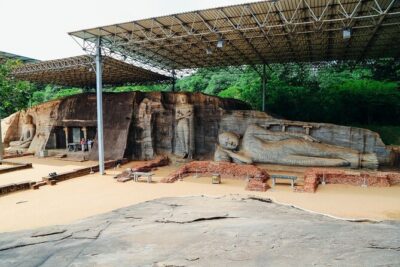
Sigiriya, Polonnaruwa & Dambulla “Trilogy” Day Tour from Colombo
Read our review →
Day Tour from Colombo to Sigiriya, Dambulla & Polonnaruwa
Read our review →
Polonnaruwa Sight Seeing Tour and Minneriya Elephant Safari
Read our review →
Private Polonnaruwa Ruins & Minneriya Safari Tour from Sigiriya
Read our review →
Visiting the Historical Polonnaruwa Ruins and Minneriya Safari
Read our review →
Browse the lists this tour appears in