
Reviewed · SAFARI
Madu River Safari at Balapitiya
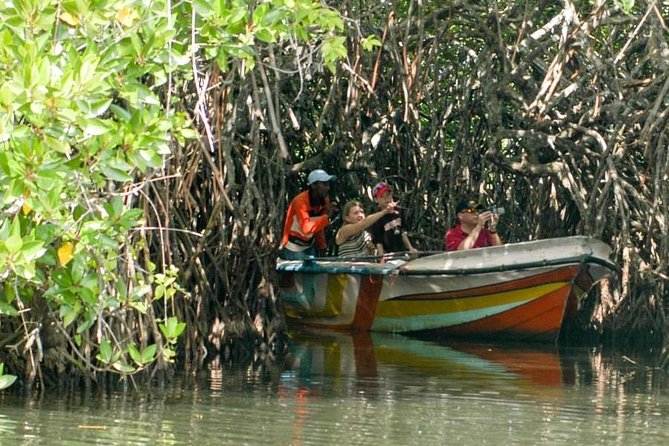
The most memorable part of this Madu River safari is the change of scenery. One minute you are moving across open water, and the next you are entering a dark mangrove passage where roots close around the boat. The route combines wildlife watching with two very different island stops: cinnamon production and a Buddhist temple.
I like the hands-on side of the trip, especially the cinnamon peeling demonstration and tea on Cinnamon Island. I also like the private format, since your group can take its time with the instructor rather than follow a large crowd. The main thing to consider is transport: the $23.40 price does not include getting from your accommodation to the boat point in Madu Ganga.
Key points at a glance
- Mangrove tunnels: Travel through narrow, shaded waterways and open stretches of the Madu River.
- Cinnamon Island visit: See how cinnamon is peeled and processed, with cinnamon tea included.
- Wildlife spotting: Keep watch for water monitors, monkeys, crocodiles, snakes, cormorants, and storks.
- Kothduwa Temple: Visit an old Buddhist temple on one of the river islands.
- Private boat trip: Only your own group takes part, with an instructor included.
- Short, good-value outing: Plan on about 90 minutes, with bottled water provided and free cancellation up to 24 hours before departure.
Why the Madu River works so well for a short outing
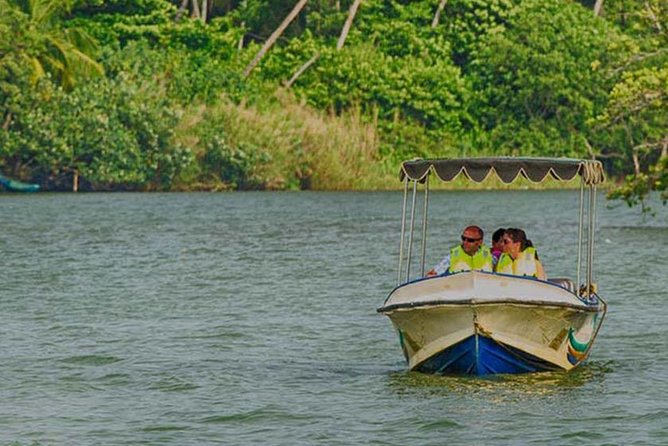
The Madu River is a good choice when you want a nature experience without giving up most of your day. The boat trip lasts about an hour and a half, yet it includes wildlife, local production, religious culture, and a close look at mangrove ecology.
That mix is the real strength here. A simple river cruise can become repetitive, especially if the scenery changes little. This route breaks the time into clear chapters: open river, thick mangrove channels, Cinnamon Island, and a temple island. You get movement and variety without a long drive or a full-day commitment.
The setting also gives you something that a standard sightseeing stop cannot. Mangroves are working ecosystems. Their roots shelter young fish and help protect riverbanks, while the winding channels create natural cover for birds and reptiles. The instructor explains this ecological role as the boat moves through the marshes.
I would set your expectations correctly. Wildlife is possible, not guaranteed. The route may offer water monitors, crocodiles, water snakes, tree snakes, wild boar, cormorants, storks, and other birds, but animals do not follow a schedule. The value is in entering their habitat quietly and watching the banks and branches as you go.
More River Safaris in Bentota
- Bentota River Safari with Mangrove and Wildlife Encounter
★ 4.9 · 182 reviews - 2h Bentota River Safari: Crocodiles, Monkeys, Mangrove & more
★ 5.0 · 128 reviews - Bentota River Safari By BTM (Mangrove & Wildlife Encounter)
★ 5.0 · 108 reviews
From open water into the mangrove tunnels
The first part of the cruise takes you along the Madu River, where bright open water alternates with thick mangrove growth. This change is more interesting than a nonstop view of the same riverbank. You can look across the wider stretches, then focus close to the boat as the channels narrow.
The mangrove passages are described as dark and enclosed, with branches and roots forming natural corridors. They may feel adventurous, but this is still a short sightseeing cruise rather than a demanding expedition. You remain on the boat throughout the safari, with an instructor present.
Look carefully around shallow areas. Small pots used to catch prawns and shrimp may be visible in the water. These details matter because they show that the river is not only a scenic place. It also supports local fishing practices and daily work.
Birdlife is one of the more dependable reasons to pay attention. Cormorants and storks may be seen hunting along the river, while other birds use the banks and channels for food. If you enjoy photography, keep your phone or camera ready, but do not spend the whole ride staring at a screen. The interesting moments can be brief.
The route includes open sections where the light is stronger and enclosed sections where the mangroves block much of the sky. That contrast gives the ride its character. It also means the experience is partly about atmosphere, not just counting animals.
Cinnamon Island and the practical side of local production
Cinnamon Island is the most distinctive cultural stop. Here you see how cinnamon is peeled, turning a familiar kitchen spice into a real local craft. The activity is not just a quick photo stop. The hands-on demonstration gives you a better sense of the work behind a product that many people only know from a spice jar.
Cinnamon tea is also part of the visit. I like this small touch because it connects the demonstration with something you can taste immediately. It makes the stop easier to remember and gives the island a clear purpose beyond passing through.
The stop has a modest, direct character. You are not visiting a large museum or a polished attraction with a long display hall. Instead, the focus is on seeing the process and taking part in a simple activity. That suits anyone who prefers local production shown in person rather than explained only on a sign.
A small purchase may be available, but the supplied details do not confirm shopping arrangements, so do not plan your budget around buying cinnamon. The confirmed part is the demonstration and tea.
The cinnamon stop is also where the tour feels most interactive. The main river cruise asks you to watch and listen. Cinnamon Island lets you handle part of the process. That change in pace is useful, especially for families or anyone who wants more than scenery.
Fish therapy and the island temple
Fish therapy is listed among the interactive activities on this experience. It adds a playful moment to a tour otherwise centered on nature and culture. The available information does not specify how long this activity lasts or exactly where it takes place, so treat it as an included possibility rather than the main reason to book.
The Buddhist temple visit gives the route a quieter pause. An old temple sits on one of the islands in the river, identified as Kothduwa Temple in the tour description. You can expect this stop to add a religious and cultural layer to the boat ride, rather than simply more river scenery.
A temple visit calls for sensible clothing and respectful behavior. The stated dress code is smart casual, which is a useful standard for the whole trip. Wear clothes that are comfortable on a boat but not overly casual for a sacred site.
The temple is included in the tour price, along with Cinnamon Island. That makes the $23.40 cost easier to assess. You are not paying only for a boat transfer. The fee covers the cruise, an instructor, bottled water, and the two named island visits.
The exact order of the stops may vary. The published route describes the boat safari first and lists the temple among the river islands, but it does not give a timed schedule for each section. If the order matters to you, ask the provider when confirming.
Same base, a completely different kind of day out:
- Ayurveda Day Package
★ 5.0 · 106 reviews - Two Hour Package
★ 5.0 · 93 reviews - Udawalawe Safari DayTrip frm Bentota/Kalutara/Ahungalla/Hikkaduwa
★ 5.0 · 77 reviews - Yala Safari Day Trip from Bentota/ Kalutara/ Ahungalla/ Hikkaduwa
★ 5.0 · 60 reviews
Wildlife expectations on the Madu River
The wildlife list is broad, but it should be read as a set of possible sightings, not a promise. Crocodiles, water snakes, tree snakes, and wild boar may appear in the natural habitat around the river. Water monitors and black monkeys have also been seen on the route.
Birds may offer your best chance of spotting wildlife. Cormorants and storks hunt in the river, and other birdlife uses the mangrove edges. Still, animals can remain hidden, particularly in thick vegetation or noisy conditions.
I would bring patience rather than a checklist. The boat moves through places where wildlife may be present, but no guide can order a crocodile onto the bank or a monkey into view. The experience works best if you enjoy the setting even when an animal does not appear.
The mention of water monitors and black monkeys is especially useful because these are concrete possibilities, not just a vague promise of nature. Keep your eyes on the branches, muddy edges, shallow water, and open banks. A quick sighting can be easy to miss.
Mangrove wildlife also explains why a boat is the right way to see this area. You can enter channels that are not practical to explore on foot, while staying at water level near the roots and banks. That close position gives the river a more immediate feel than a roadside nature stop.
What the $23.40 price really covers
At $23.40 per person, this is reasonably priced for a private experience lasting about 90 minutes. The value comes from the number of elements packed into a short outing: boat transport on the river, an instructor, bottled water, Cinnamon Island, the island temple, and the possibility of fish therapy and wildlife sightings.
The private format matters. Only your group participates, so you avoid being placed with unrelated people. That can make the trip more comfortable and may give you more room to ask questions or pause at points of interest. The information does not state the maximum group size, so do not assume the boat is limited to only two or three people.
The price does not include meals, drinks beyond the bottled water, tips, or transport to the boat safari location. The meeting point is Madu Ganga, Sri Lanka, and the tour ends there after the cruise. Pickup is offered as a feature, but the included-price details specifically exclude transport from your accommodation to the boat location. Confirm the pickup cost and arrangement before booking.
For a short private boat ride with cultural stops, the price is attractive. It becomes less convenient if you need a complicated transfer from Bentota or another base and the transport charge is high. The key is to calculate the full cost, not only the advertised per-person rate.
Timing, clothing, and what to bring
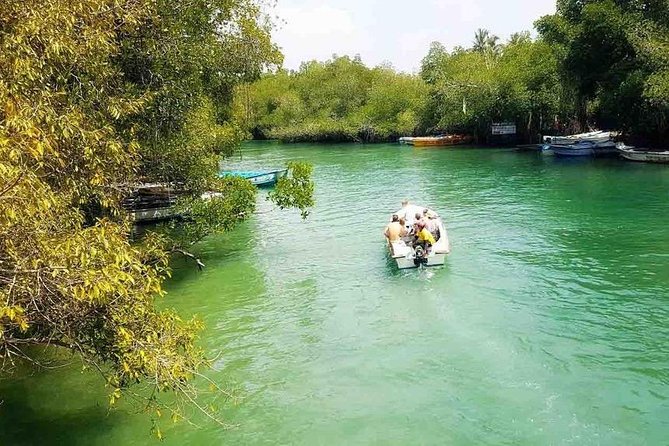
Allow roughly one to two hours for the complete experience, with the main boat tour listed as one and a half hours. The river meeting point is in Madu Ganga, and the tour begins and ends there.
Smart casual clothing is the stated dress code. Choose light, comfortable clothing suitable for a boat and respectful enough for the temple visit. Since the route includes mangrove passages and open water, a light layer may be useful, though no specific weather or temperature information is provided.
Bottled water is included. Meals and other drinks are not, so eat beforehand if you need more than a short snack, and do not expect a meal during the cruise.
A mobile ticket is available, and confirmation is issued when you book. The tour is also near public transportation, which may help if you are arranging your own way to Madu Ganga. Pickup is offered, but the exact area and cost are not supplied.
Weather matters. The experience requires good conditions, and poor weather can lead to a new date or a full refund. You can cancel for a full refund if you do so at least 24 hours before the start time. Changes or cancellations inside that window are not accepted for a refund.
Who will enjoy this river safari most
I would recommend this trip to you if you want a compact nature outing with more substance than a simple boat ride. It suits people who enjoy watching birds, learning about mangroves, seeing local production, and visiting a sacred site in one package.
Families may appreciate the mix of activities. Cinnamon peeling, fish therapy, monkeys, and boat travel offer several points of interest, even if one part is not a hit with everyone. The private format also gives your group more control than a large shared cruise.
It is a good fit for photographers, but wildlife photography requires patience. The boat may move past an animal quickly, and the mangroves can be dark. Bring a camera if you like, but do not judge the trip only by how many perfect photos you get.
You may want to choose another activity if your top priority is a long wildlife safari, a meal on the water, or included transport from your hotel. This is a short river experience with several stops, not a full-day excursion.
The rating is 4.8 from six reviews, which points to strong satisfaction but is still a small sample. The clearest praised feature is Cinnamon Island, especially the demonstration and cinnamon tea. The sighting of a water monitor and black monkeys shows the kind of wildlife moment that can make the trip memorable, but it should not be treated as guaranteed.
Should you book the Madu River Safari?
Book it if you want a short, private introduction to the Madu River that combines mangroves, possible wildlife, cinnamon making, fish therapy, and a Buddhist temple. At $23.40 per person, it offers good value when your transport to Madu Ganga is simple or included through a separate arrangement.
I would be more cautious if you need a fixed wildlife guarantee or a fully inclusive day trip. Go with realistic expectations, confirm pickup details, dress for both a boat and a temple, and give yourself time to watch the river quietly. For many people, the best part will be the mix of small discoveries rather than one headline sight.
FAQ
Where does the Madu River Safari start and end?
The tour starts at Madu Ganga in Sri Lanka and ends there after the boat safari.
How long does the boat safari last?
The boat tour lasts about one and a half hours. The overall experience is listed as approximately one to two hours.
Is transport from my accommodation included?
No. Transport from your accommodation to the boat safari location is not included in the listed tour price. Pickup is offered, so confirm the arrangement and any additional cost when booking.
Is this a private tour?
Yes. Only your own group participates in the activity.
What is included in the price?
The price includes bottled water, the boat tour, an instructor, the island temple visit, and Cinnamon Island.
Are meals and drinks included?
Meals and drinks are not included. Bottled water is provided.
What wildlife might I see?
Possible sightings include crocodiles, water snakes, tree snakes, wild boar, cormorants, storks, water monitor lizards, and black monkeys. Wildlife sightings are not guaranteed.
Does the tour visit Cinnamon Island?
Yes. The tour includes Cinnamon Island, where you can see a cinnamon-peeling demonstration and have cinnamon tea.
Can I cancel for a full refund?
Yes, if you cancel at least 24 hours before the experience start time. Poor weather may also lead to a different date or a full refund.
Newly listed around Bentota
- Private all inclusive Day tour southern Sri Lanka Bentota and Galle★ 5.0 · 9 reviews
- Yala National Park (Day Tour)★ 5.0 · 5 reviews
- Half Day Udawalawe Safari from Kalutara (Entrance + Lunch)★ 5.0 · 9 reviews
- Udawalawa National Park Day Tour★ 4.5 · 5 reviews
- Mangrove Adventure★ 4.5 · 8 reviews
- Madu River Sunrise Mangrove Kayaking★ 5.0 · 5 reviews
- Madu River Sunrise Mangrove Kayaking from Bentota★ 5.0 · 5 reviews
- Jet Skiing in Bentota★ 5.0 · 10 reviews
Safari, compared.
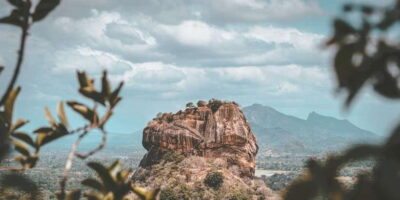
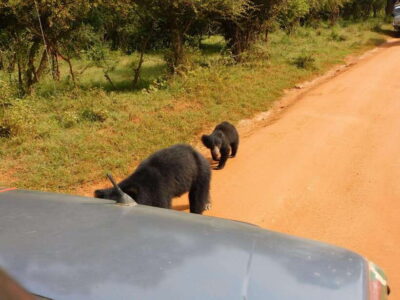
Yala National Park Safari Tours: Morning/Evening/Full Day
Read our review →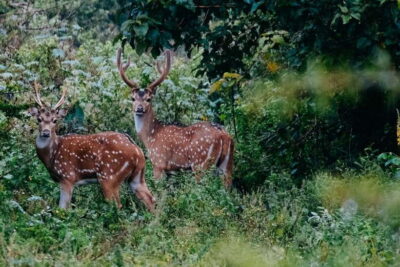
Udawalawe National Park: Elephant Safari with Expert Guide
Read our review →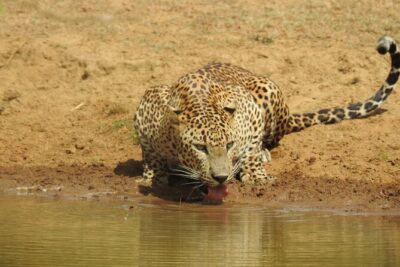
Full day Safari – Yala National Park – 04.30 am to 06.00 pm with – Janaka safari
Read our review →
Yala National Park: Half, 7-Hour, or Full-Day Safari & Meals
Read our review →
Yala National Park Wildlife Safari/ Game Drive – by Ajith Safari
Read our review →Browse the lists this tour appears in