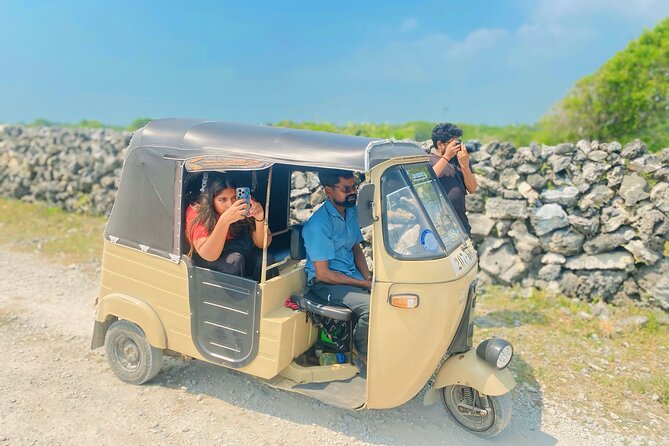
Reviewed · FULL-DAY
Full Day Tour Delft and Nainativu Island Adventure from Jaffna
Delft Island gives this day its real spark: wild ponies roaming among coral ruins, old colonial towers, and a giant baobab tree far out in the Palk Strait. You then shift from open island country to the sacred temples of Nainativu, making this a rare Jaffna outing that joins wildlife, history, faith, and ferry travel in one long day.
I like the private format, since your group can travel at its own pace, and I like the careful mix of sites rather than a day spent at one temple or one beach. Guide Arun is named in the tour feedback as a thoughtful, well-informed guide who can adjust the plan when conditions change. The main caution is the sea: one scheduled Delft trip could not reach the island because the water was too rough, so you need to accept that the ferry portion depends on good weather.
Key points to know before booking
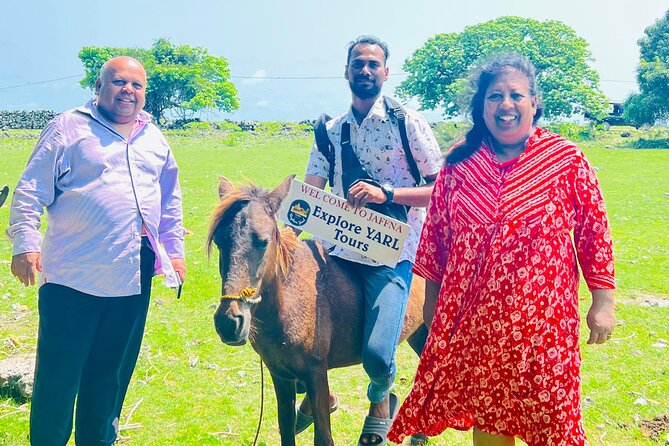
- Wild ponies on Delft: The island’s free-roaming horses are descendants of animals brought by the Portuguese in the 16th century.
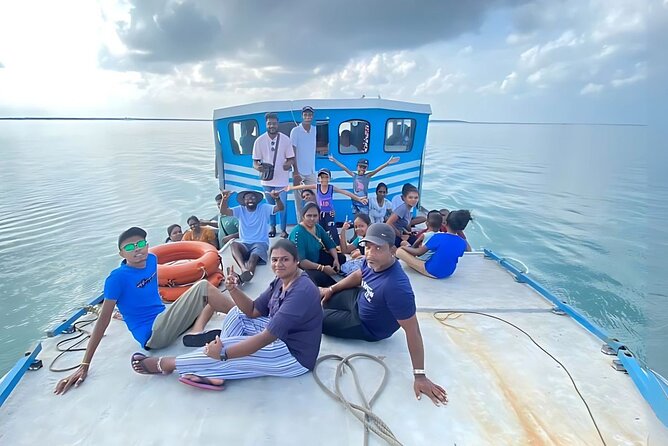
- A full ferry day: You leave Jaffna around 6:00 am, travel through Kurikadduwan, and visit Delft and Nainativu before returning.
- Coral-built colonial remains: The fort, court, hospital, pigeon tower, and Queen’s Tower show how local materials shaped the island’s past.
- Two sacred centers on Nainativu: Nagapooshani Amman Temple and Nagadeepa Rajamaha Viharaya offer a direct look at Hindu and Buddhist practice.
- A private experience: Only your own group takes part, with transport adjusted to group size.
- Weather matters: Rough seas can change or cancel the Delft portion, with another date or a full refund offered when poor weather stops the tour.
Why this Jaffna island day is different
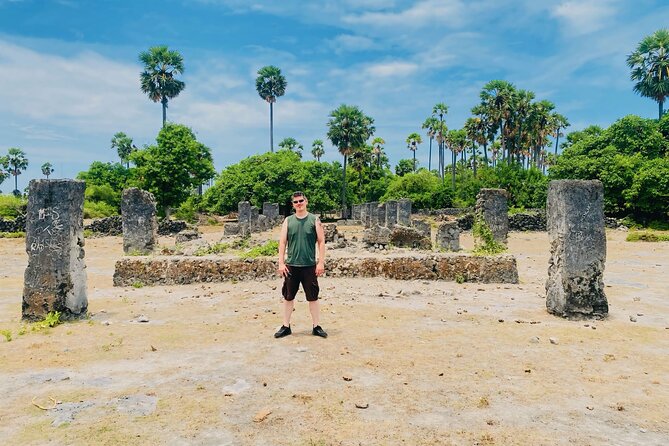
Many excursions from Jaffna focus on temples, food, or city sights. This one reaches far beyond town. You cross causeways and open water, ride island ferries, pass fishing country, look for birds, walk around colonial ruins, and finish at two important religious sites.
The day lasts about 10 hours, but the sightseeing time is only part of that total. The operator notes that roughly one hour is set aside for travel, though the ferry schedule and island transfers naturally make the day feel like a full expedition. This is not a quick hop between attractions. It is best understood as a long northern Sri Lankan outing with plenty of time spent moving through the island chain.
The early start is sensible. Your meeting point is at the Cargills Bank ATM in Jaffna, and departure is set for 6:00 am. Bring patience, sun protection, and a willingness to let the sea and ferry timetable shape the day.
More full-day trips in Sri Lanka:
- Yala National Park Safari Tours: Morning/Evening/Full Day
★ 4.8 · 818 reviews - Full day Safari – Yala National Park – 04.30 am to 06.00 pm with – Janaka safari
★ 5.0 · 603 reviews - Yala National Park: Half, 7-Hour, or Full-Day Safari & Meals
★ 4.8 · 489 reviews
Crossing Pannai Causeway from Jaffna
The opening drive takes you across Pannai Causeway, a useful introduction to the geography around Jaffna. Calm lagoons, fishing boats, and local birdlife provide something to watch as you leave the mainland behind.
The stop itself lasts only about five minutes and costs nothing, so think of it as a moving viewpoint rather than a formal attraction. I like this beginning because it shows how water defines life around Jaffna. The road is not simply a way out of town. It links the city to a chain of islands where fishing, worship, and small communities remain closely tied to the sea.
You also pass the Kannakai Puram Welcome Curve. There is no planned visit here, just a brief look while driving. It adds little as a standalone sight, but it helps mark the transition from the city toward the island route.
Kurikadduwan and the ferry connection
Kurikadduwan, often called KKD, is the main departure point for ferries to Delft and Nainativu. The planned stop is about 15 minutes, giving you time to orient yourself before the water crossing.
This is one of the practical strengths of having a private guide. Ferry travel can feel confusing if you are not sure which island, jetty, or departure point comes next. The guide handles the movement between land and sea while you take in the view.
The trade-off is that ferry travel is not fully predictable. Rough water can prevent the Delft crossing, as happened on one occasion when the guide changed the day to include bird watching, temples, and cultural sites instead. That flexibility is useful, but you should not book this tour if reaching Delft at all costs is your only goal.
Delft Island and its free-roaming ponies
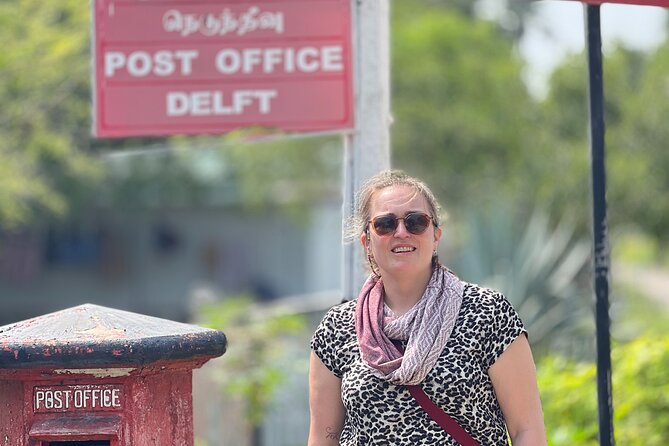
Delft, locally called Neduntheevu, lies about 35 kilometers from Jaffna in the Palk Strait. It feels remote, open, and unlike the built-up parts of northern Sri Lanka. The island’s main attraction is not one polished monument. It is the way history and nature sit together in broad, quiet surroundings.
The 45-minute visit to the wild horse sanctuary focuses on the island’s most famous animals. These ponies descend from horses brought by the Portuguese in the 16th century, and they move freely across the island. You might see them at a distance rather than in a neat group, which is part of the appeal. This is not a zoo encounter or a staged animal show.
Give yourself time to look carefully. The open setting can make the ponies seem small against the horizon, and their movements may depend on the time of day. Your guide can add local context, but the best part is often simply watching these animals belong to the island.
Same base, a completely different kind of day out:
- Colombo: Private Tuk-Tuk City Tour with All Entry Fees
★ 4.9 · 2,154 reviews - Kandy Private Guided City Tour by Tuk Tuk
★ 4.9 · 1,307 reviews - Whales and Dolphins Watching-Luxury Super Grade Cruiser(Hotel Pick up offered)
★ 5.0 · 1,268 reviews - From Colombo: Sigiriya and Dambulla Day Trip with Safari
★ 4.7 · 842 reviews
Delft’s 400-year-old baobab tree
The Perukamaram baobab receives about 20 minutes. It is believed to be more than 400 years old and is linked to the old trading routes that connected Arab merchants with this part of the Indian Ocean.
The tree gives Delft an unexpected connection to distant places. Its thick trunk and unusual shape are easy to appreciate without a long explanation, but the historical context makes the stop more meaningful. You are looking at a living marker of the island’s position on old sea routes.
This is a short stop, so do not expect a shaded botanical walk or a large park. It works best as part of the wider Delft circuit, alongside the horses and ruins.
The Growing Stone and Large Banyan Tree
The Growing Stone takes around 10 minutes. It is a coral rock that local belief says slowly increases in size. You can treat it as a natural curiosity and a window into island folklore rather than as a scientific exhibit.
That distinction matters. The tour presents the stone as a local belief, not a proven geological process. If you enjoy places where stories and physical features meet, this is a pleasant pause. If you prefer major monuments, it will be a minor stop.
The Large Banyan Tree, known locally as Aalamavanam, receives about 15 minutes. Its branches have spread across the ground and created a broad, shaded form. After the open heat of Delft, the tree offers a welcome change of texture and scale.
Together, these two stops keep the Delft visit from becoming only a sequence of colonial ruins. You see how local stories, trees, coral, and animals all shape the island’s identity.
Queen’s Tower and the old message network
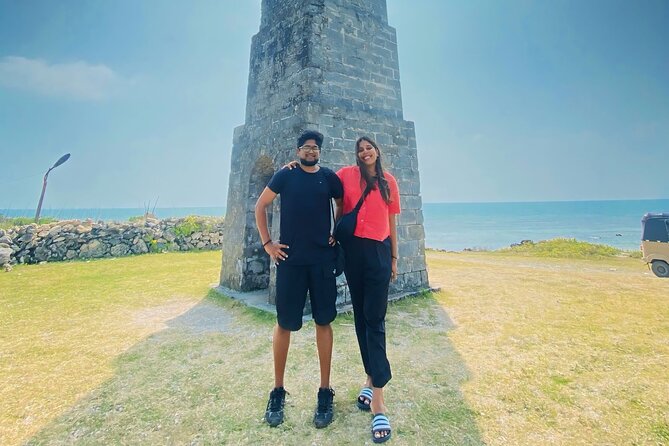
The Queen’s Tower, also called Quindah Tower, is a colonial-era structure on Delft’s southeastern coast. The visit lasts about 30 minutes, making it one of the more substantial history stops.
The tower is useful for understanding Delft as a strategic island, not just a remote beach destination. Its position near the coast connects it to navigation, communication, and colonial control. The surrounding setting also gives you a sense of why this island mattered to people moving through the Palk Strait.
The Pigeon Nest takes about 10 minutes. This small Dutch-era stone tower once housed messenger pigeons used to carry important messages. It is an unusual detail that brings the colonial period down to a human scale. Before fast electronic communication, a small structure and trained birds could matter to the running of an island.
The two stops work well together. The Queen’s Tower feels larger and more strategic, while the Pigeon Nest shows the ordinary tools that supported communication.
Delft’s hospital, courts, and ruined fort
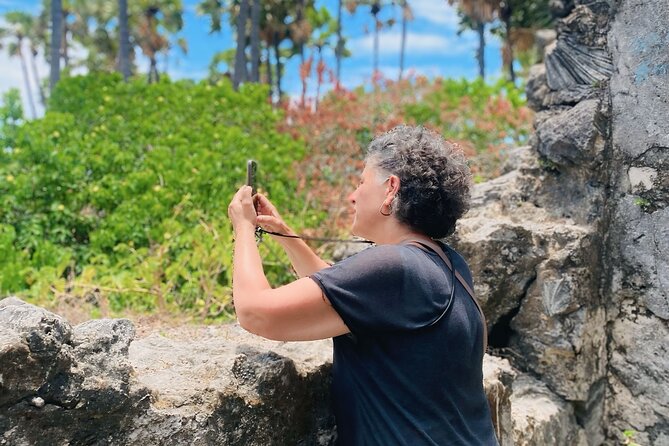
The Old Dutch Hospital is a brief five-minute stop. Built with coral stone and limestone, it once served as a medical facility. The Old Dutch Courts, also a five-minute visit, reveal where legal matters were handled during the Dutch period.
Neither building should be treated as a restored museum. Their value lies in the material itself and in what the remains tell you about organized colonial life on an island that can now feel very quiet. Coral and limestone were practical local building materials, and their repeated use links the buildings together.
The Dutch Fort takes about 10 minutes. It was built as a defensive stronghold and is now mostly in ruins. You will not find a complete fortress with furnished rooms or detailed displays. Instead, you get fragments that help explain Delft’s military importance.
This part of the tour rewards a guide who can provide context. Without explanation, a weathered wall can look like just another old wall. With the story of defense, administration, medicine, and communication, the scattered remains become easier to read.
Delft Beach, a swim, and seafood lunch
The Delft Beach stop lasts about one hour and combines swimming, lunch, and the return to the jetty. The water is described as shallow and calm, with a soft sandy bottom, making it the most relaxed part of the Delft visit.
I like the balance here. After several short history stops, you have time to slow down. A swim can cool you off, and the beach gives you a chance to enjoy Delft as a living island rather than only an archaeological site.
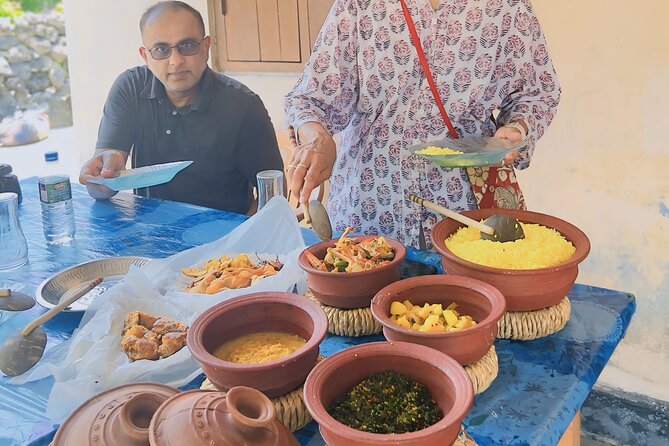
The meal is described as a traditional Delft-style seafood lunch. Since the supplied details do not specify the exact dishes, you should expect local seafood rather than a fixed menu you can choose in advance. If you have dietary restrictions, ask before booking.
The beach is not a guarantee of perfect swimming conditions. Weather, sea conditions, and timing can affect the experience, just as they can affect the ferry. Still, the chance to pair a beach break with an island lunch adds good value to a day built around ruins and transport.
Nainativu and its two sacred centers
After Delft, the route reaches Nainativu, also known as Nagadeepa. This small island is important for both Hindu and Buddhist worship, so the visit shifts from colonial and natural history to living religion.
The first stop is Nagapooshani Amman Temple, a Hindu temple dedicated to the goddess Parvati, known here as Nagapooshani. You have about 20 minutes to see the site. The temple is a significant religious center, and its presence shows how Nainativu remains important to people who come for worship, not simply sightseeing.
The second stop is Nagadeepa Rajamaha Viharaya, another 20-minute visit. It is counted among Sri Lanka’s sixteen holiest Buddhist sites, and tradition holds that the Buddha visited the island.
The short time at each temple means you will get an introduction rather than an extended religious study. Dress and behavior should be respectful, and your guide can help you understand the basic significance of each place. The pairing is especially valuable because the two sites sit within the same small island setting while representing different religious traditions.
What the $130 price means
At $130 per person, this is not a low-cost Jaffna city tour. The price needs to cover a private vehicle, guide service, ferry-related travel, a long day on the road and water, and a route reaching two separate islands.
The value is strongest for a small group that wants a private schedule and a wide range of sights. Splitting the cost among several people can make the experience more reasonable, though the listed price is per person. You are paying for access and coordination as much as for individual attractions, since the sites themselves are listed without admission charges.
The day also gives you something difficult to arrange alone: Delft’s scattered sights, a beach and meal, then Nainativu’s temples, all connected from Jaffna and back. The price is harder to justify if you mainly want a relaxed beach day or one temple visit.
Timing, comfort, and who should book
The 6:00 am start is early, but it helps fit a lot into one day. You should be comfortable with a long schedule, ferry crossings, several short stops, and time in exposed outdoor areas.
The private format suits couples, families, and small groups who prefer their own vehicle and guide. It is also useful for anyone who wants the itinerary adjusted if Delft becomes impossible because of rough seas. The experience is less suited to someone who dislikes boats, needs a slow pace, or wants guaranteed access to every planned island.
Most people can take part, and the tour is near public transportation, but the supplied information does not give detailed accessibility notes for jetties, ferries, beaches, or historic ruins. Ask the provider directly if mobility is a concern.
The tour has a 4.8 rating from 19 ratings, with all recommendations recorded as positive. The most useful praise concerns the guide’s response to bad sea conditions: when Delft could not be reached, Arun created a worthwhile alternative with bird watching, temples, and cultural places. That is a good sign for a day where weather can overrule the plan.
You can cancel for a full refund up to 24 hours before the 6:00 am start. Changes or cancellations inside that period are not refunded, and poor weather can lead to a new date or full refund.
Should you book the Delft and Nainativu day?
Book it if you want Jaffna’s outer islands in one ambitious day and like the idea of mixing wild ponies, coral ruins, swimming, seafood, ferries, and sacred temples. The private format and guide flexibility are strong reasons to choose it over trying to arrange this complicated route yourself.
Skip it if your main aim is a guaranteed Delft visit, a short outing, or a comfortable indoor schedule. The sea can change the plan, and the day is long. For the right visitor, though, this is one of the more varied ways to understand northern Sri Lanka, because it links old trade routes, colonial remains, local belief, wildlife, and living faith in a single trip.
FAQ
Where does the tour start?
It starts at the Cargills Bank ATM in Jaffna, Sri Lanka.
What time does the tour begin?
The scheduled start time is 6:00 am.
How long does the tour last?
The tour lasts approximately 10 hours, including travel.
Does the tour return to Jaffna?
Yes. The activity ends back at the starting meeting point.
Is this a private tour?
Yes. Only your group participates in the activity.
Does the tour include Delft Island?
Delft Island is part of the planned route, but access depends on sea and weather conditions.
What happens if rough seas prevent the Delft crossing?
The tour may be adjusted to include alternatives such as bird watching, temples, and cultural sites. If poor weather cancels the experience, you can be offered another date or a full refund.
What can you see on Delft Island?
The planned Delft stops include wild ponies, the Perukamaram baobab tree, the Growing Stone, the Large Banyan Tree, Queen’s Tower, the Pigeon Nest, the Old Dutch Hospital, the Old Dutch Courts, the Dutch Fort, and Delft Beach.
What can you see on Nainativu Island?
The tour visits Nagapooshani Amman Temple and Nagadeepa Rajamaha Viharaya.
Is cancellation free?
You can cancel up to 24 hours before the experience starts for a full refund. Cancellations or changes made less than 24 hours before the start time are not refunded.
Newly listed around Sri Lanka
- Trincomalee : Whale & dolphin watching +pigeon island tour★ 4.5 · 3 reviews
- From Trincomalee: Village Tour & Minneriya Elephant Safari★ 5.0 · 8 reviews
- Trincomalee: Tuk-Tuk city tour with a guide★ 5.0 · 4 reviews
- Trincomalee: City Tour with Koneswarm and Crocodile lake★ 4.5 · 13 reviews
- Trincomalee : pigeon island tour + snorkeling★ 3.5 · 4 reviews
- Trincomalee: Dolphin & Whale Watching Boat Tour★ 4.2 · 37 reviews
- Morning 07 Hour Private Safari at Yala National Park by Yala La Safari Tours★ 5.0 · 4 reviews
- Trincomalee: Guided scooter City Tour★ 5.0 · 3 reviews
Full-Day, compared.

Yala National Park Safari Tours: Morning/Evening/Full Day
Read our review →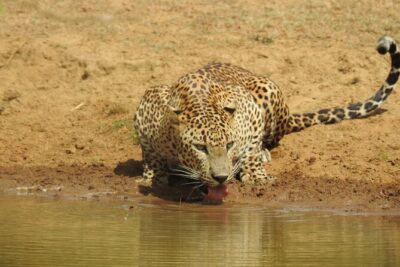
Full day Safari – Yala National Park – 04.30 am to 06.00 pm with – Janaka safari
Read our review →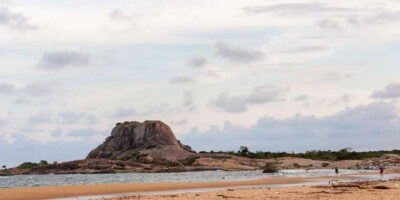
Yala National Park: Half, 7-Hour, or Full-Day Safari & Meals
Read our review →
Full day / Half Day WildlifeAdventure in Yala-National-Park
Read our review →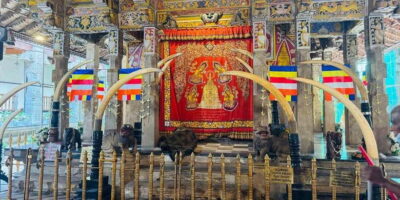

Yala National Park Safari Tours : Half Day & Full Day
Read our review →