
Reviewed · DAMBULLA CAVE TEMPLE TOURS
All-Inclusive Dambulla Village Tour with Traditional Lunch
The best part of this Dambulla outing is the change of pace. You leave the busy temple and hotel circuit behind and spend time with the farming traditions that still shape rural Sri Lanka. The catamaran ride is especially pleasant, with quiet water and good chances to spot birds. The cooking session gives you something useful to take home, not just another quick look at village life.
I also like the fresh, local lunch and the private format, which make the visit feel more personal. The main consideration is the bullock cart. One guest felt sorry for the ox, so if animal welfare is a major concern for you, ask whether you can skip that part.
Key points
- A four-hour countryside visit: Walk through paddy fields, see village farming, and learn about chena cultivation.
- Three traditional ways to travel: Reach the village by tuk tuk, ride a bullock cart, and cross the lake by catamaran.
- The lunch is a major strength: You help with a traditional cooking demonstration before eating a meal made with local ingredients.
- A private English-language tour: Pickup and drop-off are available from Kandalama, Dambulla, Sigiriya, and Habarana.
- Good birdwatching from the water: The lake crossing is calm and scenic, though it may feel brief.
- A clear ethical choice: The bullock cart is part of the experience, but you may prefer to leave it out.
A quieter side of Dambulla
Dambulla is best known for its cave temple, but the countryside around it tells a different story. Here, the focus is not on grand monuments. It is on paddy fields, lakes, simple transport, food, and the daily work that connects village families to the soil.
This tour gives you a compact look at that rural life. You are not simply driven to a photo stop and sent back. The experience combines a guided walk, farm-related explanations, traditional transport, a cooking demonstration, and lunch. At $30 per person, that combination offers solid value, especially because hotel transport, a guide, the activities, the meal, and government taxes are included.
The private format matters. You can ask questions without trying to catch up with a large group, and the guide can give more attention to the farming and food demonstrations. The guide speaks English, and the activity is designed for pickup from four popular bases: Kandalama, Dambulla, Sigiriya, and Habarana.
More Cave Temple Tours in Sigiriya
- Day tour to Sigiriya & Dambulla from Kandy
★ 5.0 · 252 reviews - Private Day Trip to Sigiriya & Dambulla from Kandy – Aaliya Tours
★ 5.0 · 190 reviews - Private Dambulla Sigiriya Tour from Kandy with Lunch
★ 5.0 · 166 reviews
Tuk tuk roads from four pickup towns
The day begins with pickup by tuk tuk. You can arrange collection from Kandalama, Dambulla, Sigiriya, or Habarana, then return to one of those same four locations at the end.
That transport is part of the rural feel. A tuk tuk gets you closer to the village than a large coach and makes sense on local roads. It also means the total time can depend on where you are staying. The advertised experience lasts four hours, but the schedule also allows time for tuk tuk transfers, with one listed transfer of about an hour and another of about an hour and a half. Confirm the exact pickup and return timing when you book, especially if you have a temple visit, train, or airport connection later in the day.
You should also expect a practical ride rather than luxury transport. The tuk tuk is included, which keeps the price down and gives you an open view of the countryside. If you are staying in Sigiriya or Habarana, the transfer may form a noticeable part of your outing.
Walking between paddy fields
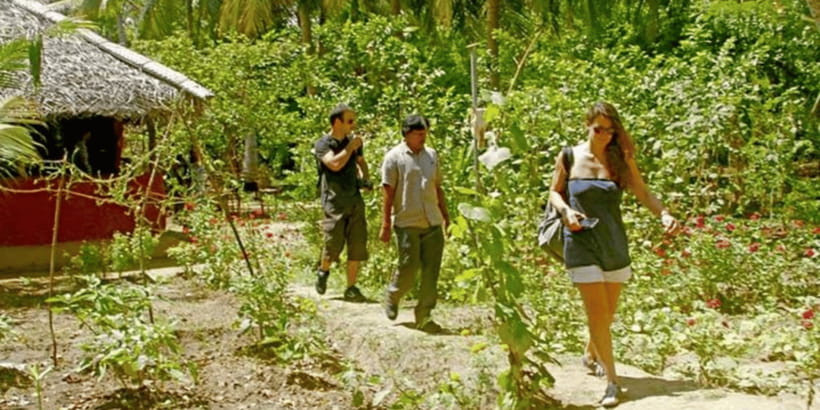
Once you reach the Dambulla area, the tour shifts to walking and sightseeing. The route takes you through green paddy fields and rural surroundings, with the guide explaining what you see along the way.
The fields are more than a pretty backdrop. Rice farming has shaped village life, work patterns, and local food for generations. A walk here helps you understand why water, seasons, and small farming plots matter so much in Sri Lanka. You get a better sense of the work behind the meal later in the day.
The walk is also a useful contrast to the fast-moving tuk tuk ride. You have time to notice the views, listen to the guide, and see how the countryside is organized. A safety briefing is included, so pay attention before moving on to the cart and lake sections.
The tour description does not give a distance or difficulty level for the walk. I would wear comfortable shoes and clothes suited to warm weather. You may want sun protection and water, even though the central focus is sightseeing rather than strenuous exercise.
Chena farming and the value of local knowledge
One of the more interesting subjects here is chena cultivation. This is an old form of farming connected to the land and seasonal growing patterns. The guide uses the village setting to explain how this method fits into rural life.
This part is easy to overlook if you think of a village tour as only a ride and a meal. It gives the day some context. You begin to see food, fields, and village homes as parts of one system, rather than separate attractions.
The exact crops and farming techniques you see can vary, and no fixed list of plants is provided. That is a good reason to ask questions during the walk. Ask what is grown locally, how chena farming differs from paddy farming, and which ingredients later appear in the lunch.
More Village Tours in Sigiriya
- All inclusive Private Day tour Sigiriya, Dambulla & traditional village tour
★ 4.5 · 24 reviews - Sigiriya Village Tour and Lunch
★ 4.5 · 14 reviews - Sigiriya Village Tour and Lunch with Hotel Pick up from Sigiriya
★ 5.0 · 10 reviews - Sigiriya Village Tour and Lunch
★ 4.3 · 10 reviews
The bullock cart, with an ethical question
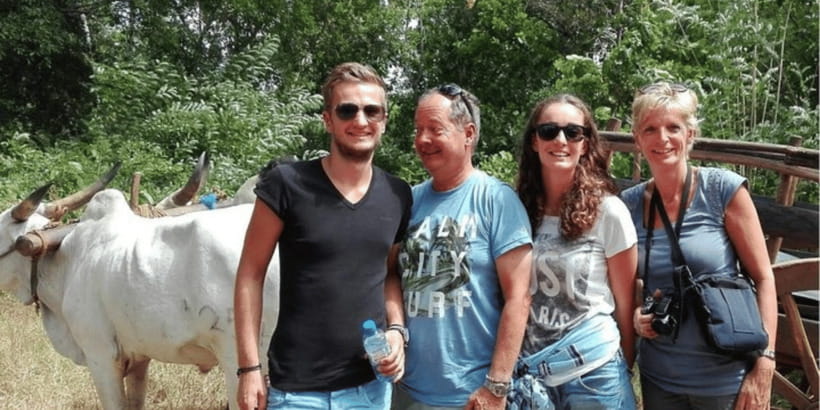
The bullock cart is the most old-fashioned part of the trip. It offers a slow ride through the countryside and connects the outing with traditional village transport.
For some people, this will be the memorable photo and the clearest link to rural custom. You can sit back and watch the fields pass at a pace that feels far removed from modern road travel. It is also a simple reminder that transport in farming communities has long depended on animals and local resources.
But I would not brush aside the welfare question. One guest specifically felt sorry for the ox pulling the cart. That reaction is worth considering before you book. The supplied information does not explain the animal care standards, route length, load, or conditions, so you cannot assess those details in advance.
If you are comfortable taking part, treat the ride as a chance to observe respectfully rather than as a novelty show. If you are uneasy, ask the operator if the cart can be omitted while you continue with the walking, catamaran, and cooking portions. The tour information does not promise that this change is possible, so confirm it ahead of time.
A short catamaran crossing with birds
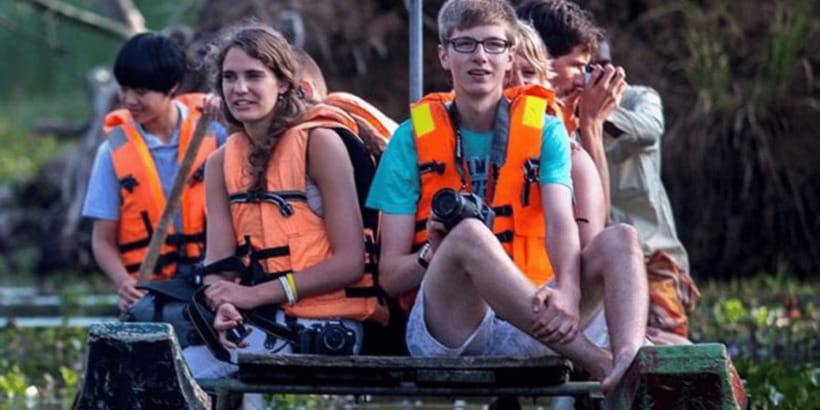
The traditional catamaran ride is one of the strongest parts of the experience. You cross a quiet lake surrounded by countryside, and the open boat gives you a good view of the water and nearby vegetation.
This is a gentle change from the road. The trip is not presented as a long cruise, and one guest thought it could have lasted longer. Plan for a scenic crossing rather than a full afternoon on the lake.
Bring your camera, but keep it ready. Birds are commonly seen from the water, and the calm setting gives you a chance to watch them without the noise of a motorboat. The bird sightings are not guaranteed, and the exact route can depend on conditions, but this is still a strong moment for anyone who likes nature and quiet scenery.
The catamaran may be a highlight for families, couples, and photographers. It also provides a welcome pause before the food portion of the visit.
Cooking in a rural home
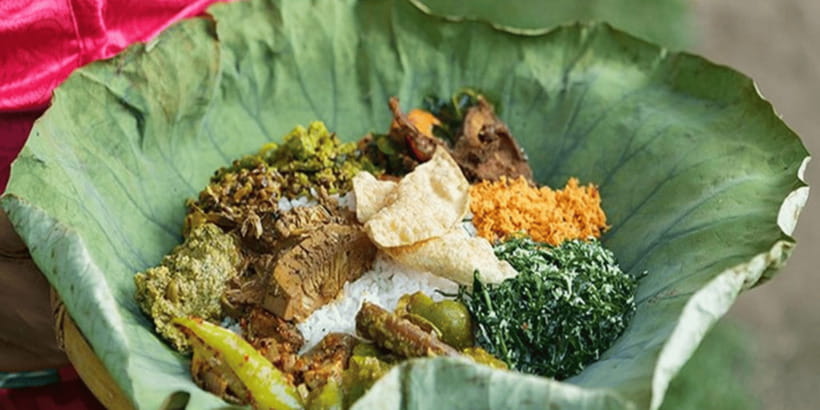
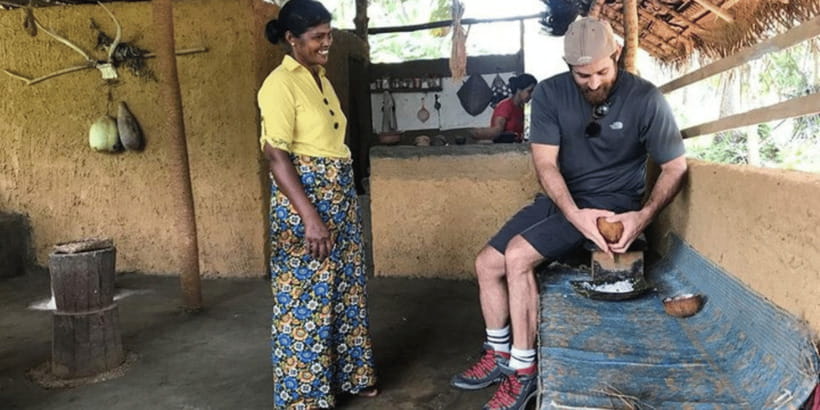
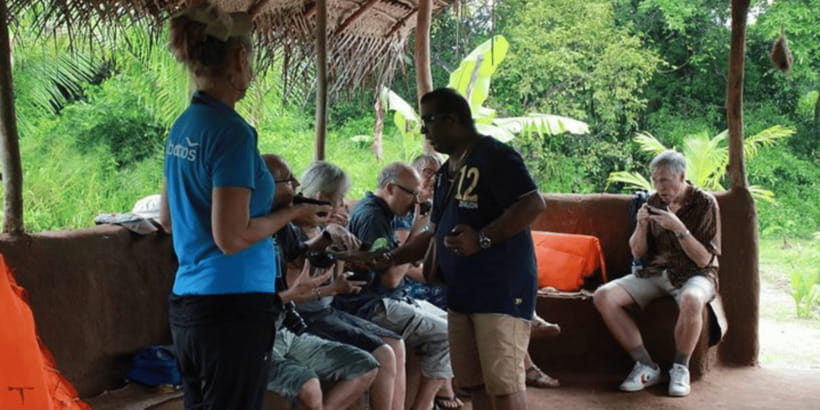
The cooking demonstration is where the tour becomes hands-on. You enter a welcoming rural home and watch, or help with, the preparation of a traditional Sri Lankan meal using local ingredients.
I like this part because food explains culture in a direct way. You can see how ingredients are handled, ask about the steps, and connect the cooking to the fields you walked through earlier. The experience includes local snacks, food tasting, and a cooking class, so it is not limited to watching from a distance.
The available information does not name the dishes or promise a particular menu. That is normal for a meal based on fresh local supplies. If you have allergies or dietary restrictions, tell the operator before the visit, since the meal is built around local ingredients and the menu is not specified.
The cooking lesson is also the most practical part of the day. Even if you never recreate the meal exactly, you will understand more about the ingredients and methods used in Sri Lankan home cooking.
Why the lunch earns its place
Lunch follows the cooking demonstration and lasts about an hour and a half along with the tasting and class. It is a traditional Sri Lankan meal prepared with local ingredients, rather than a standard restaurant meal arranged for tour groups.
This is where the $30 price begins to look particularly fair. You are paying for transport, a guide, multiple activities, a demonstration, and a full local lunch. A separate meal and private countryside transfer could easily reduce the savings of arranging the day on your own.
The lunch has received the strongest praise from the available feedback. It was described as outstanding, and the preparation was considered especially interesting. That tells me you should not treat the meal as a filler between the rides. Set aside time to watch the cooking and ask questions.
The meal may be a better fit for adventurous eaters than for people who want a familiar international menu. Since no dishes are listed, you should expect a genuine local meal rather than a tailored restaurant selection.
How the timing affects your day
The experience is advertised as four hours, making it easy to fit into a Dambulla, Sigiriya, Habarana, or Kandalama stay. The planned order is transport, village sightseeing, lunch and cooking, then return transport.
Still, pickup distance matters. The listed schedule includes a tuk tuk ride of about one hour at the start and about one and a half hours later, while the village visit and meal take roughly 75 minutes and 90 minutes. Those figures do not fit neatly into a four-hour total, so ask for the exact door-to-door plan before booking.
This is especially important if you are planning to visit the Dambulla Cave Temple on the same day. The tour itself does not include the cave temple, and its village focus should not be mistaken for a temple sightseeing excursion.
Weather can also change the plan. The activity may be cancelled if conditions are poor, with the option to reschedule or receive a refund. That is sensible for a lake crossing and outdoor walk.
Who will enjoy this Dambulla village tour?
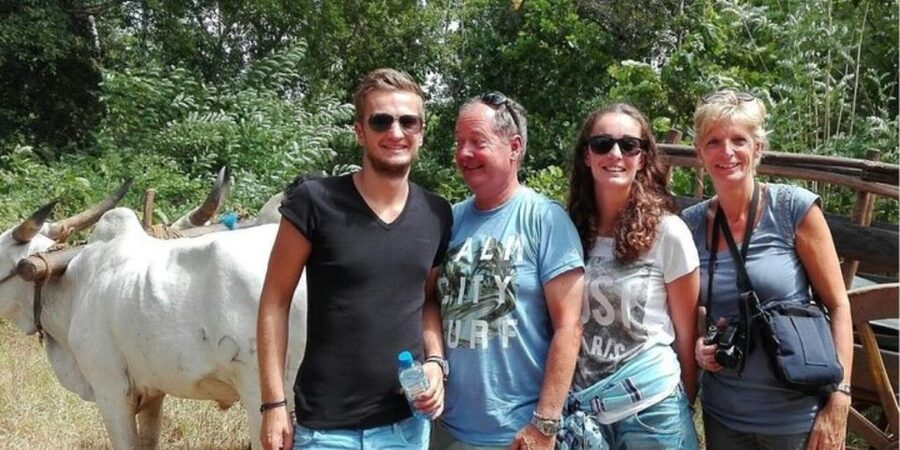
I would recommend it most strongly to you if you want a cultural activity with food at its center. The tour suits people who prefer a small, private outing and want more than a quick photograph at a village stop.
It is also a good choice for families with older children. Children aged four years and eleven months or younger go free when accompanied by a paying adult, and all children must have an adult with them. The cart, boat, fields, and cooking activity give the day several changes of pace.
You should think twice if you dislike animal-powered rides, want a long boat trip, or need a fixed menu. The catamaran crossing may feel too short for someone seeking a full lake excursion, and the bullock cart may raise concerns about animal welfare.
English is the stated guide language. The private format gives you room to ask for more explanation, but no guide names are provided, and the tour does not advertise other languages.
Booking flexibility and practical value
The tour costs $30 per person, with government taxes included. Hotel pickup and drop-off, a local guide, the bullock cart, catamaran, cooking demonstration, lunch, snacks, and tasting are all part of the package. Personal expenses are not included.
You can cancel up to 24 hours before the activity for a full refund, and you can reserve now and pay later. Those terms help if your Sri Lankan route is still changing, though weather can affect the outing independently of your own plans.
I would book from Dambulla or a nearby base if possible, since a shorter transfer leaves more of your day for the village. From farther pickup points, confirm the timing carefully. The value remains good, but a long tuk tuk transfer changes how much time you spend at the main stops.
Should you book it?
Book this tour if you want a compact, private look at rural Sri Lanka, with a strong cooking session and a satisfying local lunch. The bird-filled catamaran ride, paddy-field walk, and chena farming explanation add real variety, while the price covers the main costs.
Skip it, or ask to modify it, if you are uncomfortable with bullock carts or expect a long lake cruise. The cart is the one part that raises a genuine concern, and the boat trip may feel brief.
For most visitors staying around Dambulla, Sigiriya, Habarana, or Kandalama, this is a worthwhile half-day choice. The cooking and meal are the safest reasons to book. The rides are pleasant extras, but the food and village setting give the experience its lasting value.
FAQ
Where does the Dambulla village tour take place?
The activity takes place in and around Dambulla in Sri Lanka’s Central Province, including paddy fields, a lake, and a rural home used for the cooking demonstration.
How much does the tour cost?
The price is $30 per person.
How long does the activity last?
The advertised duration is four hours. Pickup and drop-off timing can vary by location, and the listed transport segments may add significant time, so confirm the schedule for your hotel.
Which locations offer pickup and drop-off?
Pickup and drop-off are available from Kandalama, Dambulla, Sigiriya, and Habarana.
Is transportation included?
Yes. Hotel pickup and drop-off by tuk tuk are included.
What activities are included?
The experience includes a guided village visit, a paddy-field walk, a bullock cart ride, a traditional catamaran ride, information about chena cultivation, a cooking demonstration, local snacks, food tasting, and a traditional Sri Lankan lunch.
Is the tour private?
Yes. It is offered as a private group activity.
What language does the guide speak?
The live tour guide speaks English.
Can children join the activity?
Yes. Children aged four years and eleven months or younger are complimentary when accompanied by a paying adult. Every child must be accompanied by an adult.
What happens if the weather is bad?
The activity may be cancelled because of poor weather. It can be rescheduled, or the payment may be refunded.
Can I cancel the booking?
You can cancel up to 24 hours in advance for a full refund. You can also reserve now and pay later.
Newly listed around Sigiriya
- Malee Cookery Lessons★ 5.0 · 26 reviews
- Private Safari Tours in Minneriya National Park★ 5.0 · 18 reviews
- Night Hike to see Elusive & Rare Loris in Sigiriya★ 4.5 · 43 reviews
- Organic Cooking Class Sigiriya TASTY TASKS★ 5.0 · 17 reviews
- From Sigiriya to Kandy Transfer by Private Comfortable Car★ 5.0 · 13 reviews
- Sigiriya and Dambulla Day Tour from Kandy★ 5.0 · 6 reviews
- Sigiriya Entrance Ticket with Guided Tour★ 4.5 · 13 reviews
- Sigiriya Cycle Tour: Explore Village Life in Sigiriya & Enjoy a Village Lunch★ 5.0 · 3 reviews
Dambulla Cave Temple Tours, compared.
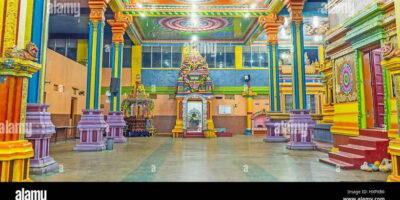


Kandy to Sigiriya Day Tour and Dambulla cave temple with private vehicle
Read our review →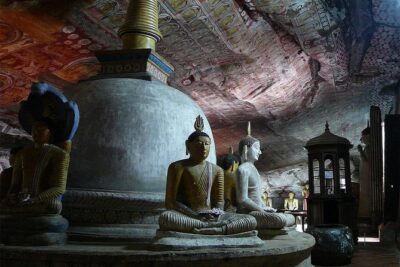
Private Day Trip to Sigiriya & Dambulla from Kandy – Aaliya Tours
Read our review →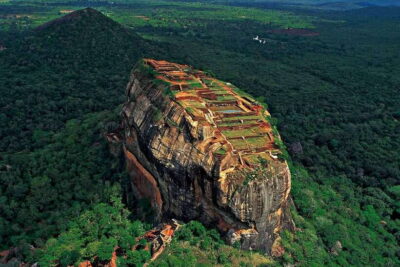
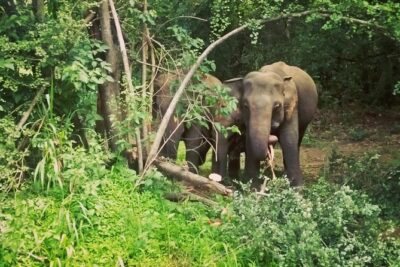
Private Dambulla Sigiriya Tour from Kandy with Lunch
Read our review →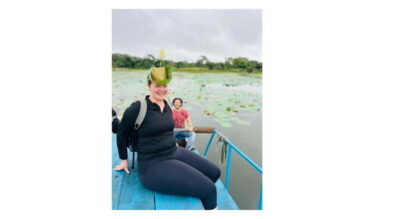
Browse the lists this tour appears in