
Reviewed · UDAWALAWE SAFARIS
Udawalawe: National park safari & Elephant Transit Home Tour
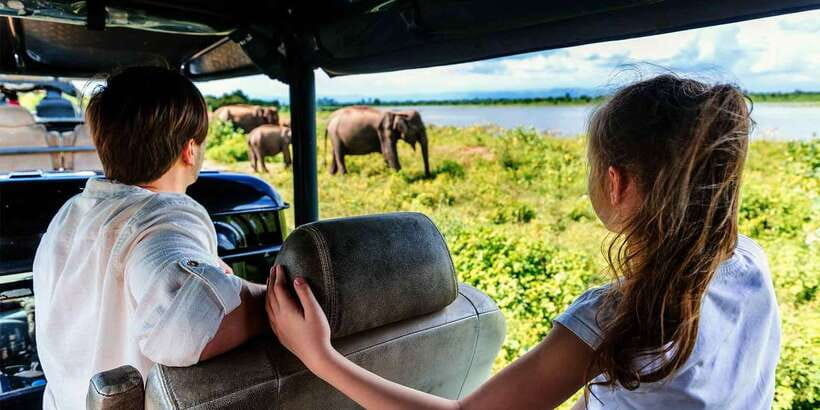
Elephants are the main event at Udawalawe, and this private jeep safari gives you a strong chance to see them in open country rather than behind fences. Guide Gimhana, who has about 10 years of experience, also knows where to look for smaller animals, birds, and reptiles that are easy to miss from a moving jeep.
I like two things here: the small private jeep, limited to six passengers, and the guide’s patient approach. Gimhana has taken visitors away from crowded areas, waited while they watched animals, and even spotted well-hidden chameleons and golden jackals. The early 6 a.m. start is another plus, with cooler air and soft morning light.
The main consideration is cost beyond the advertised $29. National park admission and the Elephant Transit Home entrance fee are not included, so your final bill will be higher. The tour also involves riding over uneven ground and is not suitable for people with mobility impairments.
Key points before you book
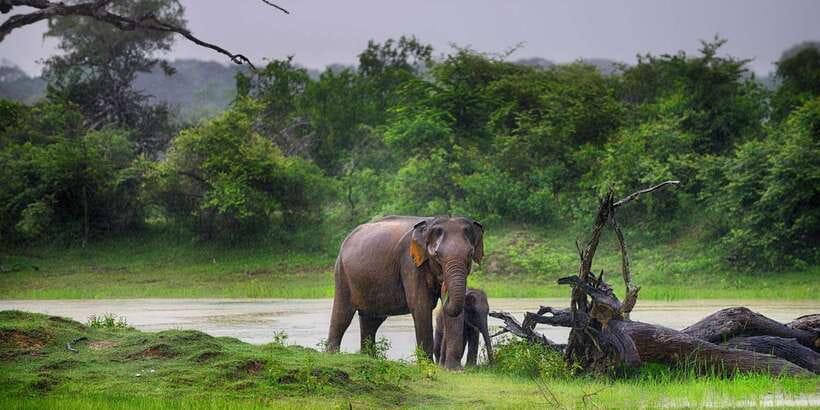
- Expect elephants first: Udawalawe is one of Sri Lanka’s best-known places for elephant sightings, and several families may appear during a single drive.
- Guide Gimhana gets strong praise: He speaks English, explains animal behavior, watches for small creatures, and gives you time for photographs.
- A 6 a.m. start is worth considering: Morning light is beautiful, temperatures are cooler, and some visitors use the early departure to avoid heavier entrance traffic.
- Your jeep is private: Each 4×4 carries a maximum of six passengers, making it easier to choose where to look and when to pause.
- The tour ends at the Elephant Transit Home: The drop-off is included, but the transit home entrance fee is separate.
- The price is a starting point, not the total cost: Add park admission and transit-home entry before comparing this tour with other safaris.
Why Udawalawe works so well for a first safari
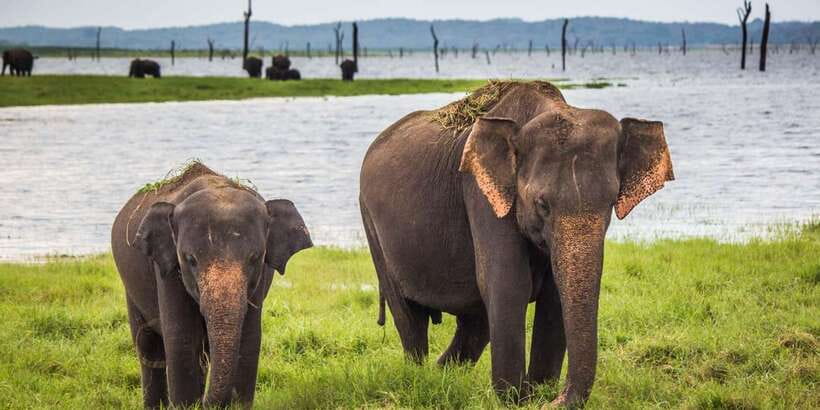
Udawalawe National Park covers about 308 square kilometers and was created in 1972 to protect the catchment area of the Udawalawe Reservoir. That practical purpose shaped the park you see today: open grasslands, forest, wetlands, and water areas where animals gather.
For you, this means a safari with varied scenery and a good chance of seeing large mammals without needing a long expedition. The park sits between Sri Lanka’s Sabaragamuwa and Uva Provinces, and its mix of dry-country habitats supports elephants, deer, buffalo, crocodiles, monkeys, wild boar, jackals, mongooses, and many birds.
Elephants are the safest bet, but do not treat the safari as an elephant-only outing. The smaller sightings can make the drive special. Guides may point out lizards, chameleons, butterflies, peacocks, jungle fowl, and other birds sitting low in the scrub. One visitor even saw a golden jackal, an animal that can disappear quickly if the driver is not watching carefully.
Leopards are possible but not guaranteed. The guide may search for one, but you should book this experience for the park as a whole, not for a promised big-cat sighting. A safari is a search, not a wildlife show with scheduled appearances.
More Udawalawe Safaris in Udawalawa:
- Udawalawe: National Park Safari & Elephant Transit Home Tour
★ 4.9 · 183 reviews - Udawalawa National Park Safari Tour with Experienced Guides
★ 4.8 · 122 reviews - Udawalawe National Park Wildlife Safari Tours
★ 5.0 · 78 reviews
Starting early at 6 a.m. or choosing a later drive
The schedule is flexible, with starting times available for safari durations ranging from four to ten hours. The core experience is described as a four-hour safari, while some visitors choose six or seven hours. You should check the available departure time when booking because the exact length and start options can vary.
I would look closely at the 6 a.m. departure. It brings cooler conditions, a sunrise over the park, and a better chance to enjoy the first part of the drive before the day becomes hot. An early start may also help you avoid some of the entrance congestion mentioned by visitors who chose later departures.
A later morning or afternoon safari can still work well. One afternoon outing produced elephants, buffalo, crocodiles, and other animals. The tradeoff is simple: you may get stronger afternoon light for photographs, but you lose the cool beginning of the morning and may encounter more vehicles in known animal areas.
Pickup is available from hotels in the Udawalawe area or from the national park entrance. Pickup from outside that area costs extra. Some visitors have arranged transfers from the south coast or onward to another town, but you should confirm those arrangements and any added cost before paying.
Inside the private 4×4 jeep
The safari uses a private 4×4 jeep with a maximum of six passengers. That number matters. You are not being packed into a large coach, and your group can decide how long to remain near an animal instead of following a fixed commentary schedule.
The vehicle also gives the guide room to position you for photographs. Several outings were praised for stopping long enough to let everyone watch and take pictures. Gimhana has been described as checking that the group is ready before moving on, which is particularly useful when elephants are walking slowly across open ground or a small reptile is half-hidden in the vegetation.
There is a practical limit to the word private. The park itself may still have other jeeps, especially around popular elephant sightings. A good guide can take you toward less crowded parts at the beginning and return to the busy areas later, after some vehicles have moved on. That approach was used successfully on one morning safari.
Bring patience. Your guide may stop suddenly, point toward a clump of grass, and ask you to look for a lizard or bird. That kind of spotting is part of the fun. You will see more if you scan the edges of the road and listen to the guide instead of expecting every animal to be standing in the open.
What you may see on the four-hour route
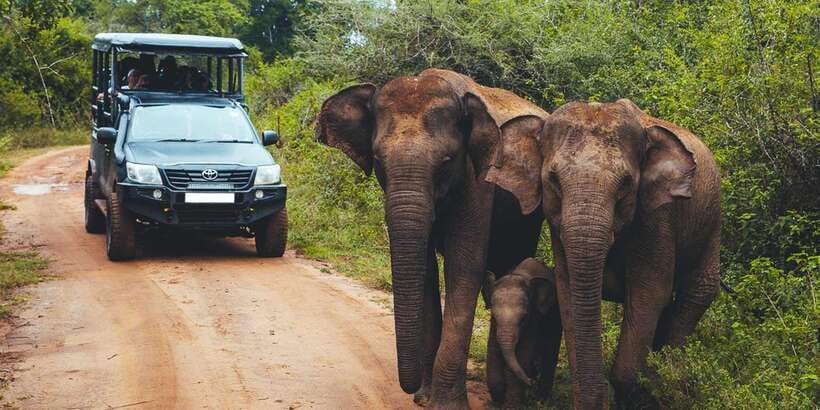
The four-hour drive gives you enough time to sample different parts of the park without committing your whole day. The route can include grassland, woodland, wet areas, and reservoir-side habitat. Each setting offers something different.
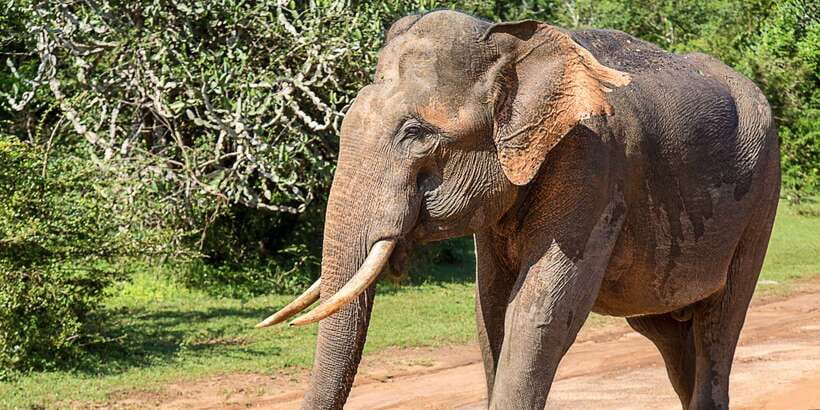
Elephants are the park’s headline sight. Several groups have seen many elephants in one outing, including family groups and a baby elephant. The open setting can allow close views from the jeep, but the animals are wild. Your driver’s positioning and judgment matter, especially around a large bull.
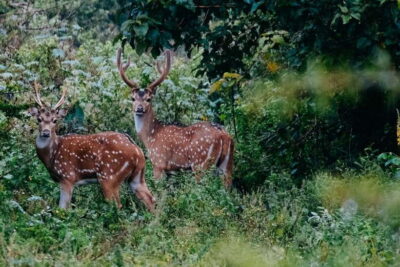
Water buffalo and sambar deer are also regular possibilities. Crocodiles may be found near water, while monkeys, wild boar, foxes, mongooses, and jackals add variety. Some visitors have seen around 15 elephants in a morning, along with monkeys, peacocks, birds, water buffalo, and a jackal during a four-hour trip.
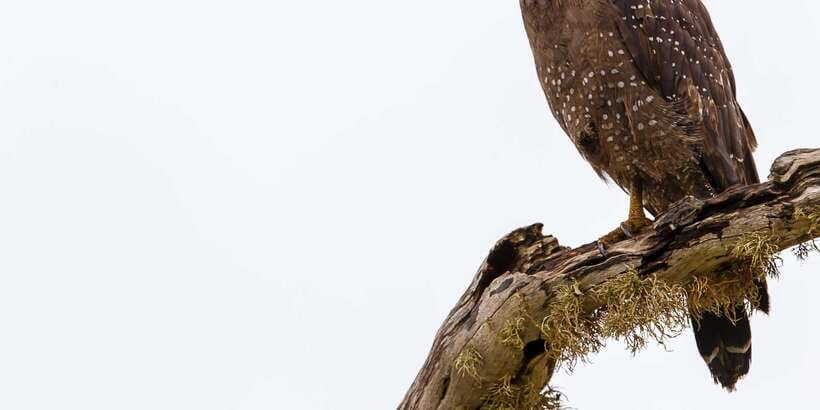
Birdwatchers should keep their expectations broad. The park supports many bird species, including Sri Lankan jungle fowl, Sri Lankan spurfowl, and Sri Lankan wood shrike. Peacocks are also possible, and guides may help you distinguish movement in the trees from a bird that is actually worth photographing.
Do not measure success only by the rarest sighting. Seeing a leopard would be exciting, but a morning with elephant families, crocodiles, birds, deer, and a well-spotted chameleon can be a very good safari. The guide’s ability to identify ordinary wildlife turns a simple drive into a more useful lesson in the park.
More Elephant Experiences in Udawalawa:
- Galle/Mirissa/Tangalle:Udawalawa Safari & Elephant Orphanage
★ 5.0 · 7 reviews - Udawalawe National Park: Elephant Safari with Expert Guide
★ 4.9 · 641 reviews - From Sigiriya: Minneriya National Park Elephant Safari
★ 4.8 · 365 reviews - From Kandy: Pinnawala Day Tour
★ 4.8 · 331 reviews
A guide who watches the small details
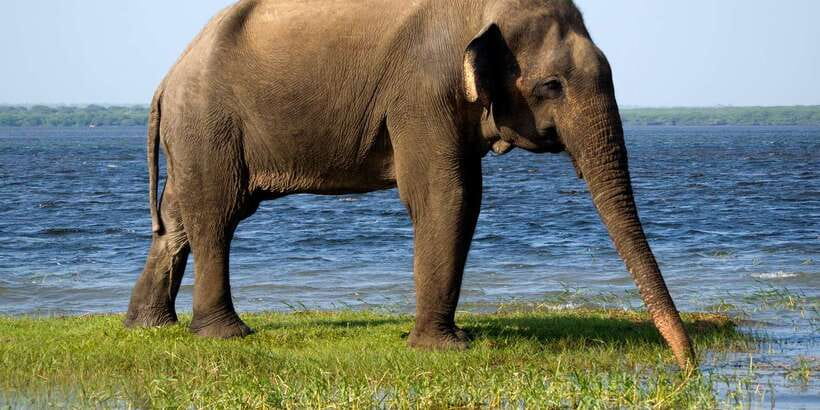
Gimhana is the guide name connected with this experience, and his role goes beyond driving. He explains animals and their habits in English, points out creatures from the jeep, answers questions, and adjusts the pace to suit the group.
His eye for small animals comes up repeatedly. He has spotted chameleons and lizards that were difficult to see, and he once reached for his own camera when a golden jackal appeared. That detail tells you something useful: he is actively looking, not simply following the road and waiting for another jeep to find the wildlife.
The guide also seems to treat comfort as part of the job. Cold drinks, water, and even cookies have been offered during drives. Those extras are modest, but they matter when you are riding over rough tracks for several hours.
Safety is another reason to choose an experienced driver. One outing involved an aggressive male elephant, and the guide moved the jeep away safely. Wild animals do not follow a script. You want a driver who respects distance and knows when a close view has become too close.
The Elephant Transit Home finish
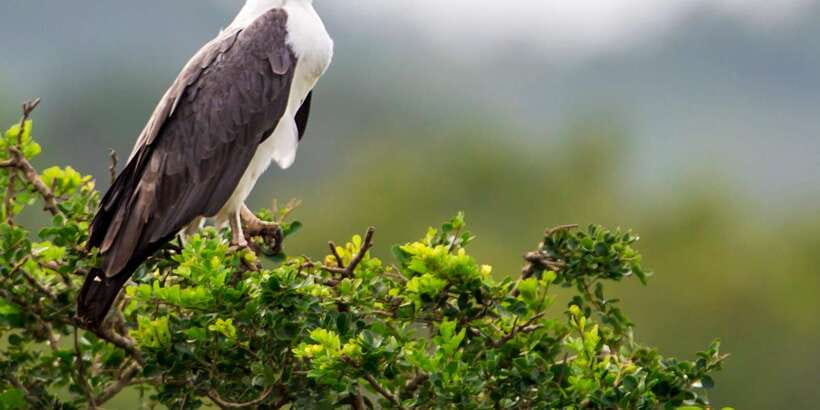
The tour drops you at the Elephant Transit Home after the safari. This makes the experience more than a park drive, but you should read the wording carefully: the Elephant Transit Home entrance fee is not included.
The transit home is intended to give you a closer look at young elephants in a managed setting. It is a different experience from watching wild elephants in the national park. In the park, you are observing animals on their terms from the jeep. At the transit home, you are visiting a dedicated facility with its own entry arrangements.
Because the tour ends there, confirm how you will continue your journey afterward. The listed service includes drop-off at the transit home, not a guaranteed return to your hotel. Pickup and drop-off are available in the Udawalawe area, and extra transport outside the area may be possible for an added charge, but check the plan before departure.
For an ethical wildlife day, the distinction between these two stops is useful. The park offers free wildlife viewing, while the transit home gives you a closer, more structured encounter. Do not expect the transit home to replace the safari. Its value is in adding a second perspective on Sri Lanka’s elephants.
Price, group size, and what the $29 really covers
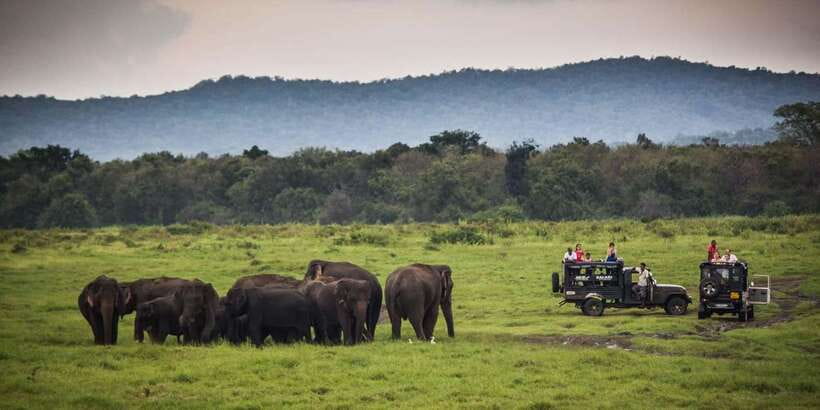
At $29 per person, this is a reasonable starting price for a private 4×4, an experienced English-speaking guide, and up to four hours of park driving. The value improves if you are sharing the jeep with several people, since the vehicle can carry six passengers.
The advertised price does not cover the national park admission fee or the Elephant Transit Home entrance fee. Those charges can change, so I would treat $29 as the safari service price rather than the complete cost of the day.
The value also depends on how much you care about guidance. You can find transport-only options, but a guide who spots a half-hidden animal, explains its behavior, and waits for photographs adds real worth. If you are new to safaris, that service can make the difference between driving past wildlife and actually noticing it.
Free cancellation up to 24 hours before the activity and the reserve-now, pay-later option make planning easier. Still, check availability for your chosen date and start time, since the advertised duration range runs from four to ten hours.
Who should choose this safari
I would recommend this tour to couples, families with older children, solo visitors, and small groups who want a private vehicle rather than a larger shared ride. It is also a good fit if you are staying in Udawalawe and want a guide who can explain both large animals and small birds, reptiles, and insects.
The experience suits photographers who want time to frame a shot. It also suits first-time safari visitors who would rather have an English-speaking guide point out what they are seeing than guess at every movement in the grass.
You should think twice if you have a mobility impairment, since the activity is listed as unsuitable for people with mobility issues. The park drive can also be tiring if you dislike rough vehicle rides or have little interest in waiting for wildlife to appear.
Drones, alcohol, and drugs are not allowed. The language of the tour is English, so you should be comfortable receiving explanations and instructions in English.
Should you book the Udawalawe safari?
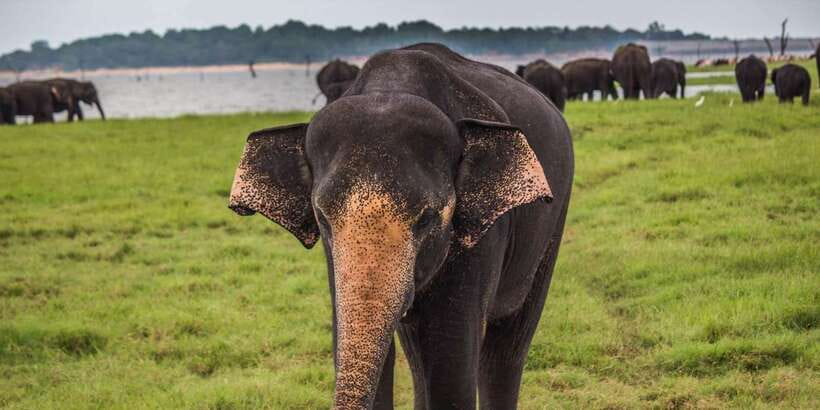
Book it if elephants are high on your Sri Lanka list and you want a small-group jeep with a guide who gives wildlife time. The combination of a four-hour park drive, strong elephant potential, careful animal spotting, and a drop-off at the Elephant Transit Home makes good sense for a half-day plan.
Choose the early start if you can. You will get cooler air, sunrise light, and a better chance to begin before the park feels crowded. Budget separately for both admission fees, and confirm your pickup and onward transport if you are not staying in Udawalawe.
I would not book it expecting a guaranteed leopard or a fully inclusive price. I would book it for the elephants, the range of smaller wildlife, and Gimhana’s attentive guiding. At $29 before entry fees, it is a fair choice for a focused safari with useful personal guidance.
FAQ
How long does the Udawalawe safari last?
The available activity duration ranges from 4 to 10 hours. The main safari is described as a four-hour drive, while some options and past outings have lasted six or seven hours.
How much does the tour cost?
The listed price is $29 per person. The Udawalawe National Park admission fee and Elephant Transit Home entrance fee are not included.
Is the safari private?
Yes. The tour uses a private 4×4 safari jeep with a maximum of six passengers per jeep.
Who is the guide?
The guide named for this experience is Gimhana. He provides the tour in English and has about 10 years of experience as a driver and guide.
Can I be picked up from my hotel?
Hotel pickup is available from the Udawalawe area, or you can meet at the Udawalawe National Park entrance. Pickup from outside those areas may be available for an additional charge.
Where does the tour end?
The listed drop-off is the Elephant Transit Home. Confirm any onward transport if you need to return to your hotel or continue to another destination.
Are park entry fees included?
No. You must pay the Udawalawe National Park admission fee separately.
Is the Elephant Transit Home entry fee included?
No. The Elephant Transit Home entrance fee is also separate from the tour price.
Can I cancel for a refund?
You can cancel up to 24 hours in advance for a full refund.
Is the tour suitable for people with mobility impairments?
No. The activity is listed as unsuitable for people with mobility impairments.
Newly listed around Udawalawa
- Udawalawe National Park Private Safari Tour★ 5.0 · 12 reviews
- Everything in Udawalawe (Safari, Accommodation with Half Board)★ 5.0 · 4 reviews
- 04 Hours Safari Jeep Tours★ 4.5 · 6 reviews
- Exclusive 3-Hour Private Jeep Safari at Udawalawe National Park★ 5.0 · 21 reviews
- Walawe Palm Safari Udawalawe★ 5.0 · 8 reviews
- Udawalawa Wild Life Safari★ 5.0 · 17 reviews
- Private Tour: Udawalawe National Park Safari★ 4.5 · 14 reviews
- Private Tour : Udawalawe National Park Safari★ 5.0 · 15 reviews
Udawalawe Safaris, compared.
Udawalawe National Park: Elephant Safari with Expert Guide
Read our review →
National Park Safari & Elephant Transit Home Tour
Read our review →
Shuttle to Tangalle/Mirissa/Galle w Udawalawe Safari
Read our review →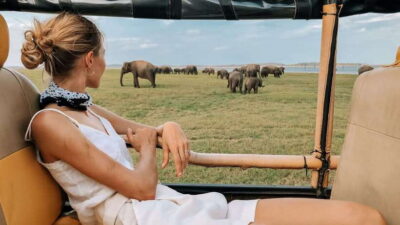
Udawalawa National Park Safari Tour with Experienced Guides
Read our review →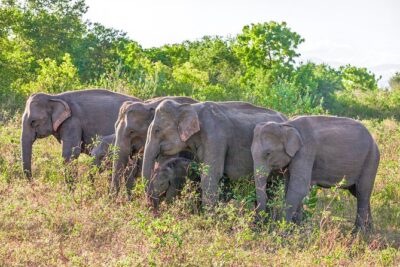
Udawalawe National Park Entrance Ticket with Private Safari
Read our review →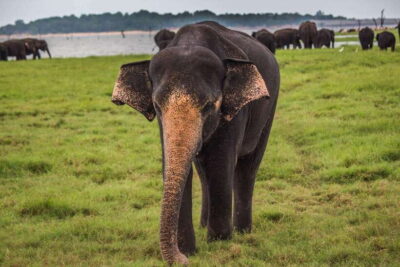
Hikkaduwa/Galle/Weligama/Mirissa/Tangalle: Udawalawa Safari
Read our review →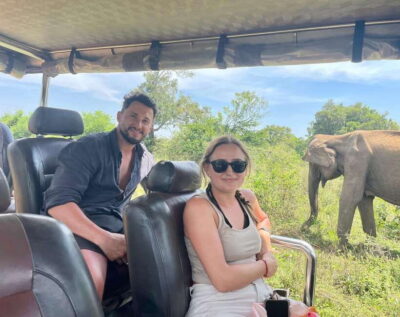
From Mirissa/Galle/Hikkaduwa: Udawalawa National Park Safari
Read our review →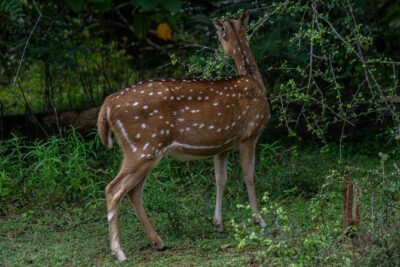
Browse the lists this tour appears in