
Reviewed · NATIONAL PARKS
Sri Lanka: 2-Day wildlife tour; rainforest and National park
Sri Lanka packs a lot into these two days: a Sinharaja rainforest walk, a four-hour Udawalawe jeep safari, and the famous train ride through tea country. Guides such as Jaya, Sameera, Jayweera, and Nushry have been praised for safe driving, useful local advice, and keeping the long route manageable.
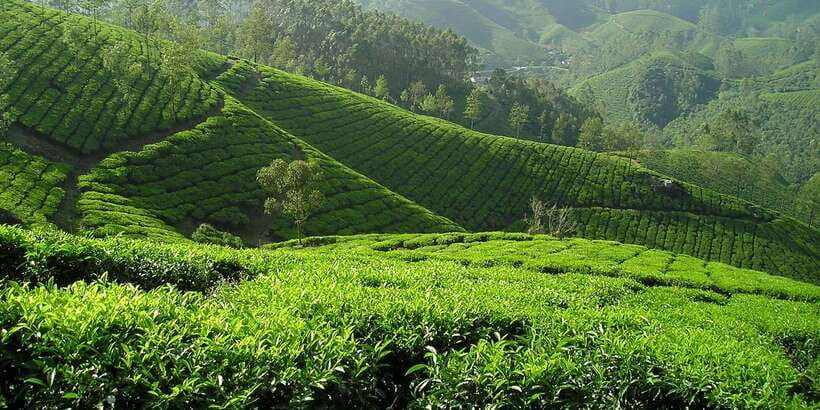
I especially like the chance to see two very different kinds of nature in one trip: tiny forest life in Sinharaja and large animals in Udawalawe. I also like the slow train journey from Ella toward Nuwara Eliya, where tea gardens, vegetable plots, mountain slopes, and small villages pass the windows.
The catch is the pace. There is a lot of road time, and two days leave little room for lingering in Ella or taking a relaxed lunch break. Train seats cannot be promised, and meals beyond breakfast are not included.
Key points to know before booking
- Sinharaja is a proper forest walk: Plan on three to four hours on foot, with suitable shoes and room for changing weather.
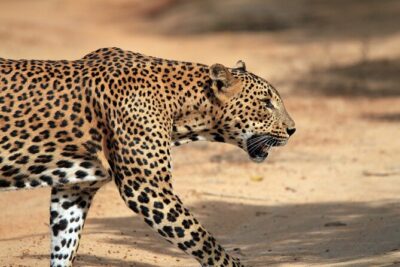
- Udawalawe is the wildlife high point: A four-hour safari may bring elephants, crocodiles, deer, monkeys, wild buffalo, jackals, monitor lizards, and many birds.
- The blue train is scenic, not luxurious: The ride lasts roughly two to two and a half hours, and a reserved seat is not guaranteed.
- The route is ambitious: You cover rainforest, low-country countryside, a national park, Ella, and Nuwara Eliya in only two days.
- Bring extra spending money: Lunch, dinner, drinks, tips, and purchases at the herbal garden are outside the $350 price.
- Expect sharp temperature changes: Udawalawe may reach about 34 degrees Celsius, while Ella can be around 15 degrees Celsius.
What the $350 price really buys you
At $350 per person, this is not a cheap point-to-point transfer. It is a tightly packed private or small-group trip with transport, one night in a standard tourist hotel, a guided Sinharaja trek, rainforest entry, a Udawalawe safari with jeep and park entry, the hill-country train, breakfast, waterfall stops, a tea plantation and factory visit, and a spice or herbal garden tour.
That package can be good value if you want to see several major sights without arranging separate drivers, park permits, forest access, and train connections. The small group is limited to 10 people, which should make the vehicle and guide experience more manageable than a large coach tour.
Still, look beyond the headline price. Lunch and dinner are not included, and neither are drinks. One booking experience also included extra costs at stops and regular expectations for tips. The herbal garden can end with a shop visit where products are priced for tourists, so you should feel free to browse without buying.
The tour works best for you if time is short and variety matters more than a relaxed schedule. If you have three or four spare days, separate stays in Sinharaja, Udawalawe, Ella, and Nuwara Eliya would give you more breathing room. At two days, this tour is buying convenience and access, not leisure.
More Rainforest Tours in Colombo:
- Sri Lanka: Sinharaja rainforest tour from Colombo, Bentota
★ 5.0 · 3 reviews - Sinharaja Rainforest Tour
★ 5.0 · 54 reviews - Sinharaja Rainforest Private Half Day Tour with Licensed Guide
★ 5.0 · 39 reviews
Day one: from the west coast to Sinharaja
The pickup begins in Sri Lanka’s Western Province. The drive cuts through the lower countryside toward Sinharaja, with roughly two hours on the road before the forest section begins. That transfer is useful because it takes you away from the coast and into a quieter part of the island, but it also sets the tone: you will spend a fair part of the trip in the vehicle.
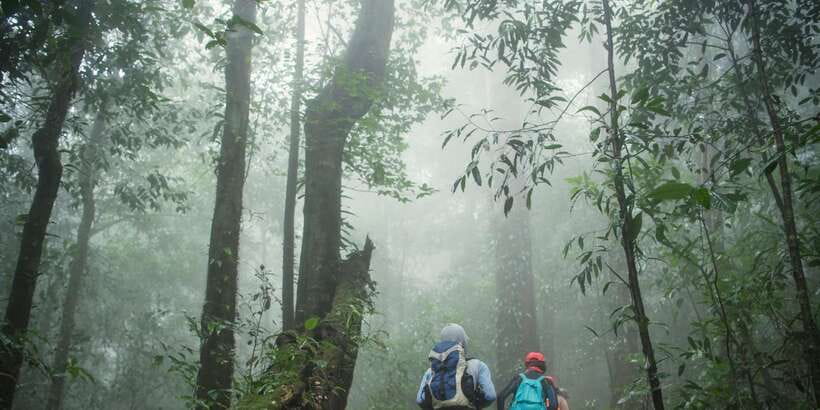
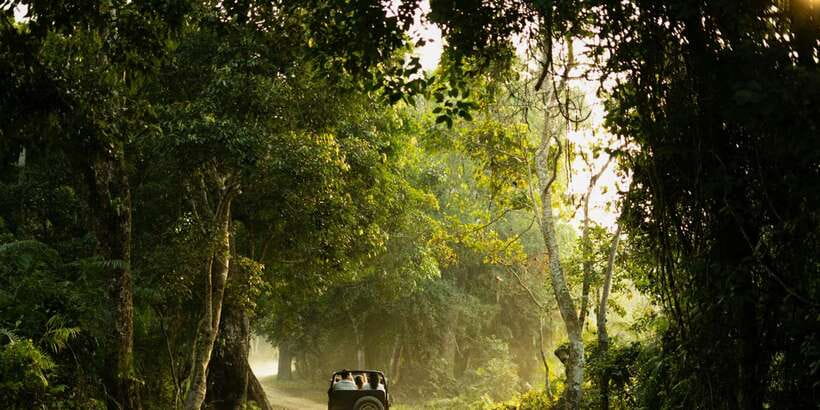
Sinharaja is the more personal and slower wildlife experience. Instead of searching for large animals from a jeep, you walk with a nature guide through one of Sri Lanka’s important rainforest areas. The focus is on trees, plants, vines, birds, insects, waterfalls, and smaller forest creatures.
Allow three to four hours for the trek. This is not a casual roadside stop. Wear shoes with a good grip, carry your passport as requested, and be ready for damp or uneven ground. The supplied information does not give a detailed difficulty rating, so anyone with back problems should take the restriction seriously. Pregnant women are also advised not to take part.
The guide matters here. A rainforest can look like a wall of green if you walk through it alone. A trained nature guide helps you notice the details that would otherwise pass unseen, from a bird call to an unusual plant or insect. Bird-watching is included, but sightings are never guaranteed, and the value of this part is as much in understanding the forest as in collecting a long list of animals.
Do not count on a long restaurant lunch between the forest and safari. One account of the trip found there was no proper lunch stop, so pack food or ask in advance how the day will be handled. Lunch is not included in the price.
The Udawalawe safari and its four-wheel-drive views
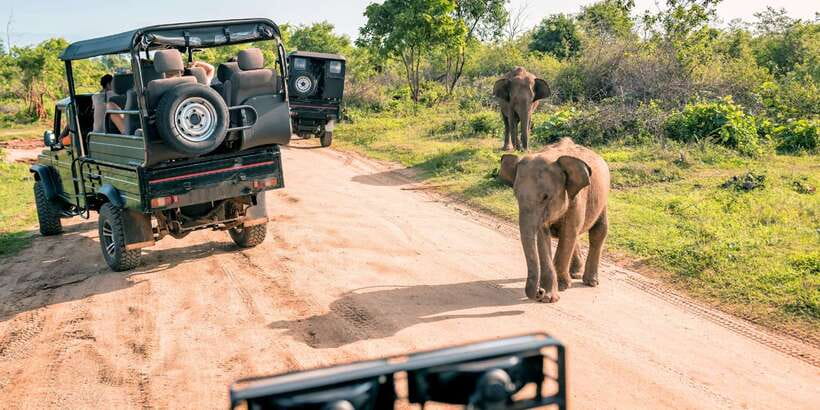
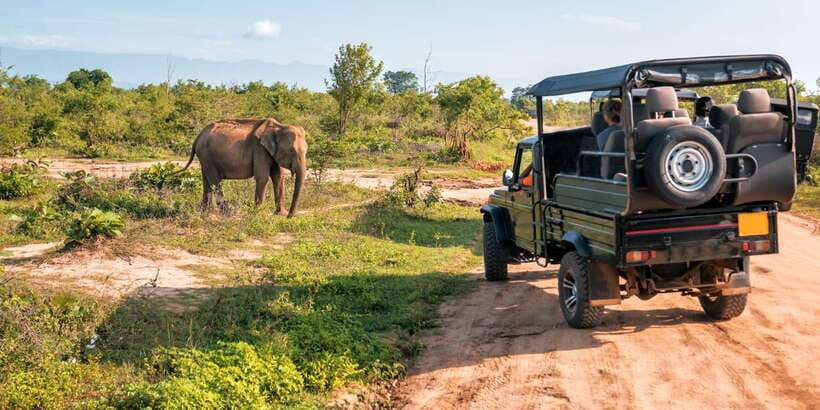
After Sinharaja, the route continues inland to Udawalawe National Park. The safari lasts about four hours and uses an off-road jeep. This is a very different experience from Sinharaja, with open areas that make it easier to scan for larger wildlife.
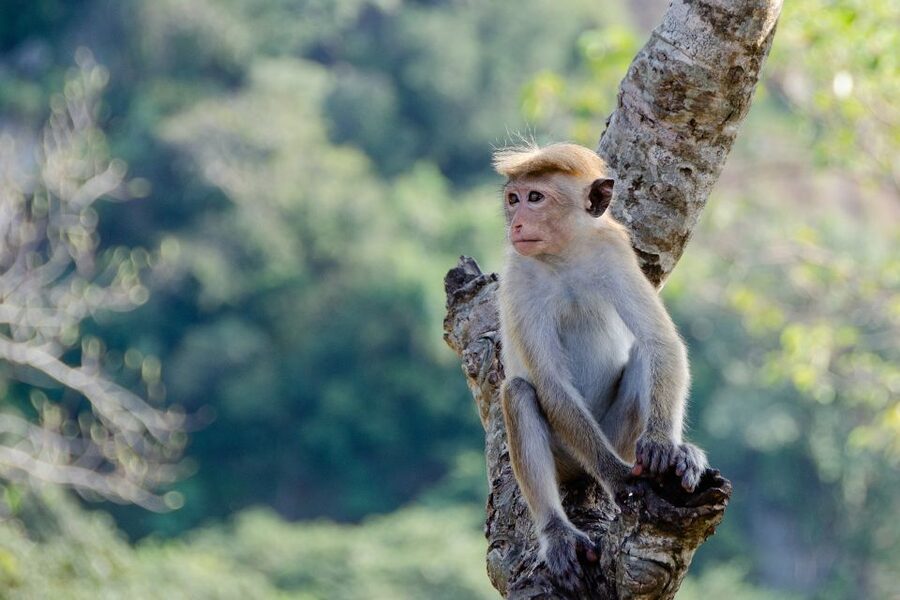
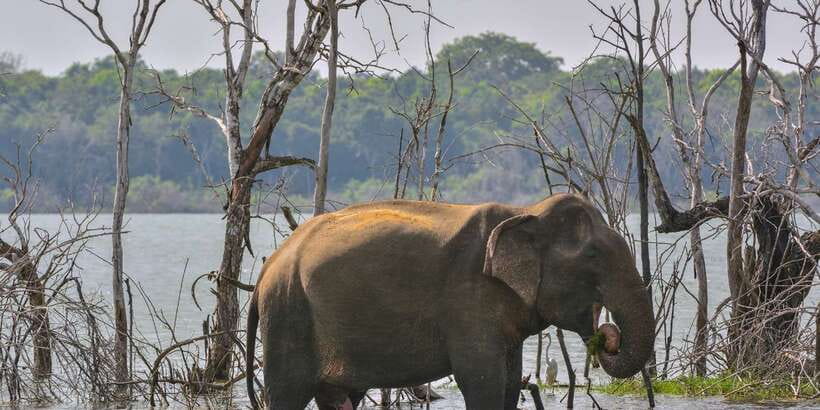
The main prize is the elephant. You may also look for crocodiles, deer, monkeys, wild buffalo, jackals, monitor lizards, mongooses, and a range of birds. Bears are listed among the possible sightings, but no wildlife encounter should be treated as a promise. A good safari is partly about patience and luck.
The safari has been the strongest part of the trip for many people, and it is easy to see why. After hours on Sri Lankan roads, sitting high in a jeep and watching animals in their own setting gives the day a clear payoff. The four-hour length also gives you a reasonable chance to see more than one type of animal, rather than racing through the park.
The park can be hot. Temperatures may reach about 34 degrees Celsius, so carry water, protect yourself from the sun, and wear clothing suited to an open jeep. You will then move to the overnight hotel after the safari.
The overnight stay: practical, not polished
The accommodation is described as a standard tourist hotel with one night included, and the stay should be approached on that basis. It is not presented as a luxury resort. The most favorable details concern the setting and welcoming staff rather than high-end facilities.
There is some uncertainty in the supplied route description about the overnight location. The day-by-day text places the stay after the Udawalawe safari, while other details refer to Ella and describe a striking mountain view from the room. Confirm the exact hotel and town before paying, especially if the setting matters to you.
Dinner is not included. One experience included a Sri Lankan set meal at the hotel, but you should not assume that is part of the package. Ask your operator about dinner arrangements, cost, and whether the hotel can provide food after the safari.
The guides are a major part of the experience. Jaya was praised for making the route enjoyable, while Sameera was credited with helping a solo woman feel safe and making good use of limited time. Jayweera was praised for practical advice and adjusting the journey to reduce wasted road time. Nushry was described as punctual, helpful, and reliable. Your assigned driver may be different, but these comments show what to value: careful driving, clear timing, local context, and honest advice.
More two-day trips from Colombo:
- Discover the Best of Sri Lanka in 2 Days
★ 4.6 · 32 reviews - 2-Day Whale Watching & Southern Sri Lanka Tour
★ 3.8 · 6 reviews - Sri Lanka Green Bless- 2-day Private Trip To Enjoy Nature
★ 3.9 · 5 reviews - From Western Province: 2-Day Hill Country Highlights Trip
★ 3.2 · 4 reviews
Day two: Ella to Nanu Oya by blue train
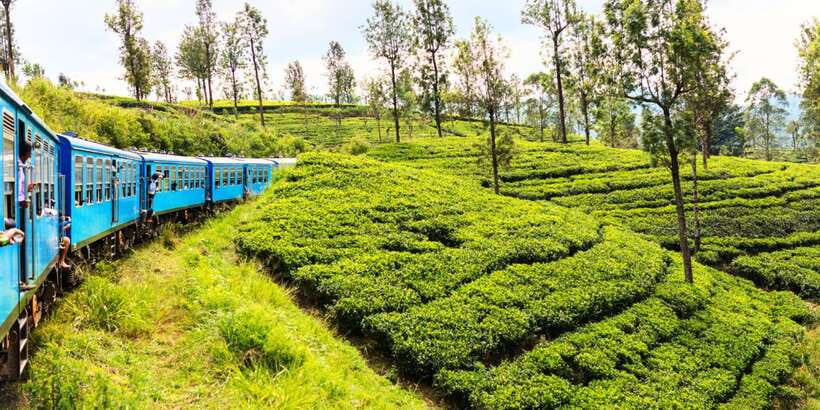
The second day begins early with a transfer to Ella railway station. From there, you take the hill-country train toward Nanu Oya, the rail stop used for Nuwara Eliya. The ride lasts roughly two to two and a half hours, depending on the exact schedule and description used for your booking.
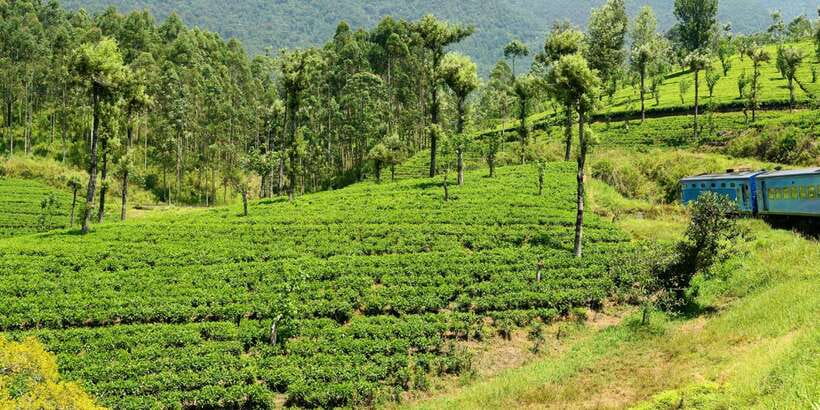
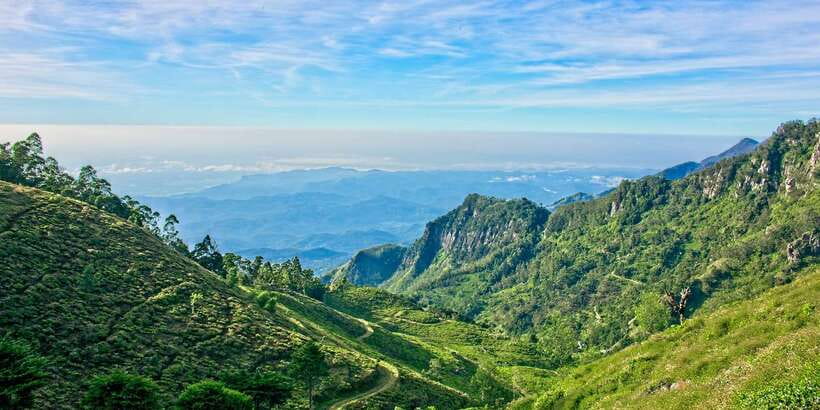
This is the trip’s most famous scenic section. The train moves slowly through tea plantations, forest patches, vegetable plots, green mountain slopes, and isolated villages. It gives you a view of daily life and hillside farming that is hard to catch from a car. The pace is part of the appeal. You have time to look out, take photographs, and simply watch the hills change.
The train is not a guaranteed seat reservation. Demand is high, and the operator says it will try to obtain a seat, but you may face a crowded carriage or need to stand for part of the journey. That matters if you have mobility concerns or want a quiet window position.
I would treat the train as a scenic public transport experience rather than a private sightseeing carriage. The lack of certainty is frustrating, but it is also part of what makes this route feel connected to ordinary Sri Lankan travel. If a guaranteed seat is essential, ask before booking whether a reserved ticket can be arranged and at what extra cost.
The itinerary description is a little confusing in places, so confirm the exact train direction, departure time, and pickup point at Nanu Oya. Your guide is due to collect you there and continue by road.
Nuwara Eliya, tea, and Gregory Lake
After the train, the route enters the high country around Nuwara Eliya. The town sits at about 2,800 meters above sea level and is known for its cool climate, tea estates, and mountain setting. You may notice a dramatic change from the heat of Udawalawe. Ella can be around 15 degrees Celsius, so a light jacket is useful.
A stop at Gregory Lake Esplanade provides a short break before the tea visit. This is a scenic pause rather than a full tour of Nuwara Eliya. You will then visit a tea plantation and factory for about an hour.
The factory visit gives useful context to the countryside you saw from the train. Tea gardens are not just pretty slopes. The visit shows how the crop moves from plantation to processing, and the guide can explain the stages more clearly than a passing view from a carriage window. It is also a chance to buy tea, though you should compare prices and buy only if you want to.
The tour may also include a waterfall and a spice or herbal garden. These stops add variety, but the herbal garden can include a sales presentation. Enjoy the explanation, ask questions, and remember that buying products is optional.
After the factory, you return toward the Western Province. That final drive is long, so do not expect much free time in Ella or Nuwara Eliya. The route is built around seeing key places, not staying in one of them.
Driving, safety, and the shape of the day
Driving is one of the most important things to assess before booking. Several guides have been praised for being careful and helpful, but one experience reported erratic driving, a repeated dashboard warning sound, and a vehicle that struggled to start. That is not a minor complaint on a two-day trip with many hours in the car.
Ask for the vehicle and driver details before departure. Check that the car feels roadworthy at pickup, and speak up at once if anything seems unsafe or distracting. The operator’s response to vehicle problems can make a large difference to the trip.
The good news is that a strong driver can improve the entire schedule. A driver who knows the roads can help you avoid wasted time, explain local customs, and make sensible adjustments. Jayweera, for example, was praised for reducing time spent on the road while protecting the main stops.
The route is physically demanding even without the forest walk. You have early starts, a long drive on day one, a safari, a train connection, and another long return drive on day two. It is not a good match for someone seeking a slow holiday or for anyone with back problems.
Who should book this two-day route?
I would choose this tour if you have limited time in Sri Lanka and want a quick sample of wildlife, rainforest, tea country, and rail travel. It also suits solo visitors who prefer a driver and guide rather than handling a complicated series of transfers alone. The small group limit of 10 keeps it more personal than a large bus trip.
It is a good fit for active visitors who can manage a three to four-hour forest trek, a hot safari, changing temperatures, and long road journeys. Bring walking shoes, a light jacket, sun protection, water, snacks, and money for food, drinks, tips, and optional shopping.
I would hesitate if your top priority is guaranteed train seating, long meals, extra time in Ella, or comfortable luxury accommodation. I would also think twice if you dislike sales-oriented stops or find extended car journeys tiring.
Free cancellation up to 24 hours before departure and reserve-now-pay-later terms reduce the booking risk, but they do not solve the practical questions about train seats, the vehicle, or the overnight hotel. Get those details confirmed before you commit.
Should you book it?
Book this tour if you want maximum variety in minimum time. The combination of Sinharaja’s close-up forest life, Udawalawe’s elephant safari, and the blue train through tea country is genuinely appealing, and the best drivers can turn a rushed route into a rewarding one.
Skip it if you can spare more time and prefer a calmer trip. Three days would allow a better stay in Ella, more room for meals and rest, and less pressure on the transport schedule. At $350 per person, the tour offers solid access and convenience, but its value depends on whether you are happy trading free time for a long list of major sights.
FAQ
How long is the tour?
The experience lasts two days and includes one overnight stay in a standard tourist hotel.
Where does the tour begin?
Pickup is listed in Sri Lanka’s Western Province.
What wildlife might I see at Udawalawe National Park?
Possible sightings include elephants, crocodiles, deer, monkeys, wild buffalo, jackals, monitor lizards, mongooses, bears, and birds. Wildlife sightings are not guaranteed.
How long is the Sinharaja rainforest walk?
The guided trek lasts about three to four hours and includes bird-watching. Suitable shoes are recommended.
Is the train seat guaranteed?
No. Seats on the hill-country train are subject to availability because of high demand. The operator will try to obtain a seat.
Are meals included?
Breakfast on day two is included. Lunch, dinner, and drinks are not included, so you should budget for them separately and consider carrying snacks.
What should I bring?
Bring your passport, suitable shoes for jungle trekking, clothing for both hot and cool conditions, and extra money for meals, drinks, tips, and optional purchases.
Newly listed around Colombo
- Transfer between Colombo (CMB) Airport and Galle Face Hotel★ 5.0 · 4 reviews
- Colombo Airport (BIA) to Galle Private Airport Transfer★ 5.0 · 3 reviews
- Sri Lanka Private Transfer from Colombo Airport to Anywhere★ 5.0 · 6 reviews
- Sri Lanka Private Tour Pick Up & Drop Off – Colombo Intl Airport★ 5.0 · 10 reviews
- Private transfer from Colombo Airport to Bentota Hikkaduwa Galle★ 5.0 · 6 reviews
- Colombo Airport (CMB) to Colombo City Private Transfer★ 4.5 · 26 reviews
- Colombo (CMB) Airport to Negombo City Private Transfer★ 5.0 · 13 reviews
- Colombo (CMB) Airport to Kandy City Private Transfer★ 5.0 · 6 reviews
National Parks, compared.
Yala National Park Safari Tours: Morning/Evening/Full Day
Read our review →
Udawalawe National Park: Elephant Safari with Expert Guide
Read our review →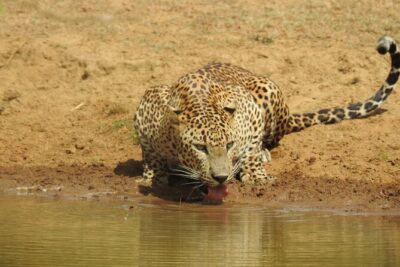
Full day Safari – Yala National Park – 04.30 am to 06.00 pm with – Janaka safari
Read our review →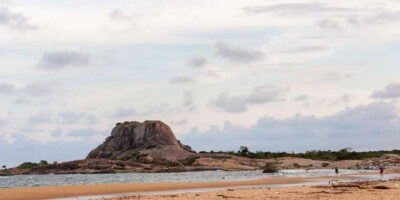
Yala National Park: Half, 7-Hour, or Full-Day Safari & Meals
Read our review →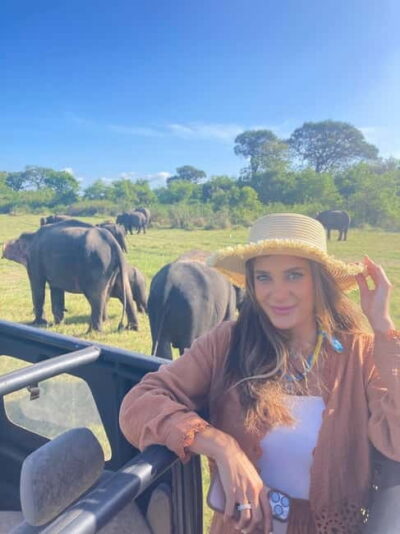
Yala National Park Wildlife Safari/ Game Drive – by Ajith Safari
Read our review →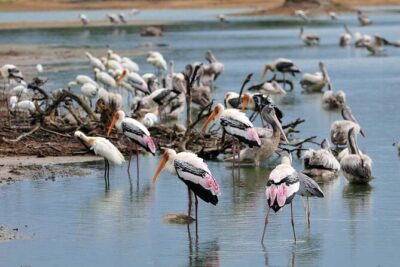
Private Jeep Safari at Minneriya National Park to Visit Elephants
Read our review →Browse the lists this tour appears in